



Narrow Edwardian Cupboard
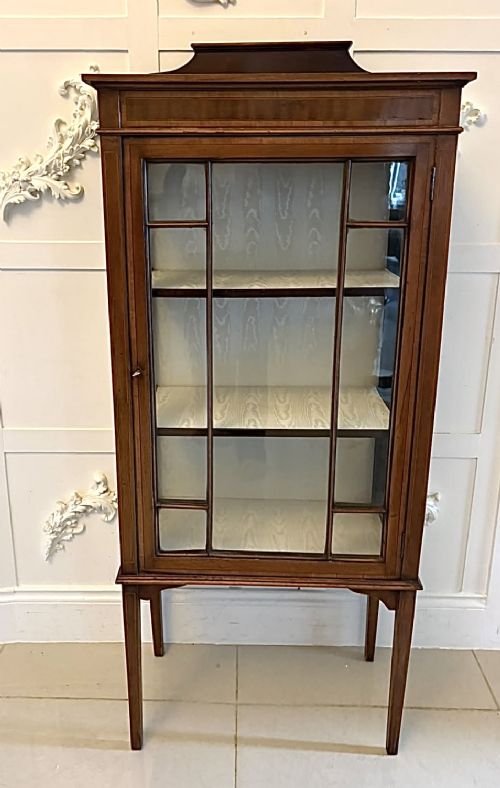
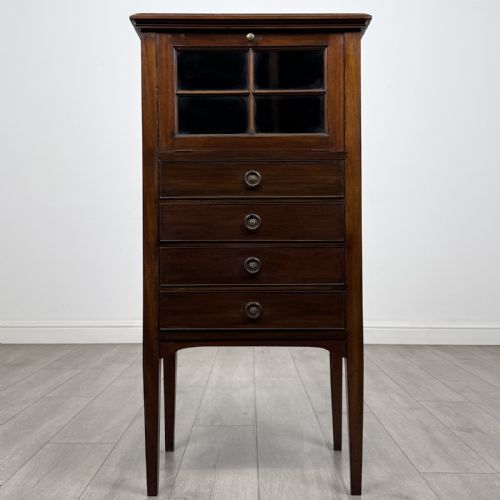
A narrow Edwardian cupboard offers compact storage in upright timber, combining period proportion with practical utility for tighter spaces.
Narrow Edwardian Cupboard
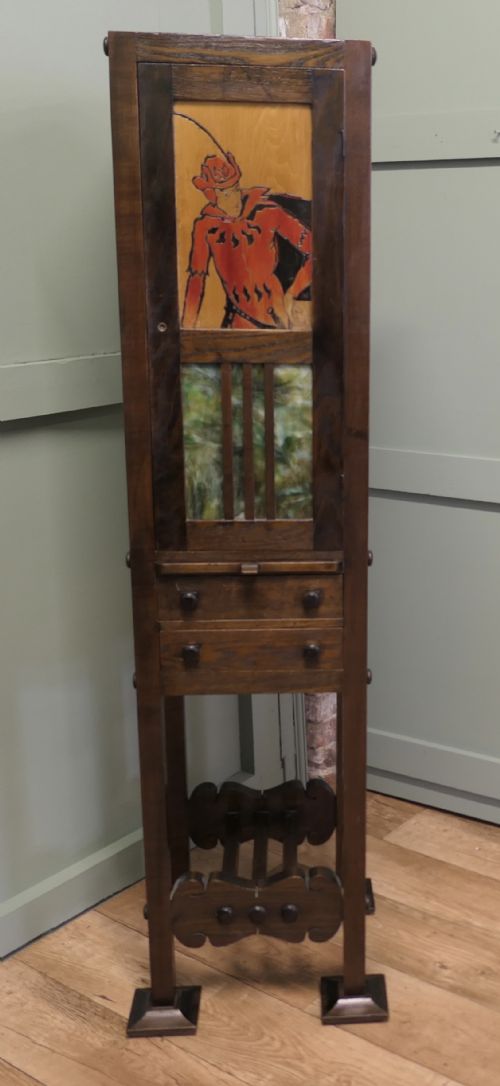
A narrow Edwardian cupboard provides compact vertical storage designed for domestic spaces where floor area is limited. These pieces appear in hall, kitchen, and bedroom settings, fulfilling specific utilitarian needs.
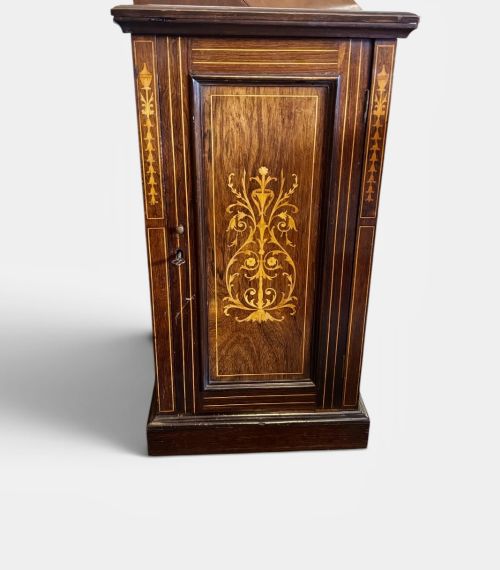
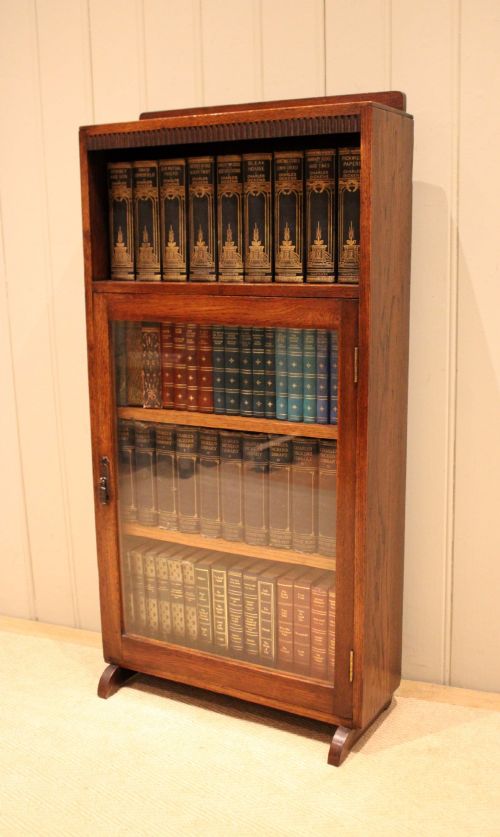
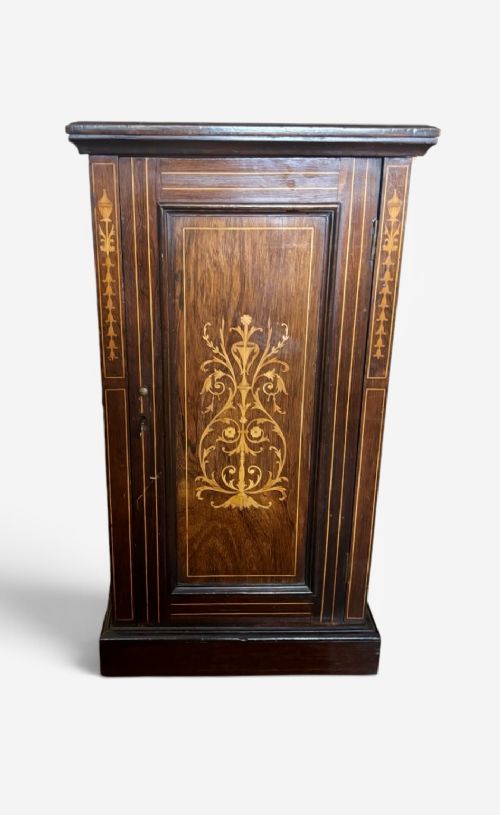
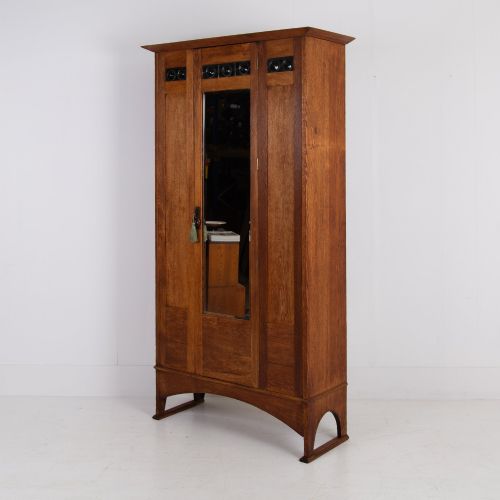
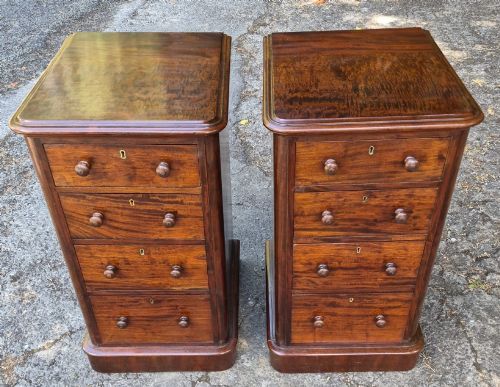
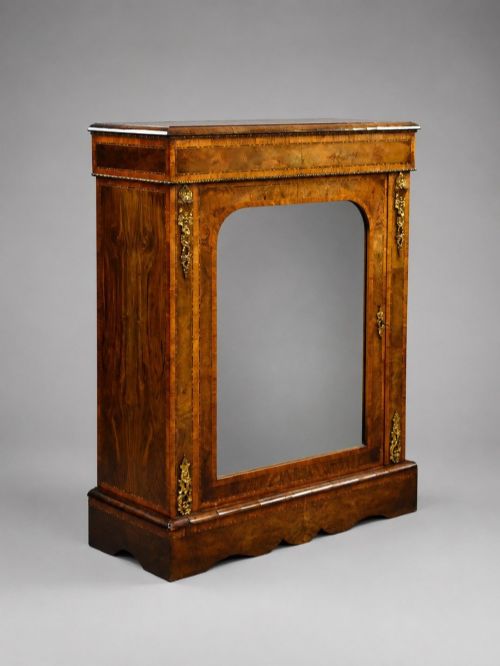
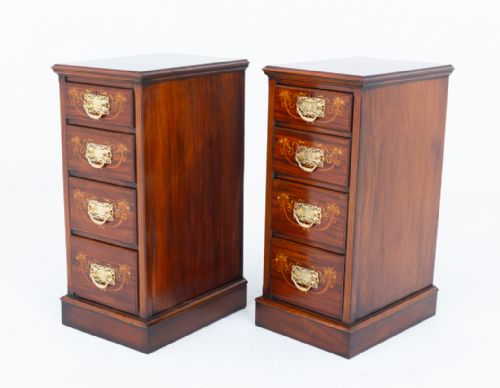
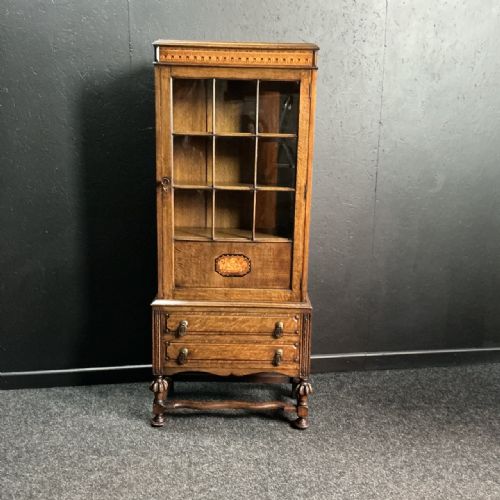
The selection ranges from oak and pine hall cupboards to mahogany and satinwood display cabinets, alongside bedside tables and bookcases. Edwardian examples often feature tall, slender proportions and inlaid details.
Victorian and later 20th-century pieces sit alongside Edwardian ones on this page, sharing similar compact footprints and upright forms in walnut, rosewood, and hardwood.
How they were made
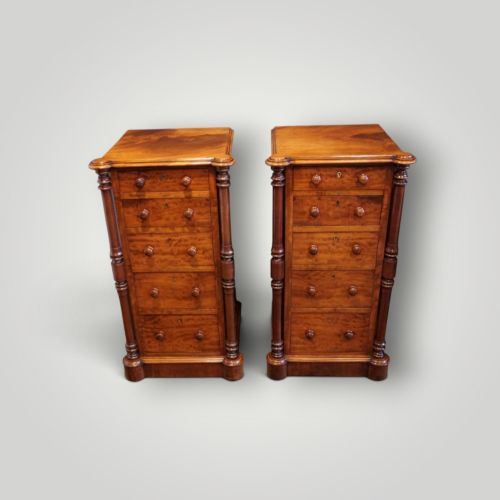
Cabinet makers utilised solid woods such as oak, mahogany, and pine, frequently applying veneers of satinwood, rosewood, and burr walnut to visible surfaces. Parquetry veneer and painted finishes also appear across the selection.
Inlay work in boxwood and brass mounts add decorative contrast to the timber carcasses. Glass panels feature in glazed display cabinets and bookcases, while metal hardware secures doors and drawers.
Narrow Edwardian Cupboard Retail Price Guide 2026
Typical asking prices for narrow edwardian cupboard among the pieces listed under this phrase on Sellingantiques today, from the lower quarter to the upper quarter. They describe what is for sale here now, not the wider market.
One former sheet music cabinet quietly traded its scores for modern clutter.
What varies in quality
The choice of timber and the precision of veneer work separate standard utility items from finer reception room pieces. Solid oak and mahogany construction with crisp boxwood inlay represent higher production standards.
Estate-made and country house pieces rely on utilitarian pine and straightforward panel construction, prioritising function over decorative refinement. Original painted finishes and intact glass panes preserve the integrity of each piece.
Warings Liverpool·Harrods
The Narrow Edwardian Cupboard Glossary
- Inlay
- A technique where contrasting materials such as boxwood or satinwood are embedded into the surface of a timber ground to form decorative patterns. This method appears frequently on Edwardian cabinet doors and drawer fronts.
- Parquetry
- A geometric mosaic of wood pieces used for decorative veneer on furniture surfaces. Parquetry veneer is seen on select bedside tables in the collection.
- Pier cabinet
- A low or tall display cabinet traditionally designed to stand against the wall space between windows. These pieces often feature glass doors and inlaid timber.
- Court cupboard
- A traditional type of sideboard or enclosed cupboard featuring tiered levels. Edwardian examples adapt this form into narrow formats for hall storage.
- Sevres plaque
- A porcelain tablet inserted into furniture for decorative effect. These ceramic plaques are found on ebonised Victorian pier cabinets.
Narrow Edwardian Cupboard: Frequently Asked Questions
Where were narrow cupboards placed?
These compact pieces stood in hallways for coats, kitchens for provisions, and bedrooms as bedside storage.
Their slender footprints allowed them to fit into tight architectural spaces without obstructing room circulation.
What woods are most common?
Oak, mahogany, and pine form the primary structure of these cupboards, supplemented by hardwoods.
Satinwood, rosewood, and burr walnut appear as decorative veneers on finer reception room examples.
How do I distinguish Edwardian from Victorian?
Edwardian pieces generally exhibit lighter timbers, simpler lines, and delicate satinwood or boxwood inlay.
Victorian cupboards tend to use heavier mahogany, walnut, or ebonised finishes with more robust architectural mouldings.
Are these pieces suitable for modern homes?
Their tall, narrow proportions make them practical storage solutions for contemporary hallways and bedrooms.
They provide enclosed shelving or hanging space while occupying minimal floor area.