
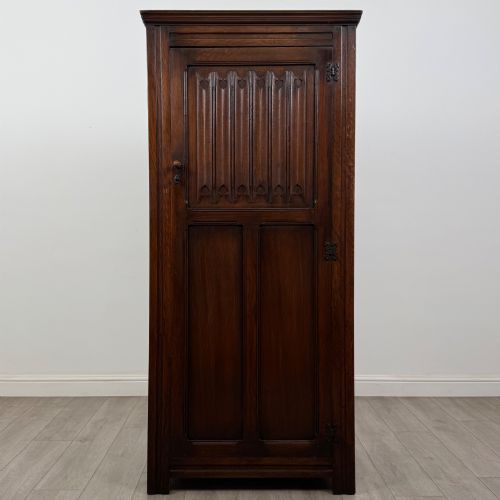
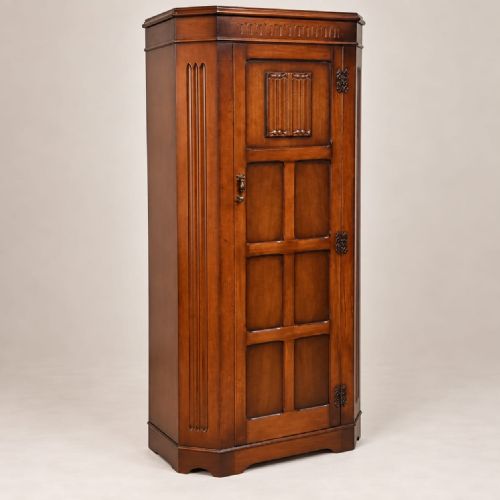
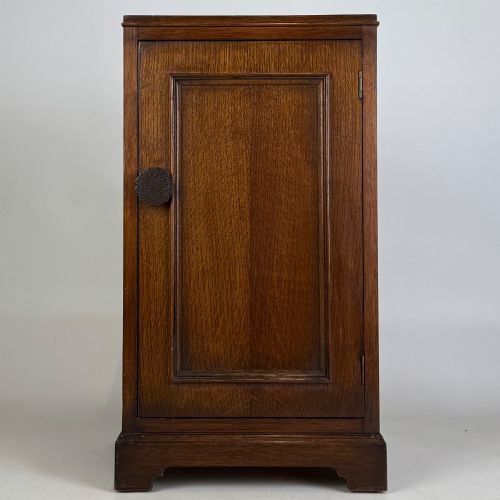
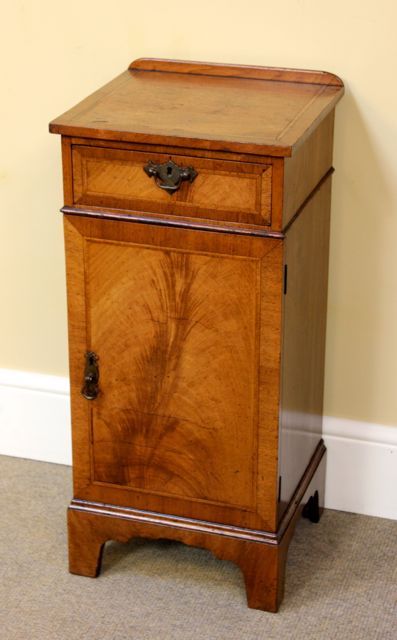
Edwardian Single Door Cupboard
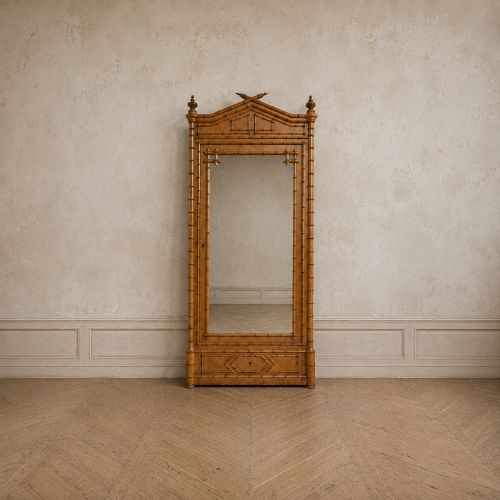
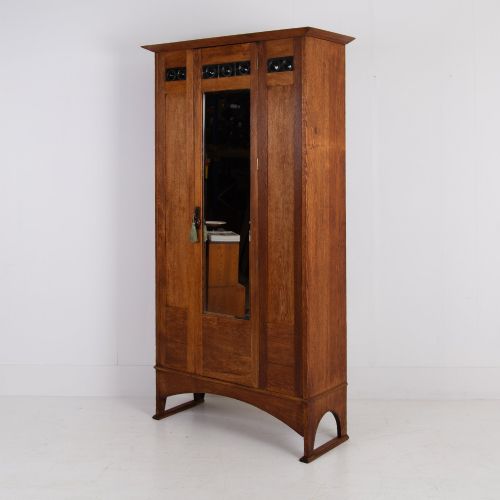
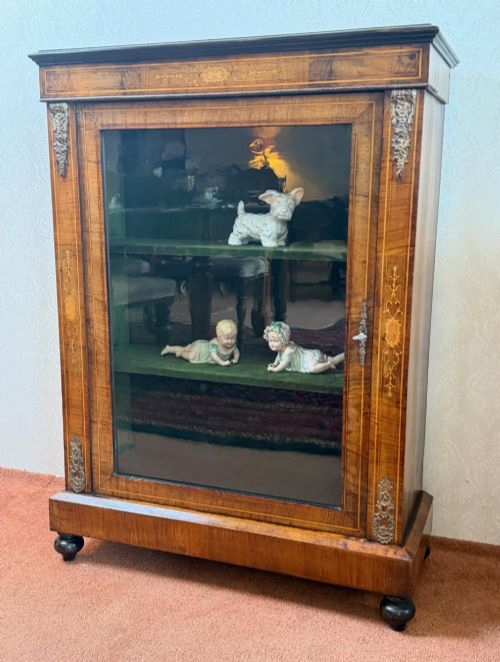
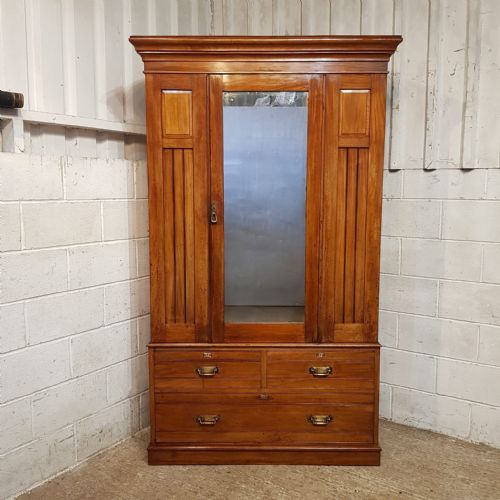
An Edwardian single door cupboard offers compact, enclosed storage in mahogany, oak or walnut, bringing period character to a modern room.

Edwardian Single Door Cupboard
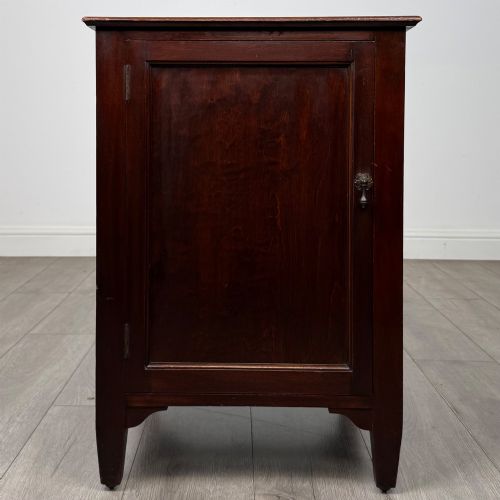
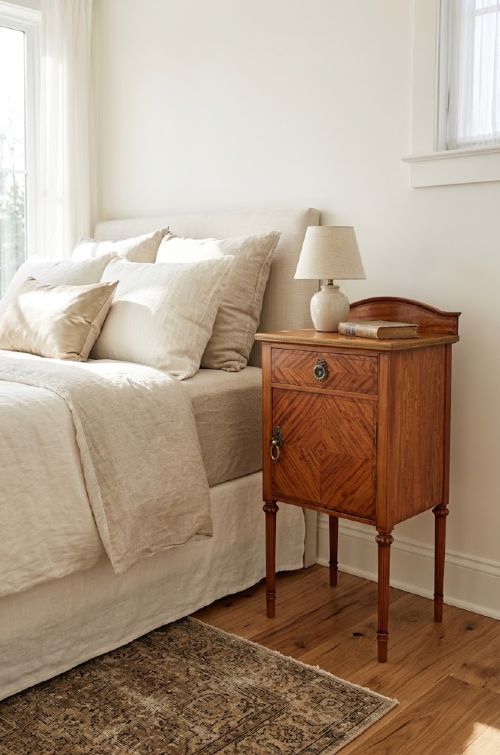
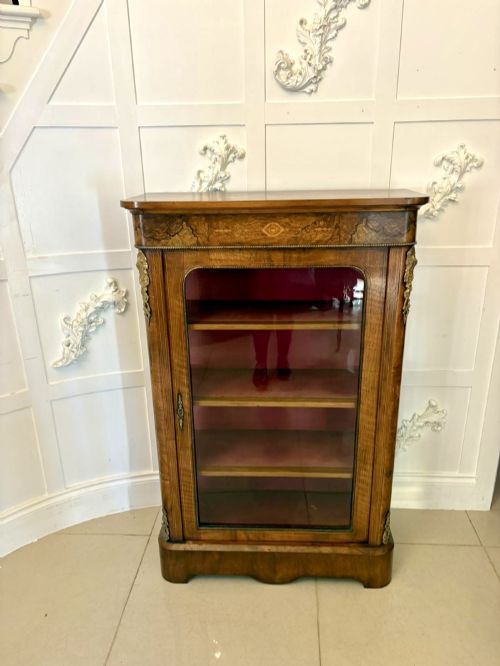
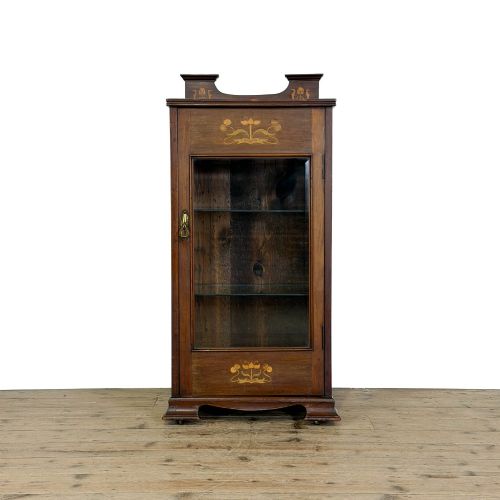
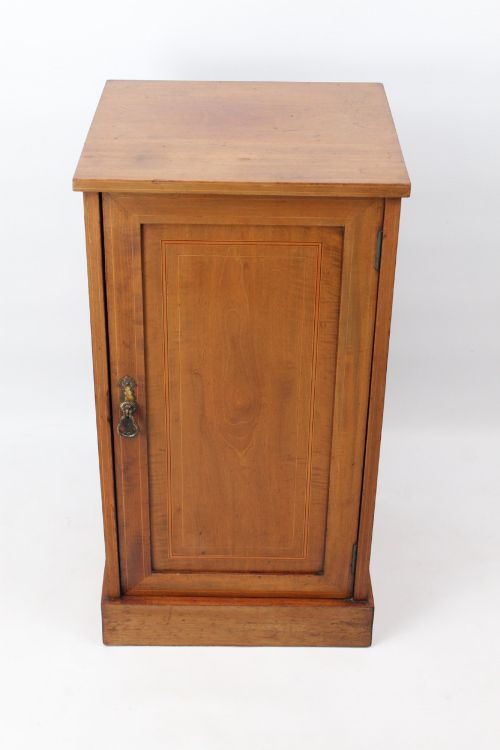
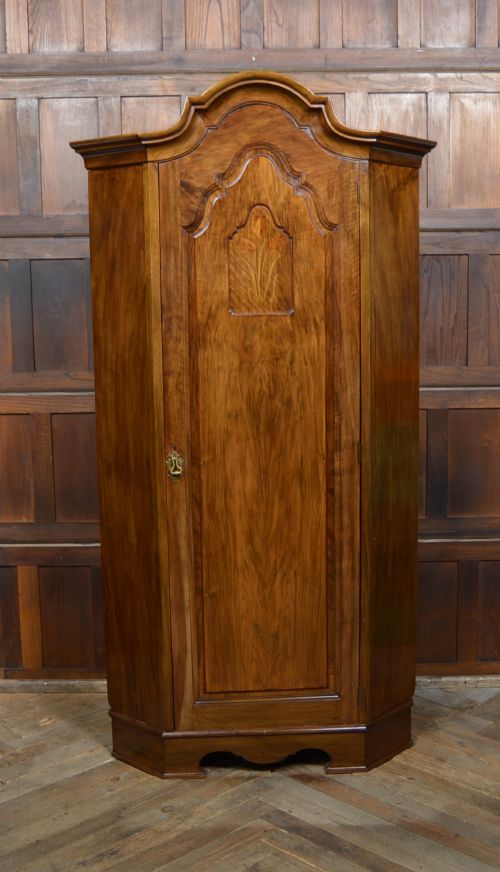
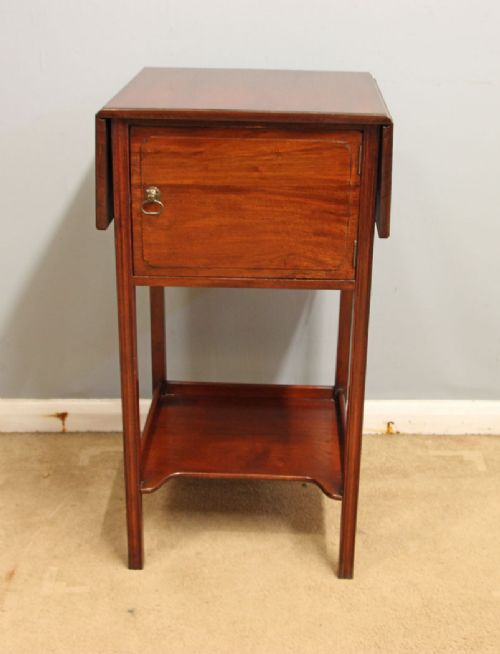
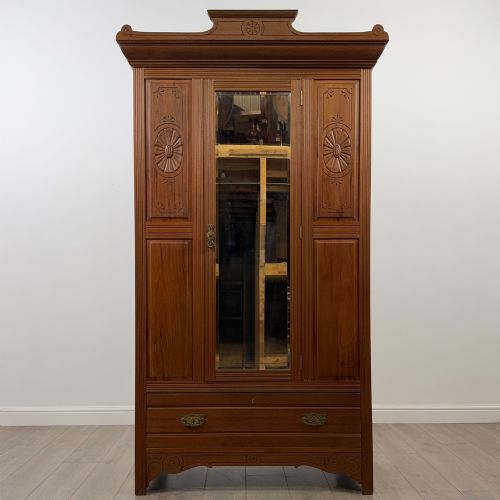
An edwardian single door cupboard encompasses a variety of compact single-door storage forms produced during the early twentieth century and surrounding periods. Bedside cabinets, nightstands, hall wardrobes and small display cabinets make up the majority of pieces encountered on this page.
The materials span oak, mahogany, walnut and satinwood, occasionally incorporating glass panels or brass fittings. While many date strictly to the Edwardian era, related examples stretch from the Victorian period through to the nineteen-thirties, reflecting diverse styles from Arts and Crafts to Sheraton Revival.
How they were made
Cabinetmakers constructed these cupboards using solid hardwoods like oak and mahogany, often applying veneers of walnut or satinwood to visible surfaces. Inlays in contrasting timbers provide decorative detail without altering the underlying frame structure.
Hardware such as brass hinges, handles and glass doors complete the construction, whilst wax finishes protect the timber and highlight natural grain patterns.
Some nineteenth-century pot cupboards retain internal shelves specifically designed to keep chamber pots out of sight.
What varies in quality
The standard of timber selection and complexity of inlay work largely determine the calibre of an individual piece. Fine examples demonstrate crisp carving, precise joinery and well-figured grain across primary and secondary woods.
Simpler utility pieces rely on straightforward construction in solid pine or plain oak, whereas refined cabinets display deliberate stylistic references to periods such as Georgian or Art Nouveau.
Heals·Simpson Halifax
The Edwardian Single Door Cupboard Glossary
- Bedside cabinet
- A small standalone cupboard designed to stand beside a bed, frequently featuring a single door and a single drawer. These items provide discrete storage for nighttime essentials.
- Satinwood
- A lustrous, fine-grained timber imported from tropical regions, used extensively for banding, stringing and decorative inlay work during the Edwardian period. It creates a bright contrast against darker woods like mahogany.
- Pier cabinet
- A slender display cabinet designed to fit against a narrow section of wall between windows. They typically incorporate glazed doors to showcase porcelain or books.
- Pot cupboard
- A traditional nineteenth-century term for a bedside cabinet that originally housed a chamber pot. They are built with a single panelled door and a compact enclosed interior.
- Arts and Crafts
- A design movement prioritising traditional craftsmanship and simple, honest construction over mass-produced ornamentation. Pieces from this style often feature exposed joinery and waxed oak surfaces.
Edwardian Single Door Cupboard: Frequently Asked Questions
What is an edwardian single door cupboard used for?
These versatile pieces serve multiple storage functions around the home, acting as bedside tables, hall cupboards or small bookcases depending on their internal configuration. Their compact footprint makes them suitable for smaller rooms requiring enclosed storage.
Historically, specific variations housed washbasins or chamber pots, though today they adapt easily to modern living spaces for holding books, linens or personal items.
How do I identify an edwardian piece?
Edwardian furniture generally dates from nineteen hundred to nineteen ten, exhibiting lighter proportions and brighter timber tones than heavier Victorian furniture. Common stylistic markers include satinwood inlay, satin finishes and influences from Sheraton Revival or Art Nouveau design.
Examination of the interior secondary woods, drawer construction and hardware often confirms the period of manufacture, distinguishing true Edwardian items from later reproductions.
Where should I place a bedside cabinet?
A bedside cabinet fits neatly beside a bed to hold a lamp, book or glass of water while concealing items behind its single door. Their modest dimensions also allow them to function as small side tables in hallways or sitting rooms.
Ensure the height of the cabinet aligns comfortably with the mattress level for practical daily use.
How do I care for polished mahogany and walnut?
Maintain polished hardwood surfaces by dusting regularly with a soft, dry cloth and occasionally applying a quality beeswax to nourish the timber. Avoid placing antique furniture in direct sunlight or near heat sources to prevent the wood from drying out or warping.
Careful handling of original brass fittings and glass panels ensures the longevity of these period items.