

Vintage Copper Cookware
Vintage copper cookware brings warmth and utility to the kitchen through centuries of hand-beaten metalwork.
Vintage Copper Cookware
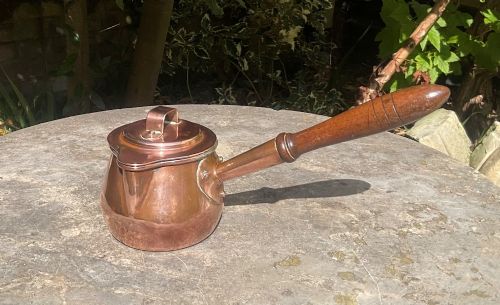
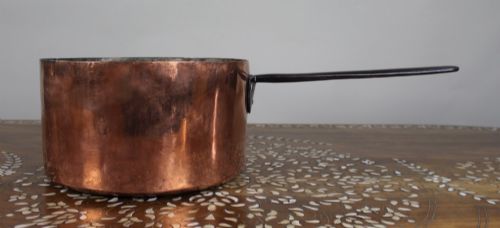
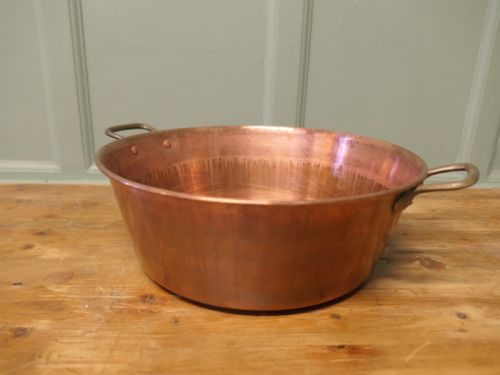
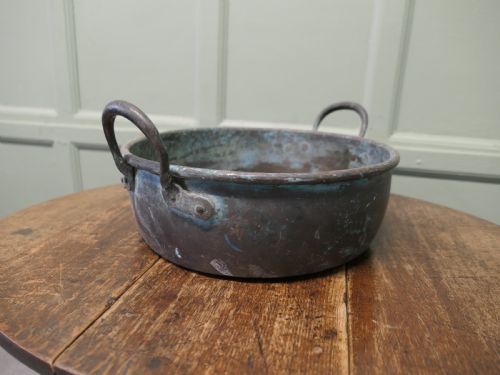
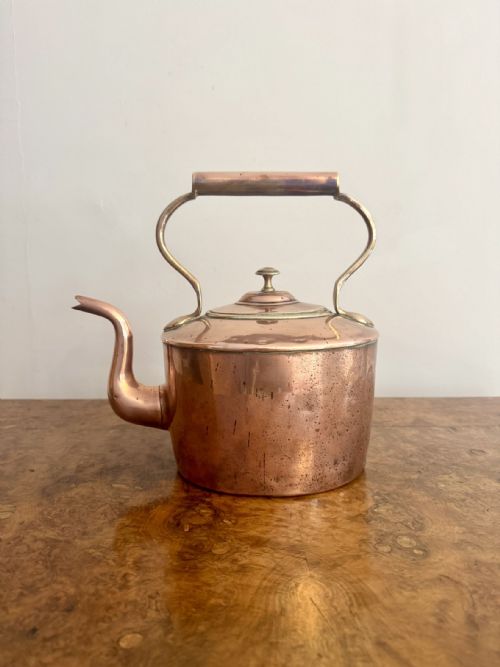
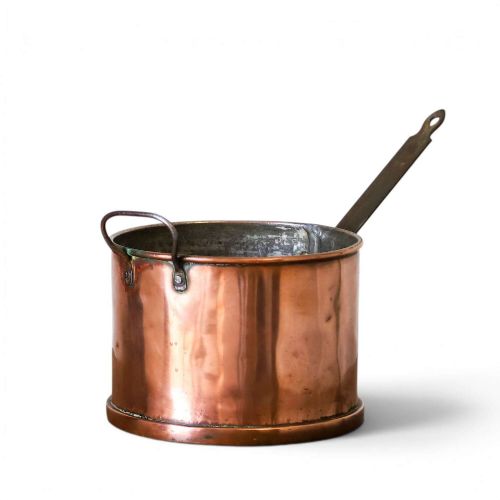
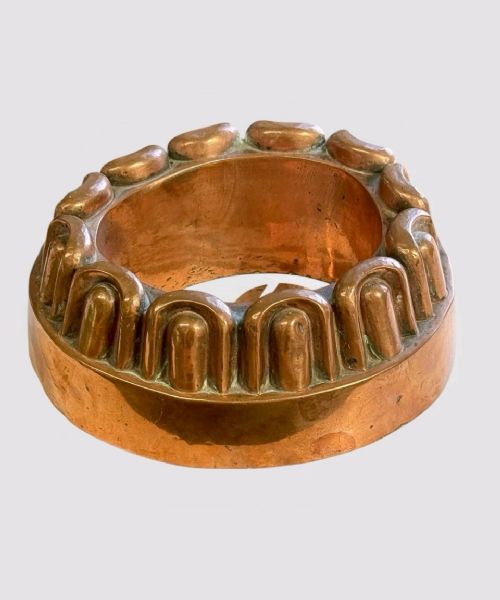
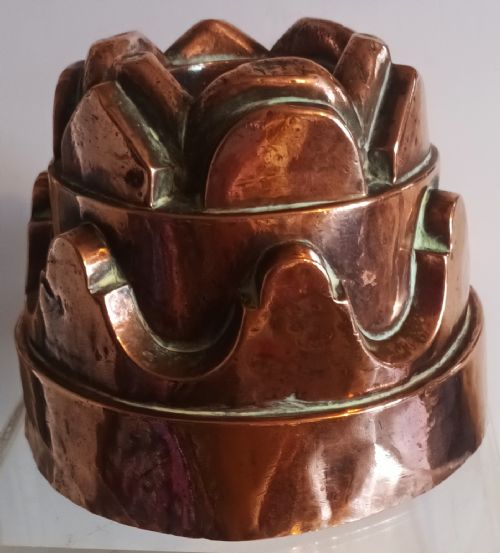
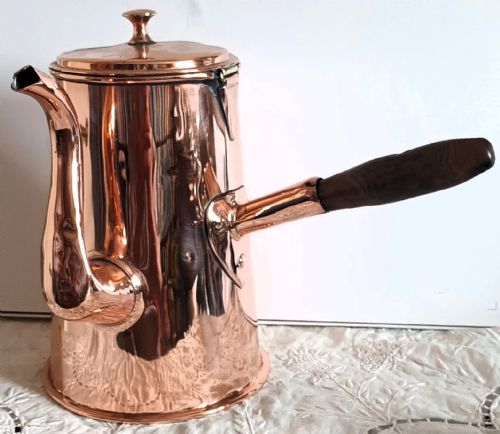
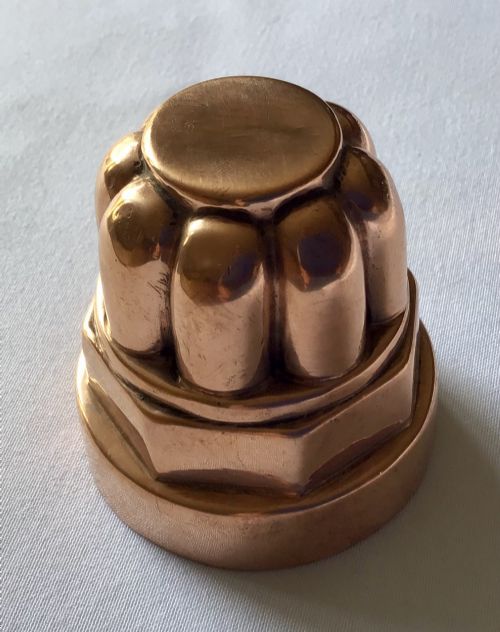
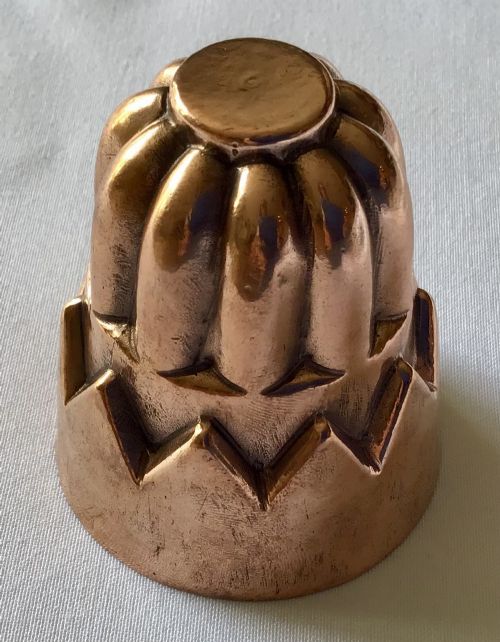
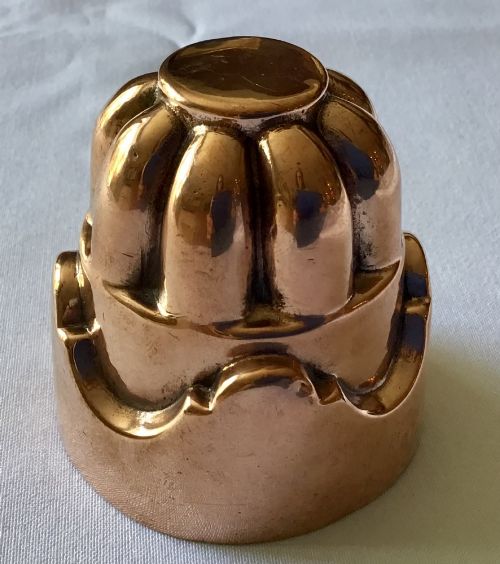
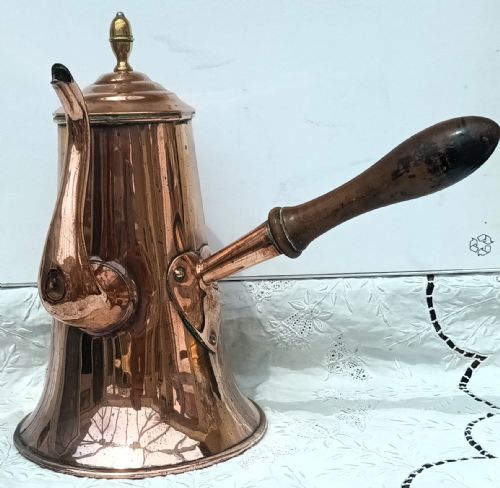
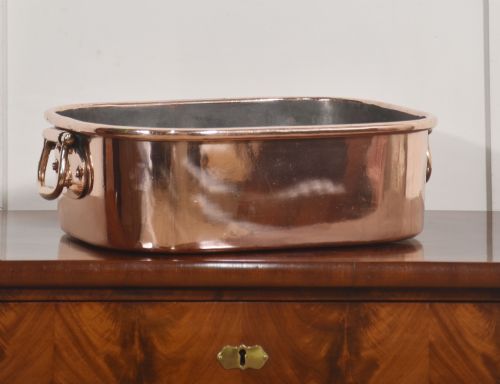
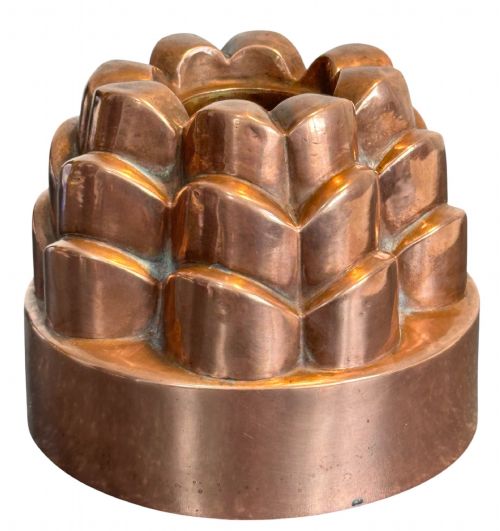
Vintage copper cookware encompasses domestic kitchen equipment forged primarily during the Georgian and Victorian eras. These items include heavy preserving pans, handled saucepans, kettles, and intricate jelly moulds.
Buyers seeking vintage copper cookware most frequently encounter sturdy saucepans and preserving vessels from the nineteenth century. These utilitarian kitchen pieces span English and French country styles, alongside decorative jelly moulds featuring castle tops.
How they were made
Craftsmen shaped these vessels from heavy gauge copper, frequently employing hand-beaten techniques to achieve structural rigidity. Iron, brass, and wrought iron fixtures were securely attached for handles and fittings.
Interior surfaces received a protective lining of tin to prevent direct contact between food and the reactive copper. External components often combined robust cast iron elements with warm wooden handles on specific pots and kettles.
Vintage Copper Cookware Retail Price Guide 2026
Typical asking prices for vintage copper cookware among the pieces listed under this phrase on Sellingantiques today, from the lower quarter to the upper quarter. They describe what is for sale here now, not the wider market.
Listings span the Georgian period through the 1930s, featuring copper, brass, iron, tin, and wood materials across various kitchenware forms.
What varies in quality
The calibre of these metal goods rests upon the thickness of the original copper sheet and the integrity of the hand-beaten construction. Heavier gauge vessels designed for serious kitchen deployment demonstrate superior durability compared to lighter decorative items.
The refinement of the surface hammering and the strength of the joints dictate the standing of individual pans and kettles. Maker attribution and the preservation of the interior tin lining also influence the desirability of surviving kitchenalia.
William Soutter & Sons·Hodges & Sons·Harrods·Nader
The Vintage Copper Cookware Glossary
- Preserving pan
- A large vessel with a wide brim designed for fruit jam and sugar boiling. These heavy pans allow rapid heat distribution across the base.
- Tin lining
- A protective interior coating applied to copper cookware to prevent metallic contamination of food. This layer requires periodic renewal through professional re-tinning.
- Hand-beaten
- A manufacturing method where metal is shaped manually using a hammer, leaving subtle surface indentations. This technique hardens the copper and adds individual character.
- Jelly mould
- A decorative kitchen container used to set aspics, custards, and jellies into complex shapes. Victorian examples often feature architectural motifs like castle tops.
- Bain marie
- A heated water bath used for gently cooking or warming delicate sauces. Table top versions keep food warm without scorching.
Vintage Copper Cookware: Frequently Asked Questions
Can I still cook with antique copper pans?
Many vintage copper pans remain entirely functional for modern food preparation provided the interior tin lining is intact.
Cooks should verify the condition of this protective layer before heating acidic ingredients.
How do I clean vintage copper cookware?
Traditional cleaning involves gentle non-abrasive polishes formulated specifically for copper surfaces. Harsh scrubbing removes the historic patina accumulated over the decades.
Regular wiping with a soft cloth maintains the natural warmth of the metal.
How do I date an old copper pan?
Dating relies on observing construction marks, handle attachments, and the hammer technique used on the body. Georgian and Victorian pieces show distinct dovetail seams and heavy gauge construction methods.
Maker marks stamped into the rim also provide specific chronological clues.
Why are some copper pans lined with tin?
Copper reacts negatively with acidic foods, which can cause toxic compounds to leach into meals. A bonded tin lining acts as a safe barrier between the ingredients and the reactive metal.
This traditional process has been standard practice in kitchenware production for centuries.