

Vintage Clothes Cupboard
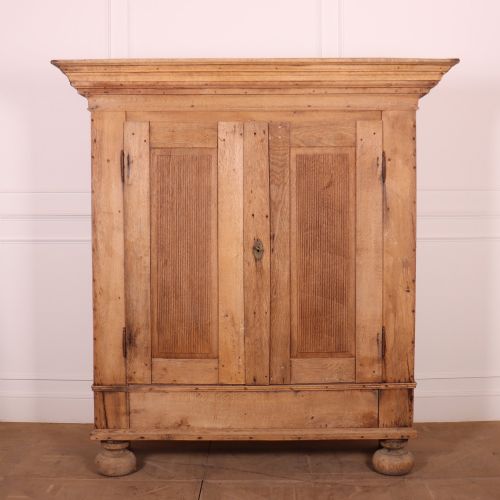
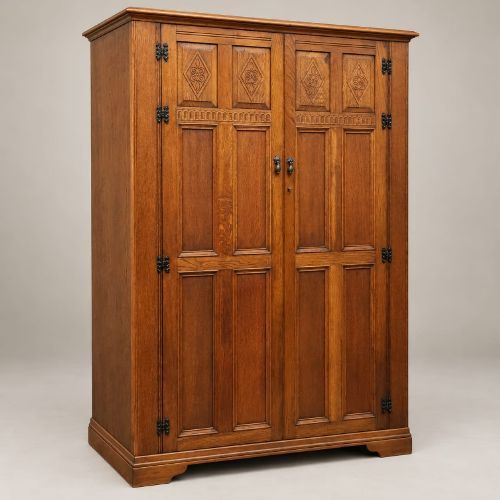
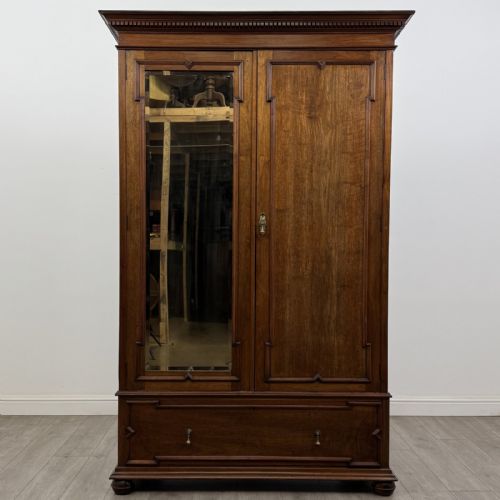
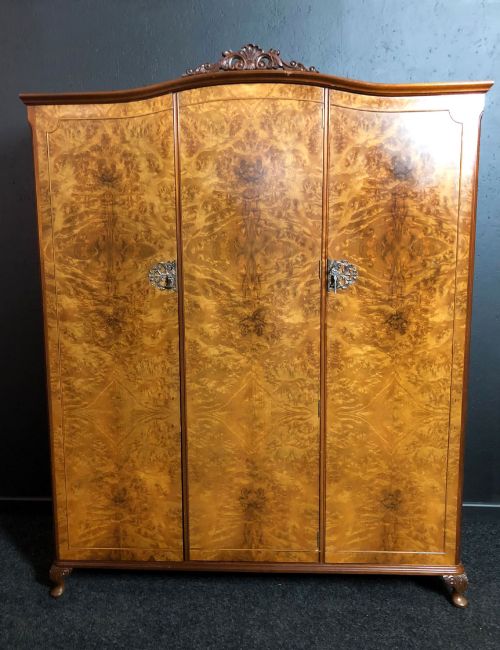
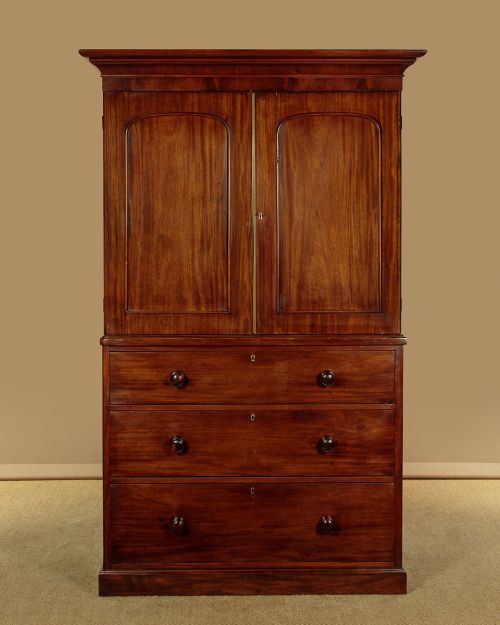
These vintage clothes cupboard designs range from Edwardian oak wardrobes to Georgian mahogany linen presses.

Vintage Clothes Cupboard
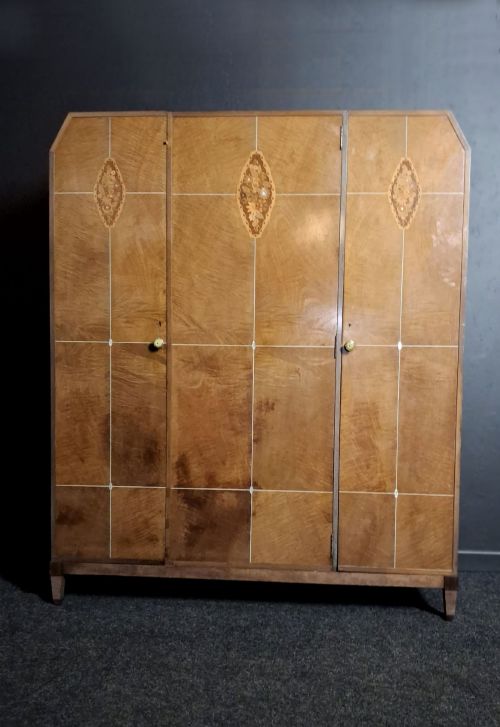
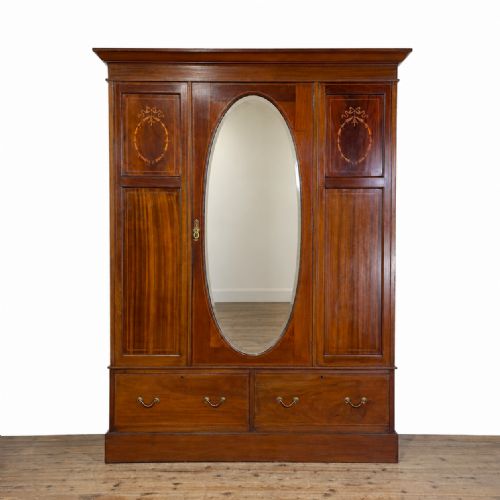
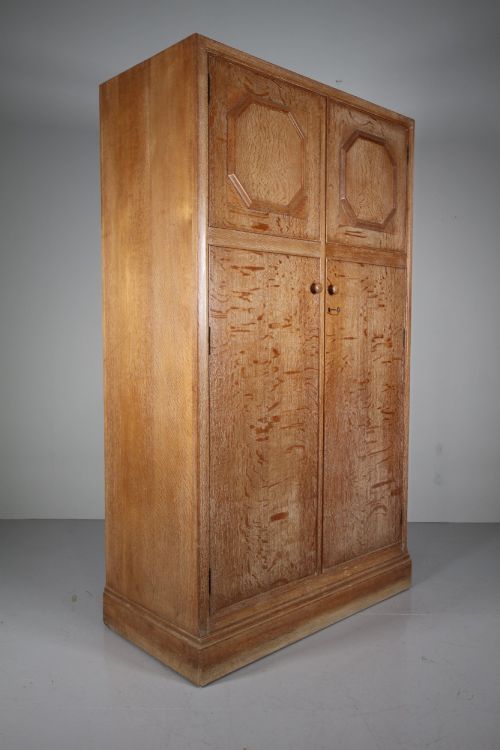
When buyers search for a vintage clothes cupboard, they encounter large storage furniture originating from the Georgian, Victorian, Edwardian, and Art Deco periods. The selection spans wardrobes, linen presses, armoires, compactums, and tallboys.
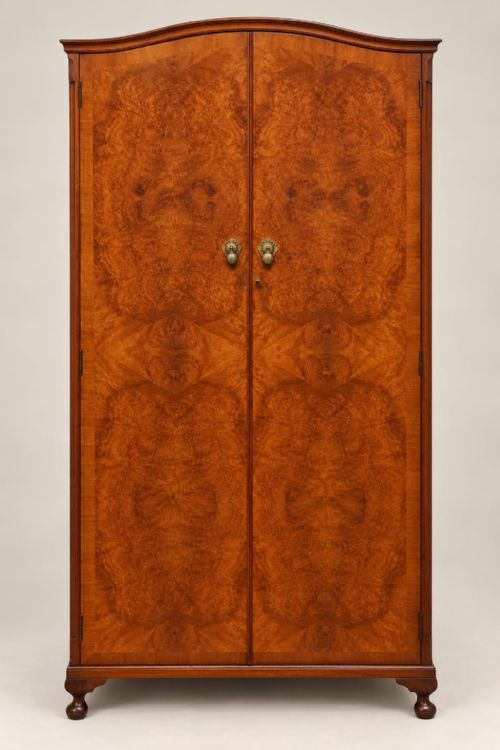
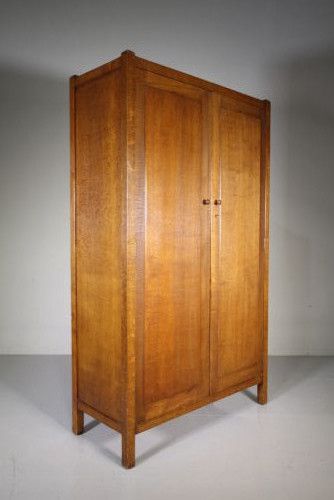
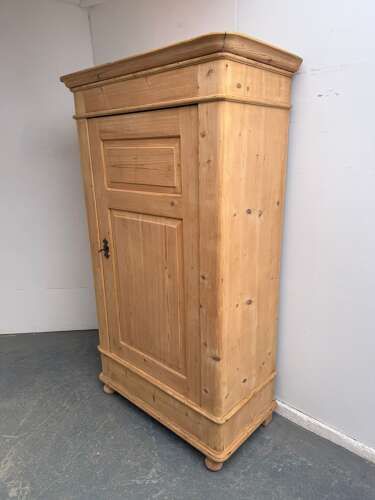
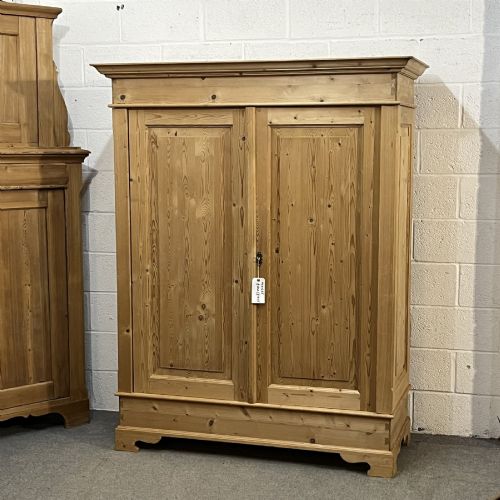
Oak, mahogany, walnut, and pine form the backbone of these pieces, alongside specialised variations in satinwood and burr walnut. Many examples incorporate mirrored doors, brass fittings, and internal drawers.
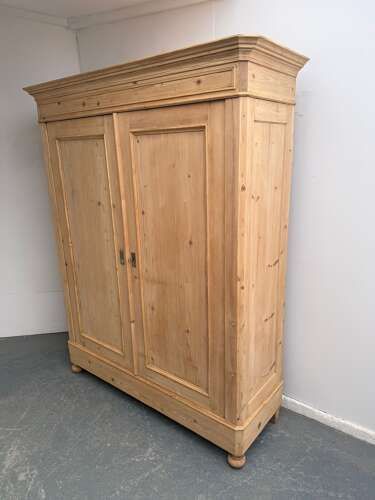
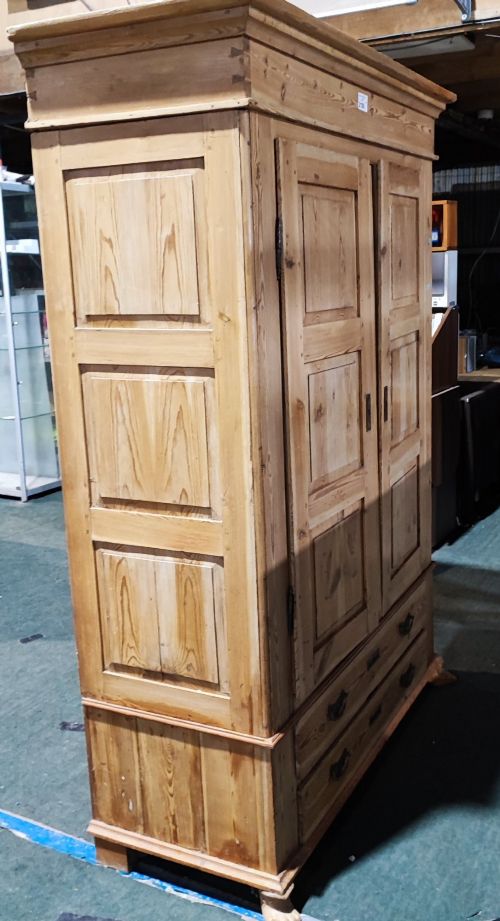
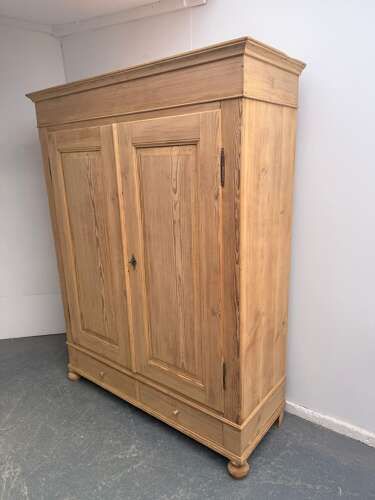
The assortment includes everything from small single wardrobes and childs wardrobes to massive triple wardrobes and knockdown pine pieces. French provincial and Chinoiserie styles also appear among the traditional English forms.
What Varies in Quality
Quality rests in the selection of timber and the precision of the cabinet work, particularly in figured veneers and inlaid satinwood. Pieces featuring complex blind fretwork cornices or original bevelled mirror glass sit higher in the range.
Internal configuration also dictates standard, with fitted compartments, multiple internal drawers, and sturdy brass fittings elevating a compactum or wardrobe above basic utilitarian storage.
Vintage Clothes Cupboard Retail Price Guide 2026
Typical asking prices for vintage clothes cupboard among the pieces listed under this phrase on Sellingantiques today, from the lower quarter to the upper quarter. They describe what is for sale here now, not the wider market.
Listings feature woods spanning oak, mahogany, walnut, pine, satinwood, and iron fittings across Georgian, Victorian, Edwardian, and Art Deco eras.
maples & co·Harris Lebus
The Vintage Clothes Cupboard Glossary
- Linen press
- A tall storage piece combining upper cupboard doors with lower drawers, originally intended for household linens before evolving into clothes storage. These frequently feature inlaid mahogany or burr walnut.
- Compactum
- A fitted wardrobe that includes specialised internal compartments such as drawers, shelves, and hanging space within a single unit. They appear in oak and walnut from the late Victorian and Edwardian eras.
- Scumble paintwork
- A decorative paint technique applied to mimic the grain of more expensive timbers like oak. This finish appears on 19th-century pine pieces.
- Blind fretwork
- Carved ornamentation applied to cornices and friezes without piercing through the wood to the background. It surfaces on formal mahogany pieces from the 19th century.
- Armoire
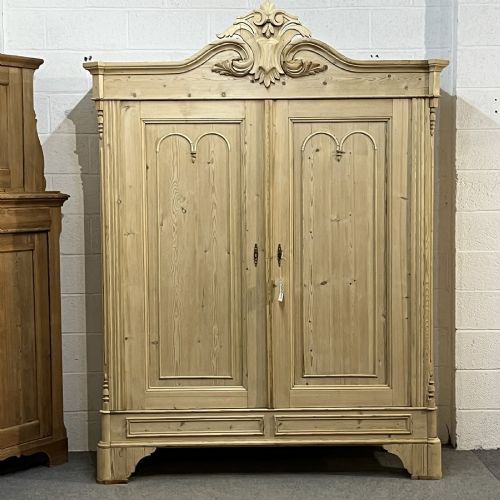
- A large freestanding cupboard with doors, often of French origin constructed in pine or walnut. These function as substantial wardrobe storage.
Vintage Clothes Cupboard: Frequently Asked Questions
What is a compactum wardrobe?
A compactum is a specialised multi-functional storage piece that combines hanging space, shelving, and internal drawers within one unit.
These pieces emerged during the late 19th and early 20th centuries in oak and walnut to maximise bedroom storage efficiency.
How do I use a linen press today?
Linen presses function effectively as modern bedroom wardrobes or hallway storage cabinets for folded clothes and bedding.
The deep lower drawers accommodate bulky items while the upper shelves hold linens or garments.
Are knockdown wardrobes easy to move?
Knockdown wardrobes were constructed with detachable parts and wedges so historical owners could dismantle them for transport between rooms or houses.
This clever engineering makes modern relocation significantly simpler than moving a solid, glued-up antique.
How do I distinguish Edwardian from Victorian pieces?
Victorian wardrobes often display darker, heavier timbers like figured walnut and mahogany with robust architectural cornices.
Edwardian examples frequently exhibit lighter oak, satinwood inlay, and mirrored doors reflecting changing interior tastes around the turn of the century.