

Vintage Chinoiserie Light
These vintage chinoiserie light designs bring hand-painted lacquer and converted ceramic vessels into domestic spaces.
Vintage Chinoiserie Light
A vintage chinoiserie light brings European interpretations of Asian decorative motifs into the home through decorative illumination. The selection relies heavily on table lamps and floor-standing standard lamps rather than ceiling fixtures.
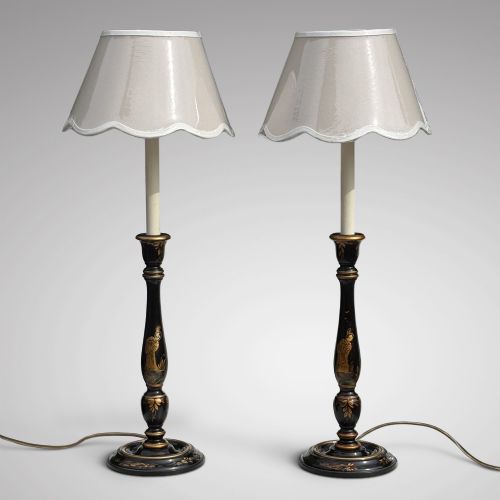
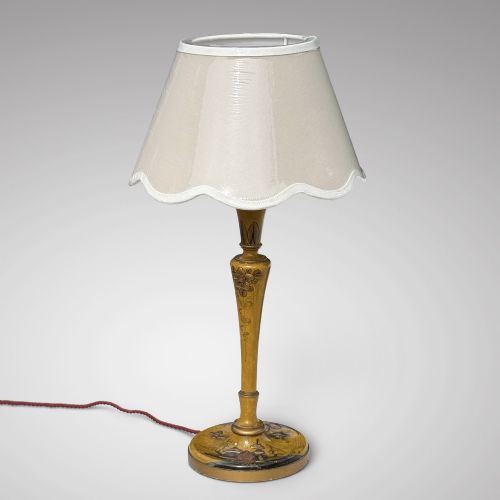
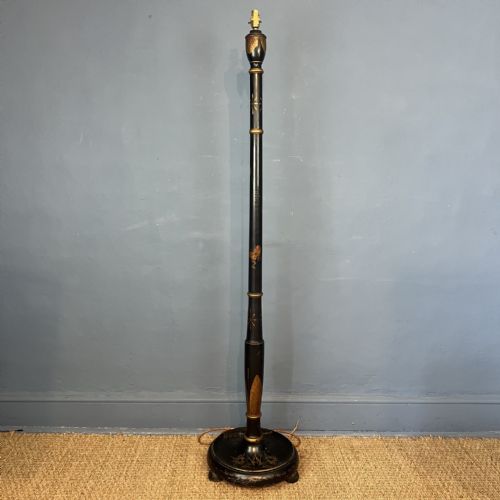
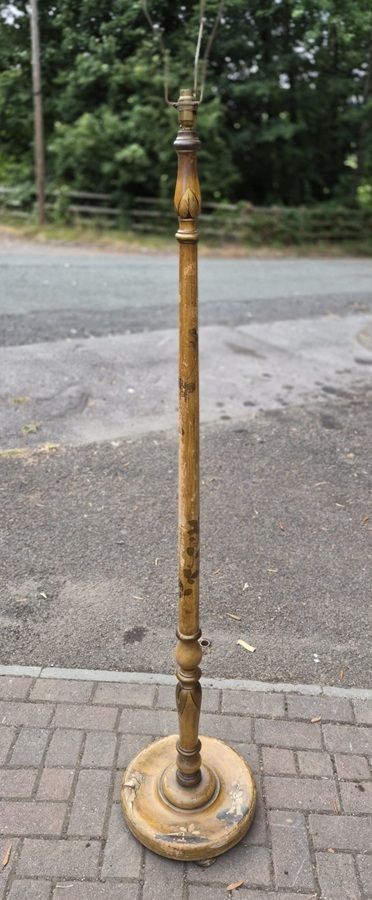
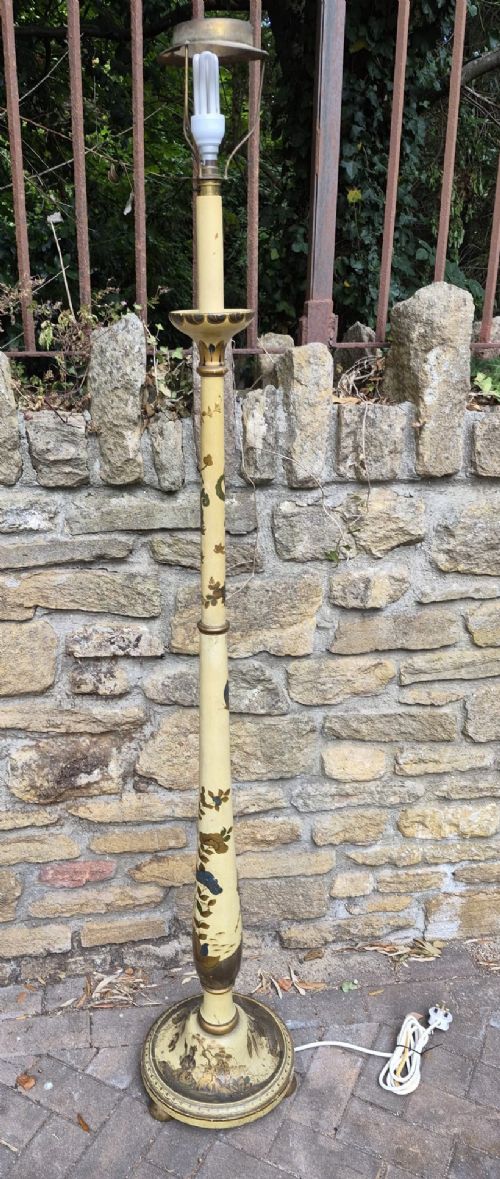
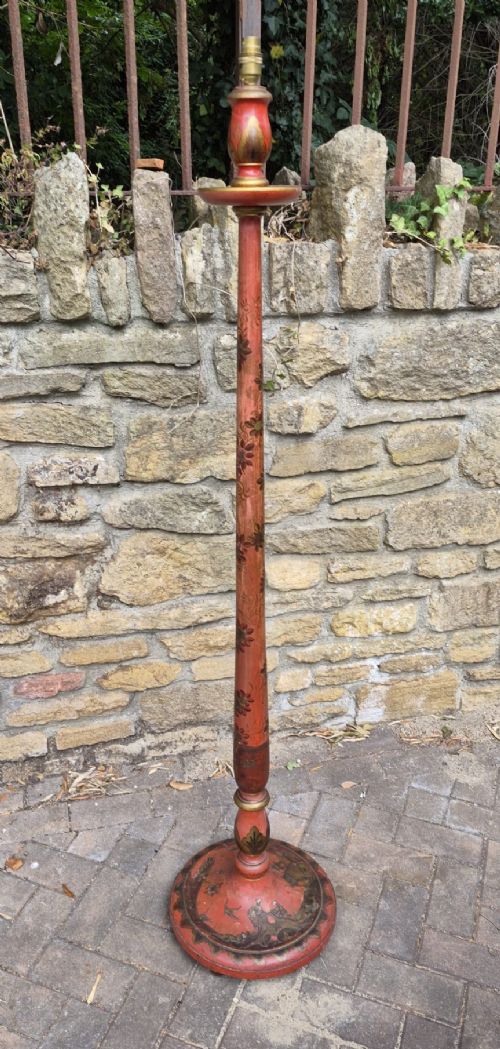
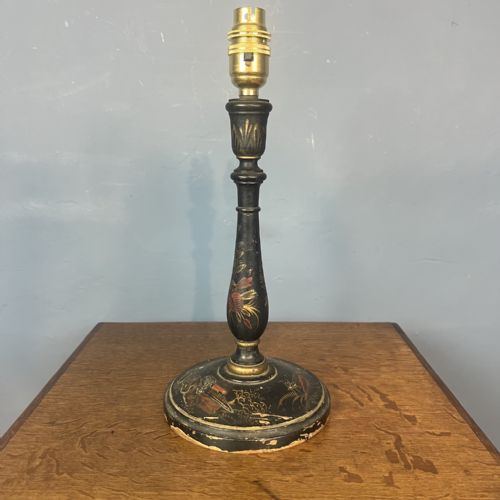
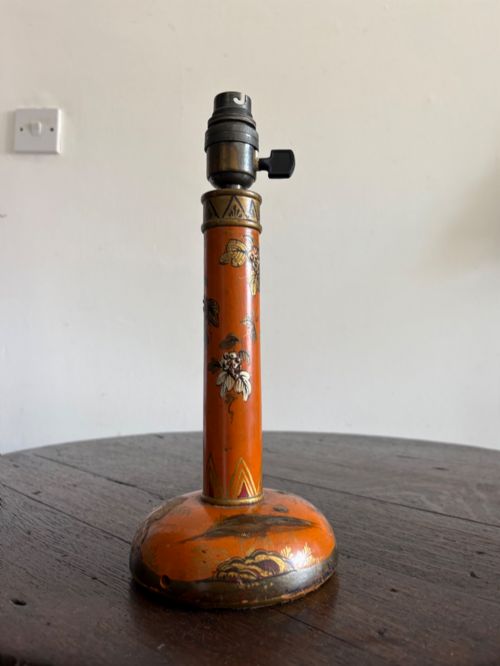
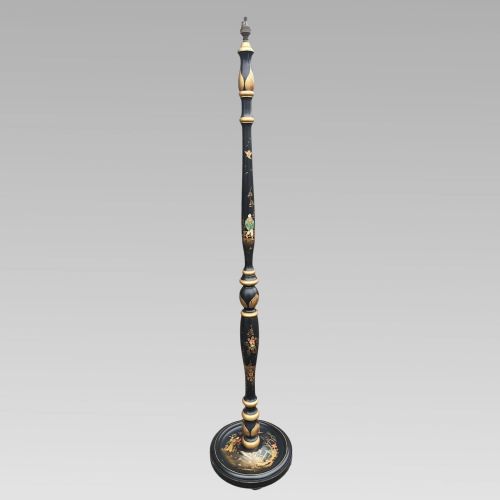
Most examples date from the Edwardian era, the nineteen-twenties, and the nineteen-thirties, though older converted ceramics appear regularly. Buyers encounter standard lamps in black, crimson, or ochre lacquer alongside table lamps fashioned from porcelain jars.
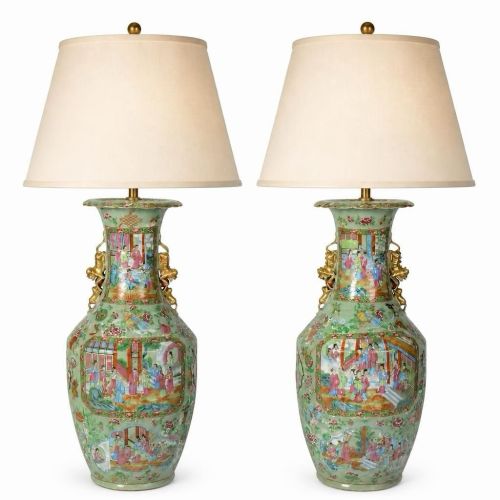
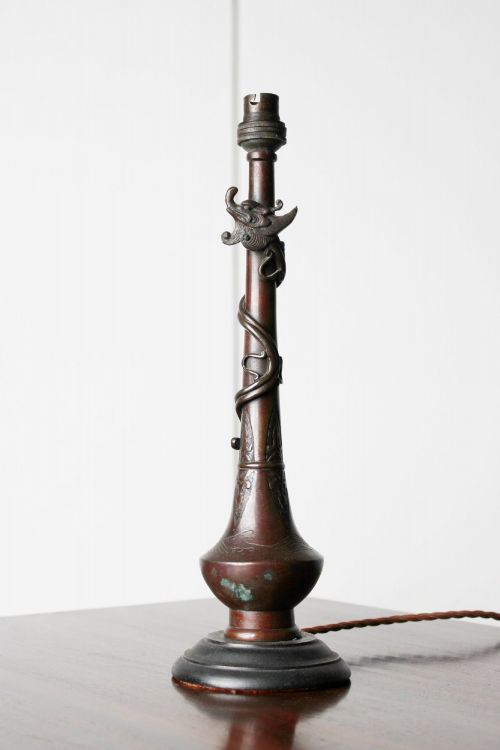
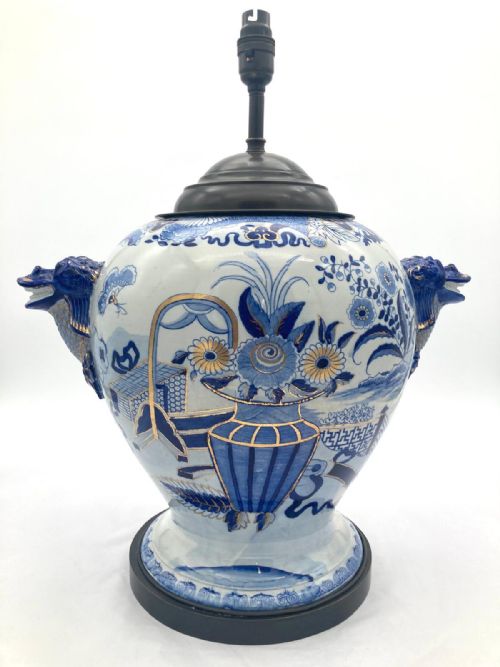
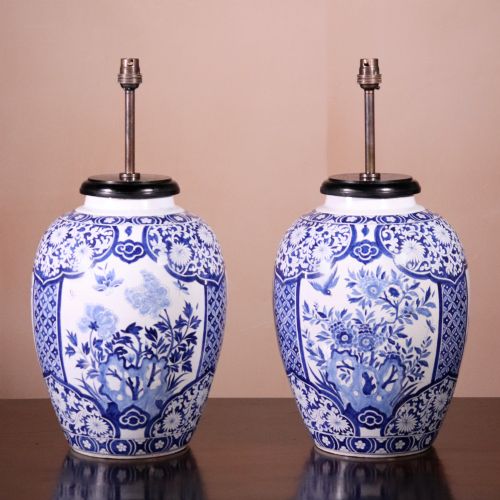
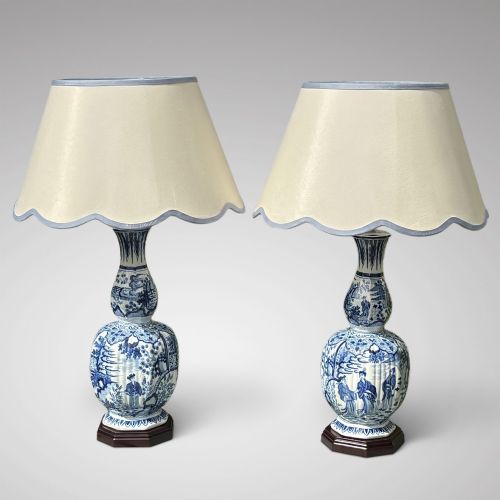
The objects combine domestic utility with decorative painting, often featuring hand-painted figures, landscapes, or floral motifs. Converted vessels such as ginger jars and tea canisters form a significant portion of the porcelain offerings.
Materials and construction methods
Makers utilised wood, brass, bronze, and ironstone as structural bases for these lamps. Wooden floor standards and table lamp bodies received multiple coats of lacquer to achieve smooth, glossy surfaces.
Surface decoration relies on hand-painted pigments applied directly over lacquered wood or ceramic bodies. Ceramic elements typically originate from earlier ginger jars, vases, or tea canisters subsequently adapted for electrical fittings.
Listings feature items from the eighteenth century through the nineteen-thirties, constructed from lacquered wood, porcelain, and bronze.
Judging quality and craftsmanship
Quality rests primarily on the execution of the hand-painted decoration and the depth of the lacquer finish. Superior examples display crisp brushwork and well-preserved surface layers without heavy crazing or flaking.
The physical substance of the base matters greatly, distinguishing solid turned wood or substantial bronze from lighter pressed metals. Original conversion methods and intact ceramic bodies also elevate the standing of individual pieces.
The Vintage Chinoiserie Light Glossary
- Chinoiserie
- European decorative style reflecting Chinese artistic influences. This aesthetic dominated furniture and decorative arts during various historic periods.
- Standard lamp
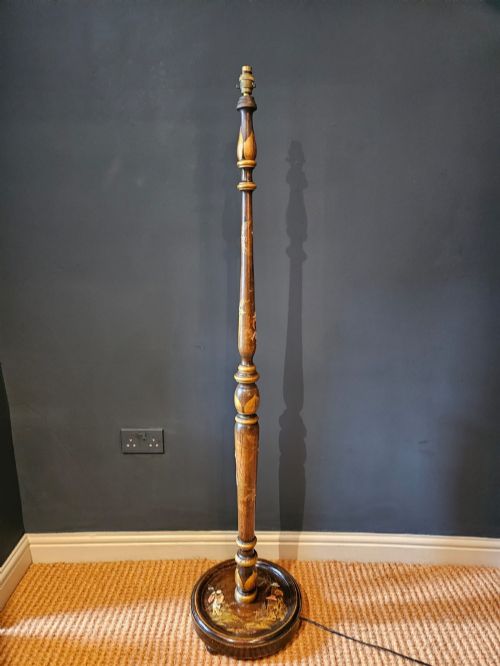
- A tall floor-standing lamp designed to illuminate a room from a corner or beside seating. These pieces often feature turned wooden shafts.
- Ginger jar
- A globular ceramic jar with a wide mouth, originally used for storage. Many examples are subsequently drilled and fitted as table lamps.
- Famille rose
- A ceramic palette notable for its opaque pink enamel colour. The technique originated in Chinese porcelain production.
- Cloisonne
- Enamelling technique where wires create compartments for coloured pastes. These vessels provide substantial weight when converted for lighting.
Vintage Chinoiserie Light: Frequently Asked Questions
What periods do these lamps come from?
The selection spans from the eighteenth century through to the nineteen-thirties. Edwardian and nineteen-twenties pieces dominate the inventory.
Earlier items generally consist of converted ceramic vessels rather than purpose-built electrical fixtures. These older pieces were adapted for modern wiring at later dates.
How do I identify a standard lamp?
A standard lamp is a tall floor-standing lighting fixture designed to stand beside furniture. They feature elevated lamp holders supported by timber shafts.
Many of these floor-standing examples incorporate lacquered finishes and hand-painted decoration. They contrast with smaller table lamps designed for placement on side tables.
Are these lamps converted from older items?
Many examples originate as decorative vessels rather than original lighting fixtures. Nineteenth-century vases, tea canisters, and ginger jars frequently form the bodies of these lamps.
These conversions utilise the original ceramic or metal bodies while updating the internal wiring for contemporary domestic use.
What materials are used for the bases?
Construction materials include lacquered wood, pressed brass, bronze, and ceramic porcelain. Wooden bases often display black, red, or ochre lacquer finishes.
Metal components appear in both cast bronze and pressed brass formats, particularly on floor standards and sconces.