



Cream Chinoiserie Lamp
These cream chinoiserie lamp examples bring hand-painted motifs and Asian ceramics into domestic rooms with considerable decorative presence.
Cream Chinoiserie Lamp
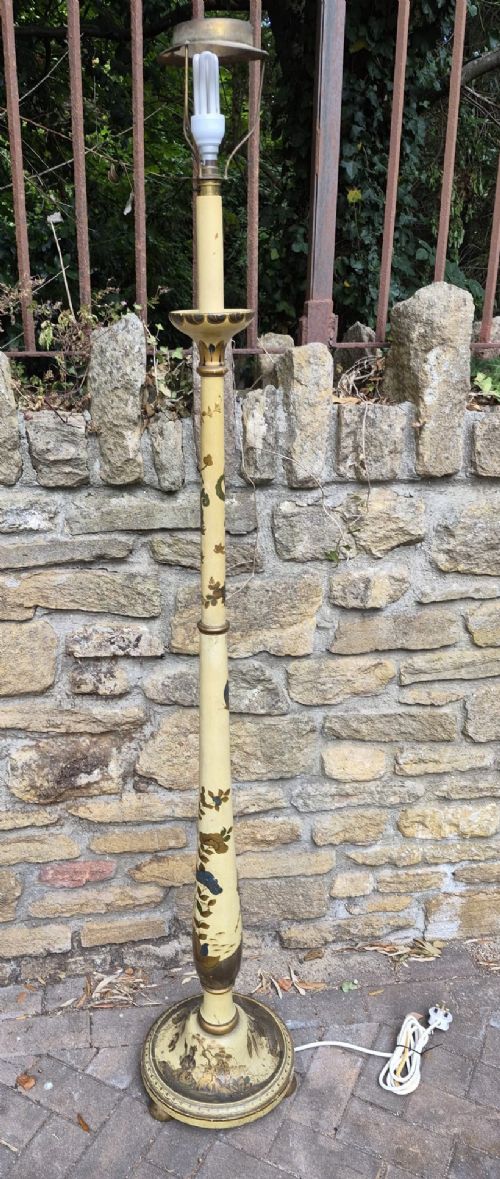
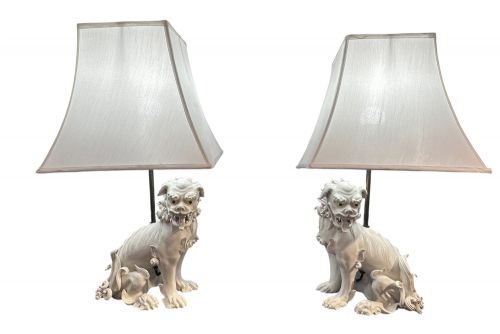
A cream chinoiserie lamp brings together painted decoration and Asian or European forms, often taking the shape of table lamps or standard lamps. The search phrase covers standard lamps from the Edwardian period alongside table lamps fashioned from converted vases.
You will frequently meet pieces utilising porcelain, crackleware, and painted wood, spanning from the 18th century to the 1930s. The selection includes standard floor models and smaller table lights adapted from older ceramic bodies.
Materials and Construction
Many table lamps start life as Chinese or Paris porcelain vases, later mounted with brass, ormolu, or gilt bronze to form a stable base for electrical wiring. Painted wood and papier-mache also appear in standard lamp bodies, finished with decorative hand-painted cream surfaces.
Makers often adapted blue and white, crackleware, or famille verte ceramics, drilling or mounting them with metal fittings without losing the integrity of the original vessel.
Several lamps quietly moonlight as former vases, having spent centuries holding flowers before a spark of electricity changed their career path.
Assessing Quality
Quality rests heavily on the harmony between the original vessel and its metal mounts, particularly when ormolu or gilt bronze is involved. Finer examples show precise chasing on the bronze mounts and careful handling of the ceramic body during conversion.
The hand-painted finish on wooden standards dictates the visual weight of the piece, with softer ageing and detailed brushwork marking out better examples from plain production.
The Cream Chinoiserie Lamp Glossary
- Chinoiserie
- European interpretation and imitation of Chinese and East Asian artistic traditions, prominent in decorative arts and furniture. It relies on whimsical motifs and painted scenes.
- Ormolu
- Finely ground high-carat gold mercury-gilded on to a copper alloy, used for mounts on decorative objects. This technique gives a rich, warm metallic lustre.
- Crackleware
- Pottery featuring a network of fine cracks in the glaze, intentionally created during the firing process. It adds texture and visual depth to ceramic lamp bases.
- Famille Verte
- A Chinese porcelain palette dominated by green enamel overglazes, popular during the Qing dynasty. This palette frequently decorates larger vases adapted into lamps.
- Torchere
- A tall stand or floor lamp designed to hold a light source, often taking a slender column form. These provide substantial height for lighting a corner.
Cream Chinoiserie Lamp: Frequently Asked Questions
What is a cream chinoiserie lamp?
A cream chinoiserie lamp is a lighting fixture featuring European decorative painting in a cream palette or an Asian ceramic body mounted for electric lighting. These pieces span from tall standard floor lamps to smaller table designs.
They combine historical craftsmanship with functional illumination, utilising materials like porcelain, brass, and painted wood. Each piece reflects European fascination with Asian art forms across various decades.
How do I date a cream chinoiserie lamp?
Dating relies on examining the base materials, wiring components, and the style of the ceramic or wooden body. Pieces range from the 18th century up to the 1930s, incorporating Edwardian and Art Deco influences.
Older examples often utilise converted vases from the 18th or 19th century mounted in ormolu, while standard lamps frequently date from the early 20th century. Comparing the mounting techniques helps narrow down the period of manufacture.
Are these lamps converted from old vases?
Many table lamps in this category are indeed created from older vases, including crackleware, Paris porcelain, and blue and white pieces. Artisans mount these vessels with brass or gilt bronze to accommodate lamp fittings.
This practice preserves historical ceramic forms by giving them a new domestic function. The conversion process varies from piece to piece depending on the original vessel's shape.
How do I style a standard lamp in a room?
A standard floor lamp works well in living spaces to provide ambient vertical light, often positioned beside seating areas. Their decorative painted columns or turned wooden shafts add height and character to a corner.
Pairing them with appropriate fabric shades completes the look, balancing the scale of the base against surrounding furniture. The neutral cream tones allow them to integrate easily into various interior schemes.