





Vintage Chinoiserie Coffee Table
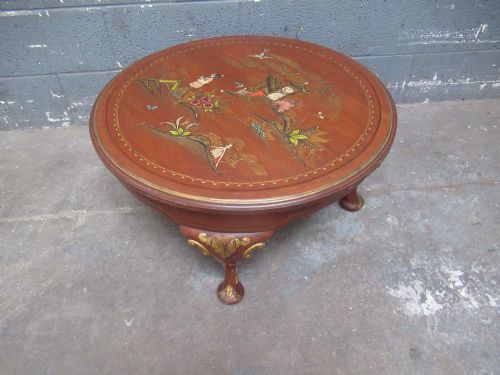
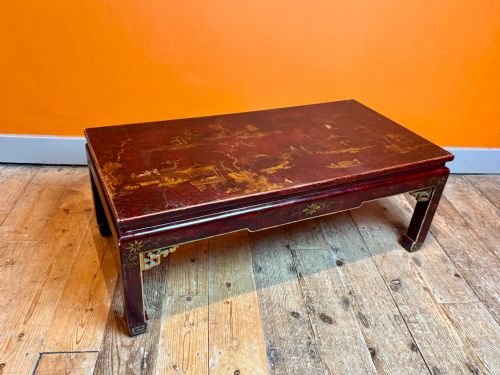
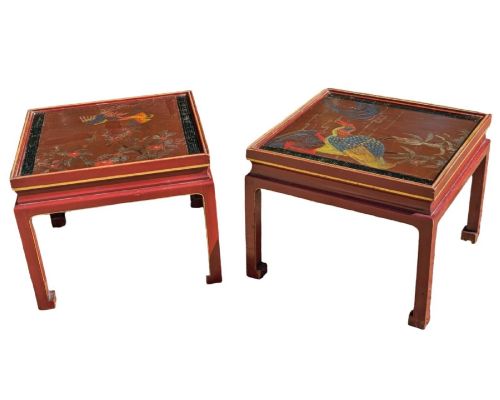
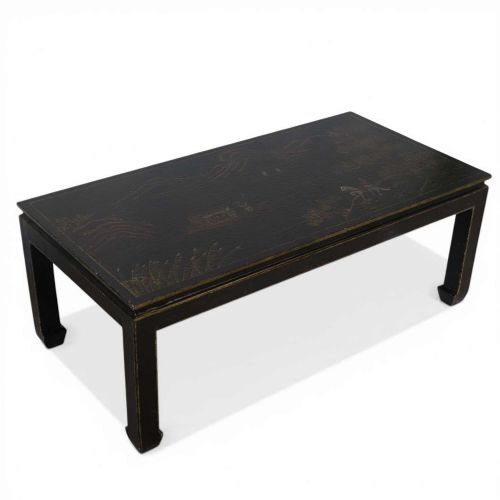
These vintage chinoiserie coffee table examples bring hand-painted lacquer and gilt detail directly into the sitting room.
Vintage Chinoiserie Coffee Table
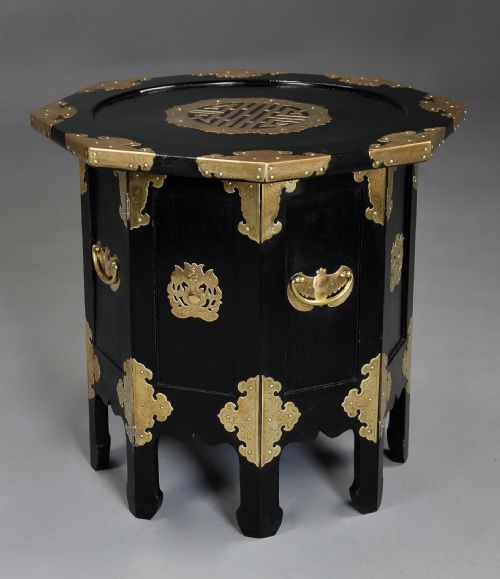
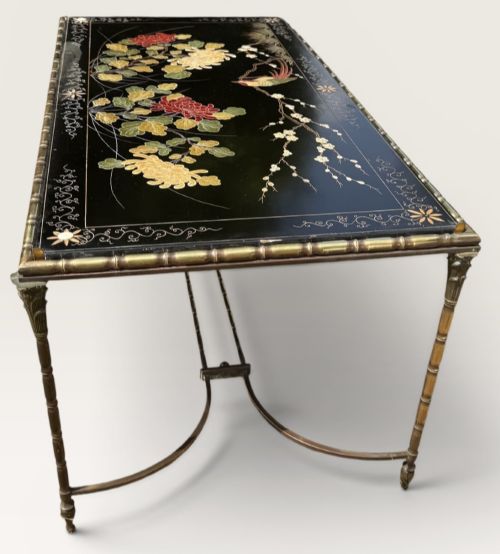
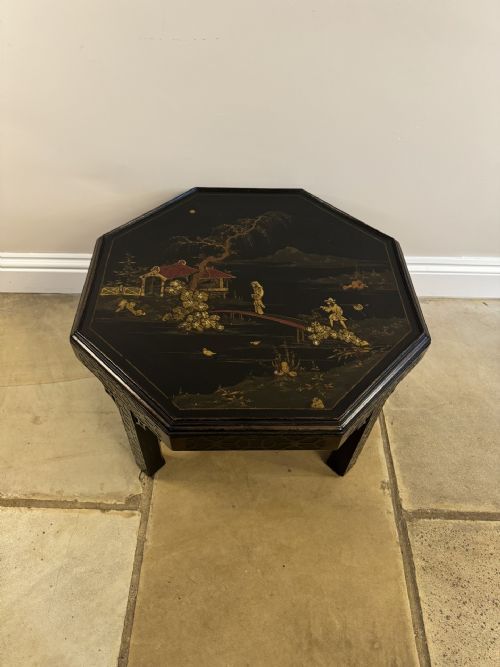
Makers drew on diverse decorative traditions, producing pieces labelled as Edwardian chinoiserie, Mid-Century French, and Hollywood Regency. Surfaces range from traditional black and red lacquer to ebonised wood adorned with gold leaf.
Round coffee tables, octagonal occasional tables, and low tables form the core of the available shapes. These formats adapt easily to modern rooms while retaining their historical decorative schemes.
How They Were Made
Wood serves as the primary substrate for these tables, often built from hardwood or framed with faux bamboo. Artisans applied layers of lacquer to the wooden base, creating a smooth ground for subsequent painting and gilding.
Gold leaf and coloured paint bring the illustrative scenes to life, depicting traditional motifs in raised relief detail. Brass mounts and hardware occasionally accent the corners and edges of tray tables and low tables.
Vintage Chinoiserie Coffee Table Retail Price Guide 2026
Typical asking prices for vintage chinoiserie coffee table among the pieces listed under this phrase on Sellingantiques today, from the lower quarter to the upper quarter. They describe what is for sale here now, not the wider market.
Listings feature pieces spanning from the nineteenth century through the 1930s, utilising lacquer, wood, gold leaf, and brass.
What Varies in Quality
The refinement of the painted scenes and the depth of the lacquer layers distinguish finer examples from simpler workshops. Artisans who invested time in multi-layered finishing and raised relief detail produced surfaces with greater visual resonance.
Structural integrity depends on the selection of hardwoods and the joinery used in nests of tables and tray stands. Pieces that retain their original brass fittings and undisturbed gilt decoration hold their character more completely.
Maison Bagues
The Vintage Chinoiserie Coffee Table Glossary
- Chinoiserie
- European artistic styles reflecting Chinese motifs and techniques. Artisans applied these decorative schemes to furniture throughout the nineteenth and twentieth centuries.
- Lacquer
- A durable resin finish applied in successive coats. This material provides the glossy dark ground typical of oriental and japanned low tables.
- Japanned
- European imitation of Japanese and Chinese lacquerwork. Craftsmen used this technique on English furniture to simulate Asian export pieces.
- Gilt
- Application of gold leaf or gold paint to surfaces. This finish highlights the painted scenes on coffee tables and occasional tables.
- Nest of Tables
- A set of graduated tables designed to fit one beneath another. These practical items appear frequently in lacquered finishes.
Vintage Chinoiserie Coffee Table: Frequently Asked Questions
How do I clean a lacquered coffee table?
Dust the surface regularly with a soft, dry cloth to prevent grit from scratching the delicate lacquer finish.
Avoid using harsh chemical polishes or water, which can damage the painted scenes and gold leaf over time.
Are these tables sturdy enough for daily use?
Most pieces are constructed from solid hardwoods designed to handle everyday placement of books and cups.
However, delicate tray tables and antique nests require gentle handling to protect their raised relief decoration.
What rooms suit a chinoiserie coffee table?
These tables anchor traditional sitting rooms and add unexpected pattern to modern minimalist interiors.
Pair a black and gilt low table with neutral seating to let the painted decoration stand out.
How do I date an antique lacquered table?
Examine the underlying wood construction, joinery methods, and the style of the painted motifs.
Nineteenth-century examples often feature heavier timber frames, whereas Edwardian and Mid-Century pieces display lighter proportions.