








Oriental Lacquer Coffee Table
An oriental lacquer coffee table brings painted narrative, rich gilt details and deep black or red surfaces into a modern interior.
Oriental Lacquer Coffee Table
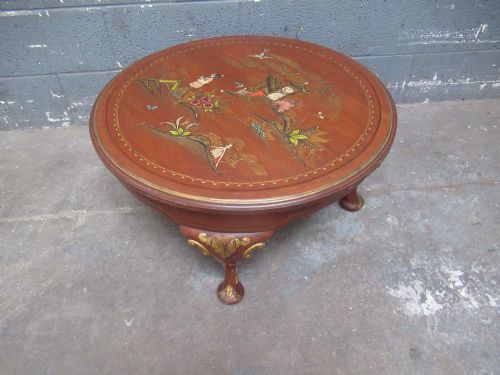
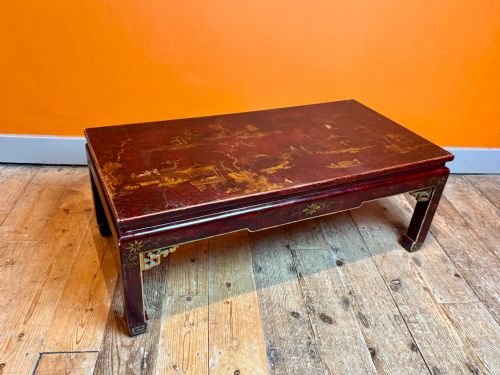
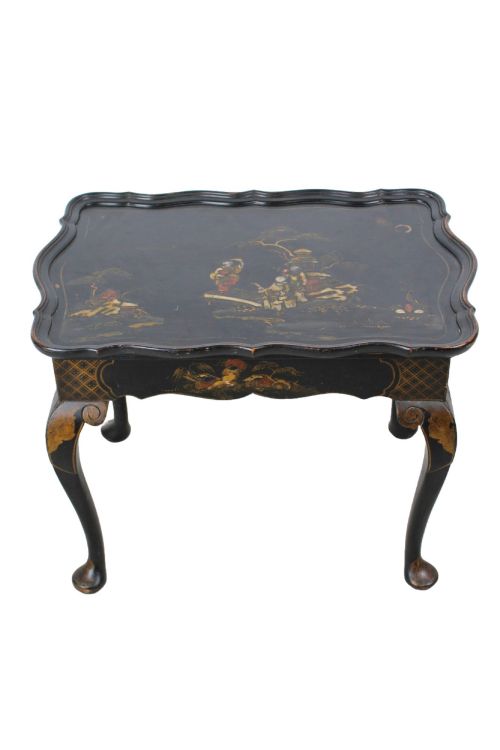
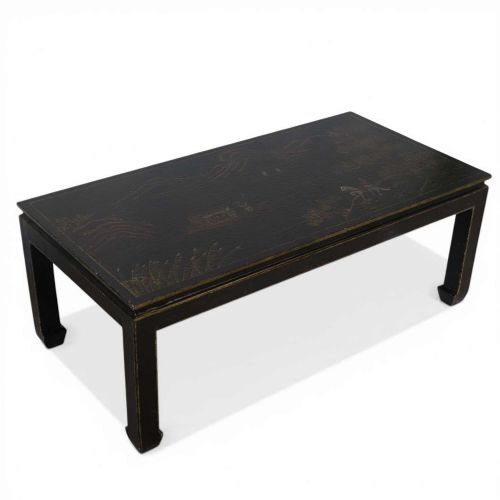
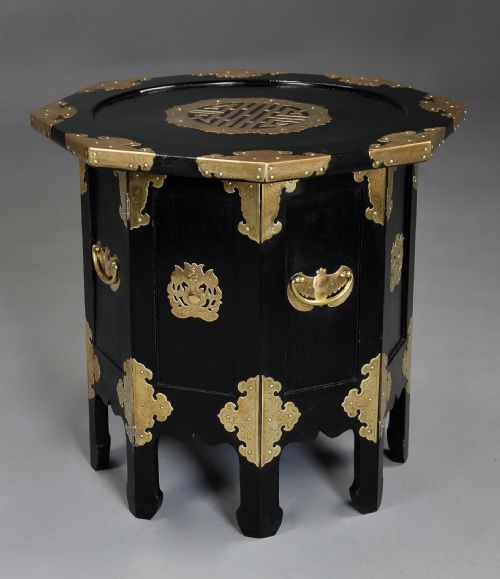
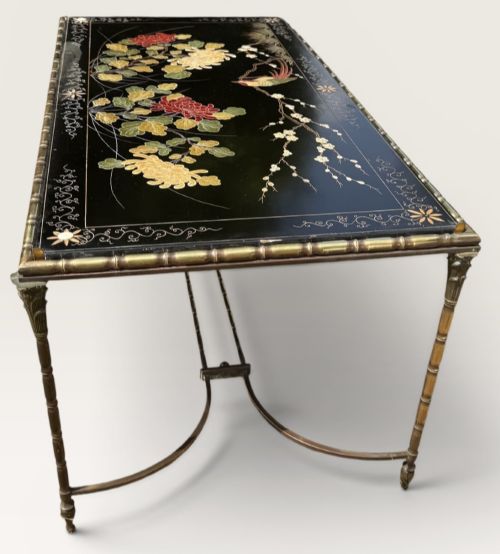
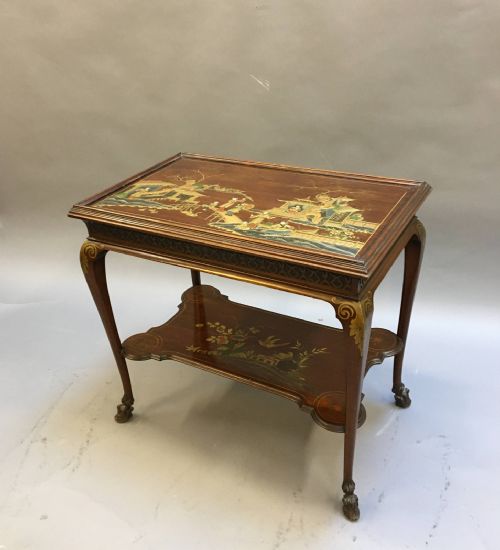
When you search for an oriental lacquer coffee table, you encounter low tables, nests of tables and adapted trays spanning from the Victorian era through the early twentieth century. These pieces display distinct influences ranging from traditional Chinese and Qing Dynasty designs to Edwardian Chinoiserie and Mid-Century French interpretations.
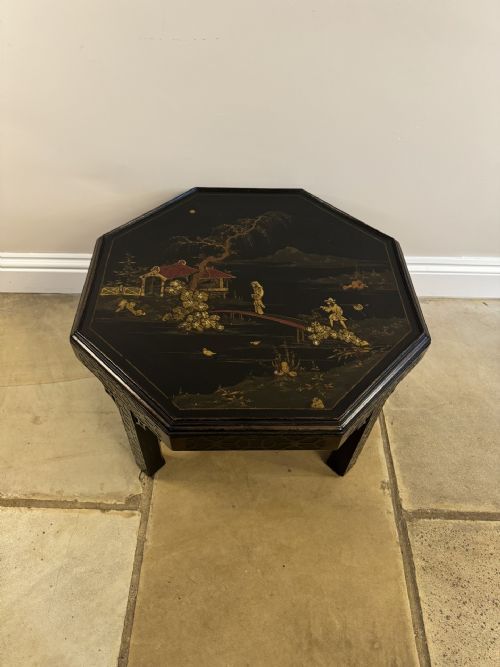
The version most commonly met on this page is the Chinoiserie low table or nest, finished in black or red lacquer with gold leaf motifs. Alongside these sit occasional tables and chests that serve a similar low-profile function in a room.
Originating across diverse workshops, these tables demonstrate how traditional Eastern decorative arts were adapted for Western drawing rooms during the nineteenth and twentieth centuries. Each form brings a specific proportion and surface texture to a seating area.
Materials and construction
Construction relies upon wood bases coated in multiple layers of lacquer, sometimes incorporating ebonised timber, elm or pig skin. Artisans built up these smooth grounds before applying decorative schemes.
Decoration is achieved through paint, gold leaf and gilt work, occasionally featuring raised relief detail or brass mounts. These surface treatments create the reflective, narrative panels characteristic of the style.
Oriental Lacquer Coffee Table Retail Price Guide 2026
Typical asking prices for oriental lacquer coffee table among the pieces listed under this phrase on Sellingantiques today, from the lower quarter to the upper quarter. They describe what is for sale here now, not the wider market.
Listings feature pieces spanning from the eighteenth century through the mid-twentieth century, utilising lacquer, wood, gold leaf and brass.
Defining quality in lacquer
Quality rests in the depth and preservation of the lacquer ground and the hand-painted detail. Tables with crisp, intricate pictorial scenes and stable layered surfaces stand apart from simpler decorative applications.
The integrity of the underlying woodwork and the finesse of the joinery dictate longevity. Pieces that retain their original gilt brightness and structural firmness without excessive surface crazing represent the upper tier of the range.
Maison Bagues
The Oriental Lacquer Coffee Table Glossary
- Chinoiserie
- European artistic interpretation of Chinese and East Asian stylistic motifs, popular across various periods. This style frequently employs black or red lacquer grounds decorated with gilt landscapes and figures.
- Japanned
- European imitation of Japanese and Asian lacquerwork applied to furniture. The technique involves layered varnishes and painted decoration.
- Lacquer
- A durable resin finish applied in multiple coats to wood surfaces and polished to a smooth sheen. It provides a protective and decorative barrier.
- Gilt
- Application of gold leaf or powdered gold onto a surface to create metallic highlights. It catches ambient light against dark lacquer fields.
- Nest of tables
- A set of graduated tables designed to fit neatly beneath one another when not in use. They offer flexible surface space in compact layouts.
Oriental Lacquer Coffee Table: Frequently Asked Questions
How do I style an oriental lacquer coffee table?
Pair a low lacquer table with understated modern seating to let the decorated surface act as a visual anchor in the room. Keep tabletop accessories minimal to preserve the visibility of the painted scenes.
Allow sufficient clearance around the table so the finish can be appreciated from different seating angles. Avoid placing them in direct, harsh sunlight to protect the lacquer over time.
Are these tables sturdy enough for daily use?
Most pieces are built from solid timber frames designed for functional household service as occasional or coffee tables. Their underlying construction handles standard daily living requirements.
Exercise care with moisture and heat by using coasters to protect the delicate lacquer surface. Treat the painted and gilt top with the same consideration given to fine antique wood furniture.
What is the difference between Chinoiserie and Japanese styles here?
Chinoiserie reflects European interpretations of Chinese motifs, typically featuring whimsical landscapes, pagodas and figures rendered in gold on dark backgrounds. These emerged strongly during the Victorian and Edwardian periods.
Japanese-influenced pieces often draw upon Meiji period aesthetics or specific low table forms such as the chabudai. The pictorial vocabulary tends to lean toward natural foliage and distinct regional joinery.
How do I clean and maintain lacquer surfaces?
Dust the surface regularly with a soft, dry microfibre cloth to prevent abrasive particles from settling on the finish. Avoid chemical sprays, wax polishes or damp cloths that might compromise the aged lacquer.
Address accidental spills immediately by blotting gently with a dry cloth. Maintaining a stable indoor humidity helps prevent the wood beneath from expanding and stressing the lacquer.