


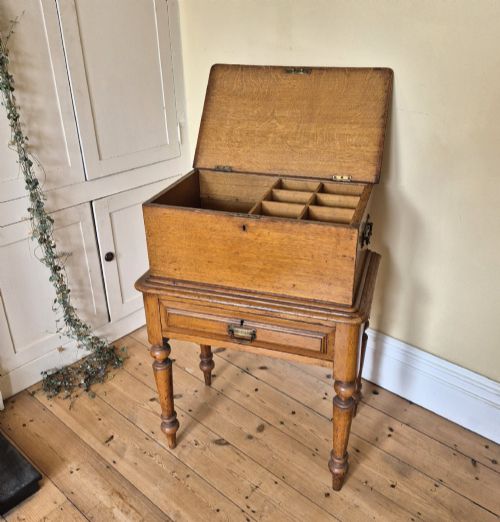
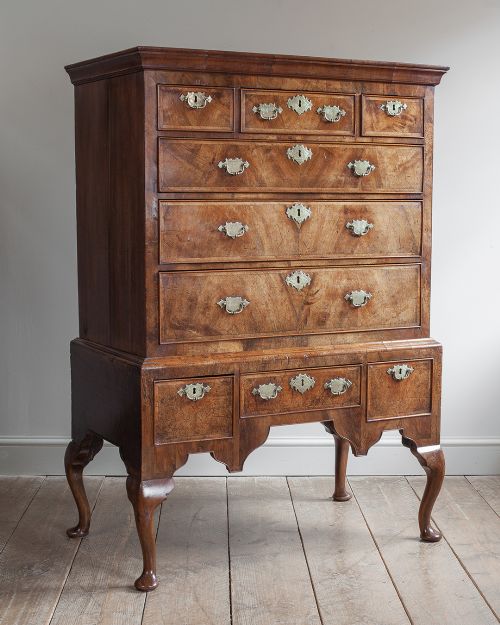
Vintage Chest on Stand
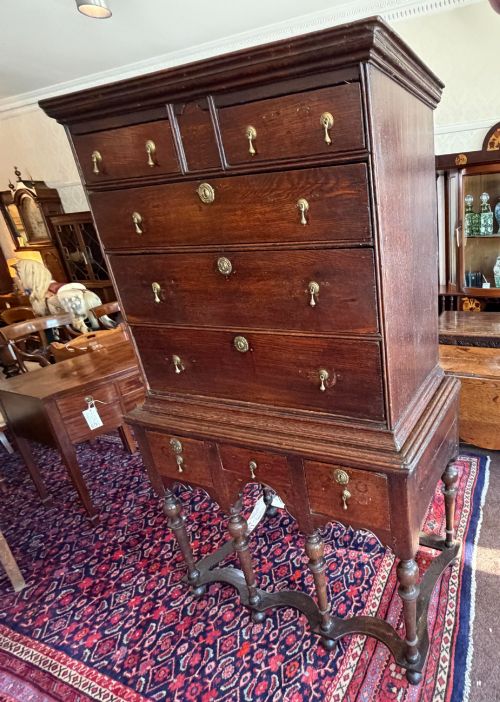
A vintage chest on stand is a stacked storage form combining a drawer section with a raised base, offering elevated proportions and distinct period character.
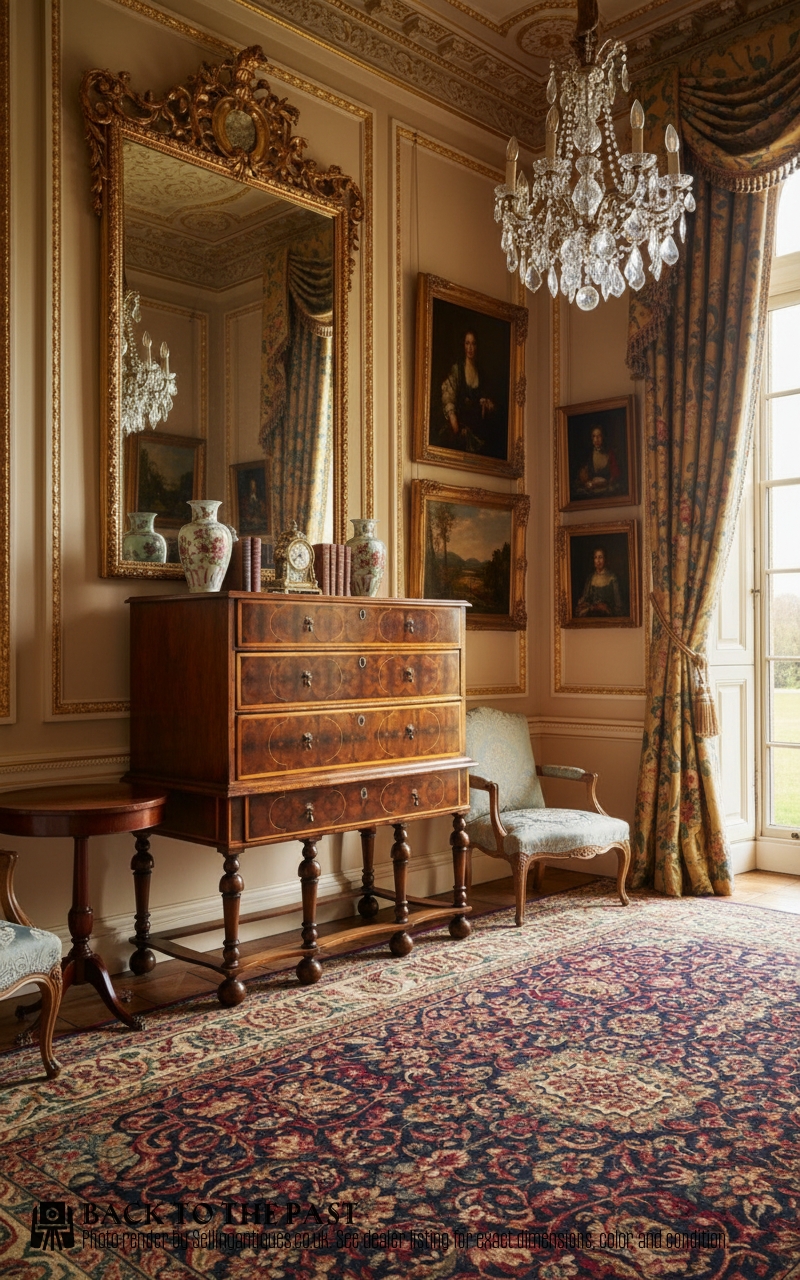
Vintage Chest on Stand
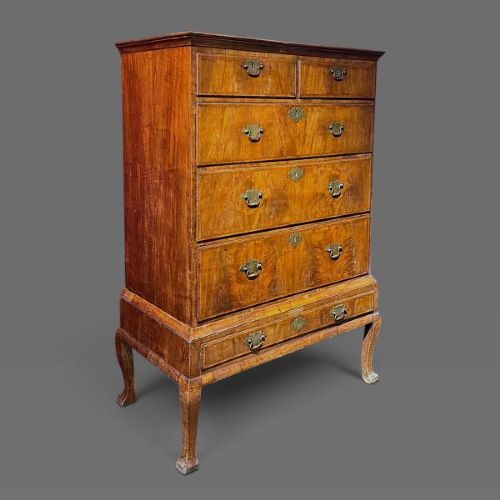
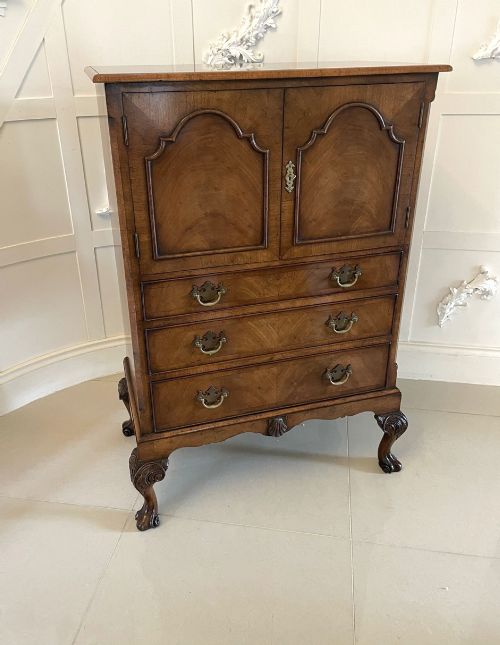
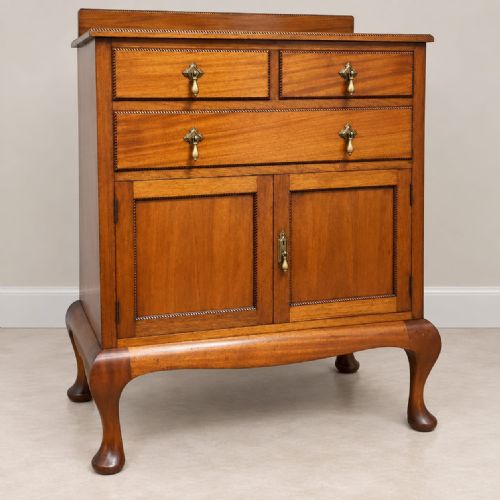
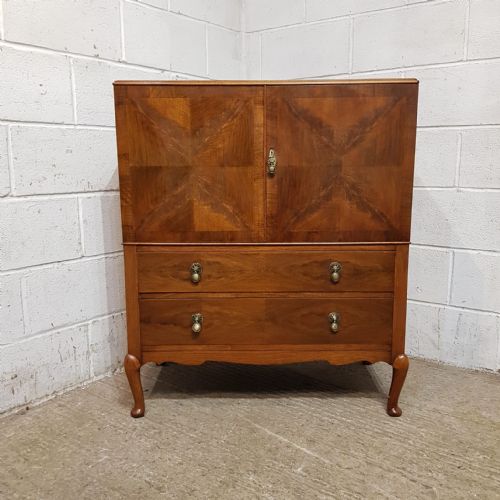
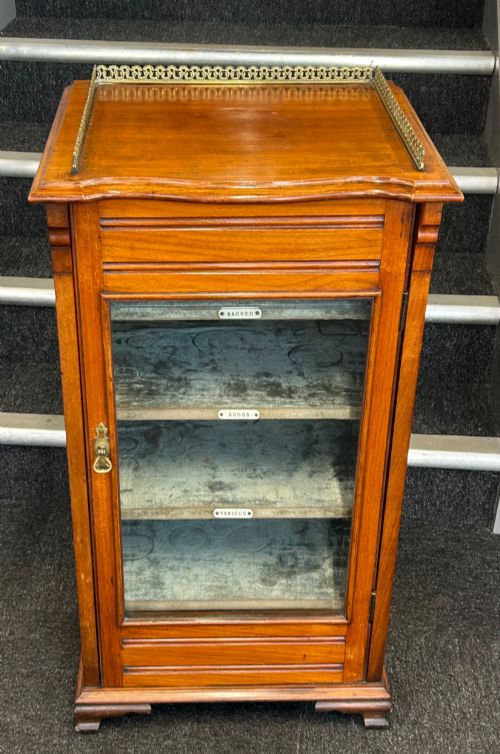
A vintage chest on stand brings together a main body of drawers or compartments mounted upon a separate or integrated elevated base frame. When hunting for a vintage chest on stand, buyers frequently encounter walnut and mahogany examples spanning the eighteenth century through to the early twentieth century.
The form developed to lift storage off damp floors and evolved through distinct stylistic revivals, particularly incorporating Queen Anne and Georgian design principles. Makers utilised figured timbers and brass hardware to define the facade of the upper section while keeping the supporting stand structurally restrained.
Materials and construction
Cabinetmakers constructed these pieces primarily using dense hardwoods such as mahogany, oak, and walnut, often applying burr walnut veneers to display intricate grain patterns across the drawer fronts. Joinery relied on traditional dovetailing for the drawer boxes and mortise and tenon joints for the supporting stands.
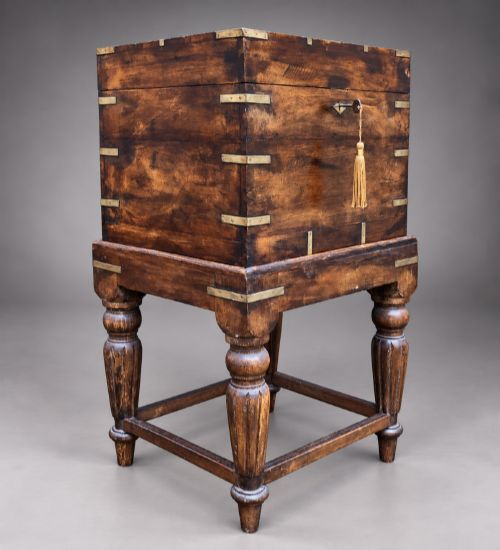
Metal components such as brass drop handles, key escutcheons, and hinges were cast and fitted by hand to complement the polished timber surfaces. Stands were built either as independent frames with legs joined by stretchers or as lower box sections designed to bear the weight of the upper chest.
Listings feature oak, walnut, and mahogany examples spanning the Georgian era through to the Edwardian period and the early twentieth century.
Defining factors of quality
Quality rests heavily on the selection and matching of timber veneers, where superior examples exhibit continuous grain flow across multiple drawers. The crispness of hand-cut dovetails and the integration of original brass hardware further separate standard production from finer cabinetwork.
Proportion and structural integrity dictate the standing of a piece, ensuring the lower stand visually balances the mass of the upper chest without sagging or timber distortion over time.
The Vintage Chest on Stand Glossary
- Chest on stand
- A two-part furniture form comprising an upper chest of drawers supported by an open or enclosed base with legs.
- Burr walnut
- A prized timber veneer sliced from walnut tree growths, yielding intricate swirling patterns used on high-grade cabinet doors and drawer fronts.
- Queen Anne style
- A decorative aesthetic characterised by cabriole legs, pad feet, and graceful curved lines popular during the early eighteenth century and later revived.
- Tallboy
- A tall chest of drawers, often built in two stacked sections, providing substantial vertical storage capacity.
- Cellarette
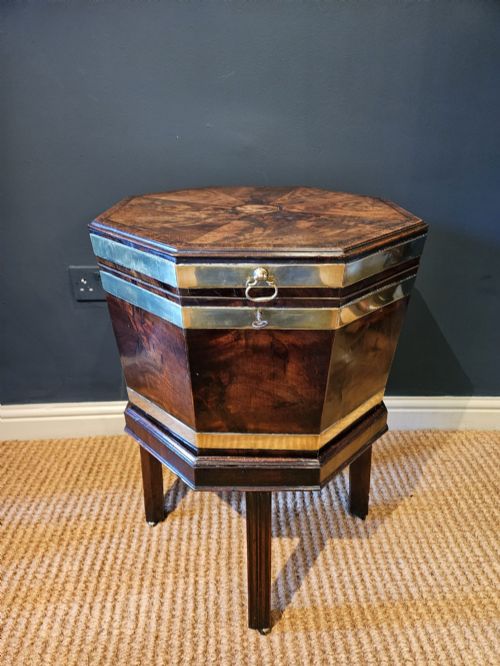
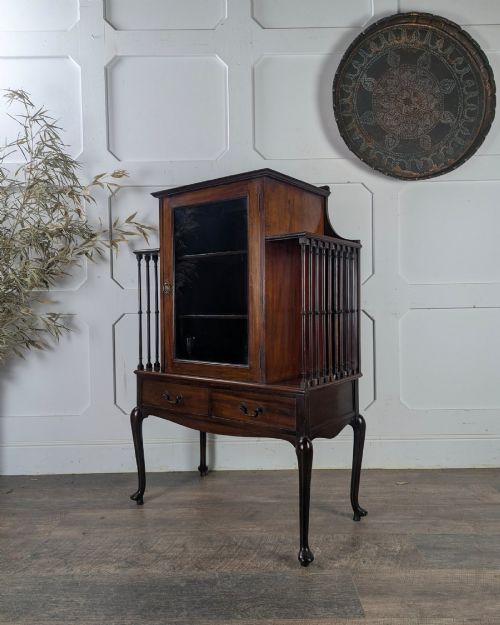
- A fitted cabinet or box designed to hold wine bottles and decanters, frequently mounted upon its own stand.
Vintage Chest on Stand: Frequently Asked Questions
What is a chest on stand?
A chest on stand is a dual-component furniture item featuring a drawer unit elevated on a separate framework or legs. This design elevates the storage compartment for easier access and distinct aesthetic balance.
Historically, this configuration protected contents from ground-level moisture and allowed artisans to incorporate refined leg styles beneath utilitarian storage chests.
How do I date an antique chest on stand?
Dating relies on examining construction methods, timber choices, and hardware styles. Hand-cut dovetails, secondary woods like pine or oak linings, and original brasses provide key chronological clues.
Stylistic markers such as cabriole legs point toward eighteenth-century origins or early twentieth-century revivals, requiring close inspection of timber oxidation and wear.
Where should I place a chest on stand at home?
These pieces suit entrance halls, living rooms, or bedrooms where their vertical proportions utilise wall space efficiently without dominating the floor area. Their elevated profile maintains an open feeling in smaller rooms.
Position them away from direct heat sources and strong sunlight to protect aged wood veneers and prevent timber splitting.
Are these pieces suitable for modern storage?
The drawer configurations accommodate everyday items while offering compact footprints compared to massive wardrobes or sideboards. They function effectively for linens, paperwork, or tableware depending on the internal depth.
Internal layouts reflect their period of origin, so checking drawer depths ensures they match intended modern uses.