


Vintage Ceramic Serving Dish
A vintage ceramic serving dish brings tactile history to the table, offering utility alongside hand-painted transfer prints, cobalt scenes and intricate glazes.
Vintage Ceramic Serving Dish
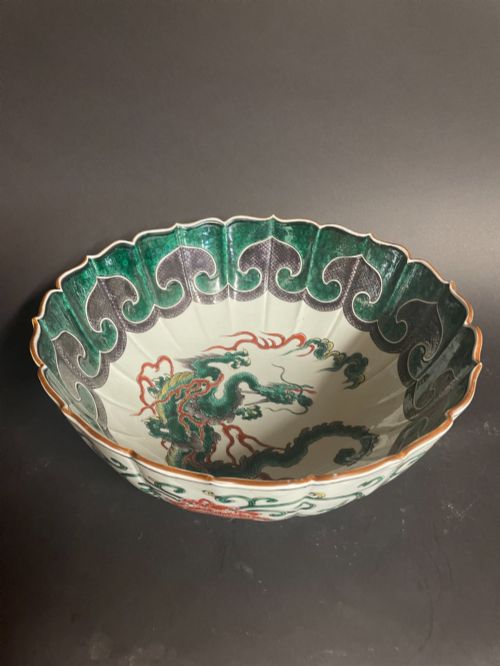
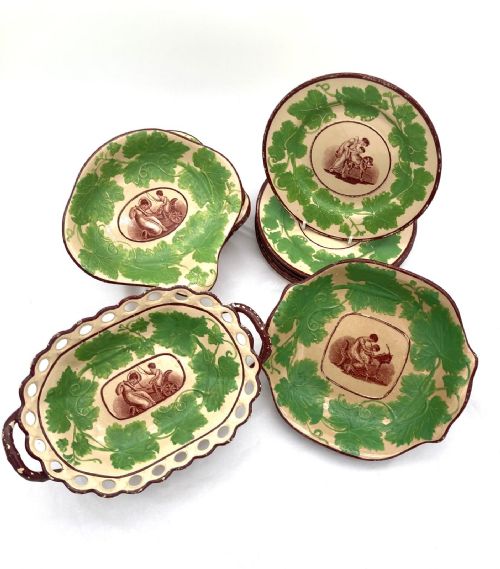
A vintage ceramic serving dish encompasses utilitarian meat platters, decorative bowls, tureens and chargers originating from eighteenth-century enterprises through the Victorian era and early twentieth century. Buyers seeking this phrase encounter creamware, ironstone, bone china and porcelain pieces shaped into octagons, squares and scalloped edges for presentation at table.
The assortment draws heavily from English potteries, continental European manufacturers and Japanese export kilns, reflecting diverse global tastes in domestic dining. Utility dictated the original forms, resulting in heavy platters designed for joints of meat alongside delicate dessert dishes intended for fruit and confections.
Materials and Technique
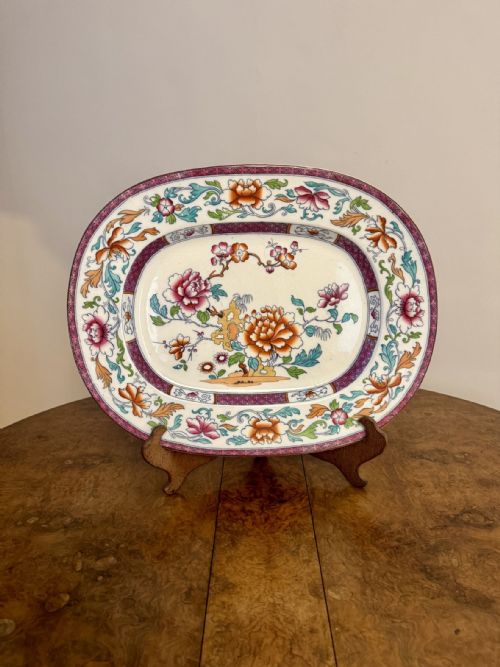
Potters utilised earthenware, stoneware, bone china and porcelain, shaping bodies on the wheel or pressing them into moulds before firing. Glazes provided a protective vitreous coating, often enriched with hand-painted polychrome pigments or blue and white transfer printing.
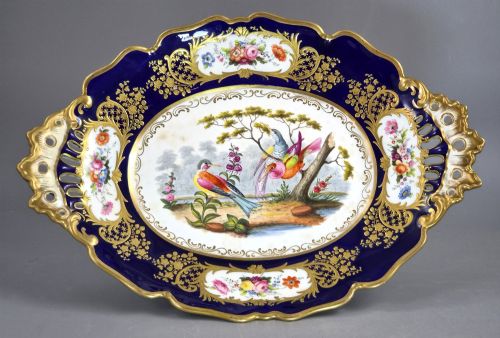
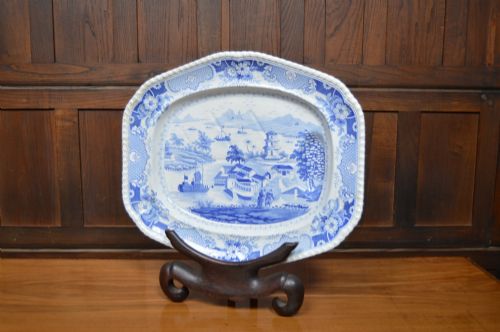
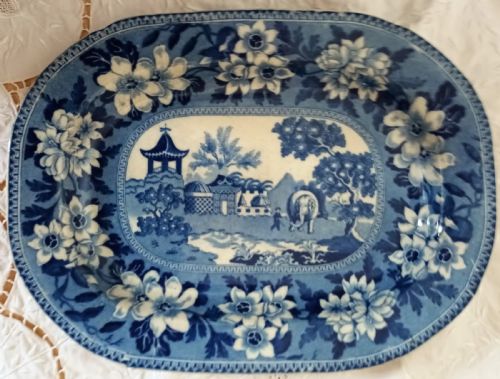
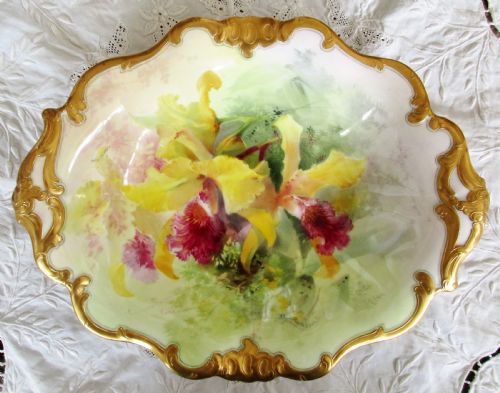
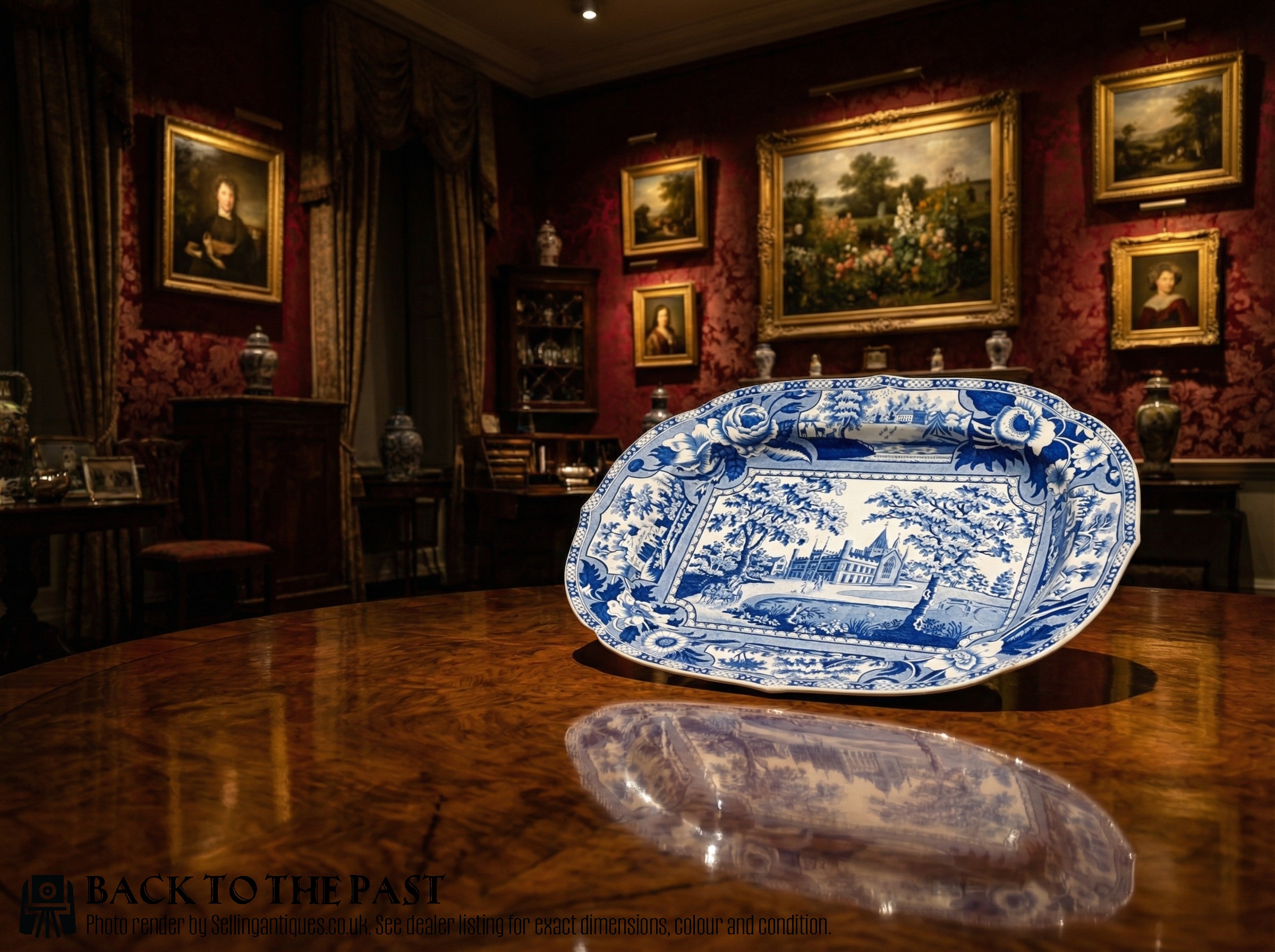
Transfer printing transferred engraved copperplate designs onto paper and thence onto the ceramic body, allowing intricate pictorial patterns like landscapes and exotic scenes to be reproduced consistently. Gilding with gold leaf added final decorative highlights to rims and handles on higher status commissions.
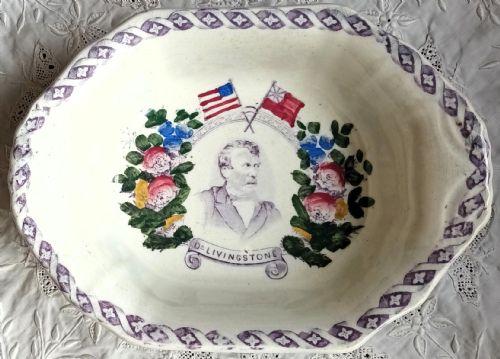
Dr. Livingstone makes an unexpected historical cameo on a nineteenth-century commemorative pottery dish.
Assessing Quality
Quality rests upon the crispness of the transfer print, the delicacy of the ceramic body and the precision of the hand-painting. Pieces that retain vibrant enamel colours, clear glaze without excessive crazing and sharp moulded relief stand apart in execution.
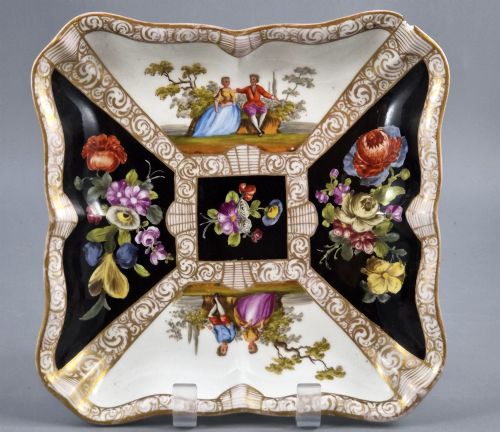
The reputation of the maker and the complexity of the painted or printed narrative dictate desirability. Standard utilitarian kitchenware sits at one end, while porcelain painted by named artists or produced by distinguished factories commands greater attention.
Royal Crown Derby·Coalport·Meissen·Wedgwood·Hicks and Meigh·John Rogers and Son·Royal Doulton·Minton·Paul Muller Selb·Masons·Doulton Lambeth
The Vintage Ceramic Serving Dish Glossary
- Transferware
- Pottery decorated by applying a printed design from a copper plate onto the ceramic surface using tissue paper. This technique revolutionised mass production of blue and white domestic wares.
- Charger
- A large decorative plate or platter used traditionally for ceremonial display or as a base plate during formal dining. These substantial pieces frequently feature detailed pictorial scenes.
- Tureen
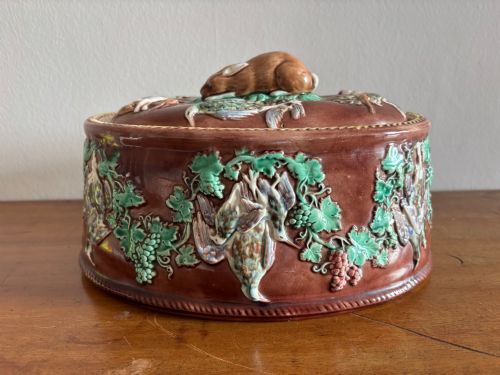
- A deep covered bowl designed for serving soups, sauces or vegetables at the dining table. They often include matching ladles and under-dishes.
- Imari
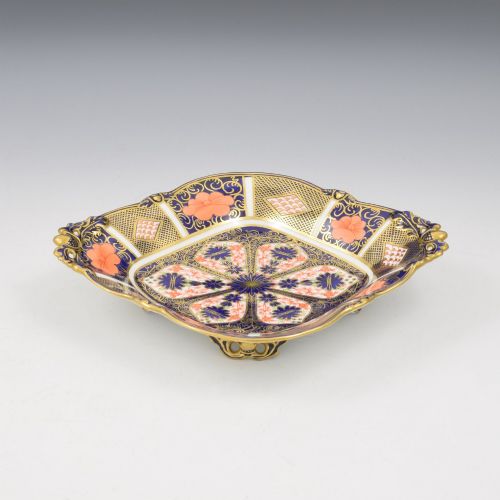
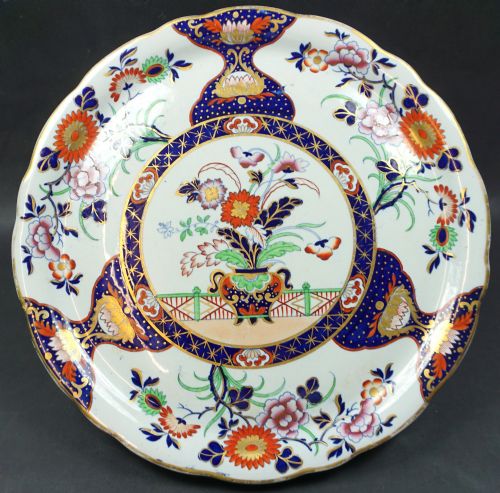
- Japanese export porcelain decorated in underglaze blue, iron red and gold, featuring intricate floral and panel designs. European factories subsequently copied these vibrant palettes.
- Creamware
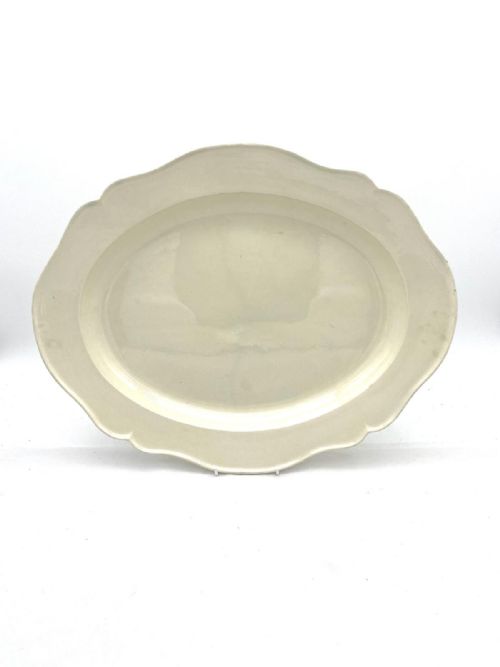
- A refined light-coloured earthenware developed in the eighteenth century with a transparent lead glaze. Its warm tone transformed European table settings.
Vintage Ceramic Serving Dish: Frequently Asked Questions
How do I date a transferware dish?
Makers' marks stamped or impressed on the underside provide the primary evidence for dating. Pattern names and registry diamond marks further narrow down the production decade.
Style, colour tone and body thickness also offer clues. Earlier pieces often display softer blues and lighter earthenware bodies compared to later industrial outputs.
Can I use these dishes for serving food?
Most pieces function safely for dry or cold foods at modern dining tables. Hand washing is essential to preserve fragile glazes and historical enamel decorations.
Avoid thermal shock by keeping antique ceramics away from microwaves and ovens. Gentle care ensures these historic domestic objects survive for further generations of use.
What is the difference between ironstone and porcelain?
Ironstone is a dense, durable type of earthenware patented to resist chipping during heavy daily use. It provides a robust body often utilised for meat platters and tureens.
Porcelain is a finer, vitrified ceramic fired at higher temperatures until translucent. It forms delicate cabinet dishes and luxury tableware rather than heavy kitchen service.
Why are some patterns called Chinoiserie?
Chinoiserie describes European decorative motifs inspired by imaginative interpretations of Chinese art and architecture. These designs feature pagodas, exotic bridges and fantastical landscapes popular in Georgian and Victorian homes.
Potters applied these motifs using transfer printing or hand painting to satisfy domestic desires for Eastern aesthetics. The style reflects global trade influences on British ceramic design.