


Vintage Ceramic Flower Vase
A vintage ceramic flower vase brings hand-painted floral motifs and rich historical glazes directly into daily interiors.
Vintage Ceramic Flower Vase
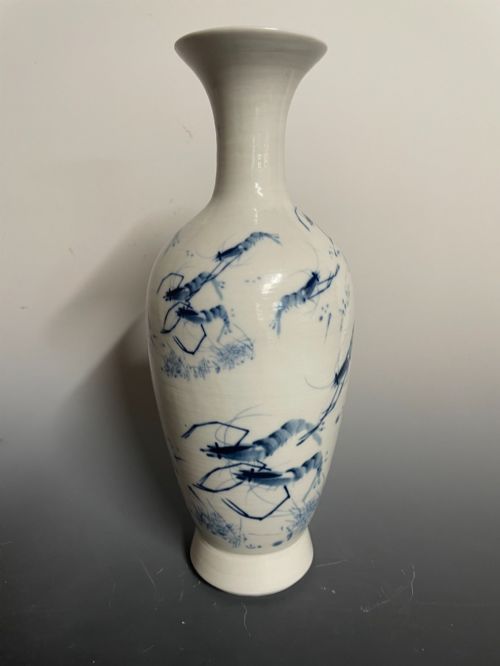
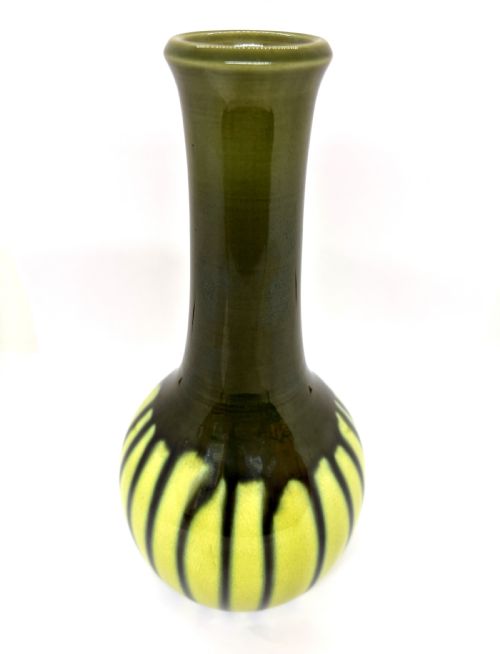
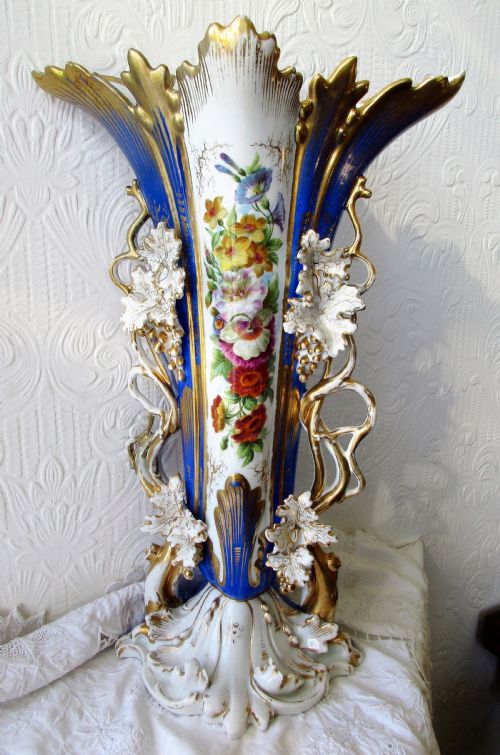
A vintage ceramic flower vase encompasses diverse historical periods stretching from the nineteenth century through the art deco era, featuring forms such as twin-handled vessels, posy holders, and decorative jugs. These pieces often display hand-painted floral decorations, birds, or scenic motifs created during the Victorian, Edwardian, Arts and Crafts, Art Nouveau, and Art Deco movements.
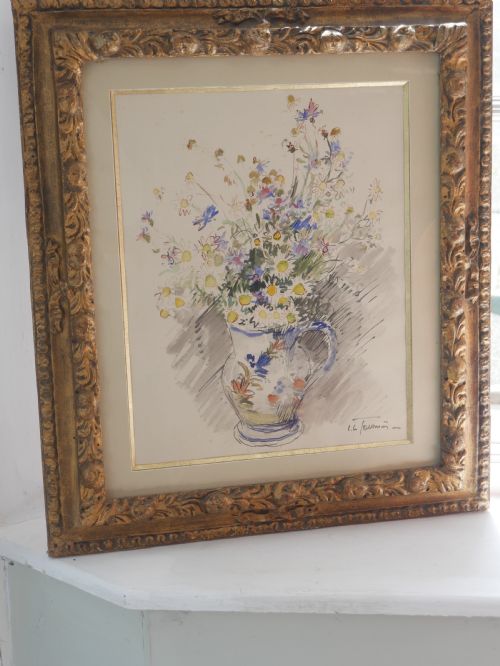
Buyers are most likely to encounter earthenware, porcelain, and stoneware vessels originating from English factories like Royal Doulton and Royal Worcester, alongside continental porcelain and Japanese imari imports. The selection also includes framed oil paintings and watercolours depicting still lifes of summer flowers in vases.
The objects range from modest miniature flower holders to large decorative urns and pairs of mantelpiece vases. Their forms reflect the evolving decorative tastes across decades, moving from ornate revival styles toward cleaner modernist lines.
Materials and technique
Potters shaped these vessels using traditional earthenwares, hard-paste porcelains, and dense stonewares, often applying liquid clay slips and opaque coloured glazes. Workshops utilised specialised techniques such as raised white enamel, gold leaf gilding, and lustre finishes to accentuate surface details.
Makers achieved their colourful surface patterns through careful hand-painting, transferring floral and avian designs directly onto the damp glaze before firing. Stoneware pieces frequently incorporated textured slater's patent grounds or incised patterns into the body.
Current listings feature ceramics spanning the nineteenth century through the nineteen-sixties, including pieces from English potteries, French porcelain houses, and Japanese workshops.
Standards of craftsmanship
Quality in a vintage ceramic flower vase rests upon the precision of the hand-painted brushwork and the depth of the glaze firing. Superior examples display crisp, deliberate floral or figural details executed by named artists rather than generic factory decoration.
The crispness of moulded relief work, the even distribution of enamel and gold leaf, and the structural balance of handles and rims separate ordinary production items from exceptional exhibition pieces.
Burmantoft's Pottery·Mason·Royal Worcester·Samson·Royal Doulton·Charlotte Rhead·Turn Vienna·Jacob Petit·Poole Pottery·William Moorcroft
The Vintage Ceramic Flower Vase Glossary
- Posy vase
- A small vessel specifically designed to hold a compact bunch of short-stemmed flowers. These pieces often feature narrow necks or specialised insert tops.
- Imari
- A style of ceramic decoration originating in Japan, characterised by a palette of underglaze blue, iron red, and gold. European makers frequently copied these vibrant patterns during the nineteenth century.
- Stoneware
- A robust, vitrified ceramic fired at high temperatures until non-porous. It accepts textured surface treatments and salt glazes readily.
- Lustre
- A type of ceramic glaze containing metallic salts that produce an iridescent, reflective surface sheen when fired in a reduced oxygen atmosphere.
- Spill vase
- A tall, slender cylindrical vessel used traditionally to hold tapers for lighting candles or fires from a hearth.
Vintage Ceramic Flower Vase: Frequently Asked Questions
Were these vases meant for daily flowers?
Many nineteenth and early twentieth century vessels served primarily as decorative mantelpiece ornaments rather than utilitarian flower holders. Their delicate hand-painted enamel and gold leaf surfaces were easily scratched by regular use.
Smaller posy vases and sturdy stoneware jugs, however, were designed to accommodate fresh water and seasonal stems safely.
How can I date a ceramic vase?
Examine the underside of the vessel for impressed factory stamps, painted pattern numbers, or artist signatures. Stylistic clues such as art nouveau curves or art deco geometric patterns also help narrow down the manufacturing decade.
Comparing the paste composition and glaze characteristics against documented factory marks provides the most accurate dating evidence.
What is the difference between porcelain and earthenware?
Porcelain is fired at extremely high temperatures, resulting in a dense, vitrified body that rings when struck and appears translucent under strong light. It resists moisture completely even without a glaze.
Earthenware is fired at lower temperatures, producing a porous, opaque body that requires a complete glass glaze to hold water effectively.