
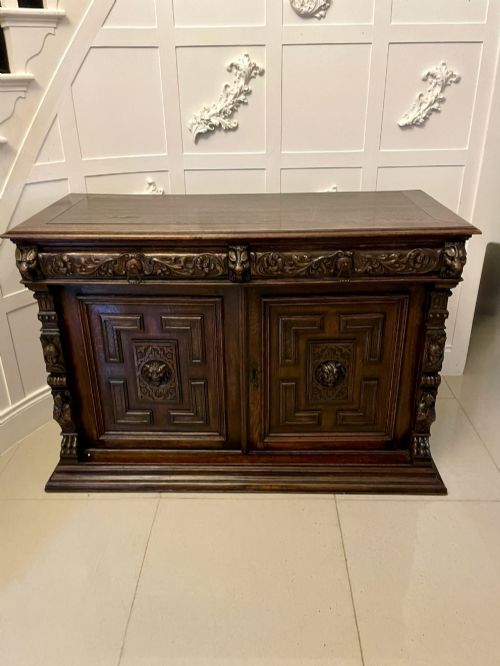

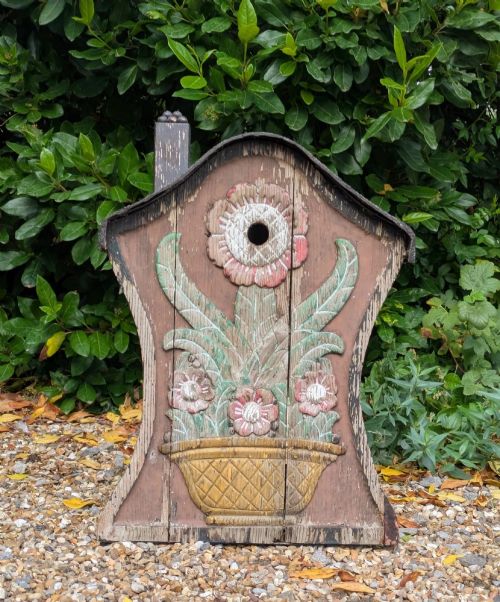
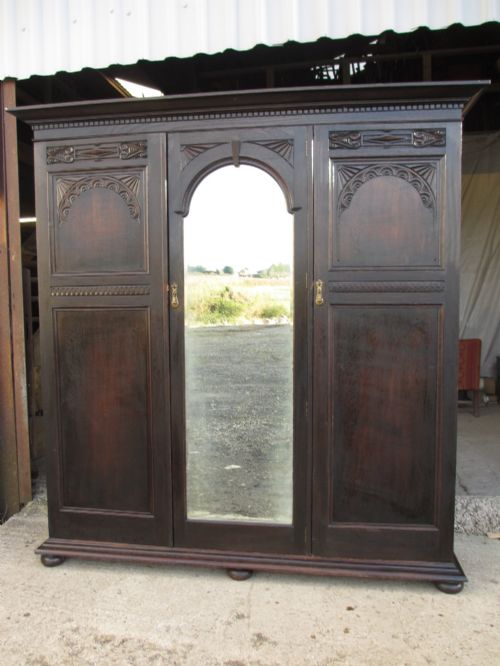
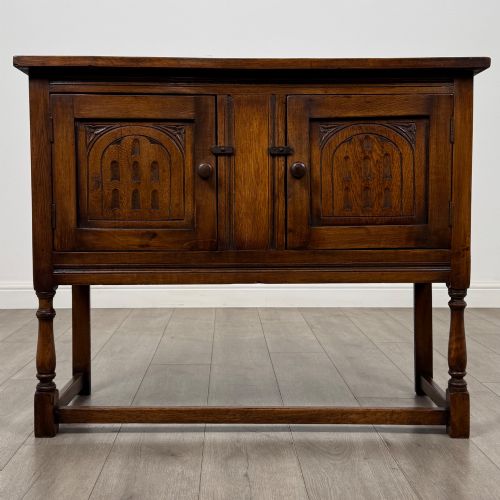
Vintage Carved Wood Panel
A vintage carved wood panel brings tactile relief and historic depth to a wall, offering rich grain and intricate chiselling.
Vintage Carved Wood Panel
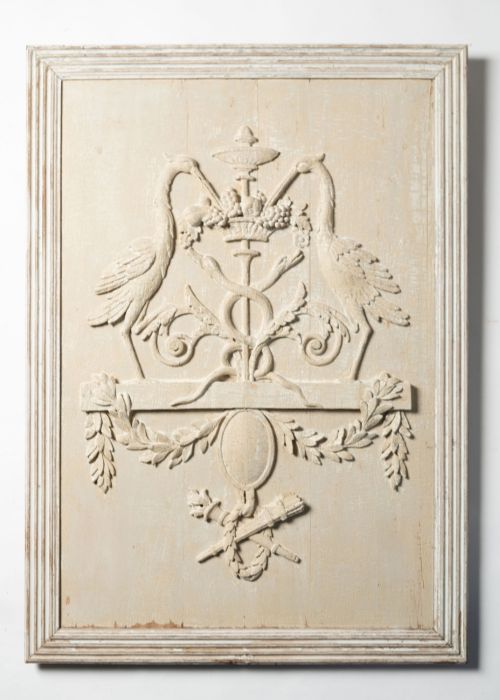
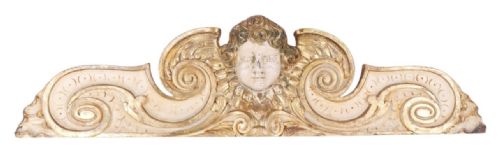
A vintage carved wood panel is an architectural element or decorative fragment, often sourced from nineteenth century or Edwardian buildings, furniture, and screens. When you search for a vintage carved wood panel, you encounter flat or low-relief timber sections designed originally for walls, over-doors, and cabinetry, reused now as standalone wall art.
The selections span various global and European traditions, including French, Italian, Indian, and Chinese origins. Pieces range from simple folk carvings to elaborate architectural salvage featuring floral reliefs and geometric fretwork.
You are most likely to meet rectangular oak or teak examples from the nineteenth and twentieth centuries, reflecting revival styles like Jacobean or Anglo-Indian, alongside occasional painted or lacquered surfaces.
What separates the finest pieces
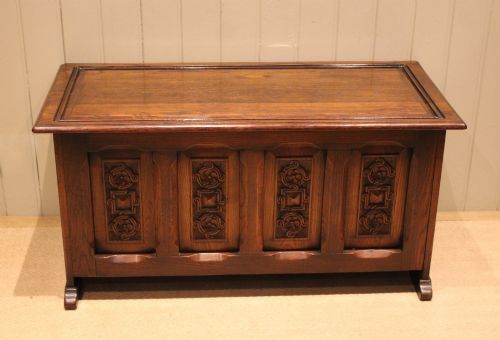
The quality of a carved panel rests upon the depth, precision, and fluidity of the hand chisel work. Superior examples display sharp undercutting, crisp botanical or figurative detailing, and a confident relief that creates genuine shadow and perspective.
Material selection and age also dictate worth, with dense, well-figured old-growth oak or teak outlasting softer or later substitutes. The integrity of the original surface patina, free from heavy modern stripping or unsympathetic over-painting, preserves the historical character of the carving.
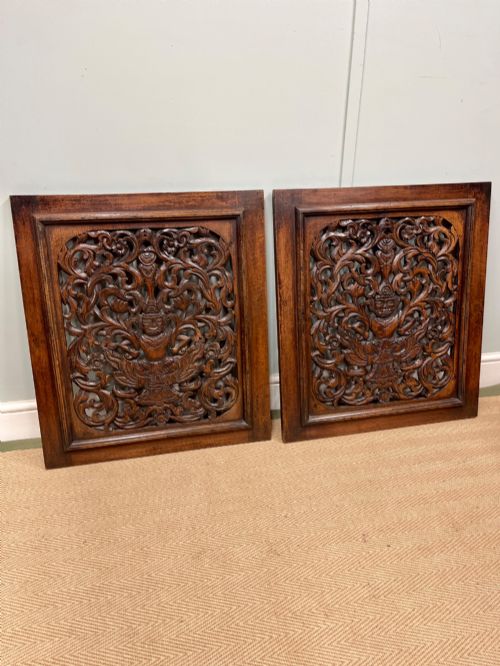
Current listings demonstrate a broad geographic spread, featuring European oak pieces alongside Burmese, Indian, and Chinese wooden panels.
Paul-Élie Gernez
The Vintage Carved Wood Panel Glossary
- Relief
- Carving that projects from a flat background. High relief stands out boldly, while low relief remains close to the plane.
- Gesso
- A plaster-like mixture applied to wood as a base for paint or gold leaf. It creates a smooth surface for detailed ornamentation.
- Fretwork
- Open ornamental work carved in wood, often featuring intricate geometric patterns. It appears frequently in folding screens and decorative panels.
- Architectural salvage
- Building elements rescued from demolition or alteration. These components often find new life as interior wall decorations.
Vintage Carved Wood Panel: Frequently Asked Questions
How do I hang a heavy carved wood panel?
Heavy carved wood panels require secure wall fixings distributed evenly across the timber frame or backing. Use appropriaterawlplugs and screw anchors suited to your wall type, ensuring the weight rests safely on load-bearing points rather than decorative surface elements.
For exceptionally dense oak or teak panels, professional installation with a French cleat system provides stable, flush mounting against the wall.
Can these panels be used outdoors?
Most antique interior panels lack weather-resistant treatments and will deteriorate rapidly if exposed to rain, frost, or direct sunlight. Fluctuating humidity causes untreated hardwoods to warp, split, and lose their historic surface finishes.
Keep these pieces inside climate-controlled rooms to preserve the wood and any original paint, gesso, or wax layers.
How do I clean a carved wooden panel?
Dust the intricate recesses gently using a soft-bristled brush or a dry microfiber cloth to prevent debris accumulation. Avoid using harsh chemical sprays, abrasive cloths, or excessive water, which strip old wax and damage dry timber.
Occasional application of a microcrystalline wax helps nourish older wood surfaces without leaving a sticky residue.
What is the difference between oak and teak panels?
Oak panels typically reflect European traditions, displaying prominent grain patterns and strong associations with Jacobean or Victorian revival styles. They often feature deep, robust chiselling suited to heavier interior architectural schemes.
Teak panels frequently originate from Asian traditions, such as Indian or Burmese workshops, offering tight grains and intricate fretwork well-suited to warmer climates and detailed ornamentation.