


Carved Wood Overdoor
A carved wood overdoor is an architectural fragment meant to crown a doorway, bringing sculptural depth and period presence to a room.
Carved Wood Overdoor
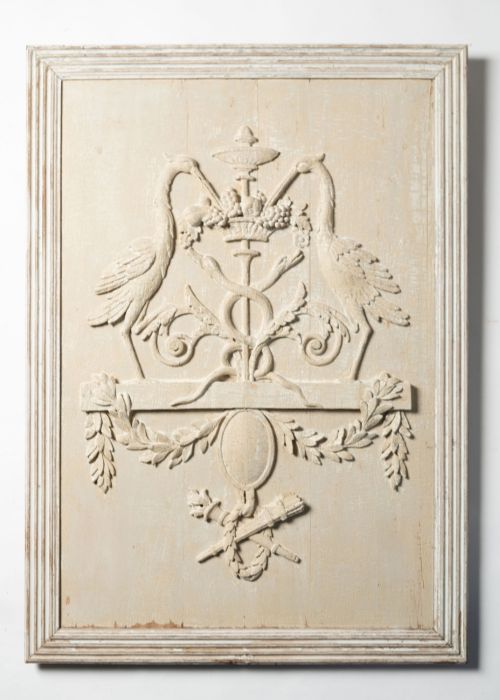
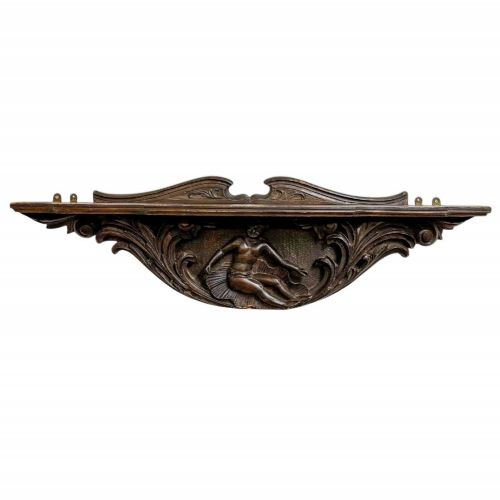
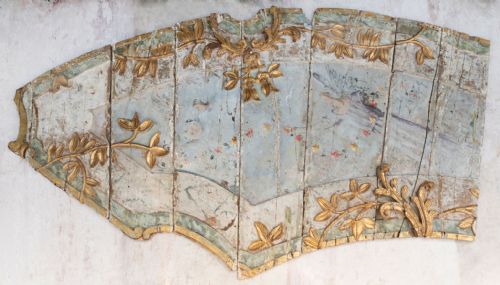
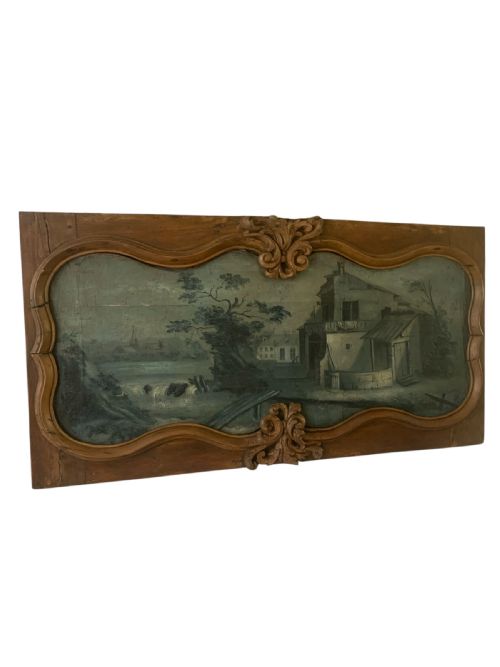
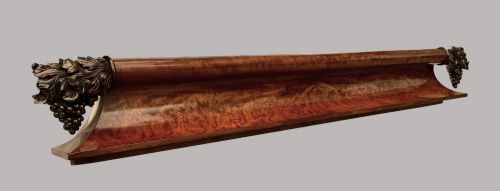
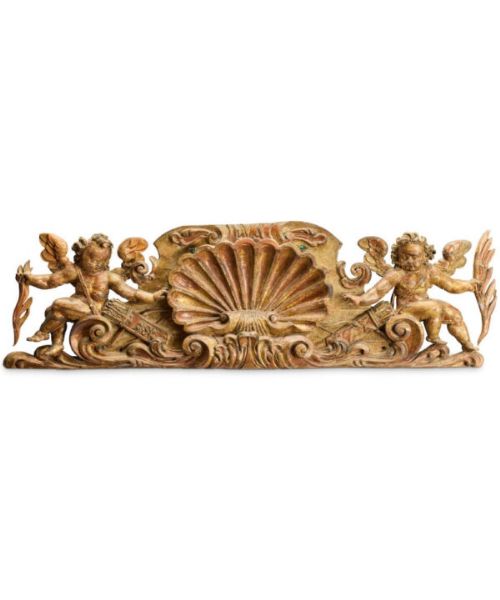
A carved wood overdoor sits above a doorway to anchor a high ceiling and draw the eye upward through a room. The selection spans the seventeenth, eighteenth, and nineteenth centuries, taking the form of architectural panels, pediments, wall reliefs, and pelmets. Most examples encountered here are oak, walnut, or painted timber originating from English, French, and Italian workshops.
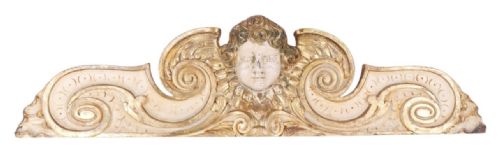
The styles range from English Baroque and George IV to Italian Rococo and French Chateau aesthetics. Buyers will find architectural salvage ranging from simple timber pelmets to elaborate pediments decorated with cherubs or hunting scenes.
How they were made
These pieces rely on solid timber foundations like oak, walnut, and mahogany, shaped by hand with chisels and gouges. Carvers worked directly into the dense grain to build deep relief panels and pediments.
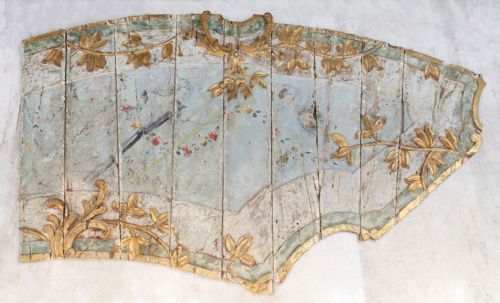
Many surfaces received applied gesso, gold leaf, silver leaf, or paint to catch the light above a doorway. This combination of structural timber and decorative surface treatment creates the layered texture seen on period panels.
One nineteenth-century panel depicts a Black Forest dog hunt, bringing energetic hounds right above the doorframe.
What varies in quality
The distinction lies in the depth of the carving and the fluidity of the design, where confident handwork creates crisp drapery, foliage, and figures rather than flat, mechanical repetition. Finer panels show a clear command of proportion and anatomy, particularly in figurative subjects like cherubs or hunting dogs.
The integrity of the timber and the preservation of original gilding, gesso, or paint layers also determine the standing of a piece. Older surfaces that retain their historic finish hold more visual cohesion than those stripped or clumsily restored.
Grinling Gibbons·Edward Pearce
The Carved Wood Overdoor Glossary
- Overdoor
- An architectural element mounted directly above a doorway, often framed by a pediment or shelf.
- Pediment
- A triangular or segmental architectural crowning element placed above doors, windows, or panels. It provides a formal architectural finish to an interior elevation.
- Gesso
- A plaster-like mixture applied to wood surfaces as a smooth base for gilding or painting. It allows intricate relief details to be modelled sharply.
- Pelmet
- A narrow wooden board or frame placed above a door or window to conceal fixtures. These often feature carved decoration matching the style of the room.
- Architectural salvage
- Elements rescued from older buildings for reuse in interior decoration. These fragments preserve historic craftsmanship.
Carved Wood Overdoor: Frequently Asked Questions
How do I hang a heavy wooden overdoor?
These architectural panels require secure fixing directly into wall studs or masonry using appropriate brackets suited to the weight of the timber.
Because many examples are substantial pieces of solid oak or walnut, professional installation ensures the panel remains stable above the doorway.
Were overdoors used in specific rooms?
Historic overdoors typically appeared in principal reception rooms, grand hallways, and parlours where architectural display mattered most.
Their purpose was to elevate the status of important doorways by framing them with sculptural wood relief.
Can I mount an overdoor on a flat wall?
Many buyers hang these panels directly on living room or dining room walls as standalone pieces of wall art or above low furniture.
Their original function was architectural, but their sculptural form translates easily to flat wall surfaces.
How do I tell an 18th-century panel from a 19th-century one?
Eighteenth-century examples often display the deeper relief and dynamic asymmetry characteristic of Baroque and Rococo styles, executed in heavy timbers.
Nineteenth-century pieces frequently revive earlier idioms, sometimes incorporating softer woods or distinct surface treatments like silver leaf and painted finishes.