

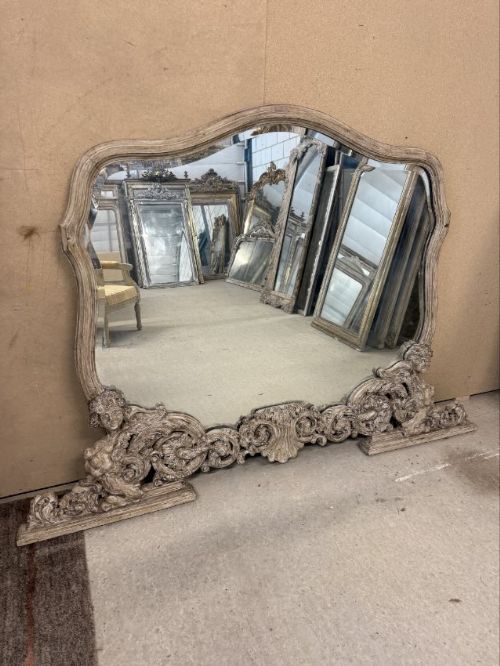
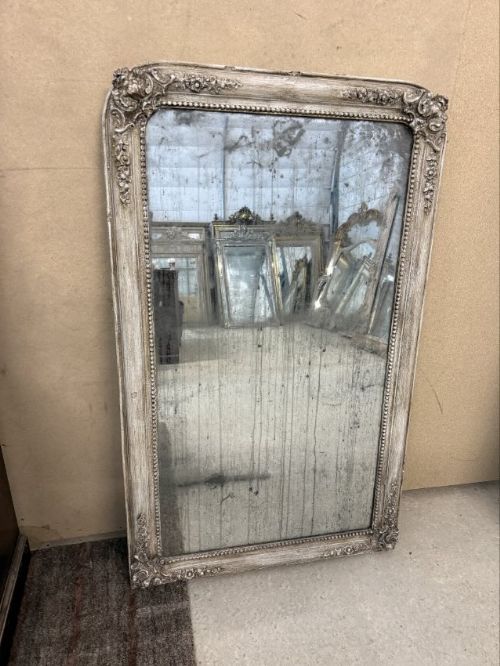
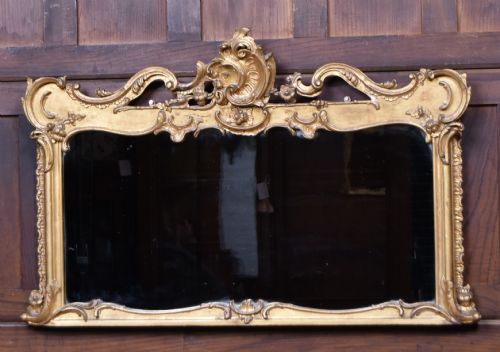
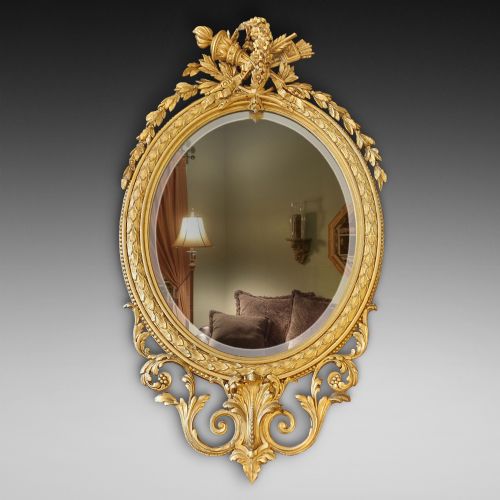
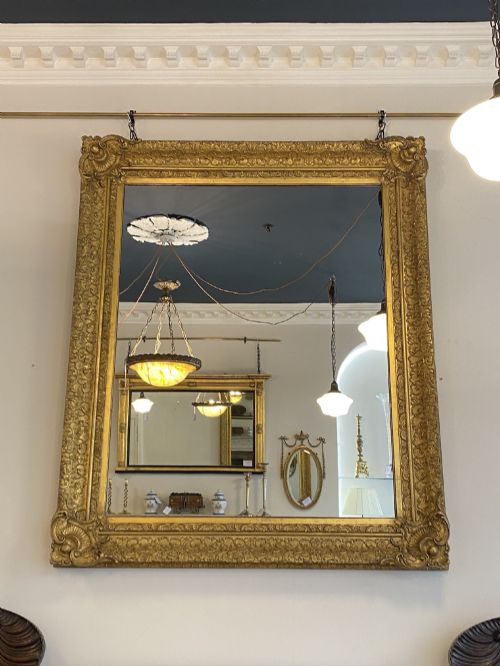
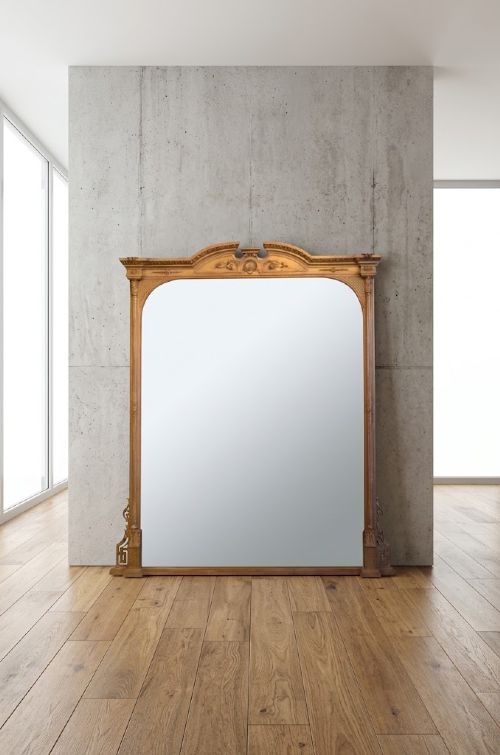
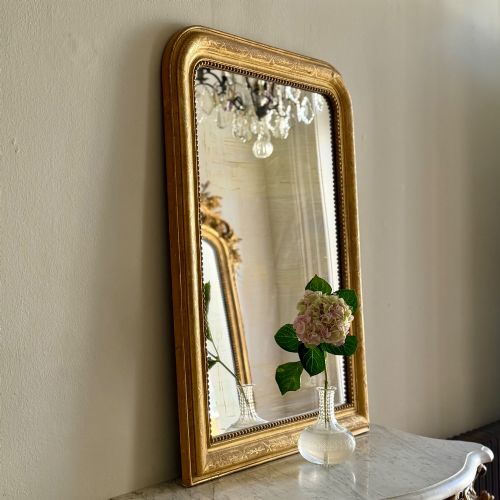
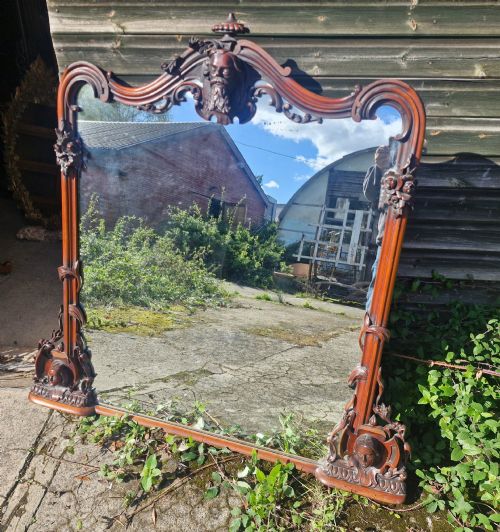
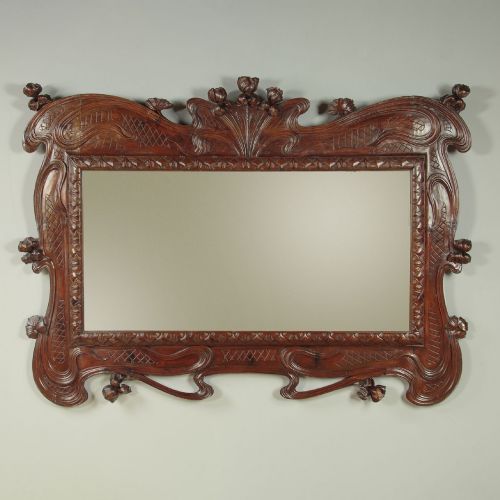
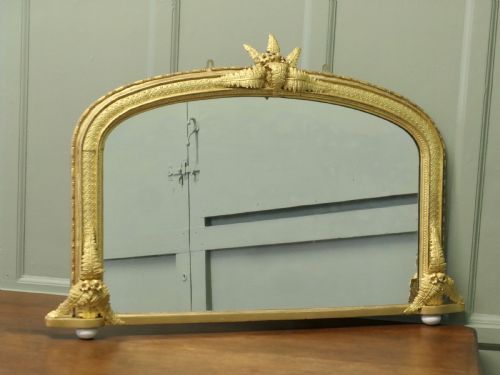

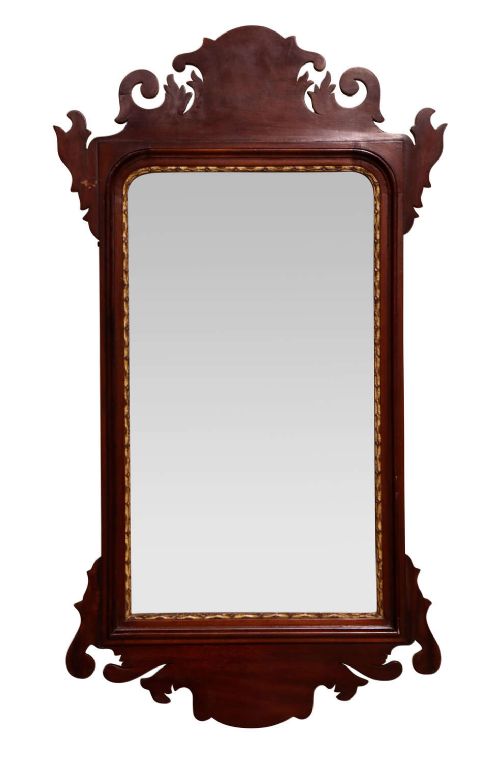
Vintage Carved Mantel Mirror
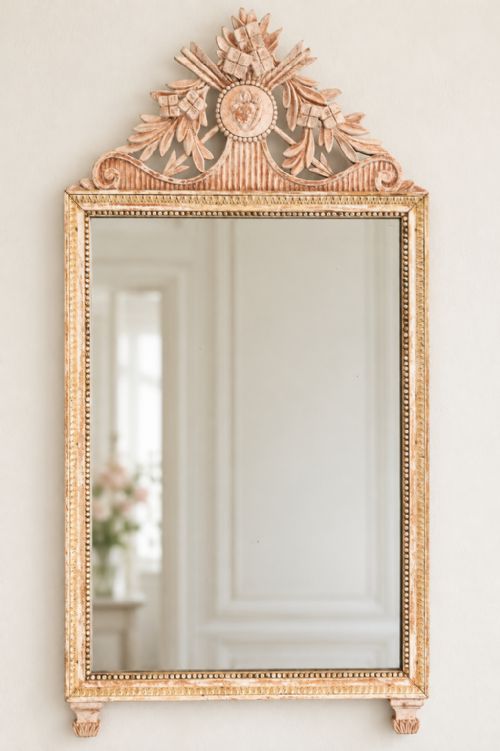
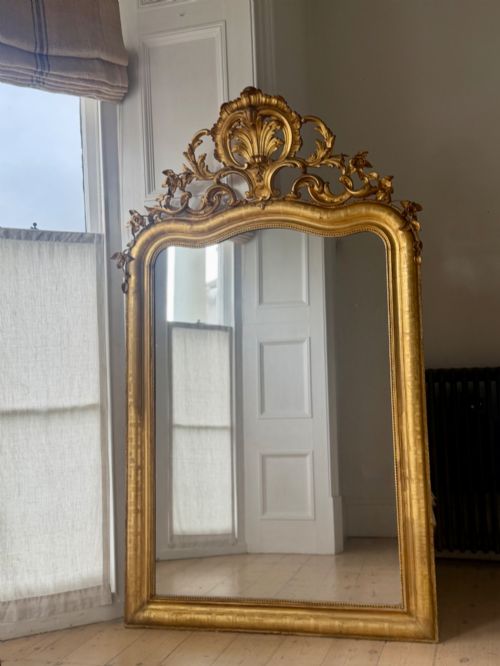
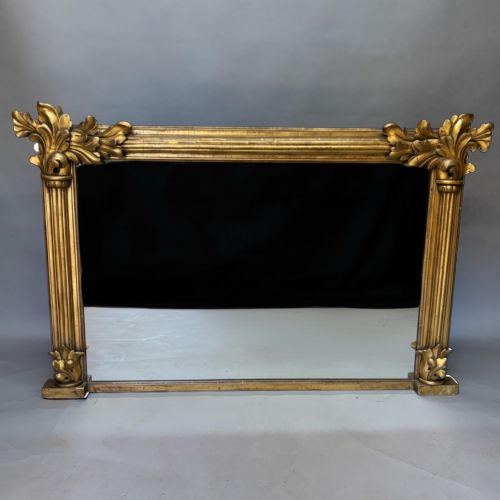
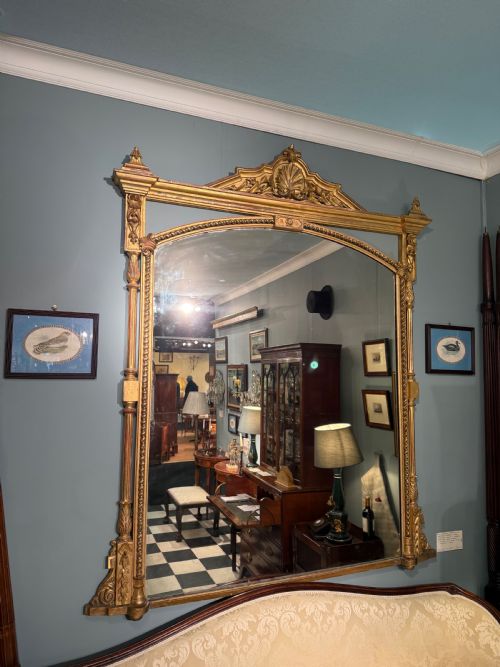
These vintage carved mantel mirror pieces bring architectural weight and reflective depth to a chimney breast, shaped by nineteenth-century French and English hands.
Materials and construction methods
Makers built the foundational frames using solid timbers such as oak, walnut, mahogany, and rosewood, applying gesso layers to sculpt intricate relief ornament. Gold leaf and paint finishes were then meticulously laid over the prepared wooden surfaces to achieve the desired metallic gleam or coloured palette.
Mirrored glass plates, sometimes retaining original mercury silvering, were secured within the carved rebates of the heavy frames. Brass fixtures and structural backing boards provide the necessary support for hanging these substantial architectural wall pieces safely.
Assessing quality in carved mantel mirrors
The depth and crispness of the hand-carved gesso and wood ornamentation dictate the visual strength of the piece, separating mass-produced decorative items from masterwork frames. Superior examples display fluent, undercut foliage and scrolls rather than flat, repetitive moulding.
The integrity of the original mercury glass plate and the retention of authentic gold leaf or period paint surfaces determine the historical value. Finer pieces maintain their original backboards and structural joinery without heavy timber replacement.
Vintage Carved Mantel Mirror Retail Price Guide 2026
Typical asking prices for vintage carved mantel mirror among the pieces listed under this phrase on Sellingantiques today, from the lower quarter to the upper quarter. They describe what is for sale here now, not the wider market.
The Vintage Carved Mantel Mirror Glossary
- Overmantel mirror
- A large wall mirror specifically proportioned to hang above a mantelpiece or fireplace. These pieces often feature wide horizontal formats or soaring arched tops designed to fill the vertical space of a chimney breast.
- Gesso
- A plaster-like mixture applied to wooden frame bases and allowed to harden before being carved and gilded. This material permits high-relief decorative moulding that wood carving alone cannot achieve easily.
- Giltwood
- Timber that has been coated in gold leaf or gold paint to give a luxurious metallic finish. It forms the primary visual vocabulary for French and English nineteenth-century salon mirrors.
- Trumeau
- A decorative wall mirror paired with a painted panel or carved artwork above the glass plate. Originating in French interiors, these pieces integrate architectural woodwork directly into wall decor.
- Mercury plate
- An early form of mirrored glass created using a tin and mercury amalgam poured onto glass sheets. This historical technique produces a characteristic mottled, dark reflective quality distinct from modern aluminium backing.
Vintage Carved Mantel Mirror: Frequently Asked Questions
Can these mirrors sit directly on a mantel?
Many overmantels are designed to rest their weight squarely on the mantel shelf while being anchored to the wall at the top for stability. Check the bottom frame edge for flat bearing surfaces before attempting to support the piece without wall fixings.
Securing the upper brackets prevents the tall frame from tipping forward, as nineteenth-century mirrors often carry considerable top-heavy weight in their carved crests.
How do I clean antique mirror glass?
Use a soft, dry microfiber cloth to remove dust from the glass plate and carved frame without applying aggressive pressure. Avoid harsh chemical sprays that can seep behind old bevelled edges and damage degraded silvering or original mercury backing.
Apply mild, neutral soap mixed with distilled water sparingly on a cloth rather than spraying liquid directly onto the glass surface.
How do I identify French versus English styles?
French examples often showcase fluid Rococo curves, asymmetrical scrolls, and giltwood or painted finishes associated with chateau interiors and Louis Philippe reigns. English pieces tend to display more restrained architectural lines, such as Victorian mahogany fretwork or Adam neoclassical swags.
Examining the underlying timber construction and joining techniques further clarifies the regional workshop origins of the frame.