



Dark Wood Rococo Mirror
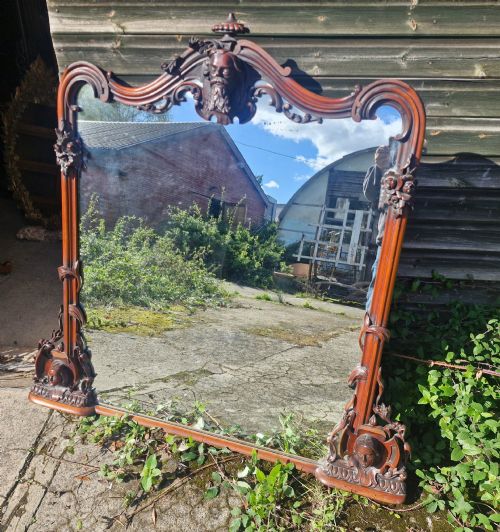
A dark wood rococo mirror brings organic asymmetric curves and rich timber tones to a room, combining fluent 18th-century spirit with later 19th-century confidence.
Dark Wood Rococo Mirror
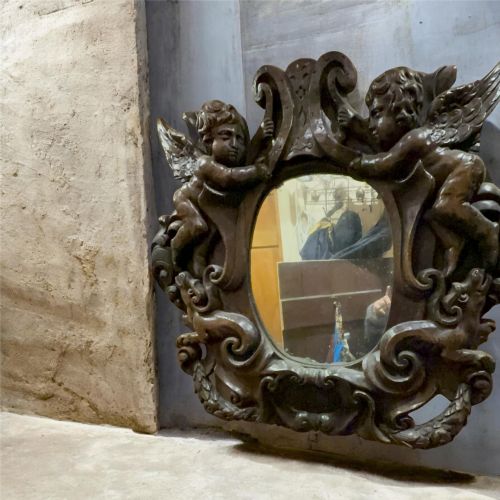
When you search for a dark wood rococo mirror, you encounter pieces that span the Georgian era, the Victorian period, and into the early 20th century. The form typically presents carved wooden frames featuring scrolls, foliage, and asymmetrical flourishes typical of the revival styles.
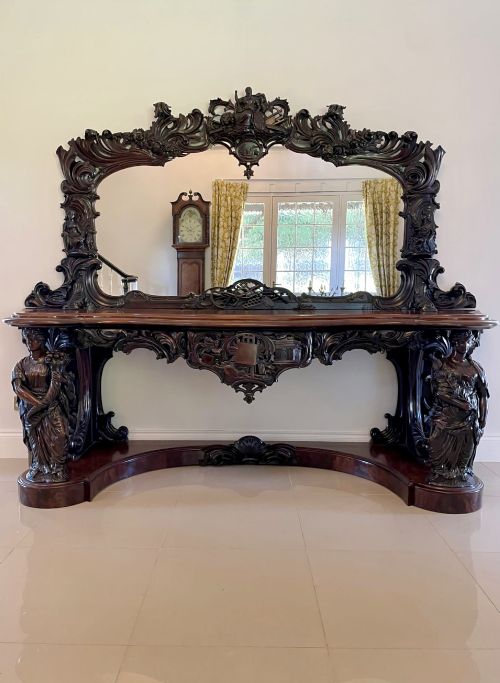
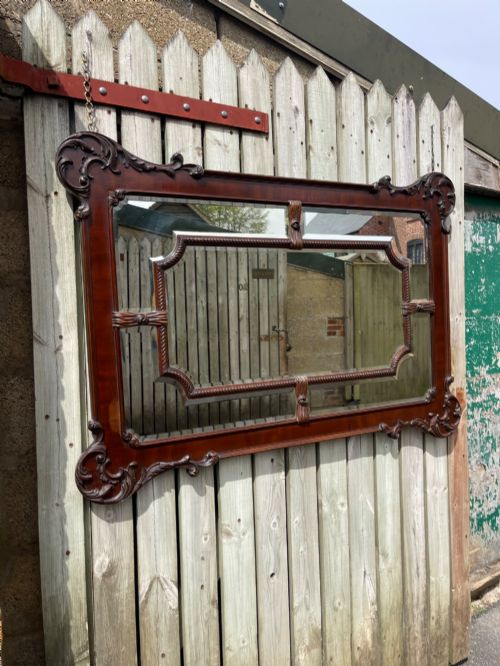
Most examples appearing on this page take the form of wall mirrors, overmantel mirrors, or vanity mirrors, often rendered in deep brown timbers. Larger furniture forms such as console tables with mirror backs and sideboards also appear, integrating the mirror directly into the timber structure.
Origins range from English workshops to continental pieces, with Victorian interpretations of the Rococo Revival forming a significant portion of the selection. These items demonstrate how later makers adapted earlier French design vocabulary for British and European interiors.
Materials and Construction
The primary materials recorded in these listings are mahogany, walnut, and oak, often paired with traditional glass plates. Craftsmen shaped these dense timbers through manual carving, creating high-relief scrolls and naturalistic motifs along the frame borders.
Flame mahogany veneer and applied gesso frequently supplement the solid wood construction, adding contrasting grain patterns and refined details to the moulded edges. Frame structures utilise traditional joinery to support heavy glass plates and elaborate crestings.
Dark Wood Rococo Mirror Retail Price Guide 2026
Typical asking prices for dark wood rococo mirror among the pieces listed under this phrase on Sellingantiques today, from the lower quarter to the upper quarter. They describe what is for sale here now, not the wider market.
Several mirrors include vanity attachments and hand-held variants, proving that historical vanity required robust mahogany framing.
Assessing Quality and Execution
Depth and crispness of the carving distinguish finer examples from simpler production pieces, as skilled carvers undercut the foliage to create genuine three-dimensional movement. The selection of timber grain, particularly matched flame mahogany or figured walnut, dictates the visual richness of the frame.
Structural integrity of the joints and the preservation of the original backing boards indicate the care a piece received over its lifespan. The quality of the silvering and the presence of original mirror glass further separate standard items from exhibition pieces.
The Dark Wood Rococo Mirror Glossary
- Rococo Revival
- A mid-19th-century design movement that re-interpreted the flamboyant, asymmetric scrollwork of the 18th-century French Rococo style. This aesthetic favoured naturalistic curves, C-scrolls, and shell motifs executed in heavy timber.
- Overmantel mirror
- A large horizontal mirror designed specifically to hang on the wall above a fireplace mantelpiece. These pieces often matched the proportions of the hearth below.
- Trumeau mirror
- A decorative wall mirror incorporating a painted or carved panel above the glass plate. These items frequently originated in continental workshops.
- Gesso
- A plaster-like mixture applied to wood surfaces as a preparation for gilding or painting. Artisans used it to build up crisp decorative details on mirror frames.
- Flame mahogany veneer
- A thinly sliced section of mahogany timber exhibiting a distinctive flame-like grain pattern. Cabinet makers applied this to prominent surfaces for visual impact.
Dark Wood Rococo Mirror: Frequently Asked Questions
How do I date a dark wood rococo mirror?
Dating relies on examining the timber species, construction methods, and the specific characteristics of the carving style. Georgian pieces show different joinery and framing techniques compared to Victorian revivals.
Secondary indicators include the bevel and condition of the glass plate and the composition of the timber backing boards. Earlier frames often employ hand-cut assembly methods visible from the reverse.
Were these mirrors always wall-mounted?
While many examples hang directly on walls, a significant number functioned as table mirrors, vanity mirrors, or vanity components. Others form an integrated part of larger console tables and sideboards.
Checking the reverse reveals original hanging loops, support struts, or structural mounting points that indicate the intended placement.
How should I hang a heavy wooden mirror?
Due to the substantial weight of dense timbers like mahogany and walnut, secure wall fixings into masonry or timber studs are essential. Professional mirror hangers utilise heavy-duty brackets suited to the frame weight.
Positioning should account for eye level and the balance of the room, particularly when placing overmantel pieces above fireplaces.
What is the difference between Rococo and Baroque?
Baroque design tends to be heavier, more symmetrical, and monumental, emphasising grandeur and architectural structure. Rococo introduced lighter, fluid, and deliberately asymmetric forms based on natural curves and shellwork.
Revival pieces often blend these vocabularies, but true rococo elements emphasise movement and organic asymmetry.