


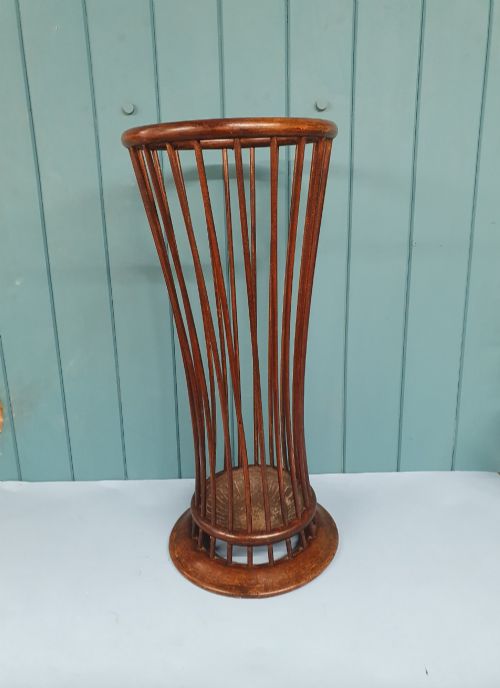
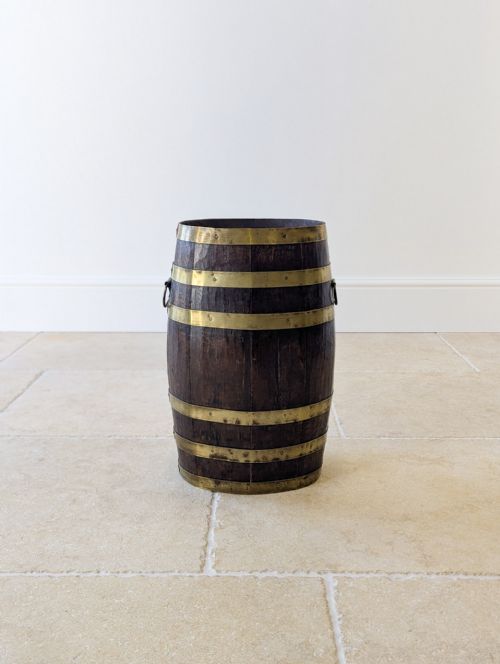
Vintage Cane Stand
A vintage cane stand organises walking sticks and umbrellas in a hallway, combining practical utility with period decorative design.
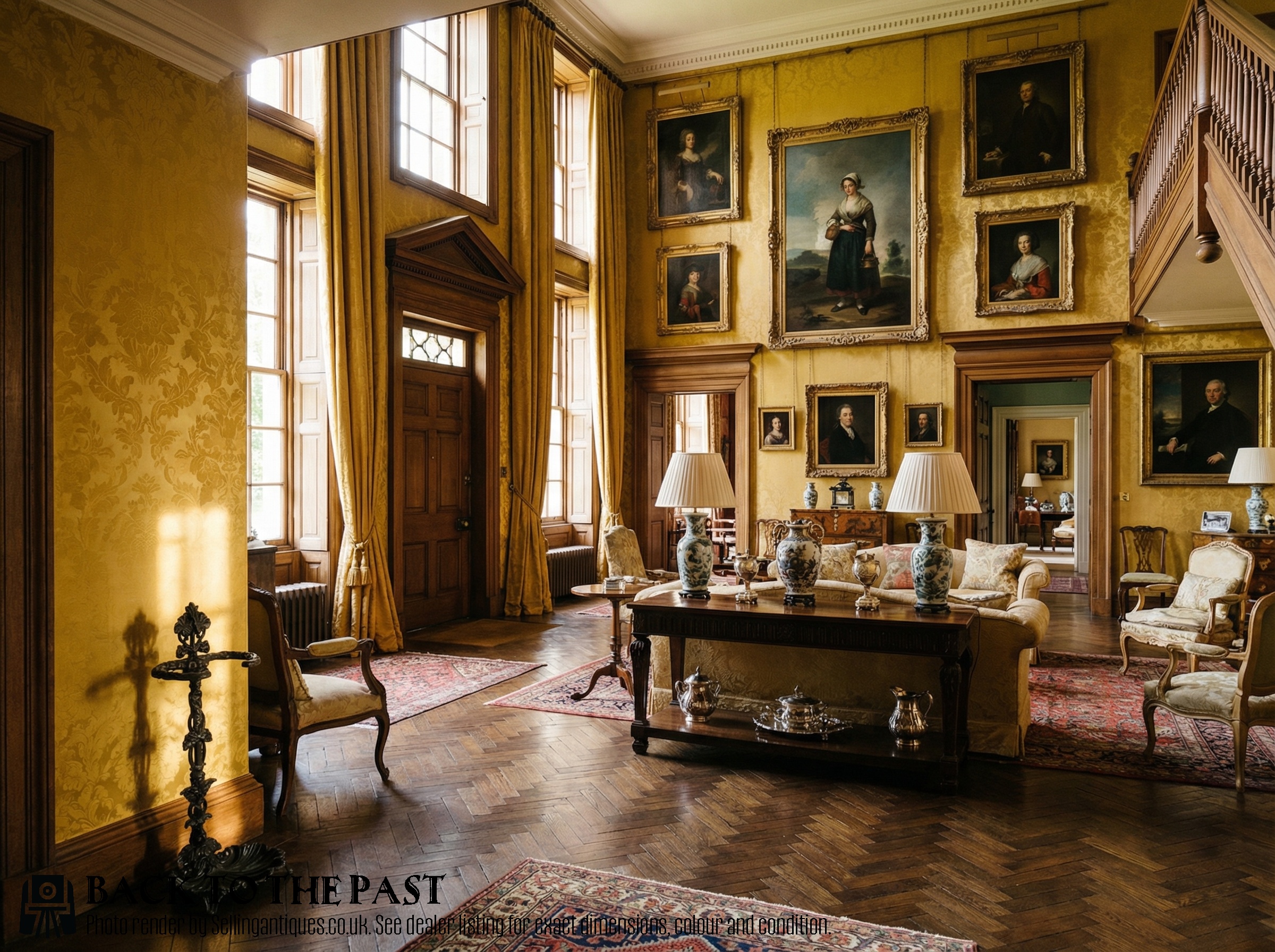
Vintage Cane Stand
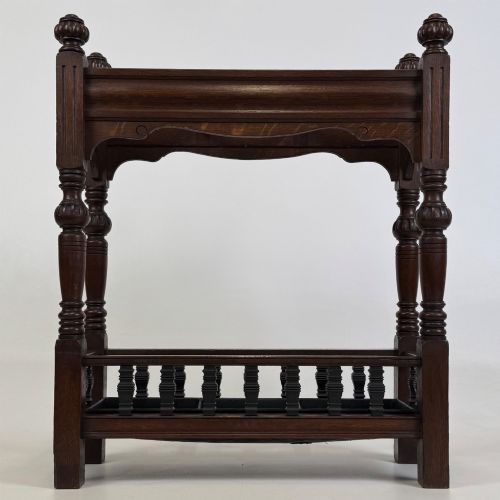
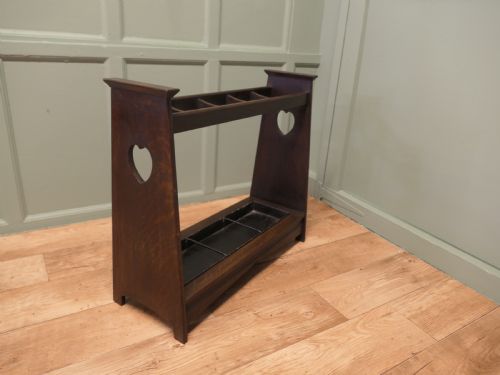
A vintage cane stand serves primarily to hold walking sticks and umbrellas in entrance halls and vestibules. These objects appear across several distinct historical periods, most notably the Victorian and Edwardian eras, alongside the later influence of Art Deco and Art Nouveau styles.
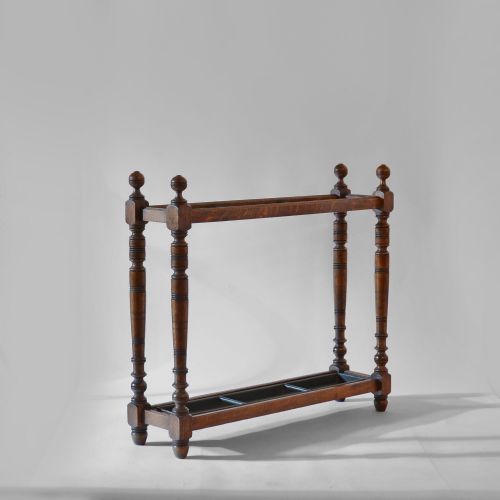
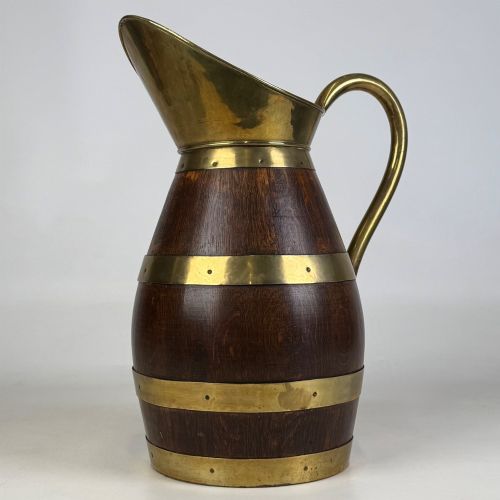
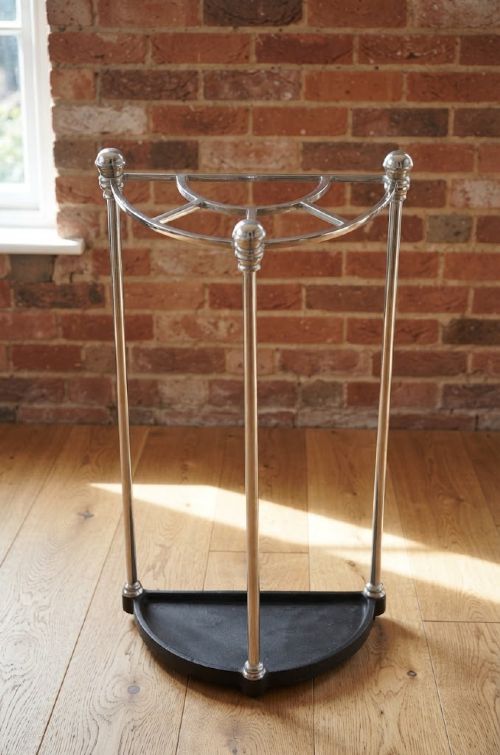
The objects take various structural forms including half-moon or demi-lune shapes designed to sit flat against a wall, barrel-style containers, and combined hall stands. Materials range from traditional timber frames to robust metalwork.
Makers utilised specific regional designs, producing pieces that span simple domestic hall furniture to decorative items bearing distinct aesthetic movements.
Materials and Construction
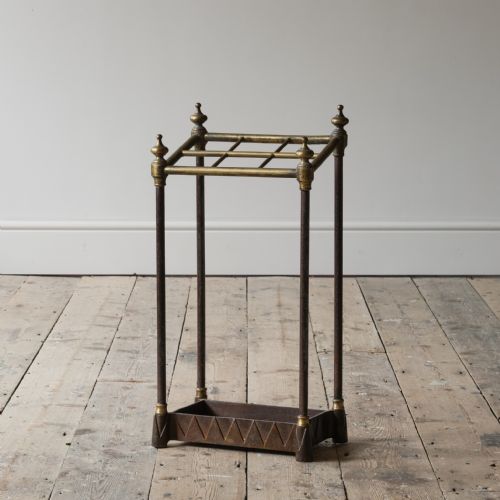
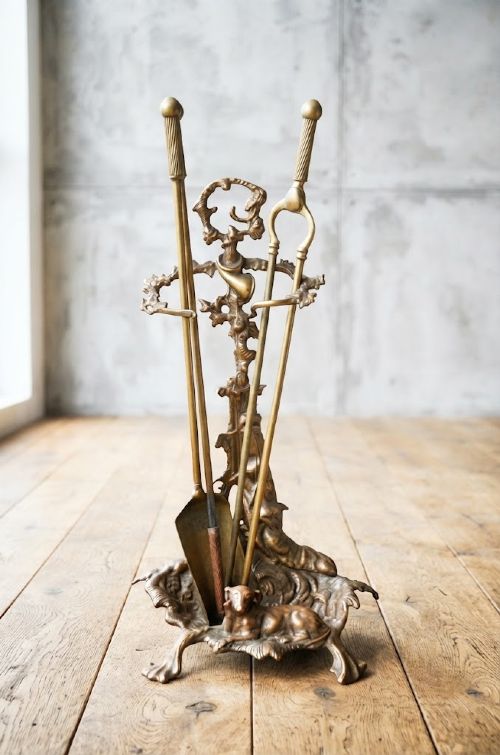
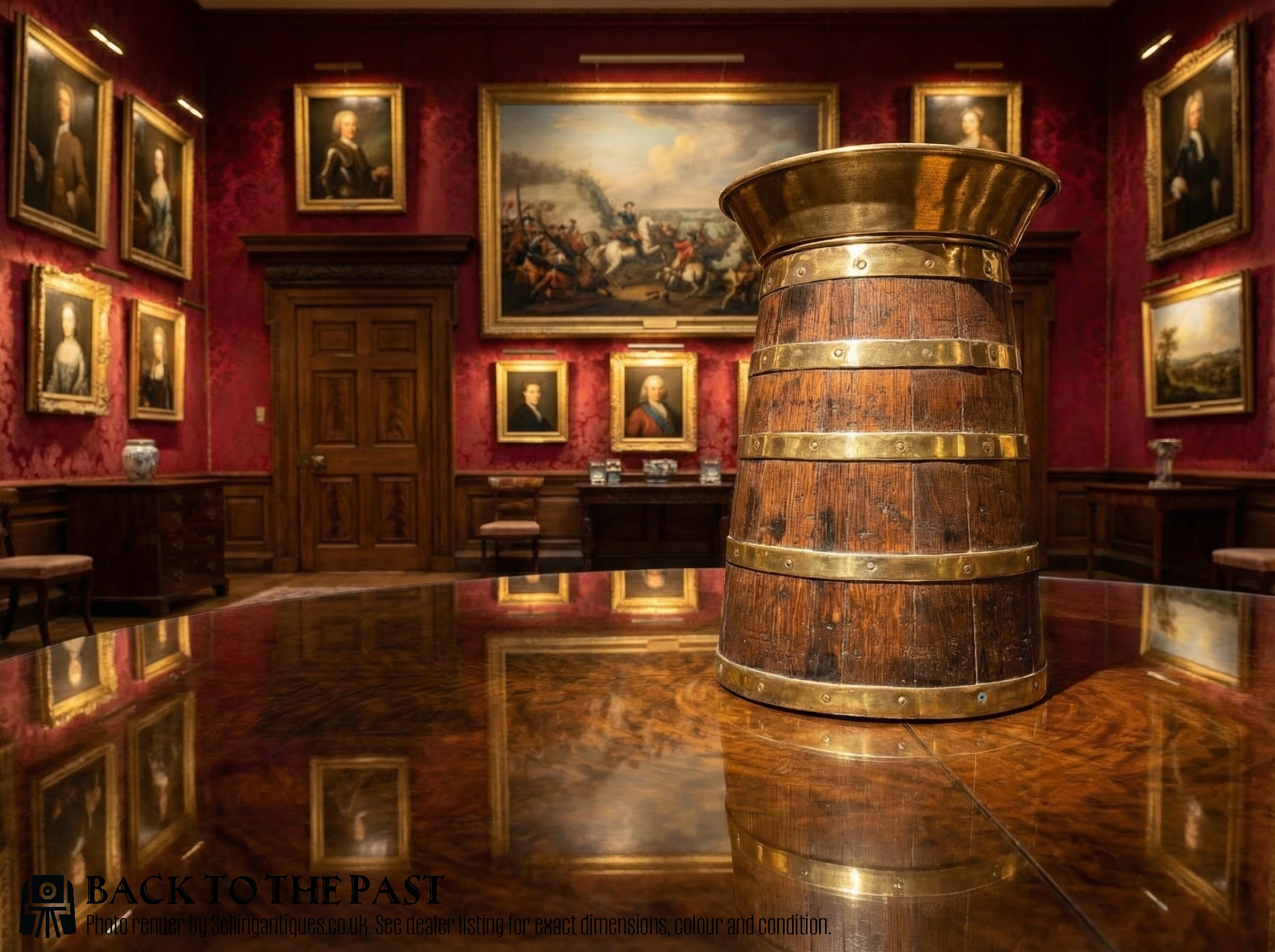
Makers constructed these pieces using durable materials suited to handling wet items, frequently combining cast iron, brass, and oak. Coopered wooden barrels utilise metal bands to secure staves together, while cast iron models often incorporate intricate moulded patterns or faux bamboo detailing.
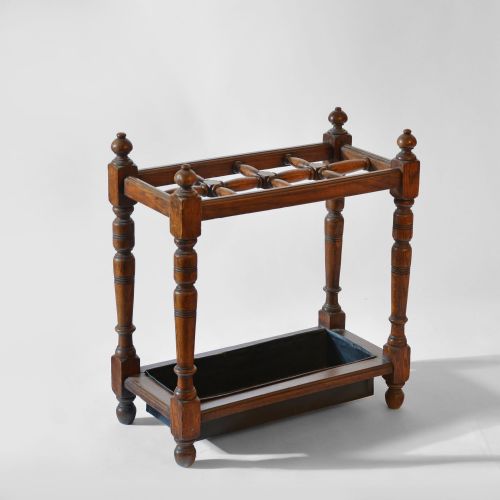
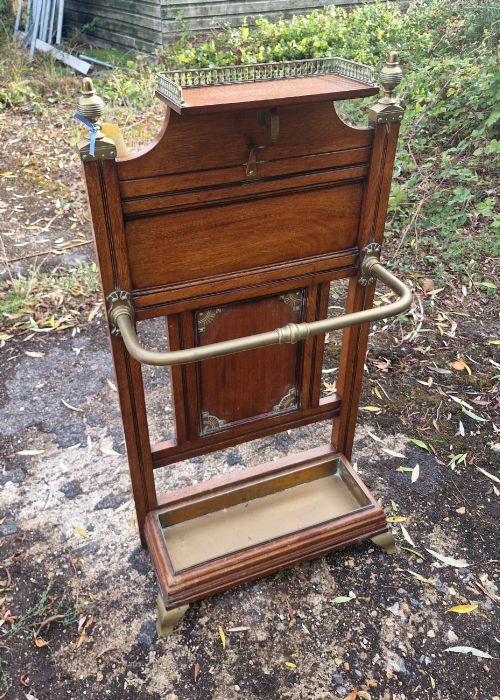
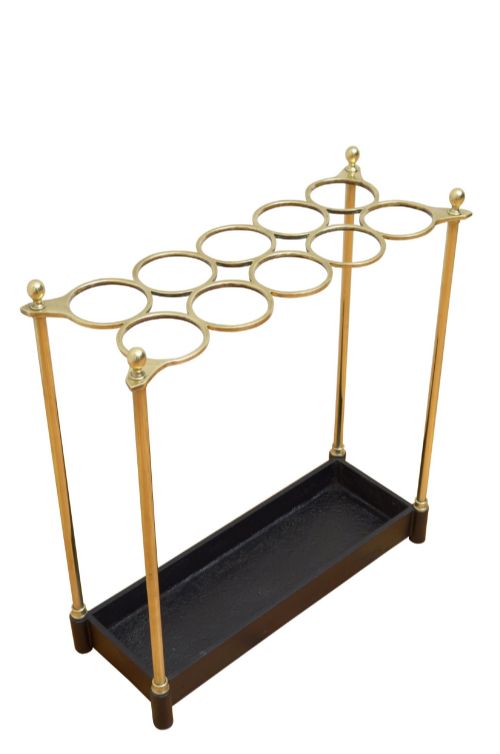
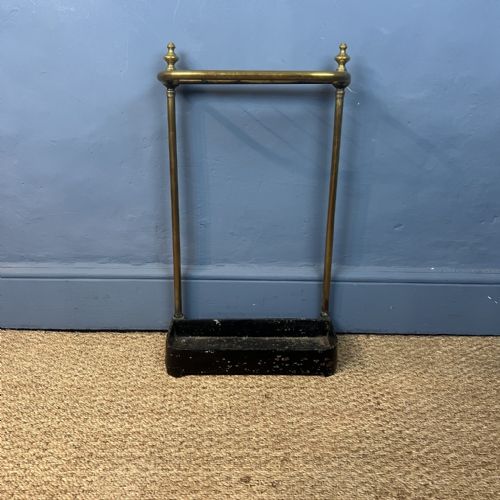
Internal management of moisture involved fitted metal drip trays placed at the base to catch water from umbrellas. Brass components included decorative finials, handles, and framework that provided structural contrast to the timber or iron bodies.
Vintage Cane Stand Retail Price Guide 2026
Typical asking prices for vintage cane stand among the pieces listed under this phrase on Sellingantiques today, from the lower quarter to the upper quarter. They describe what is for sale here now, not the wider market.
Quality and Craftsmanship
Differentiation in quality rests upon the sophistication of the casting or joinery and the integrity of the original components. Fine examples display crisp moulding in ironwork or precise cooperage in timber, whilst lesser pieces show simpler construction.
The survival of original elements, such as matching metal drip trays and authentic decorative finials, distinguishes superior examples. The application of specialist finishes, from nickel plating to japanning, indicates the intended grade of the original production.
Coalbrookdale·Thonet
The Vintage Cane Stand Glossary
- Demi-lune
- A half-moon shape designed to allow furniture to stand flush against a hallway wall. This profile minimises obstruction in narrow entrance spaces.
- Drip tray
- A removable metal basin located at the base of the stand to catch water from wet umbrellas. These are essential functional components.
- Coopered
- Constructed from wooden staves bound together with metal hoops, mimicking barrel-making techniques. This method provides strength for holding heavy sticks.
- Japanning
- A European imitation of East Asian lacquer work applied to furniture and metal surfaces. It creates a dark, glossy decorative finish.
- Finial
- A decorative ornament fixed to the top of posts or corners. They add architectural detail to the structure of metal stands.
Vintage Cane Stand: Frequently Asked Questions
Where should I place a cane stand?
Position the stand near the primary entrance of a home to manage outdoor wear effectively. This placement provides immediate access upon arrival.
Ensure adequate floor clearance so the piece sits securely against a wall without obstructing doorways or passageways.
How do I care for metal components?
Maintain brass and cast iron elements by dusting regularly with a dry cloth to prevent surface accumulation. Avoid harsh chemical cleaners that strip patination.
Check metal drip trays periodically for moisture retention and dry them thoroughly to protect the underlying material from deterioration.
Can these stands hold walking sticks safely?
The interior divisions and ring tops secure individual walking sticks and umbrellas in an upright position. This prevents items from sliding or falling.
Stands with multiple internal partitions suit larger collections, keeping individual items separated and easily accessible.
How do I identify an Edwardian stand?
Edwardian pieces often feature lighter oak timbers and refined brass fittings compared to earlier Victorian designs. The aesthetic reflects a shift towards simpler domestic interiors.
Look for constructed details such as dog-tooth trays or characteristic early twentieth-century manufacturing labels and stamps.