
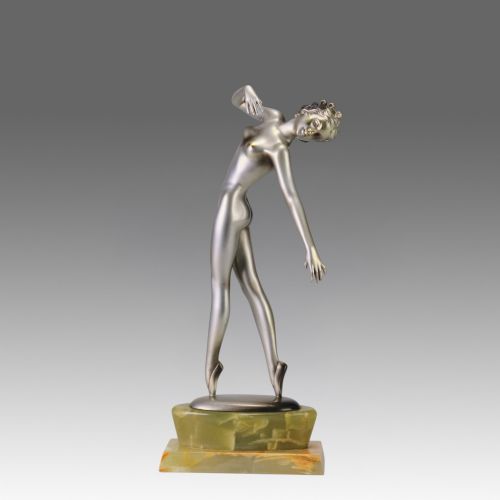

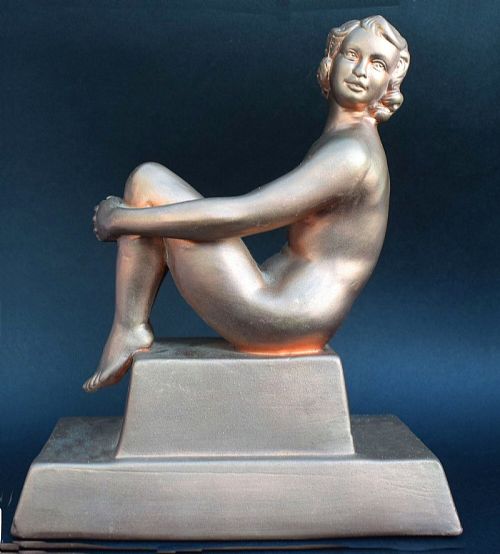

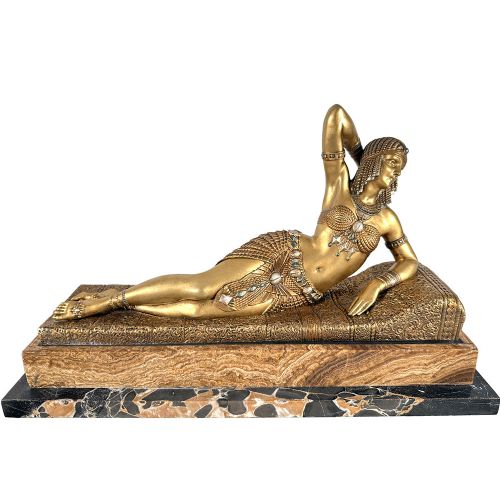


Vintage Bronze Nude Statue
A vintage bronze nude statue captures the human form through the dynamic lens of late nineteenth and early twentieth century sculpture.
Vintage Bronze Nude Statue
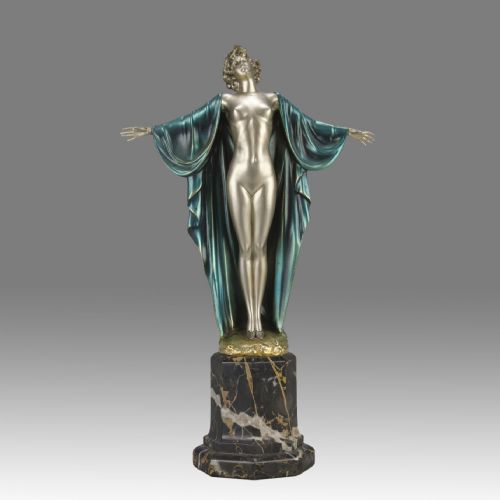
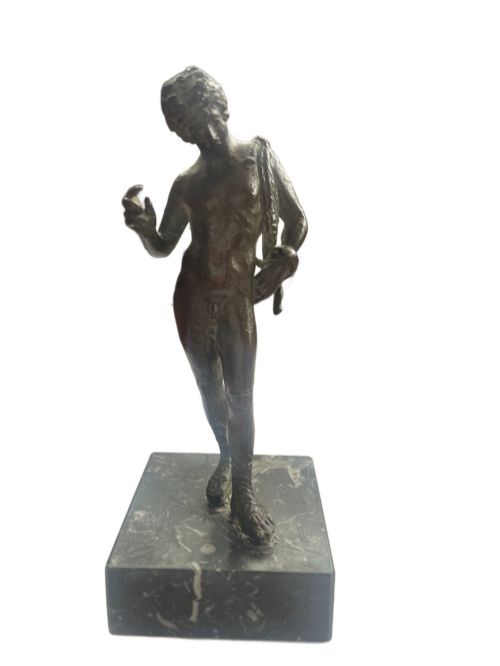
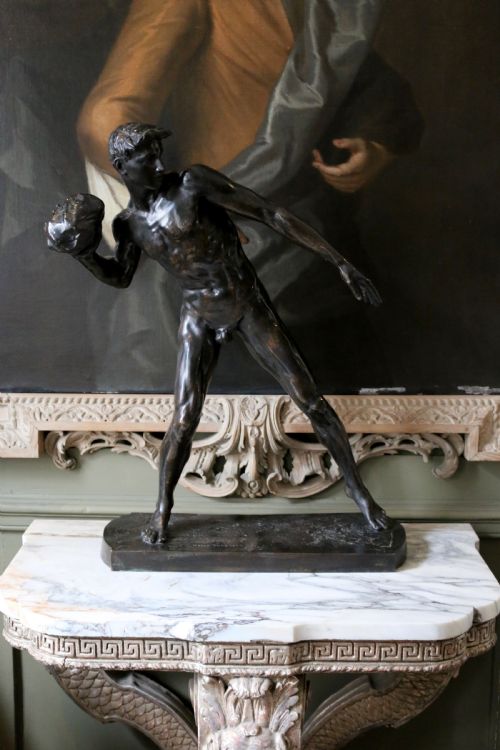
A vintage bronze nude statue encompasses diverse figurative works spanning the nineteenth century through the art deco period. Buyers encounter academic realisms, grand tour souvenirs, and stylised modernist figures originating from European workshops.
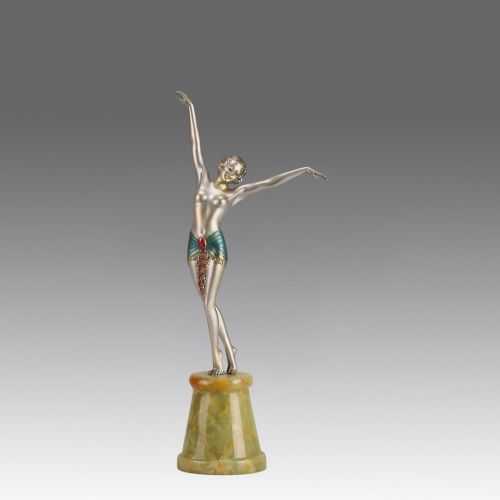
The most common examples on this page date from the nineteen-twenties and nineteen-thirties, capturing the energetic lines of dancers, athletes, and mythological subjects. These pieces frequently integrate functional elements such as table lamps and car mascots alongside traditional sculptural statuettes.
The periods represented stretch from late Victorian productions through the height of art nouveau and art deco movements. Figures range from small cabinet bronzes to substantial studies mounted on stone bases.
How They Were Made
Foundries utilised the lost-wax casting technique to capture intricate details in bronze, patinated metal, and silvered bronze. Cold-painting applied vibrant colour directly to the metallic surface, while gilt finishes provided rich metallic lustre.
Sculptures are frequently mounted on heavy supportive bases formed from marble, onyx, or fossil marble. These stone plinths ground the slender metallic figures and provide necessary balance to dynamic poses.
The selection spans historical periods from the nineteenth century through the nineteen-thirties art deco movement.
What Varies in Quality
Quality rests in the crispness of the chased surface detail and the sophistication of the casting finish. Master founders retained sharp musculature, delicate facial expressions, and fluid drapery without obscuring the artist's original touch under heavy patination.
The integration of the figure with its base distinguishes standard productions from exceptional works. Fine examples demonstrate harmonious proportions between the metallic subject and dense materials like carved marble or onyx.
Ferdinand Preiss·Josef Lorenzl·Sibylle May·Demetre Chiparus·Maurice Guiraud Riviere·Pierre Le Faguays·Paul de Boulogne·Ugo Cipriani·C Neuhaus·Bruno Zach·Gustav Adolf Daumiller·Mario Korbel
The Vintage Bronze Nude Statue Glossary
- Patination
- The chemical treatment or natural ageing applied to the metal surface to alter its colour. This process enhances highlights and deepens shadows across the sculpture.
- Cold-painted
- A technique where paint is applied to cold bronze rather than fired in a kiln. This method allows for delicate polychromatic detailing on garments and skin.
- Grand Tour
- Souvenir bronzes modelled after classical antiquities collected by travellers during the nineteenth century. These reductions capture ancient statues in miniature form.
- Spelter
- A zinc alloy frequently utilised as a cost-effective alternative to bronze. It accepts similar patination finishes while maintaining lighter overall weight.
- Car Mascot
- A decorative sculptural ornament mounted upon the radiator cap of an automobile. Many modernist figures were adapted for this mobile display.
Vintage Bronze Nude Statue: Frequently Asked Questions
How do I identify art deco bronzes?
Art deco bronzes display stylised geometric lines, aerodynamic movement, and themes centred on modern dance and athletics. Artists of this era favored sleek silhouettes and simplified anatomical forms.
These pieces frequently incorporate contrasting materials like ivory or multi-coloured patinas, mounted securely upon stepped marble bases characteristic of the nineteen-thirties.
What is a grand tour bronze?
Grand tour bronzes are nineteenth-century reductions of famous classical sculptures collected by European travellers. They served as educational souvenirs and artistic study pieces.
Such statues typically feature dark patination or green verdigris effects designed to mimic excavated classical artefacts discovered in Italy and Greece.
How should I clean my bronze sculpture?
Bronze statues require minimal intervention beyond gentle dusting with a soft, dry cloth. Avoid using commercial metal polishes, chemical solvents, or water, as these substances can strip the original patina.
Applying a very light coat of microcrystalline wax periodically helps protect the metallic surface from environmental moisture and handling oils.
What is cold-painted bronze?
Cold-painted bronze refers to metallic sculptures decorated with non-fired oil or enamel paints applied after casting. This technique gained immense popularity in Austrian foundries during the early twentieth century.
Because the paint sits on the metal surface rather than fusing through heat, these pieces require careful handling to prevent flaking or abrasion.