



Art Deco Figurative Bronze
Art deco figurative bronze pieces capture movement and form through striking metalwork set upon stone bases.
Art Deco Figurative Bronze
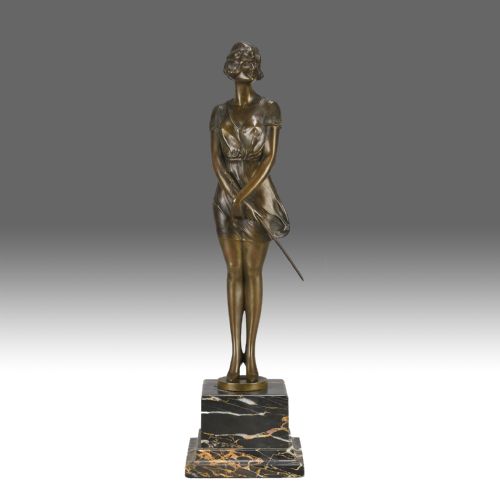
When you search for art deco figurative bronze, you encounter sculptural works and figural lamps dating from the early twentieth century through the nineteen-thirties. These pieces portray female dancers, nudes, athletes, and performers captured in dynamic stances typical of the period.
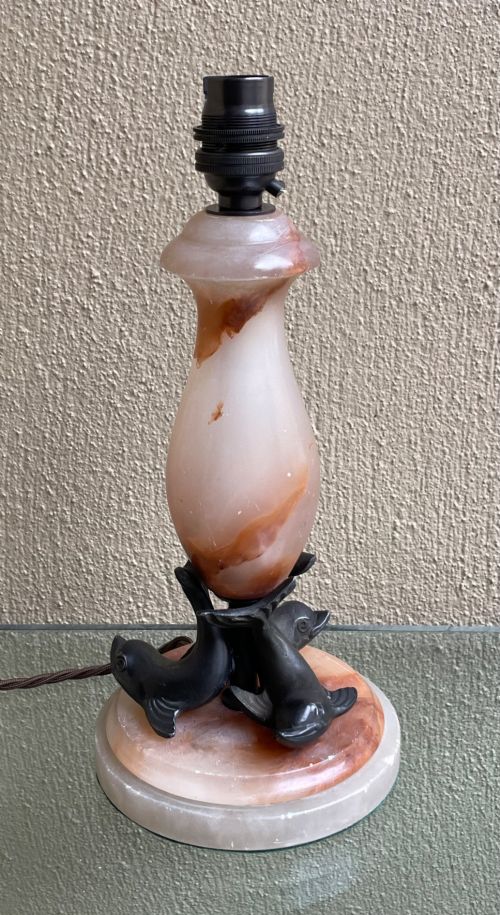
The objects listed here predominantly take the form of bronze and patinated metal sculptures, alongside table lamps and night lights. Many examples mount figures onto bases made of marble, onyx, or alabaster.
French art deco styling dominates these works, reflecting the sleek aesthetic and modernist spirit of the era. Makers often combine cast metal with carved stone elements to create balanced compositions.
How they were made
Artisans cast these sculptures using traditional metalworking techniques, utilising bronze, gilt bronze, and patinated metal to shape human figures and decorative elements. Spelter also appears as an alternative metal medium in lamp production.
Sculptors mounted their cast figures onto heavy natural stone plinths, incorporating carved marble, onyx, and alabaster into the structural design of lamps and statues. Wood occasionally provides an alternative mounting material for the bases.
A solitary pierrot playing an accordion keeps watch from a perch of spelter and marble.
What varies in quality
The distinction between standard and superior pieces rests upon the precision of the casting and the fidelity of the surface patination. Finer works display crisp anatomical details and carefully applied finishes that highlight the contours of the figure.
The choice and quality of the mounting material also define the tier of the piece. Denser marbles and finely carved alabaster or onyx elevate the overall presence of the sculpture compared to simpler wooden or basic metal bases.
Bruno Zach·Josef Lorenzl·Zoldan Kovats·Ferdinand Preiss·Elizabeth Anna Clapp
The Art Deco Figurative Bronze Glossary
- Patinated metal
- Metal treated with chemical solutions to produce a specific surface colour and tone. This finish protects the metal and enhances the visual depth of the sculpture.
- Gilt bronze
- Bronze coated with a thin layer of gold to give a rich, reflective surface. It appears frequently on decorative figures from the period.
- Spelter
- A zinc alloy used as a cost-effective substitute for bronze in decorative figures and lamps. It takes patination well but possesses a lighter weight than true bronze.
- Alabaster
- A fine-grained, translucent stone used for carving decorative objects and lamp bases. Its natural veining allows light to diffuse softly when used in lighting fixtures.
- Onyx
- A banded variety of chalcedony used for sculptural bases. The distinct stone strata provide a polished, decorative foundation for metal figures.
Art Deco Figurative Bronze: Frequently Asked Questions
What is art deco figurative bronze?
Art deco figurative bronze refers to sculptural works and figural lamps produced during the early twentieth century, spanning the nineteen-tens through the nineteen-thirties. These pieces depict human subjects, including dancers and athletes, cast in metal.
The works reflect the characteristic design sensibilities of the period, emphasising stylised forms and dynamic movement. Many examples combine cast metal figures with stone bases made of marble or onyx.
How do I identify a lamp?
Figurative lamps from this period integrate functional lighting elements directly into the sculptural composition. You will typically find electrical fittings, bulbs, or shade holders accompanying the central metal figure.
Materials such as carved alabaster and marble frequently form the lamp bodies or structural shades, differentiating them from solid standalone sculptures.
What materials are used?
The primary materials include bronze, gilt bronze, patinated metal, and spelter for the figures. These are paired with natural stones for the supporting bases.
Common mounting materials consist of marble, onyx, alabaster, and wood. Each combination provides stability and visual contrast to the metalwork.
How do I date these pieces?
Dating relies on stylistic markers associated with the period from nineteen-ten to nineteen-thirty, alongside maker attributions where present. The geometric lines, subject matter, and casting methods align with early twentieth-century manufacturing practices.
Comparative analysis of known works by sculptors active during these decades helps establish the timeframe of production.