

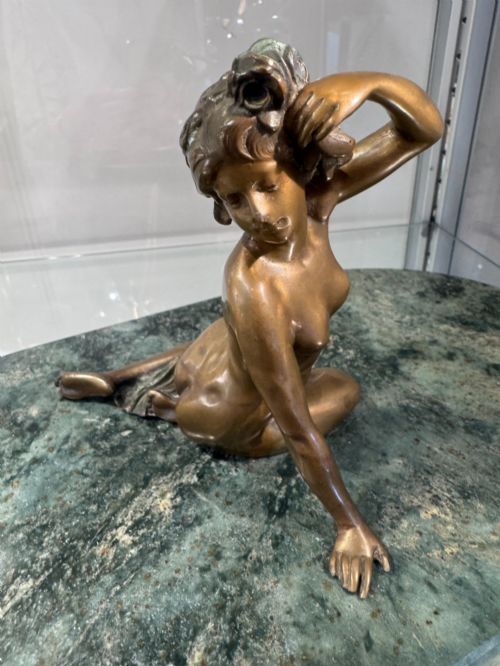
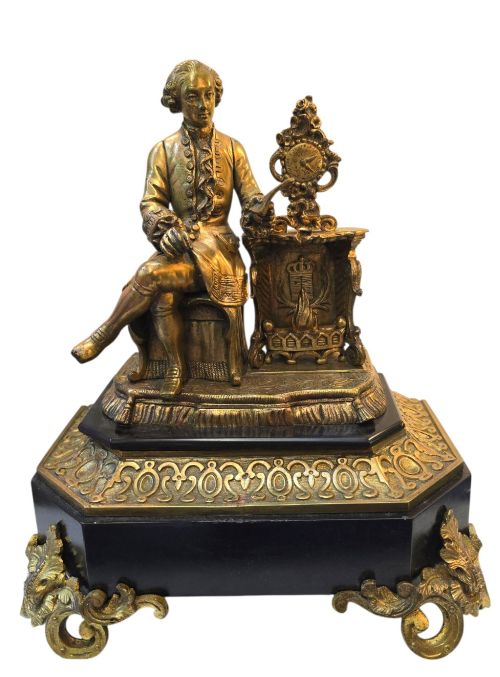
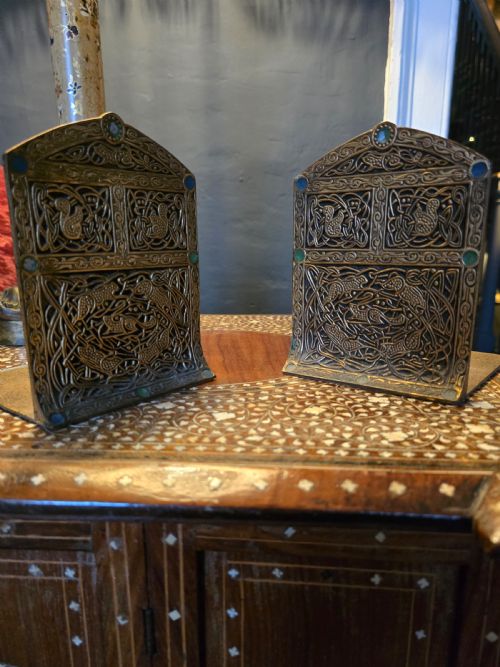


Gilt Bronze Desk Ornament
These gilt bronze desk ornament examples combine metalwork and utility, offering functional elegance for a workspace through sculptures, inkwells, and bookends.
Gilt Bronze Desk Ornament
A gilt bronze desk ornament serves both a practical function and a decorative purpose on a writing table or library surface. You encounter these items in forms such as inkwells, paperweights, bookends, and letter openers, alongside standalone statuettes and figural sculptures.
The selection ranges from sixteenth-century Ming Dynasty scholar's pieces to nineteenth-century French animalier works and twentieth-century Art Deco figures. French nineteenth-century neoclassical and animalier styles appear frequently among the listings.
Makers and foundries from France, America, and Britain produced these items to accessorise elite desks. Collectors find them in configurations paired with materials like marble, malachite, onyx, and glass.
What varies in quality
The integration of secondary materials like carved marble or genuine malachite affects the overall stature of the piece. Foundries known for high artistic output maintain crisper casting lines and heavier bronze weight.
Gilt Bronze Desk Ornament Retail Price Guide 2026
Typical asking prices for gilt bronze desk ornament among the pieces listed under this phrase on Sellingantiques today, from the lower quarter to the upper quarter. They describe what is for sale here now, not the wider market.
A stoic porcelain-eyed stag stares back from nineteenth-century England, guarding your ink while holding secrets in its glass gaze.
Tiffany Studios New York·Antoine Louis Barye·Jennings Brothers·Barbedienne·Aug Moreau
The Gilt Bronze Desk Ornament Glossary
- Ormolu
- Gilt bronze produced by applying a finely ground high-carat gold-mercury amalgam to a bronze object. This technique creates a rich golden surface finish typical of French decorative pieces.
- Animalier
- A nineteenth-century artistic style focused on the realistic depiction of animals. Sculptors in this tradition captured creatures in dynamic or resting poses.
- Champlevé
- An enamelling technique where troughs or cells are sunk into the surface of the metal and filled with vitreous enamel powder before firing. It creates vibrant decorative patterns.
- Fire gilding
- A historical coating process involving mercury and gold heated to bond the precious metal to bronze. This method produces a durable and luminous finish.
- Car mascot
- A sculptural ornament mounted on the bonnet of a motor vehicle or utilised as a desk display piece. These figures range from historical portraits to symbolic animals.
Gilt Bronze Desk Ornament: Frequently Asked Questions
How do I clean a gilt bronze desk ornament?
Dust the surface gently with a soft, dry artist brush to remove particles without disturbing the metal finish. Avoid commercial chemical cleaners or abrasive cloths that can strip the delicate gold leaf or fire gilding.
Keep the piece away from direct sunlight and damp environments to protect any integrated stone bases or glass elements. Professional conservation is advisable if the bronze requires deep intervention.
Were these items meant for daily use?
Desk ornaments such as inkwells, letter openers, and paperweights were manufactured for active service in studies and offices. Wealthy owners used them routinely while corresponding or managing estate documents.
Over decades, handling created natural wear patterns on the raised areas of the gilding. This gentle rubbing often confirms the age and historical utility of the piece.
How do I distinguish French animalier bronzes?
French animalier pieces display intense anatomical accuracy derived from artists studying animals in menageries. Look for expressive postures in subjects like storks, rabbits, and poodles.
These sculptures often bear foundry marks or artist signatures along the bronze base edge. They reflect a nineteenth-century obsession with naturalism in decorative art.
What is the difference between ormolu and gilt bronze?
Ormolu specifically denotes the mercury-gilding process perfected by French bronziers in the eighteenth and nineteenth centuries. The term applies to decorative mounts and ornaments with a bright, durable golden lustre.
Gilt bronze is a broader descriptive term for any bronze object coated in gold leaf or gold paint. Both materials require careful handling to preserve the metallic layer.