



Vintage Brass Wine Cooler
A vintage brass wine cooler holds bottles at the table or houses plants, bringing rich metalwork and dark timber into a room.
Vintage Brass Wine Cooler
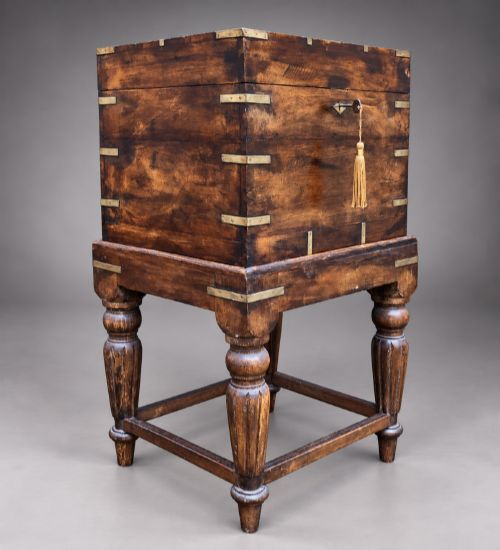
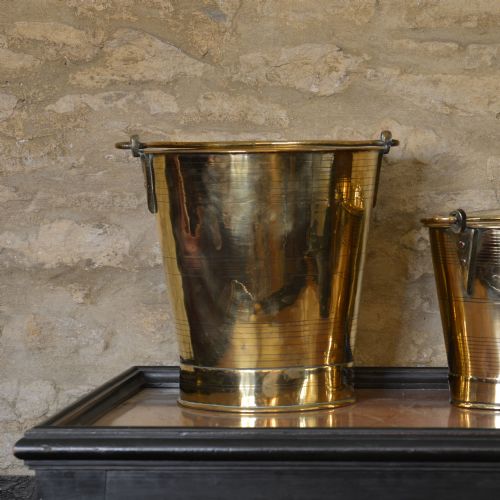
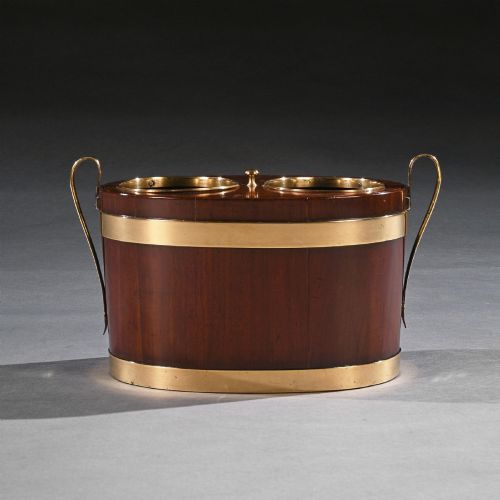
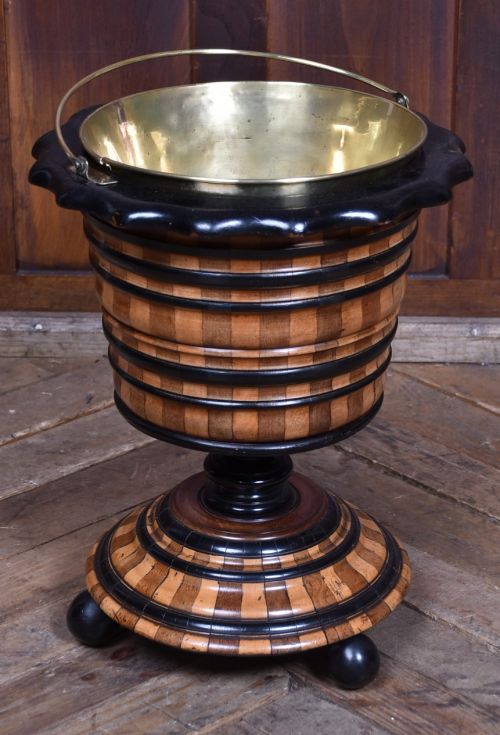
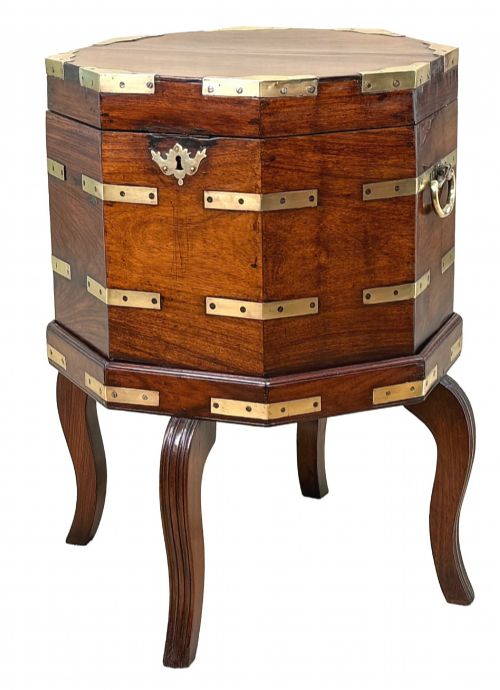
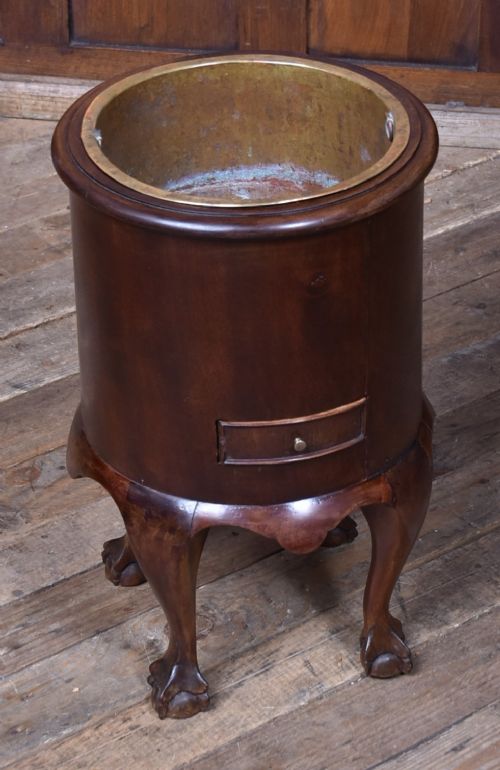
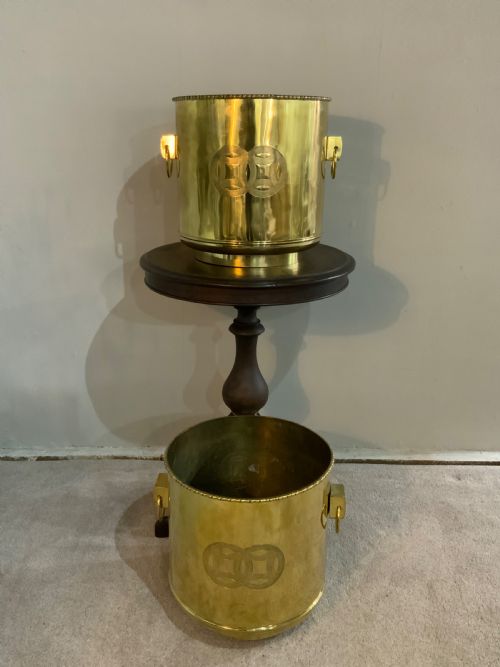
A vintage brass wine cooler comprises vessels, buckets, and cellarettes designed for chilling wine or displaying plants, often taking forms that span the eighteenth, nineteenth, and early twentieth centuries. Pieces appearing in this selection range from Georgian mahogany and walnut oval cellarettes with brass binding to Victorian jardinières, Edwardian coopered oak barrels, and Anglo-Indian campaign buckets.
Buyers meet variations that include French Art Nouveau champagne buckets, Dutch teak and mahogany planters with brass liners, and nineteenth-century cylindrical or boat-shaped vessels. Many examples double as jardinières or plant stands, reflecting the versatile domestic roles these metal-mounted wooden containers fulfilled across different periods.
Origins stretch across English workshops, continental Europe, and Anglo-Indian trade routes, uniting diverse cabinet-making traditions with robust metalwork. Whether encountering a coopered barrel from nineteen hundred or a polished campaign bucket from the nineteenth century, each form serves both a functional and a decorative purpose in the interior.
How they were made
Construction relies heavily on cooperage and cabinetry, combining solid timbers like mahogany, oak, walnut, teak, and box tree with structural metal elements. Artisans bound wooden staves with brass bands or incorporated cast, embossed, and pierced brass sheets, liners, and mounts to create watertight vessels and sturdy stands.
Techniques range from traditional hand-coopered barrel assembly and polished wood turning to decorative repoussé work on brass bodies. Metal components are secured with careful riveting or fastened to timber frames, while liners of zinc, copper, or brass protect the wooden structures from moisture.
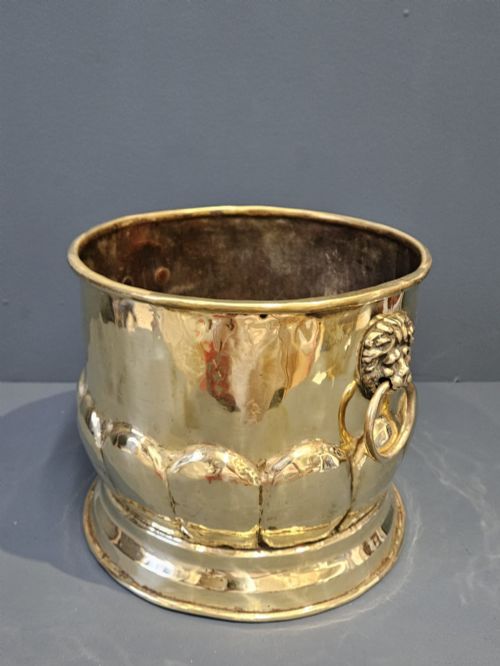
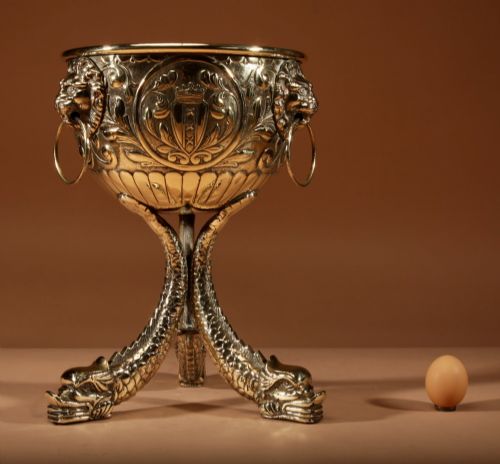
Several brass repoussé planters incorporate animal heads into their design, keeping a watchful glass eye on the dinner table.
What varies in quality
Quality rests in the weight of the brass, the depth of the repoussé or cast detail, and the integrity of the underlying timber. Superior examples display crisp chasing on metal mounts, tight stave construction in coopered pieces, and well-figured mahogany, walnut, or padouk timbers.
The degree of original matching hardware, the presence of fitted metal liners, and the balance between the brasswork and the wooden stand separate standard utility pieces from finer decorative works. Finer items maintain structural harmony between the vessel and its base, with uncompromised joinery and patinated metal surfaces.
The Vintage Brass Wine Cooler Glossary
- Cellarette
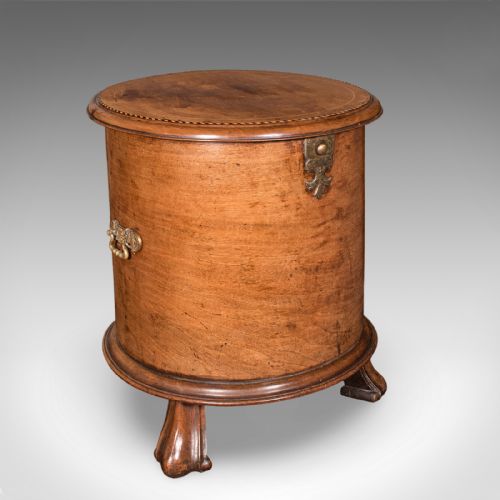
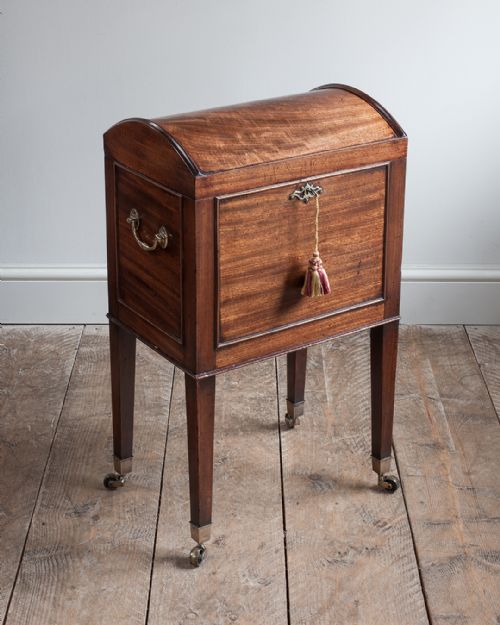
- A lockable container or box designed to hold wine bottles near the dining table. They frequently feature internal partitions and secure brass binding.
- Coopered
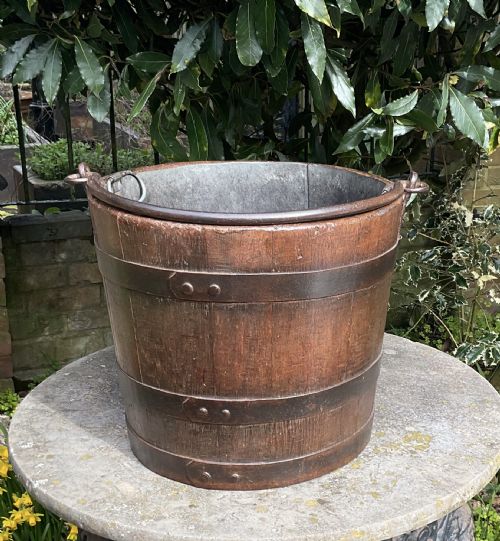
- Constructed from wooden staves fitted together and bound with metal hoops, much like a barrel. This technique ensures watertight integrity for holding ice and bottles.
- Jardiniere
- An ornamental pot or stand intended for holding plants or flowers. Many examples share forms with wine coolers and incorporate brass liners.
- Repoussé
- Metalworking technique where the metal is hammered into relief from the reverse side. This creates decorative patterns and animal or floral motifs on brass bodies.
- Teestoof
- A traditional Dutch warming vessel often fitted with a metal liner. These pieces frequently appear in walnut or ebony with brass elements.
Vintage Brass Wine Cooler: Frequently Asked Questions
What is a vintage brass wine cooler used for?
These vessels originally served to chill wine and spirits at the dining table using ice and water. Today, many owners repurpose them as planters, jardinières, or decorative umbrella stands in the hallway.
Their robust metal liners and waterproof construction make them practical for holding potted plants or cooling multiple bottles during gatherings.
How do I tell a wine cooler from a jardinière?
Wine coolers and cellarettes often feature sturdy wooden stands, drop handles for carrying, and internal divisions for bottles. Jardinières tend to be open basins or buckets intended purely for holding soil and plants.
However, many nineteenth-century pieces were designed for dual purposes, functioning equally well as wine buckets or plant holders depending on domestic needs.
What woods are commonly found on these coolers?
Mahogany, oak, walnut, and teak appear frequently across the available pieces, often selected for their density and rich grain. Coopered items generally use oak or exotic hardwoods for the staves.
These timbers provide a stable structural contrast to the bright brass bands, liners, and decorative mounts.
Are liners always included with these coolers?
Many pieces retain their original or replacement metal liners made from zinc, copper, or brass. These liners protected the wooden framework from moisture damage when ice or water was added.
When a liner is absent, the piece may have been adapted over time for dry storage or plant display.