


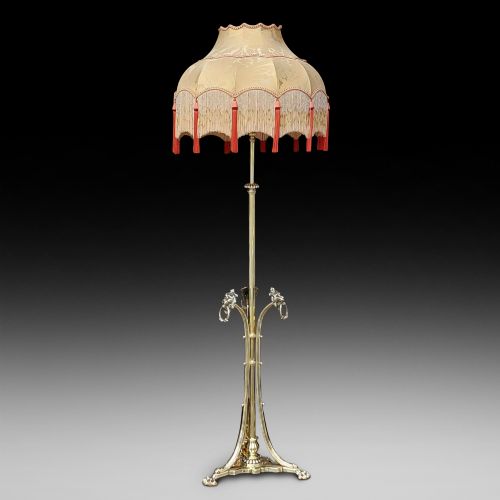
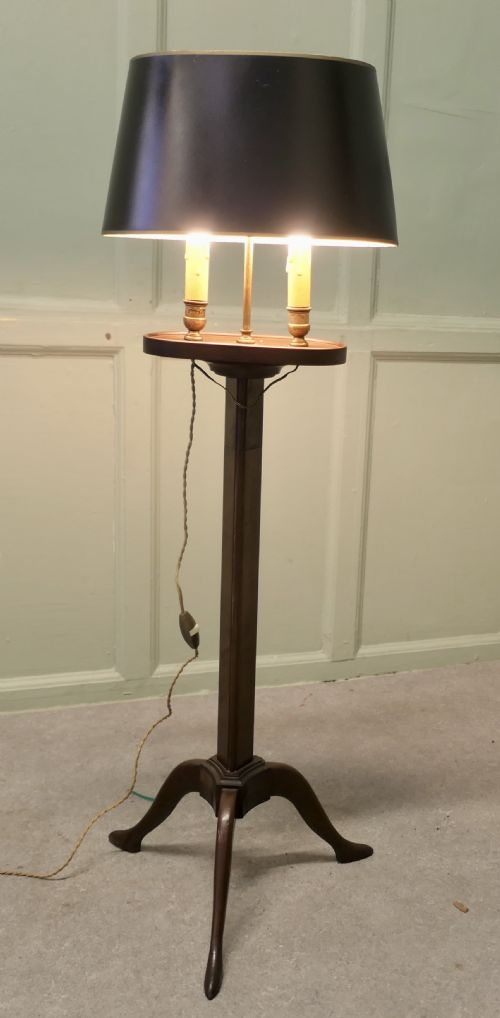
Vintage Brass Standing Light
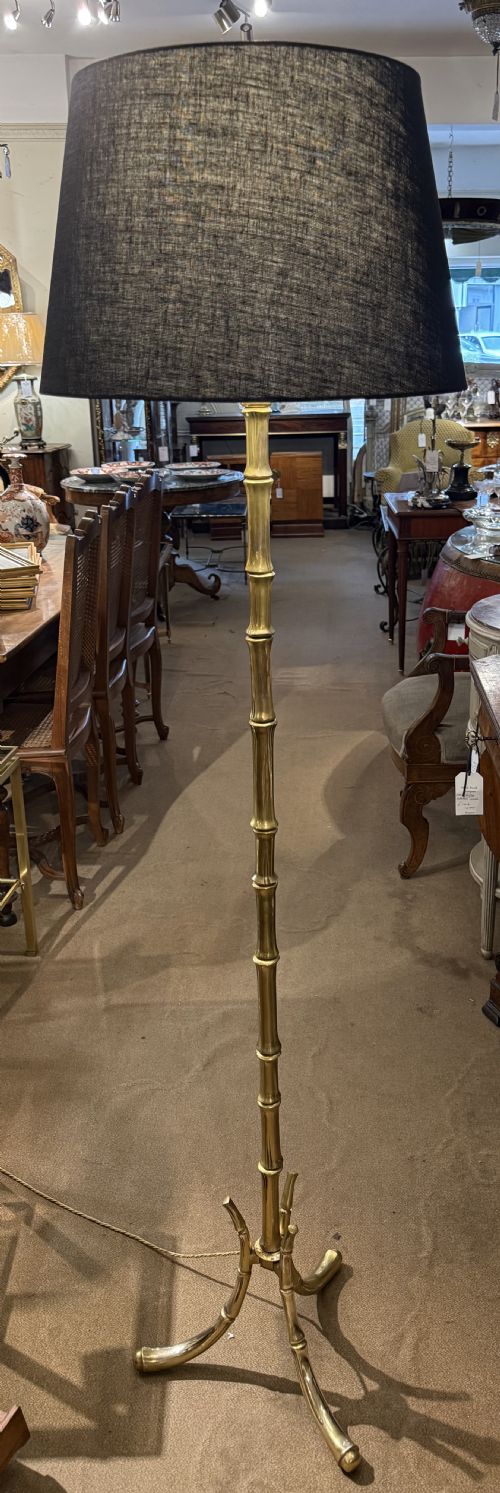
These vintage brass standing light pieces combine useful illumination with solid metal construction, appealing to collectors of period interior metalwork.
Vintage Brass Standing Light
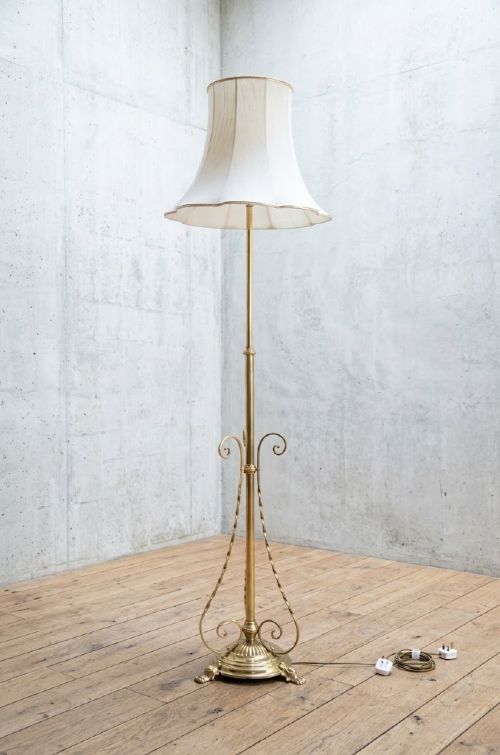
A vintage brass standing light brings together tall floor lamps, standard lamps, and adjustable oil standards found across nineteenth and early twentieth century periods.
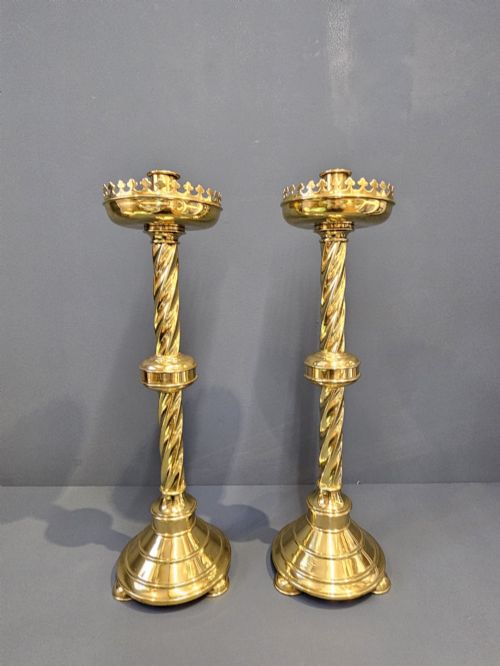
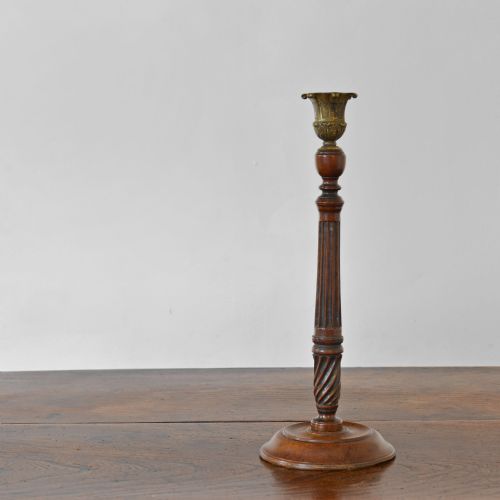
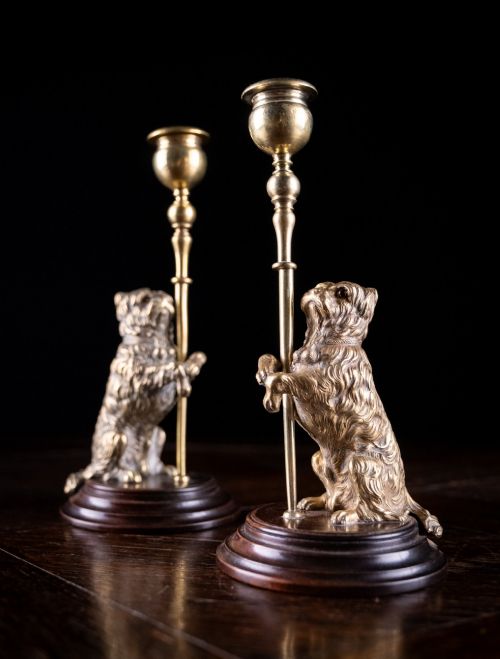
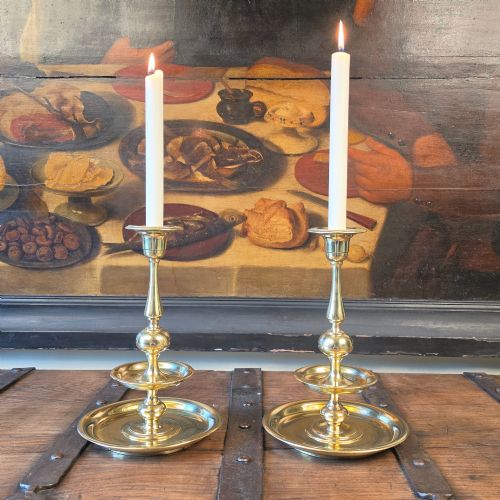
The selection here draws heavily on Victorian, Edwardian, and Arts and Crafts examples, alongside tall candlesticks and candelabra adapted for modern spaces.
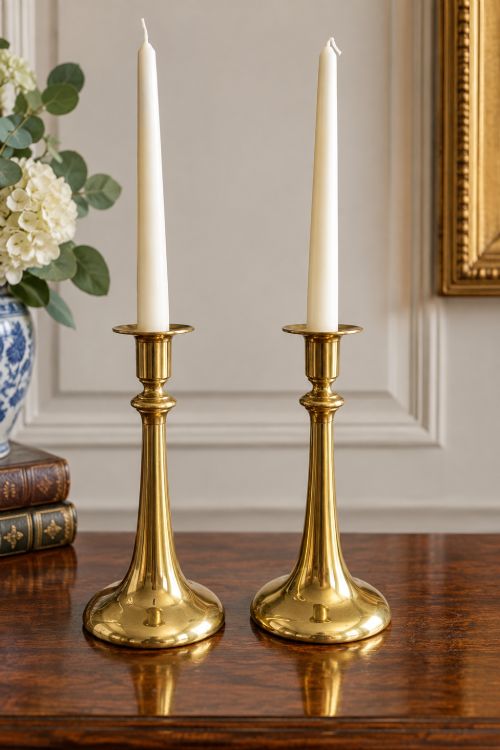
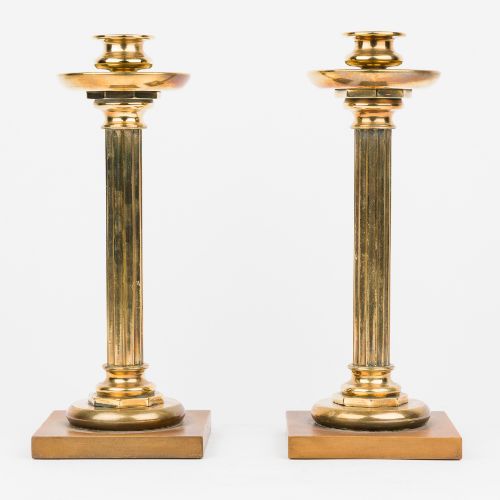
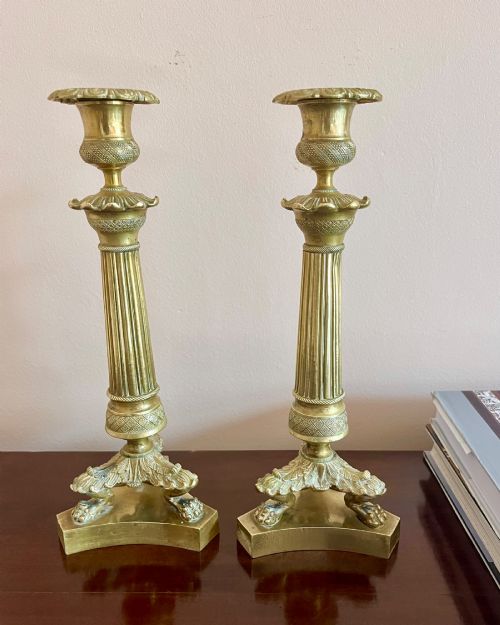
Buyers meet standard lamps with height adjustment mechanisms, alongside church candlesticks and floor-standing lighting fixtures.
Materials and Technique
Metalwork relies on cast brass, gilt bronze, copper, and cast iron, often paired with fabric shades and wooden elements like mahogany.
Workshop methods involve seamed construction, patination, and articulated joints designed for height adjustment on standard lamps.
Surface finish varies from polished or gilt surfaces to patinated brass and champleve enamel detailing with onyx.
Some nineteenth-century floor standards come equipped with hidden internal weights to prevent tipping when adjusted.
Standard and Execution
Superior examples display crisp casting detail in ornate ormolu and champleve sections, whereas simpler utilitarian pieces maintain basic form.
The integrity of mechanical adjustment mechanisms and weighted bases separates well-engineered floor standards from lighter constructions.
Maison Bagues·Hinks of B'ham·J.T. & Co
The Vintage Brass Standing Light Glossary
- Standard lamp
- A tall floor-standing lamp designed to illuminate a room from a vertical brass shaft.
- Pricket candlestick
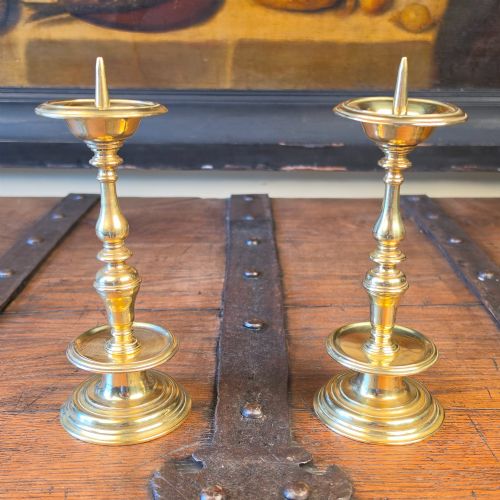
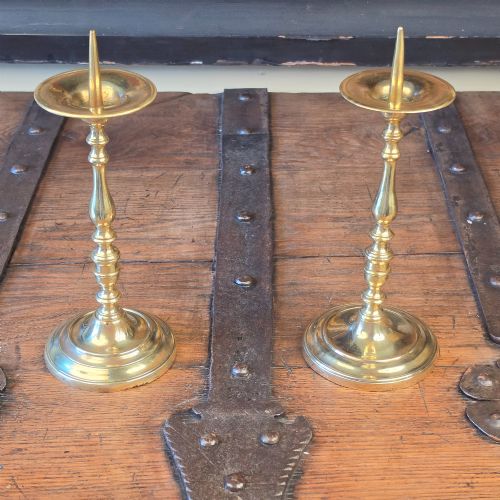
- A candlestick featuring a sharp metal spike on top to secure a candle, common in church lighting.
- Ejector candlestick
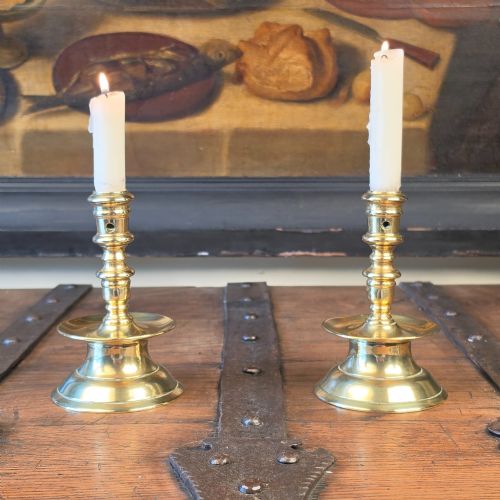
- A candlestick fitted with an internal push-rod mechanism to remove spent candle stubs easily.
- Champleve
- An enamelling technique where metal troughs are filled with vitreous enamel paste and fired.
Vintage Brass Standing Light: Frequently Asked Questions
How do I wire a vintage standard lamp?
Rewiring requires threading modern flexible cable through the internal brass shaft of the lamp. A qualified electrician should handle the installation to ensure safety.
Original brass lamp holders can often be retained if they meet current electrical standards, preserving the historic appearance of the metalwork.
What periods do these standing lights cover?
The lighting selection spans eighteenth-century Georgian designs through Victorian, Edwardian, and Arts and Crafts periods up to the early twentieth century. Styles range from Gothic Revival to Art Nouveau and Empire.
Victorian and Arts and Crafts standard lamps form a large portion of the available standing lighting fixtures.
How are adjustable floor lamps used?
Adjustable brass standards allow the user to raise or lower the light source using sliding keys or screw mechanisms. They function well beside armchairs or reading desks.
Care should be taken when operating nineteenth-century screw keys to avoid stripping the threaded brass components.
Can I polish vintage brass standing lights?
Brass lighting may be gently cleaned with a soft cloth to remove dust. Aggressive metal polishes strip historical patination and dull the warm tone acquired over centuries.
Leaving the natural surface untouched maintains the antique character of Victorian and Georgian metalwork.