
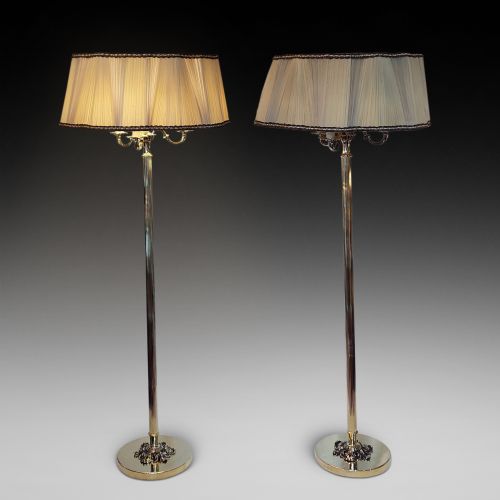


1920s Floor Lamp
A 1920s floor lamp brings height and diffused illumination to a room, combining practical lighting with the sculptural forms of the interwar period.
1920s Floor Lamp
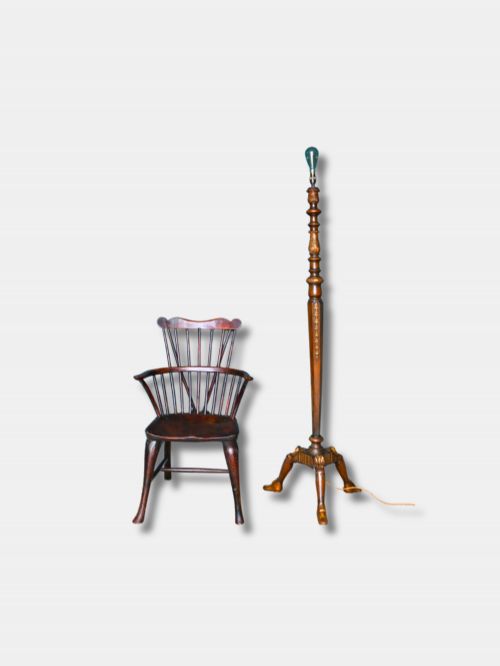
A 1920s floor lamp, often catalogued as a standard lamp, stands as a tall vertical pillar designed to light a space without occupying table surface. The pieces on this page span the 1920 and 1930 periods, encompassing both standard lamp formats and lamp tables.
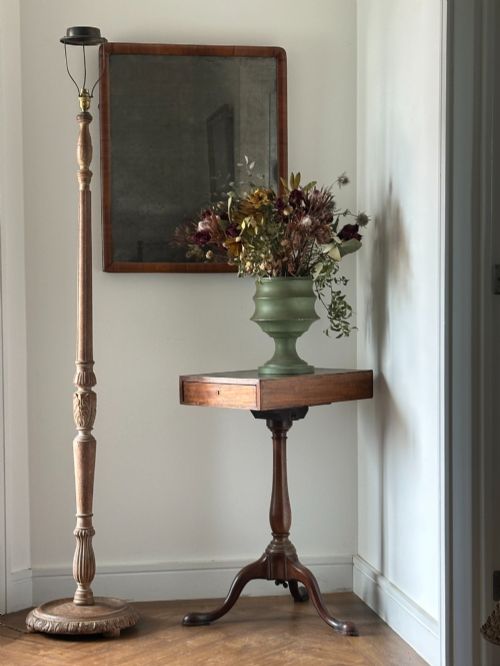
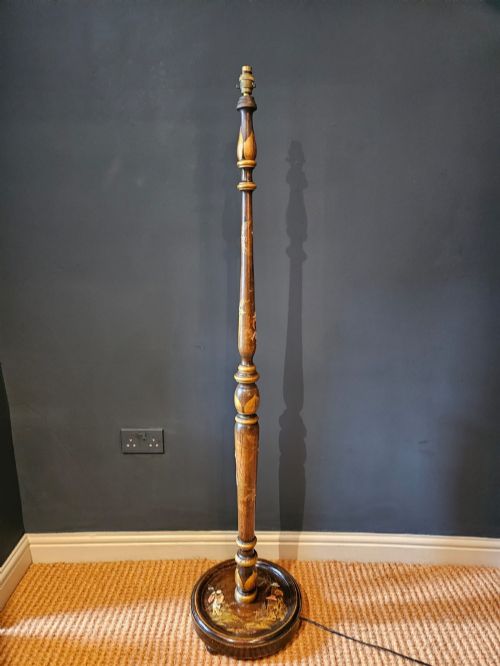
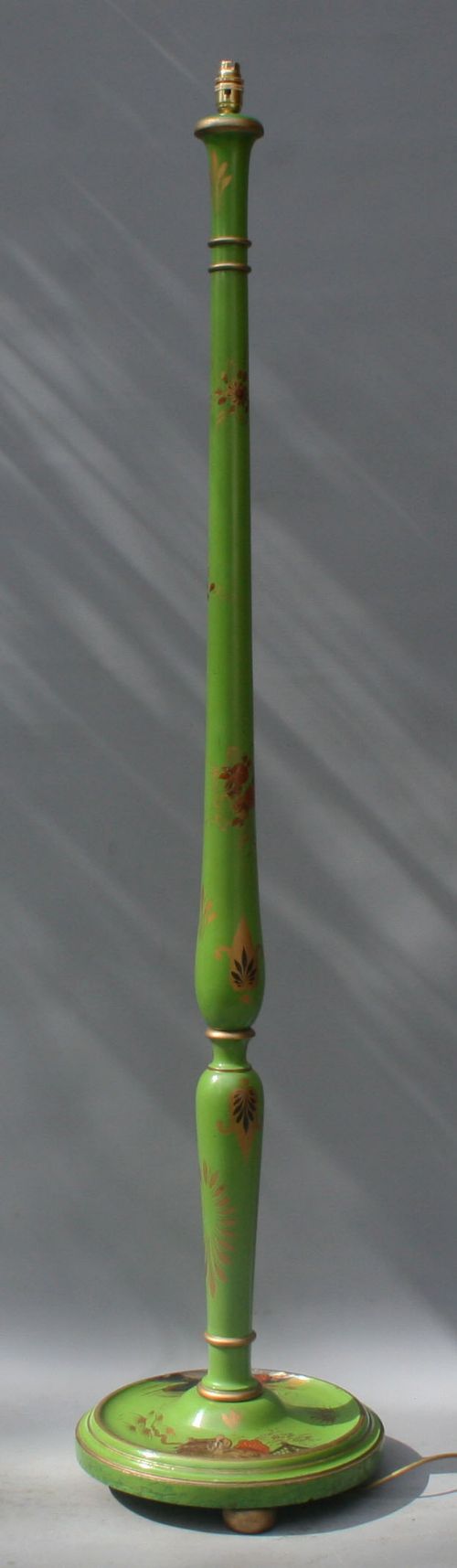
Stylistically, these pieces draw on Art Deco, Chinoiserie, and various revivals including Georgian and Classical motifs. You will encounter straightforward timber shafts alongside more elaborate decorated standards from French and Italian workshops.
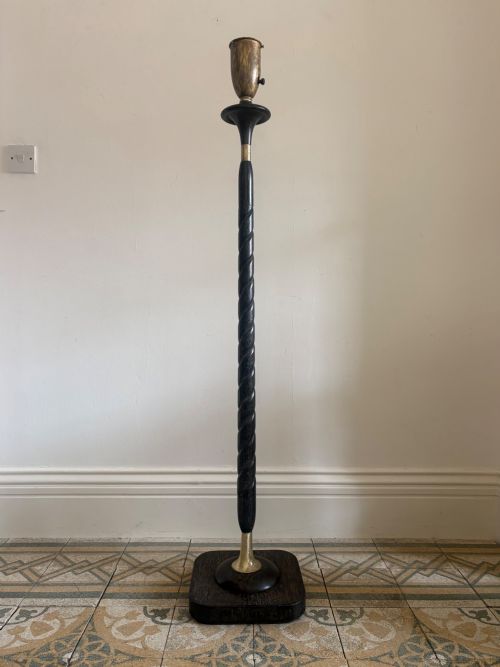
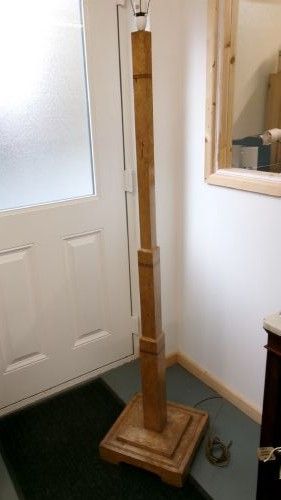
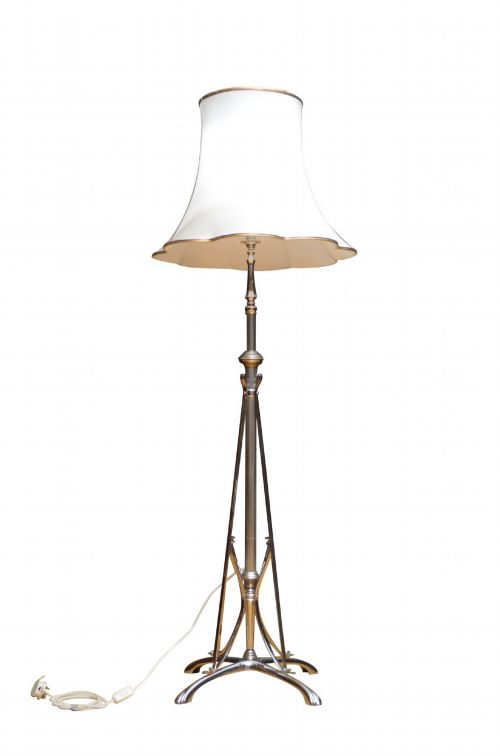
Forms range from simple turned wooden columns to tripod bases and adjustable metal uplighters. Some examples incorporate specialist finishes like ebonising, lacquer, and gilt, reflecting the diverse interior tastes of the decade.
How they were made
Carpenters and cabinet makers utilised native and exotic timbers such as walnut, oak, and padouk, often shaping them through turning or intricate hand carving. Ebonised finishes, liming, and lacquer were applied to create specific decorative surfaces on the timber bodies.
Metalworking techniques appear in brass and chrome construction, particularly for adjustable uplighters and specialised fittings. Gilding and painted finishes, sometimes incorporating floral motifs or crackle glaze, complete the decorative repertoire of the era.
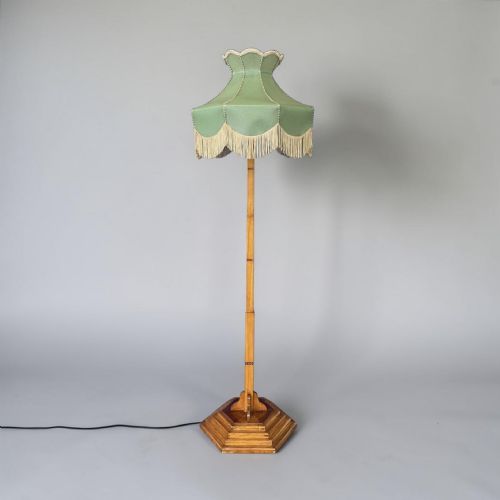
Listings feature standard lamps from the 1920 and 1930 periods, constructed in brass, chrome, walnut, oak, and padouk, alongside fabric and fringe elements.
What varies in quality
The distinction between standard production and superior examples rests on the depth of carving and the choice of materials. Finely figured walnut, dense oak, and heavy cast brass represent higher tiers of craftsmanship compared to simpler turned pine or painted softwoods.
Execution of decorative styles also dictates quality, where hand-applied Chinoiserie lacquer or precise gilding shows greater artisan skill than basic stenciling. Proportional balance and the inclusion of adjustable mechanical elements further separate utilitarian lighting from finer decorative pieces.
The 1920s Floor Lamp Glossary
- Standard lamp
- A traditional British term for a floor lamp, describing a tall freestanding lighting fixture designed to sit beside seating. These tall poles support a shade at eye level.
- Torchere
- A tall ornamental stand, originally designed to carry a torch or candle, adapted in this period to hold an electric lamp. They often feature slender columns and decorative vase elements.
- Uplighter
- A lighting fixture directed upwards to bounce illumination off the ceiling rather than casting direct task light downwards. These often utilise adjustable metal frameworks.
- Barley twist
- A spiral turning technique resembling a twisted rope, carved into the wooden shaft of a standard lamp. This decorative turning was common in French and English furniture of the era.
1920s Floor Lamp: Frequently Asked Questions
How do I wire a vintage floor lamp?
Most vintage floor lamps require rewiring to meet modern safety standards before regular domestic use. A qualified electrician can easily update the internal flex and lamp holder while retaining the original exterior column.
Original brass and chrome fittings can often be preserved during rewiring. Ensure the base remains stable to support the weight of modern electrical cord and standard bulbs.
What is the difference between a standard lamp and a floor lamp?
In British antique terminology, standard lamp is simply the traditional term for a floor lamp. Both names describe a tall, freestanding lighting piece intended to stand on the floor.
Catalogues from the period use both titles interchangeably. You can expect identical forms and functions regardless of which term the dealer applies.
How do I choose a shade for a 1920s lamp?
Selecting a shade depends on the proportions and style of the specific base, whether it is a slender ebonised twist or a substantial walnut tripod. Fabric shades, sometimes featuring fringes, complement the textile traditions of the era.
The scale of the shade should balance the height of the standard. A wider drum shade suits heavy torchere designs, while narrower tapered shades fit delicate carved columns.