
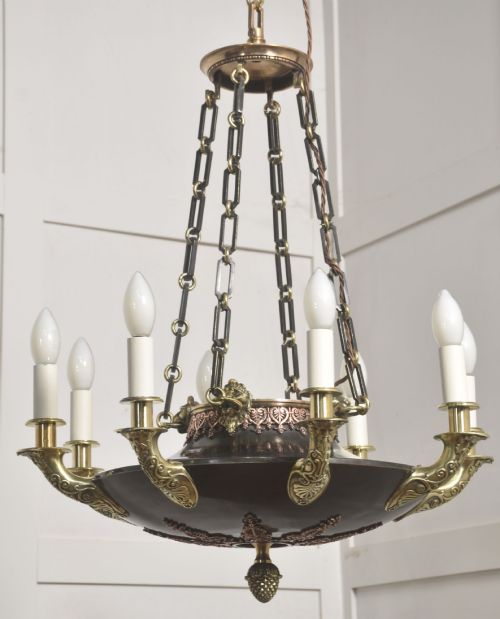
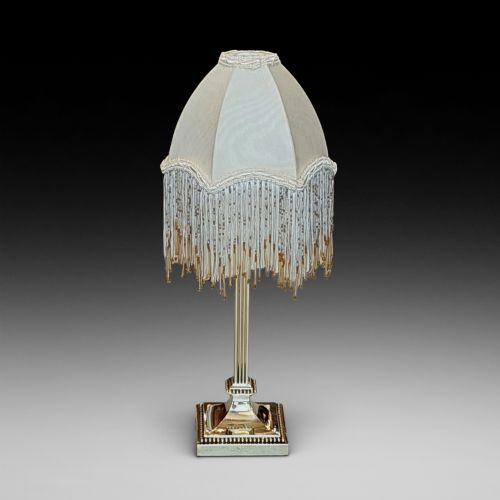
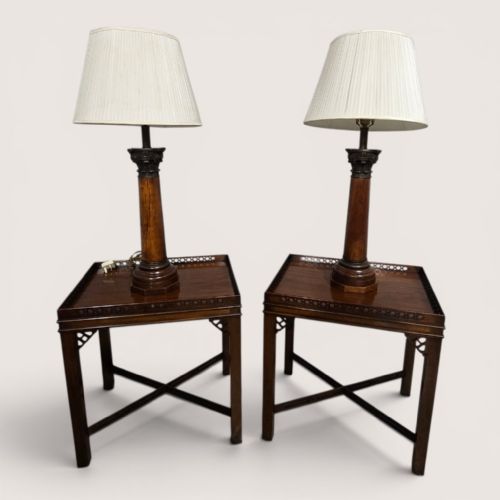
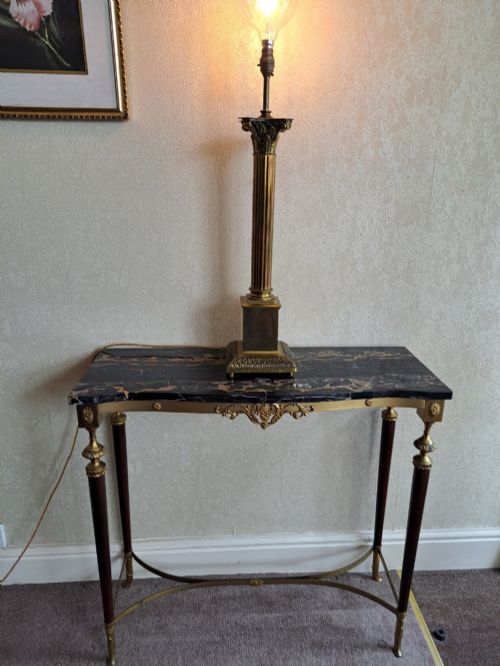
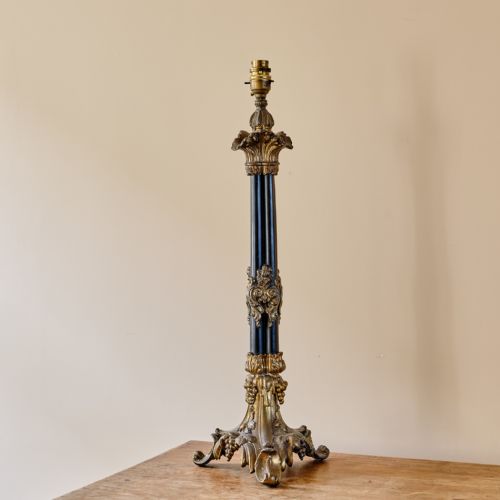
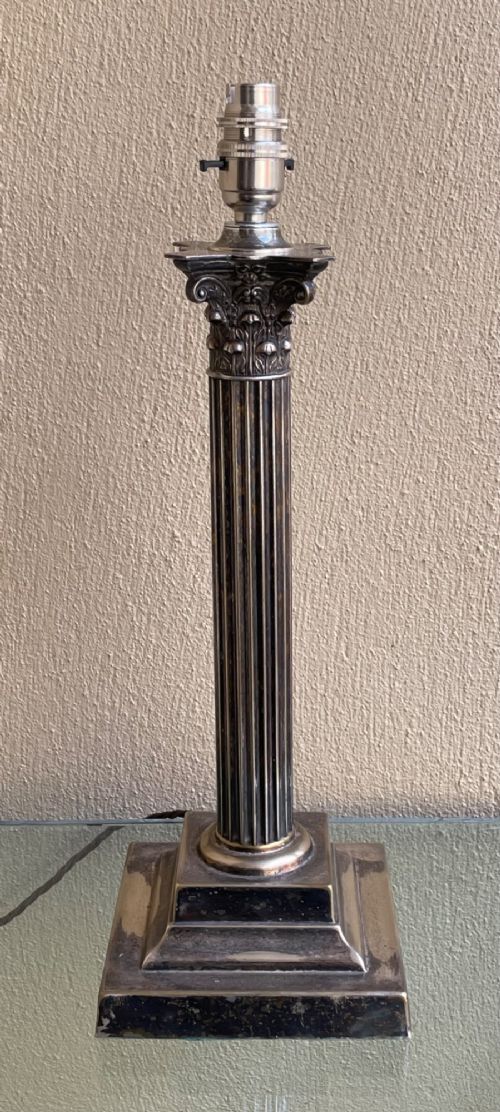
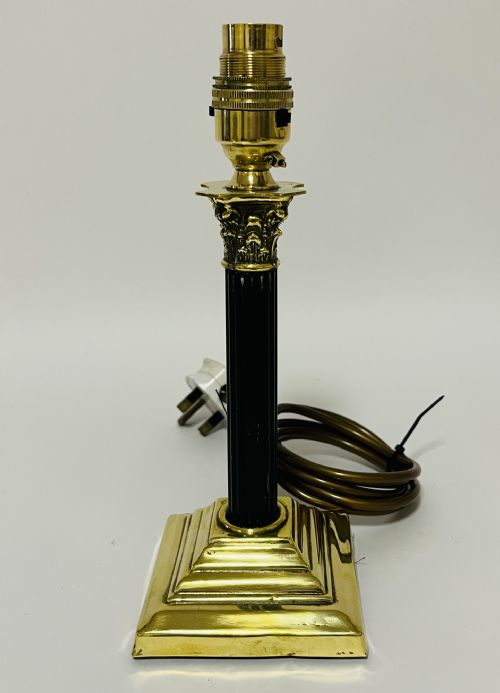


Classical Revival Lamp
Classical revival lamp pieces bring architectural dignity to a room, offering period forms that collectors prize for their substantial presence.
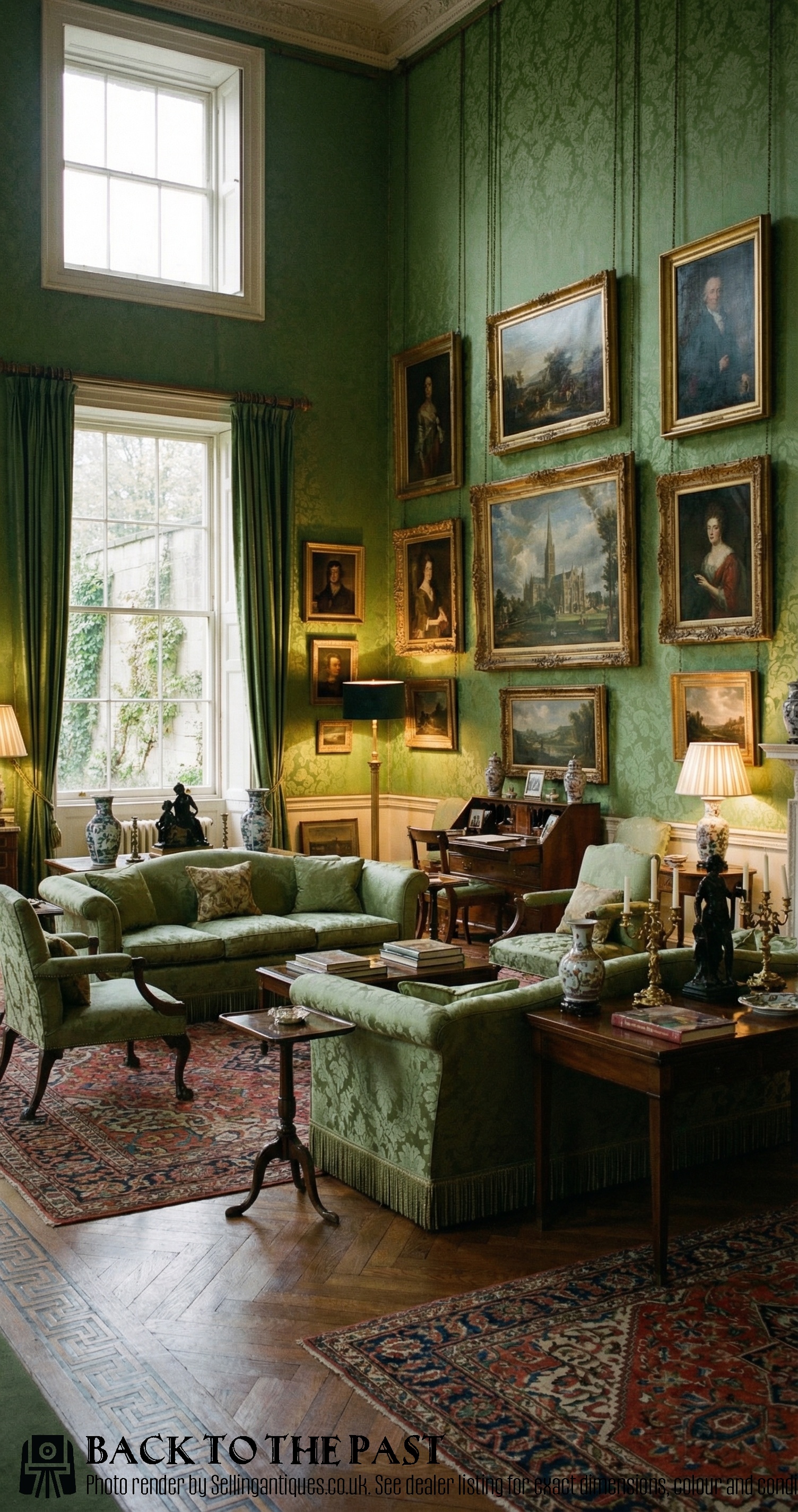
Identifying a classical revival lamp
A classical revival lamp draws on historical architectural motifs, bringing distinct period character to interior lighting. These pieces take the form of table lamps and floor lamps designed to illuminate living spaces while referencing earlier design eras.
The selections encountered here span the Victorian era, the nineteen-tens, the nineteen-twenties, and the nineteen-thirties. Buyers frequently meet column lamp formats among these offerings, often reflecting classical or gothic structural influences.
Originating across different decades, each classical revival lamp demonstrates the enduring appeal of historical forms adapted for modern illumination. Examining the specific silhouette helps connect an object to its likely period of manufacture.

Construction and materials
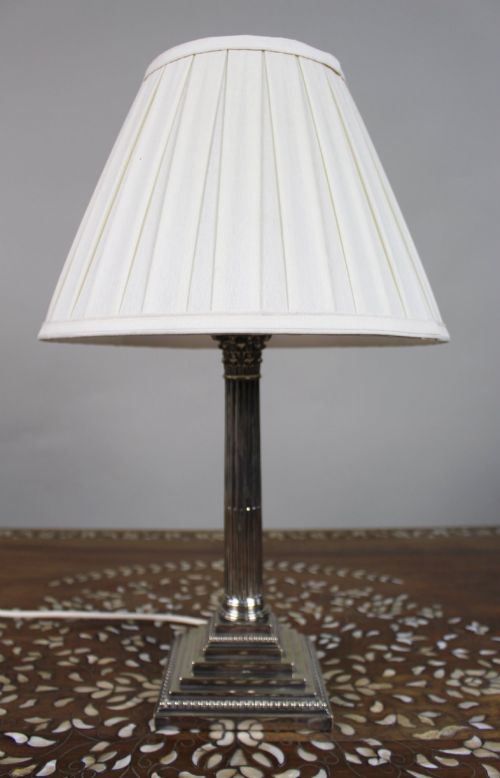
Makers utilised brass, silver plate, and wood to construct the rigid bodies of these lamps, providing both weight and stability. Metal components are frequently cast or turned to achieve traditional architectural details like fluted shafts.
Fabric elements appear in the design scheme, typically forming the shades that soften the light cast by the structure. The combination of metalwork and textile creates a balanced silhouette suitable for tabletop or floor placement.
Retail Price Guide 2026
Typical UK retail prices for classical revival lamp, calculated from the Sellingantiques database of over a million retail prices indexed since 2003. This retail price guide relies exclusively on Sellingantiques data; no external sources or auction records are used, so the figures do not describe the wider market.
Listings span the Victorian era through the nineteen-thirties, featuring brass, silver plate, fabric, and wood.
Distinguishing quality
The standard of a piece rests in the heft of its materials, as heavier brass and solid wood construction indicate a more substantial object. Superior examples display crisp detailing in columns and bases, whereas simpler or later pieces show softer definition.
Proportion and scale dictate the visual success of the design, with taller heavy floor lamps and large table lamps demanding careful balance in their profiles. The finish of the metalwork, whether silver plate or polished brass, reveals the original ambition of the workshop.
The Classical Revival Lamp Glossary
- Corinthian column
- A classical column order featuring ornate capitals decorated with acanthus leaves. This motif is frequently adapted for the stems of antique table lamps.
- Standard lamp
- A traditional British term for a floor lamp. These tall pieces stand directly on the floor to illuminate a wider area of the room.
- Silver plate
- A thin layer of silver applied to a base metal core such as brass or copper. This technique offered the appearance of solid silver at a more accessible cost.
- Gothic revival
- An architectural and decorative style that revives medieval forms. Lamps in this style incorporate pointed arches and heavier structural elements.
Frequently Asked Questions
What is a classical revival lamp?
A classical revival lamp is a lighting fixture styled after ancient architectural forms, such as classical columns or medieval structures. These pieces translate historical motifs into functional home lighting.
They appear as both table lamps and floor lamps, manufactured from materials like brass, silver plate, and wood across the Victorian period and subsequent decades.
How do I date a brass column lamp?
Dating a brass column lamp involves examining the weight, construction methods, and stylistic details of the metalwork. Victorian and early twentieth-century examples often display hand-finished casting marks.
Comparing the proportions and capital design against known architectural periods helps narrow down the decade of manufacture, ranging from the late nineteenth century through the nineteen-thirties.
Where should I place a standard lamp?
A standard lamp, or floor lamp, suits corners of rooms or positions beside heavy seating where it can provide adequate ambient illumination. Tall heavy models require stable placement on firm flooring.
Their substantial height and architectural presence make them focal points within a traditional interior scheme, complementing smaller table lamps nearby.
How do I care for silver plated lamps?
Silver plated items require gentle cleaning with appropriate metal care products to preserve the thin metallic surface without wearing it down. Regular dusting keeps the finish bright.
Avoid abrasive cloths or harsh chemical dips that can strip the silver plate from the underlying brass or base metal.