
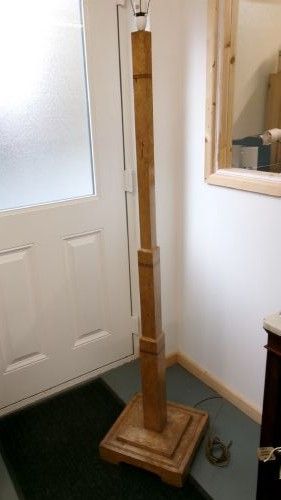


Walnut Floor Lamp
A walnut floor lamp brings height and warmth to a room, offering vertical timber grain alongside practical illumination.
Walnut Floor Lamp
A walnut floor lamp provides freestanding illumination while showcasing rich timber grain in designs that frequently adopt early twentieth-century forms. Buyers seeking a walnut floor lamp will encounter standard lamps alongside variations incorporating small tables or tripod bases.
The pieces on this page span the Edwardian period through to the Art Deco era, with significant representation from nineteen-twenty and nineteen-thirty. Alongside British and English examples, the selection includes Black Forest and Anglo-Indian regional variants.
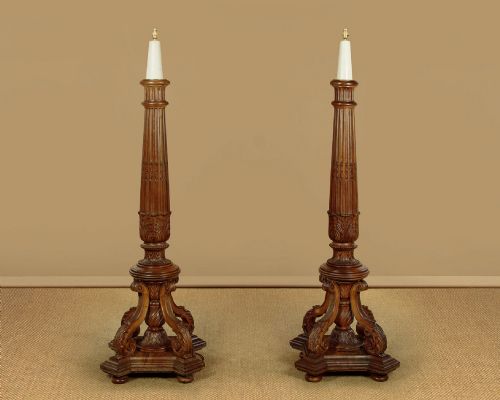
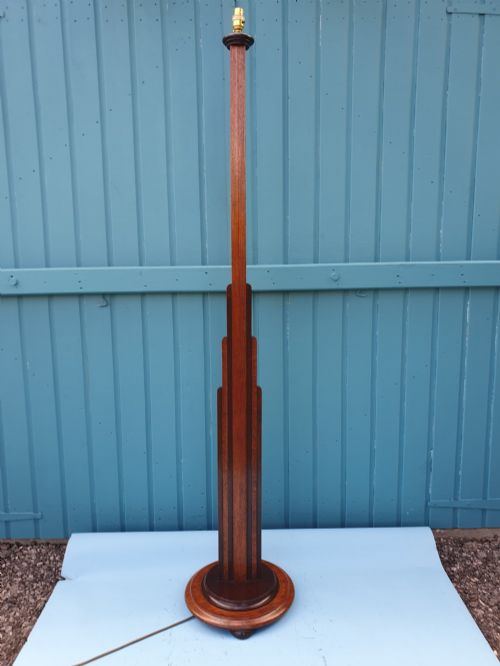
Makers such as Harry and Lou Epstein and Heal's appear across the records, pointing to prominent workshop production. Forms range from turned and fluted columns to stepped Odeon styles and carved surfaces.
What varies in quality
The distinction between standard examples and the finest pieces rests on the choice of timber and the precision of the carving. Selecting figured burr walnut or executing deep, crisp carved detail elevates an object above plain turned timber.
Proportion and architectural presence define the better pieces, particularly within the Art Deco Odeon style or substantial Edwardian standards. Integration of subsidiary functions, such as attached lamp tables, further separates exceptional designs from simple upright posts.
Harry and Lou Epstein·Heals of London
The Walnut Floor Lamp Glossary
- Standard lamp
- A tall freestanding domestic light fitting designed to rest directly on the floor. These items are frequently interchangeable with the term floor lamp.
- Art Deco
- A design style emerging in the early twentieth century characterised by sleek geometric lines and streamlined forms. This aesthetic heavily influences the nineteen-twenties and nineteen-thirties pieces seen here.
- Burr walnut
- A specialised timber cut from a tree growth that yields highly figured, swirling grain patterns. It is frequently utilised on high-end cabinet work and luxury standards.
- Tripod base
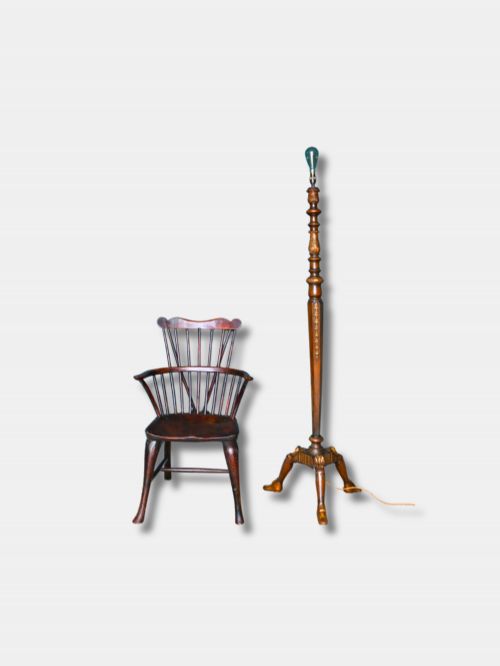
- A three-legged support structure providing stability for tall vertical timber columns. This configuration appears on several early twentieth-century examples.
Walnut Floor Lamp: Frequently Asked Questions
How do I date a walnut floor lamp?
Dating relies on stylistic clues and construction methods inherent to specific decades. Edwardian pieces often feature turned columns, whereas Art Deco examples display stepped profiles or geometric influences.
The presence of specific timber veneers like burr walnut or satinwood also assists in placing an object within the early twentieth century.
What is a standard lamp?
A standard lamp is simply the traditional British term for a tall freestanding floor lamp. These fixtures provide ambient illumination by raising a shade above furniture level.
They often incorporate heavy bases to ensure stability across wooden floors or carpets.
Are these lamps wired for modern use?
Many surviving examples have been rewired to meet modern electrical safety standards while retaining their vintage appearance. Rewiring is a frequent requirement for antique lighting.
Buyers should inspect the specific listing details regarding current electrical fittings.
What distinguishes Art Deco walnut floor lamps?
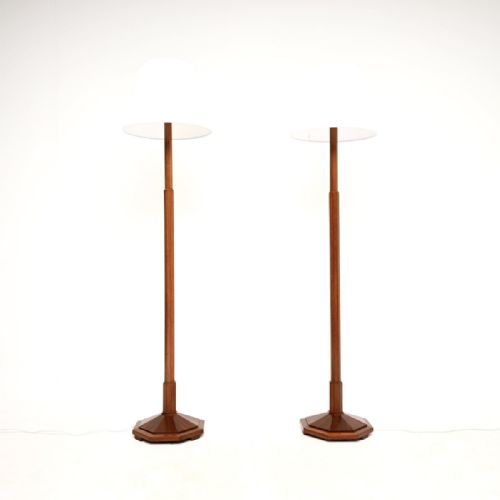
Art Deco walnut floor lamps utilise streamlined geometric shapes, stepped bases, and Odeon styling to project a modern look. The timber is often finished to highlight rich grain patterns without excessive ornamentation.
These pieces typically date from the nineteen-twenties and nineteen-thirties.