




Vintage Brass Mounted Lamp
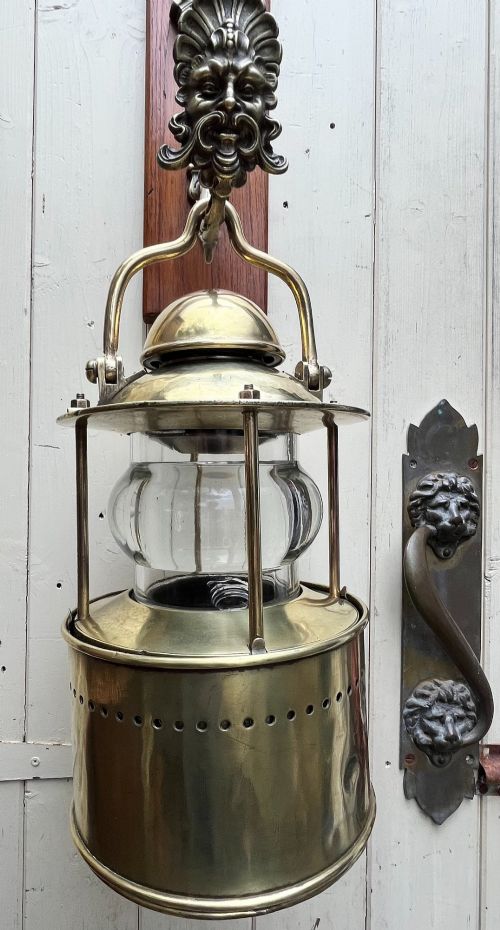
A vintage brass mounted lamp brings together heavy metal fittings and glass, porcelain or ceramic bodies for a warm, steady illumination.
Vintage Brass Mounted Lamp
A vintage brass mounted lamp draws on forms dating from the nineteenth century up through the nineteen-thirties, spanning Victorian and continental European revivals.
Buyers will encounter table lamps incorporating porcelain bodies, cut glass crystal columns, and carved wood alongside simpler metal designs.
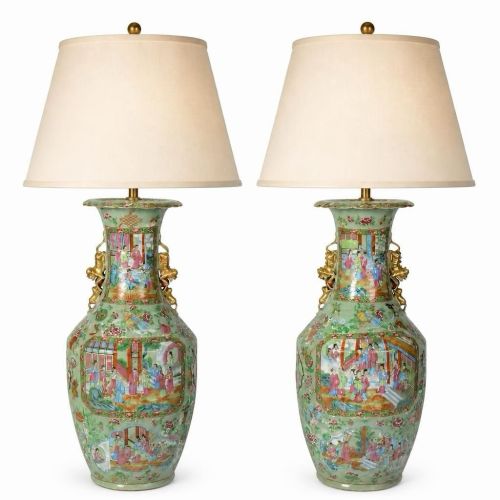
Many examples adapt earlier vessels, such as Chinese ginger jars or apothecary jars, pairing them with secure brass mounts for domestic lighting.
Materials and construction
Construction relies heavily on cast or spun brass paired with ceramic, porcelain, or lead crystal bodies, joined by threaded rods and secure metal collars.
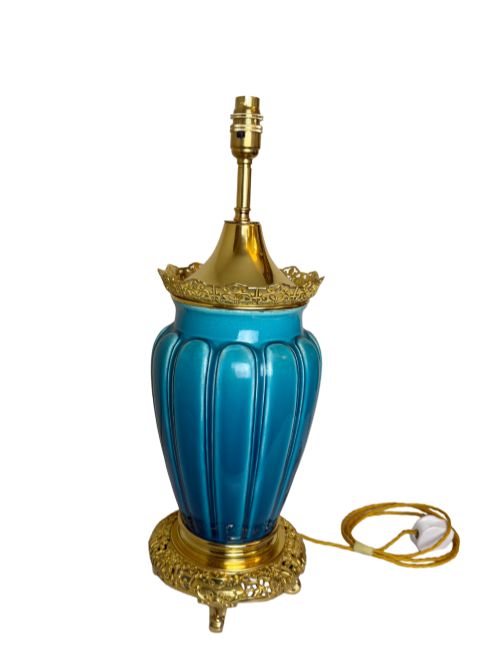
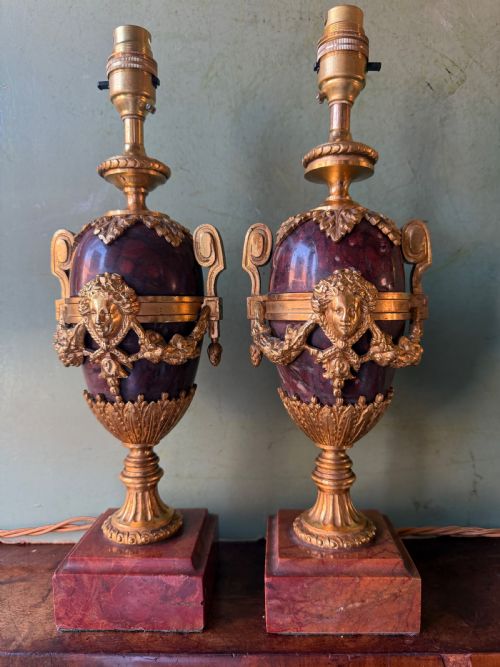
Decorative mounts often utilise ormolu or gilt bronze, cast with intricate leaf motifs and chased by hand to catch the light.
Bodies incorporate materials like rouge marble, walnut, mahogany, and hand-painted ceramics, reflecting period tastes from French Empire to Chinoiserie.
German porcelain spitz dog lamps from eighteen-eighty prove that Victorians loved illuminating their sitting rooms with ceramic hound sculptures.
Assessing standard and execution
Quality rests on the crispness of the brass casting and the weight of the metal mounts, where sharper chased details indicate better workshop practices.
The choice of body material elevates the piece, distinguishing standard turned metal from fine Paris porcelain, hand-cut crystal, or imported cloisonné.
Proportion and balance dictate success, with superior pieces maintaining a harmonious relationship between the decorative base and the overall height.
François Linke·Gien
The Vintage Brass Mounted Lamp Glossary
- Ormolu
- A gilded bronze technique used for decorative mounts on furniture and lighting. It involves applying a mercury and gold amalgam to cast bronze before heating.
- Cloisonné
- An enamelwork technique where thin metal wires form compartments on a metallic surface, which are then filled with coloured paste and fired.
- Gueridon
- A small circular table, often with multiple tiers, frequently utilised as a sturdy base for lamps in nineteenth-century interiors.
- Famille Verte
- A Chinese porcelain palette dominated by green enamels, frequently seen on ceramic bodies adapted into lamps.
- Acanthuss
- A classical decorative motif derived from the Mediterranean plant, heavily employed in cast leaf mounts on nineteenth-century fixtures.
Vintage Brass Mounted Lamp: Frequently Asked Questions
What periods do these lamps cover?
The available selection spans the nineteenth century and stretches into the early decades of the twentieth century. Pieces reflect Victorian preferences as well as various continental revival styles.
Dates cluster heavily around the late nineteenth century, alongside items produced up to nineteen-thirty. This range encompasses both original period lighting and nineteenth-century conversions of earlier ceramic vessels.
How are porcelain bodies incorporated?
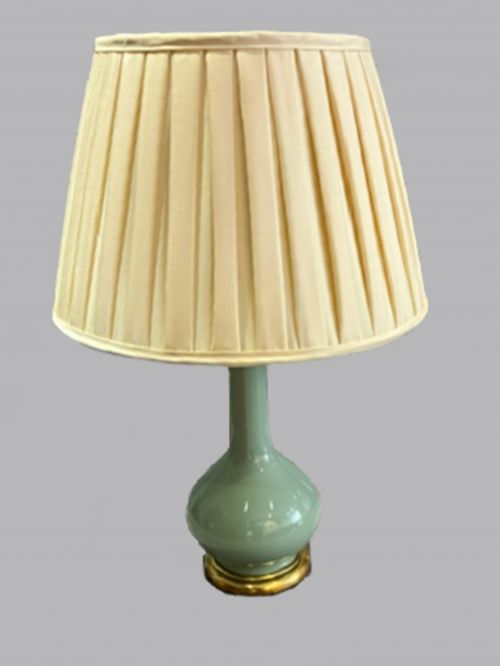
Pottery and porcelain bodies form the central columns of many table lamps, pierced or fitted with brass mounts to secure the electrical components. These bodies frequently feature hand-painted glazes, including Chinese blue and white or turquoise finishes.
Manufacturers often utilised decorative jars, vases, and apothecary vessels for this purpose. The metal mountings provide both structural support and decorative contrast to the ceramic glaze.
How do I match a lamp to a room?
Consider the height and material weight of the base when placing a lamp on side tables or desks. Cut crystal and ormolu mounts add reflective brightness, while walnut and ceramic bases offer solid grounding.
Pairing styles requires looking at the secondary details, such as acanthus leaf mounts or marble tops, which echo French Empire or Victorian aesthetics in the surrounding furniture.