


Antique Blue Porcelain Lighting
These antique blue porcelain lighting pieces bring historical ceramic vessels and figures into functional illumination.
Antique Blue Porcelain Lighting
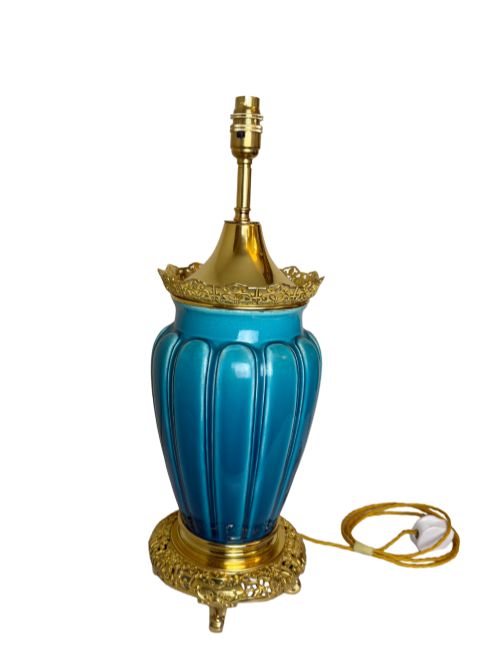
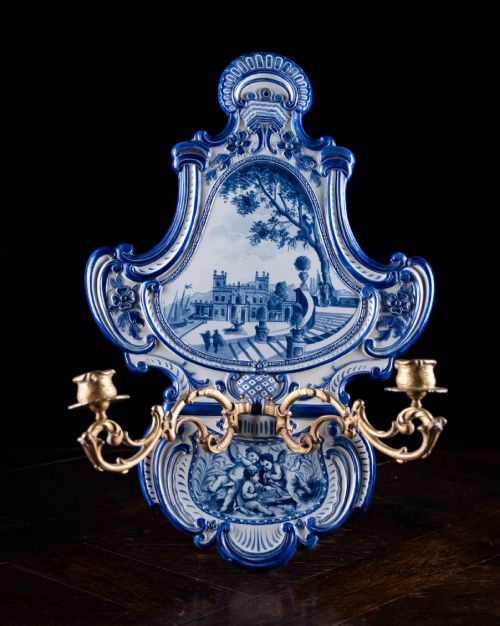
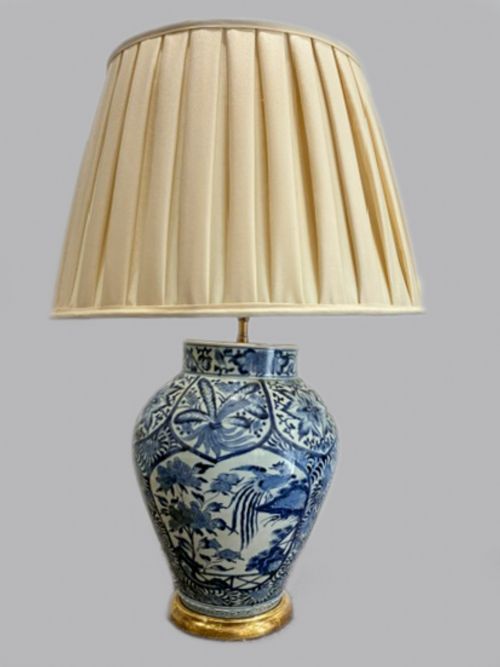
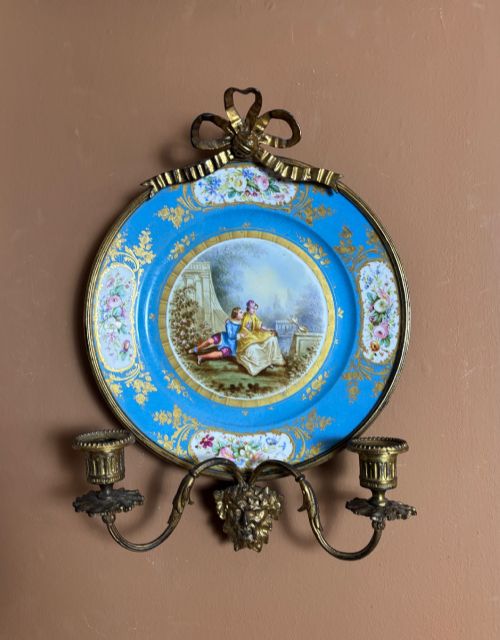
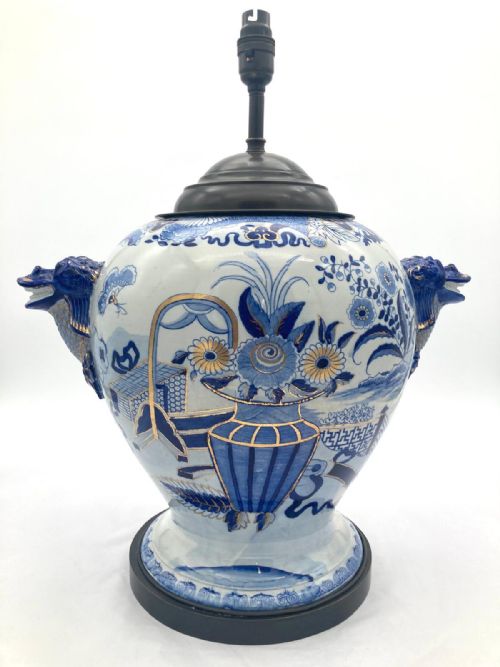
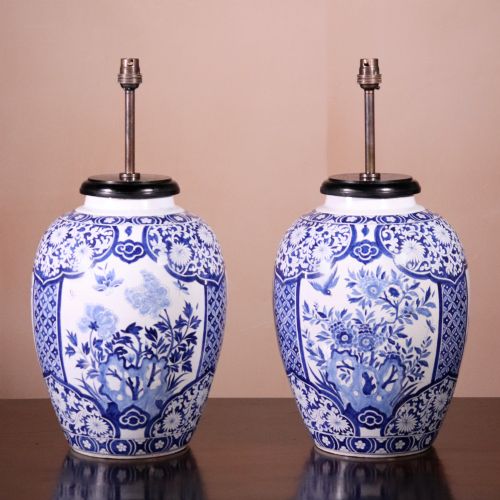
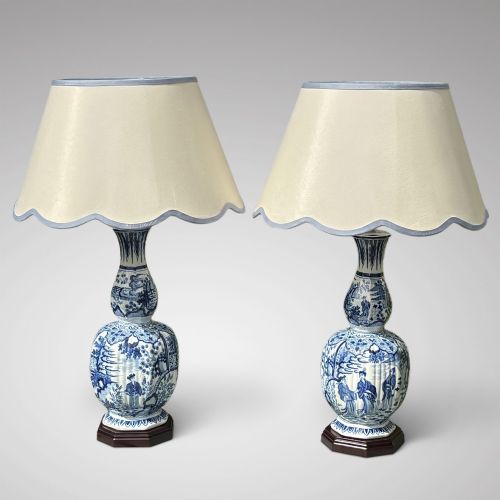
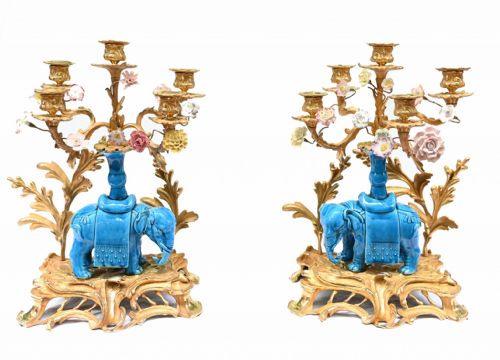
When you search for antique blue porcelain lighting, you encounter transformed vessels, candlesticks, and wall fixtures spanning from the seventeenth century through the art deco period. These objects frequently utilise Chinese blue and white vases, Japanese jars, and European porcelain bodies that have been adapted for electrical illumination.
Table lamps and wall sconces dominate the selection, often incorporating ginger jars, celadon vessels, and Delft pottery mounted on metal bases. Many examples pair the ceramic bodies with handmade fabric or silk shades.
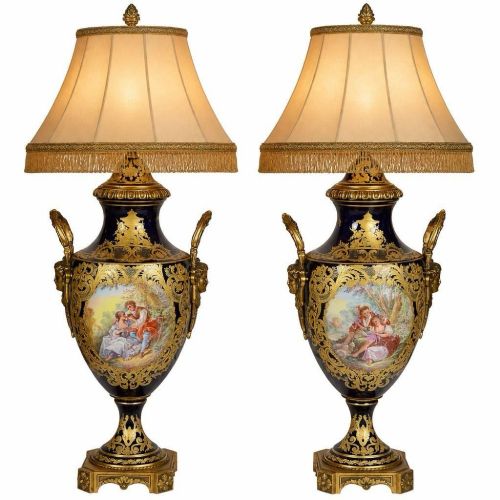
The origins stretch across diverse aesthetics, including Chinoiserie, Qing Dynasty styles, French Rococo revival, and Japanese Meiji designs. Domestic production is represented by English ironstone and Delft, alongside continental Sevres style porcelain.
Materials and construction
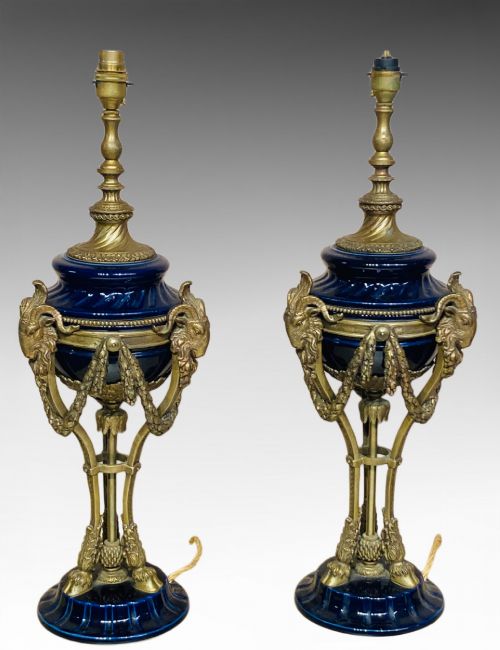
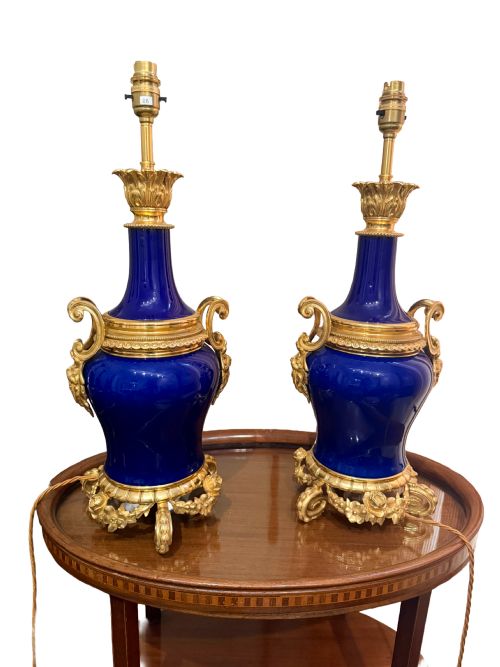
The primary bodies utilise porcelain, ceramic, and ironstone, decorated with cobalt blue glazes, crackleware finishes, or polychrome enamel details. These ceramic elements are frequently paired with metal mounts cast in brass, ormolu, and gilt bronze.
Conversion techniques are central to the creation of these pieces, wherein historic vases, jars, and candlesticks are drilled and fitted for electrical components. Secondary materials such as wood, silk, and fabric complete the construction of the lamps and shades.
Period examples span from seventeenth-century Japanese vases to twentieth-century art deco porcelain.
Judging quality in these fixtures
Quality rests upon the proportion and integration of the metal mounts relative to the porcelain body. Expertly fitted ormolu and gilt bronze accents enhance the balance of the piece without overwhelming the ceramic glaze.
The preservation of the porcelain surface and the crispness of the blue decoration dictate the standing of an individual lamp or sconce. Early bodies carrying hand-painted cobalt or original crackleware glazes demonstrate superior ceramic artistry.
Villeroy and Boch·Hicks and Meigh·Sevres
The Antique Blue Porcelain Lighting Glossary
- Ormolu
- A gilt brass technique used for decorative mounts and bases. It gives a bright gold appearance to metal components.
- Celadon
- A term for ceramics denoting a pale green or grey-green glaze, though applied here to related Asian porcelain forms. It provides a subtle neutral tone alongside blue decoration.
- Ginger jar
- A wide-mouthed storage jar originally used for spices, frequently adapted into lamp bases. Their rounded proportions suit table lighting.
- Cloisonné
- An enamelwork technique where thin metal strips form compartments to hold coloured glass paste. It appears on select Asian metal and ceramic hybrid pieces.
- Crackleware
- A ceramic glaze characterised by a network of fine cracks intentionally created during firing. This texture adds visual depth to blue and white vases.
Antique Blue Porcelain Lighting: Frequently Asked Questions
How are antique lamps wired?
Most antique lamps have been rewired at various points in their history to meet modern safety standards. Buyers should inspect the internal cord and plug to determine if professional rewiring is necessary.
Because many pieces began life as vases or candlesticks, the wiring method depends entirely on how the original ceramic was adapted during conversion.
Can I change the lampshades?
Lampshades can generally be replaced to suit individual interior schemes, provided the harp or fitting matches the new shade's dimensions. Many pieces feature custom handmade shades that complement the height and style of the base.
When altering shades, ensure the mounting ring corresponds with the existing lamp hardware to maintain structural balance.
How do I clean porcelain lamps?
Gentle dusting with a dry microfiber cloth is recommended for both the porcelain body and the fabric shades. Avoid harsh chemical cleaners that might damage delicate gilt bronze or ormolu mounts.
For glazed ceramic surfaces, a slightly damp cloth can remove surface grime without affecting the cobalt blue decoration.
Are these lamps heavy?
The weight varies considerably depending on the thickness of the porcelain and the presence of metal mounts such as brass or ormolu. Larger pieces incorporating cast bronze bases tend to be substantial and stable on tables.
Smaller candlesticks and wall sconces require secure wall anchoring or careful placement to prevent accidental tipping.