
Vintage Brass Lamp Base
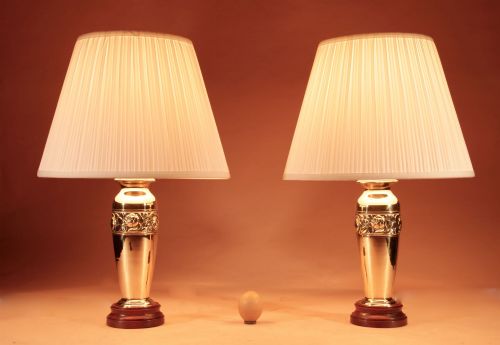
These vintage brass lamp base pieces bring solid weight and warm metal character to any room, offering a durable foundation for lighting.
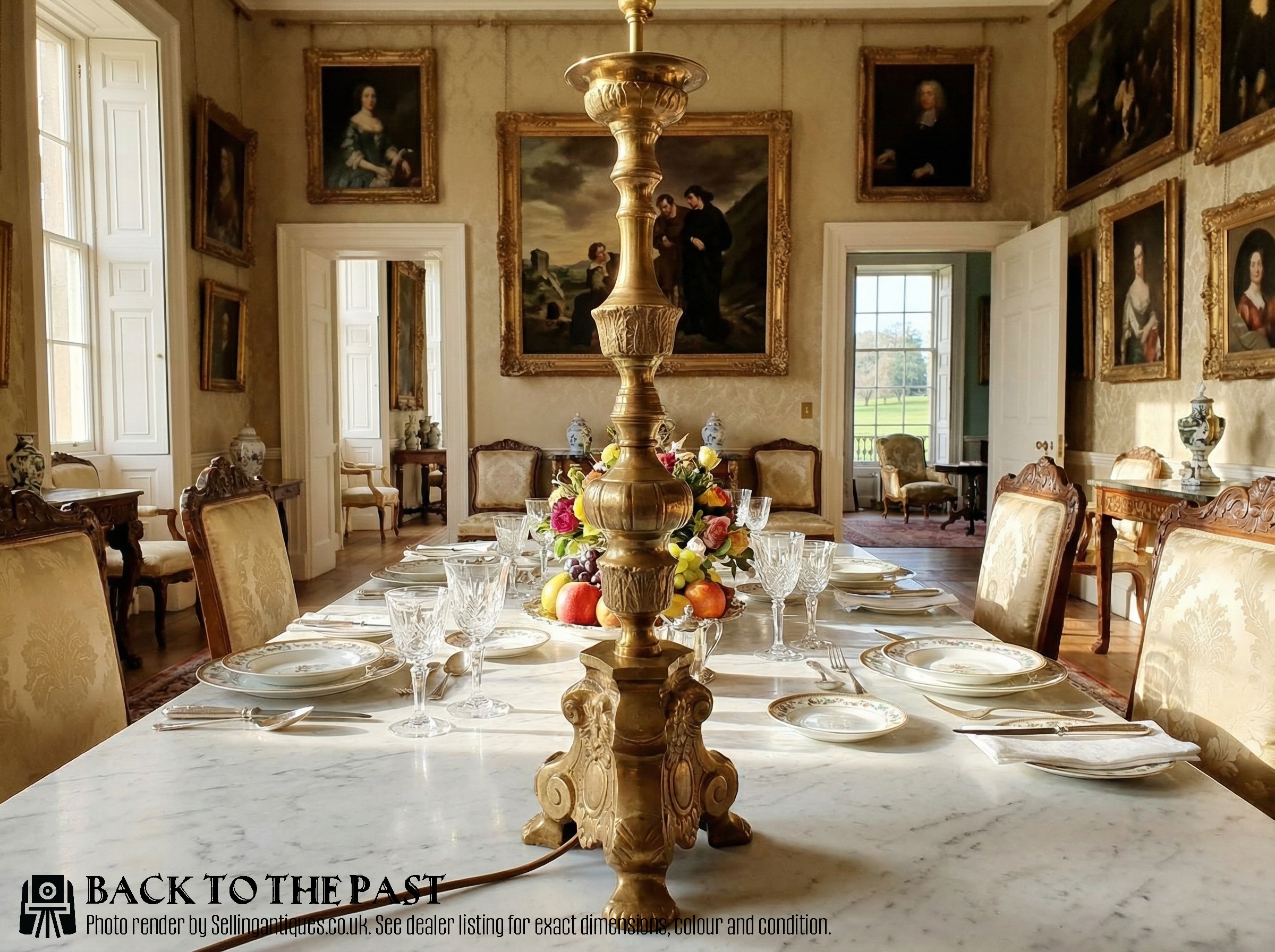
Vintage Brass Lamp Base
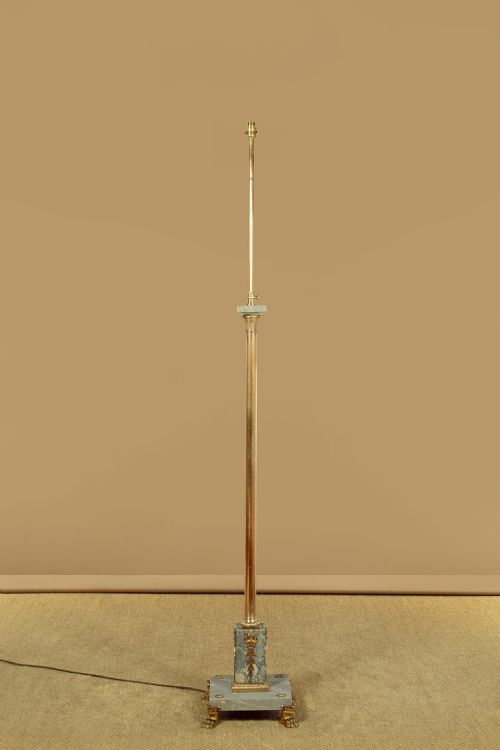
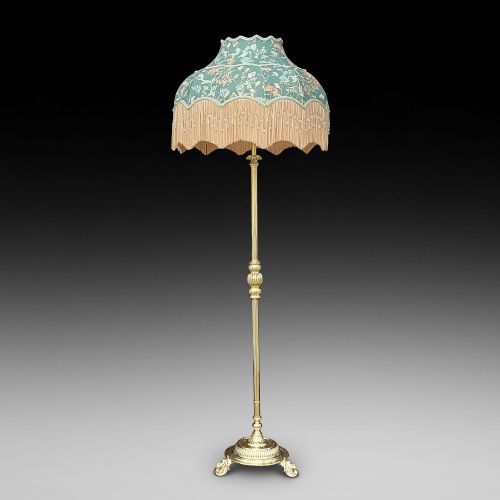
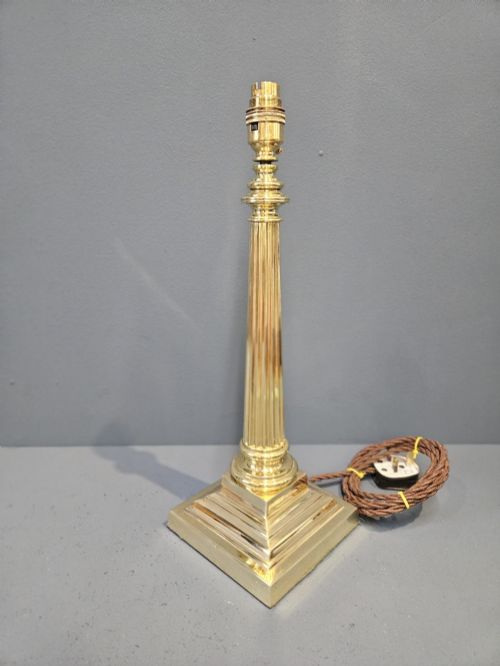
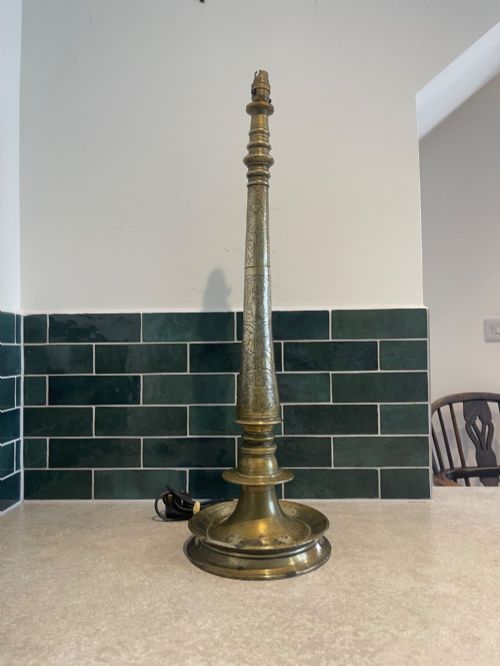
A vintage brass lamp base provides a sturdy and decorative support for domestic lighting, taking forms from simple fluted columns to elaborate figural designs. When searching for a vintage brass lamp base, buyers encounter diverse iterations spanning the Victorian, Edwardian, and Art Deco periods, alongside French and Indian regional variations.
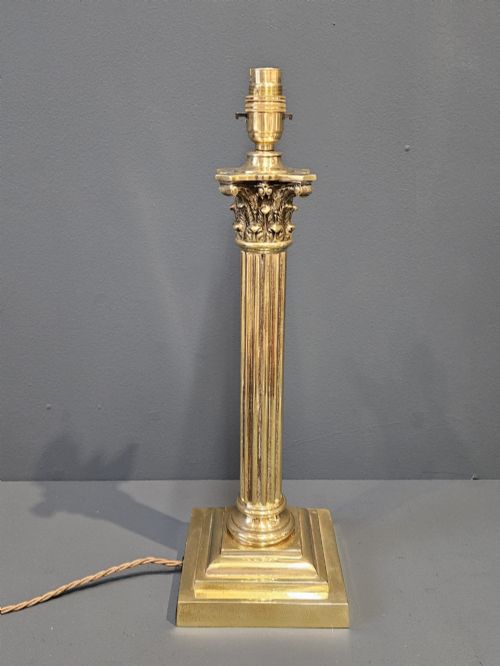
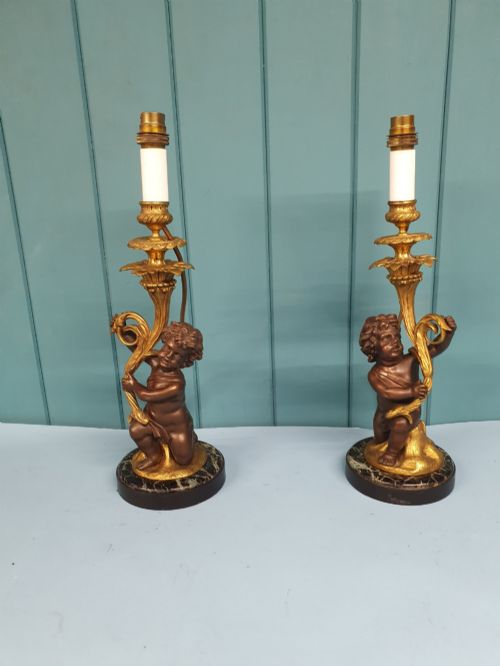
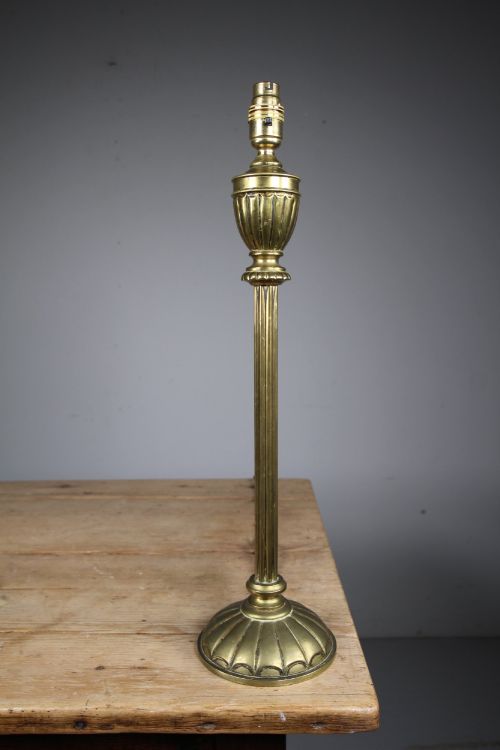
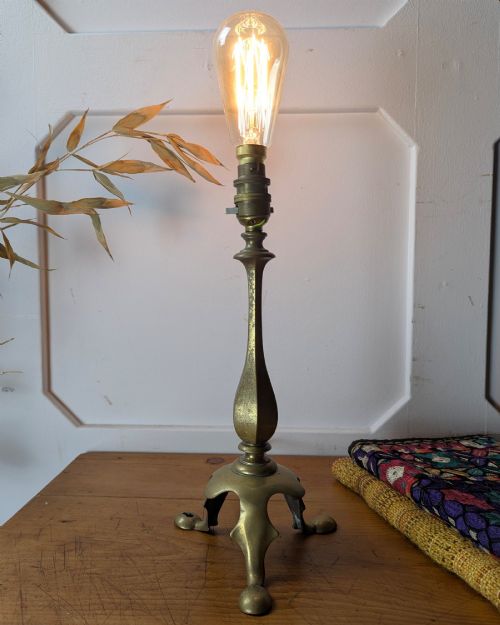
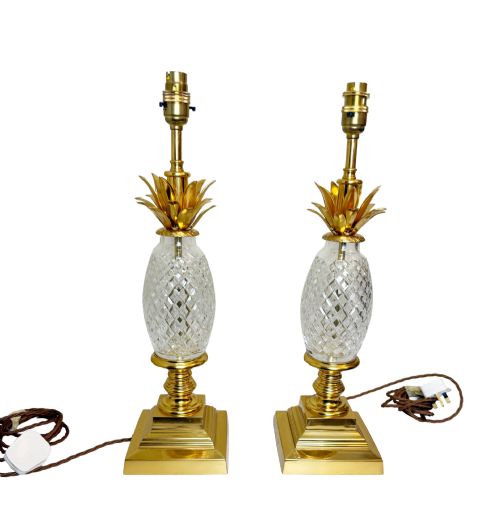
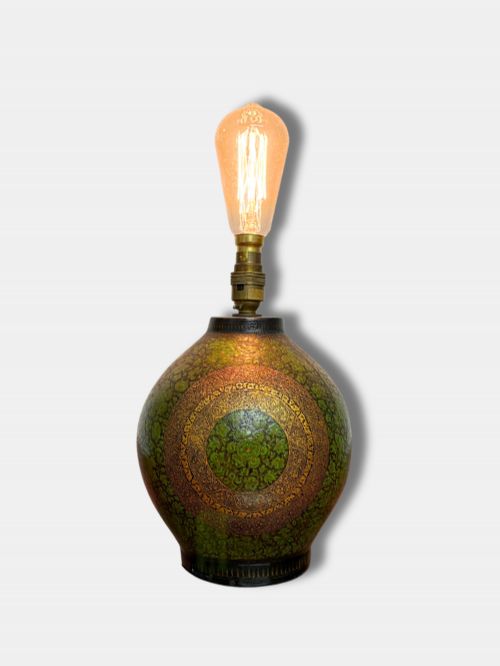
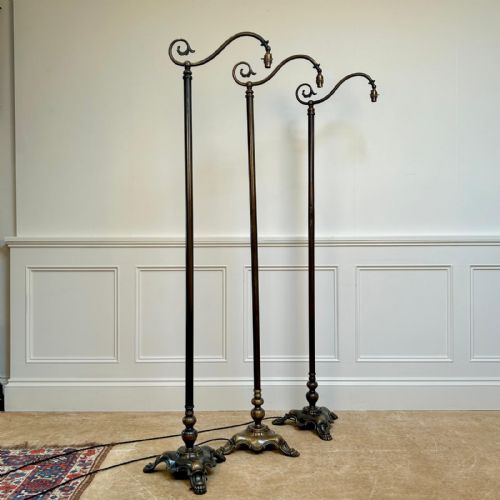
The selection on this page ranges from tall floor standards and adjustable oil lamp conversions to compact table pieces incorporating marble, crystal, and ceramic elements. Corinthian and ionic column shapes appear frequently alongside hexagonal baluster forms and novelty animal subjects.
Origins stretch across English, French, German, and Indian workshops, showing how different makers interpreted classical revival and modern styles in solid metal, patinated bronze, and gilt finishes.
How they were made
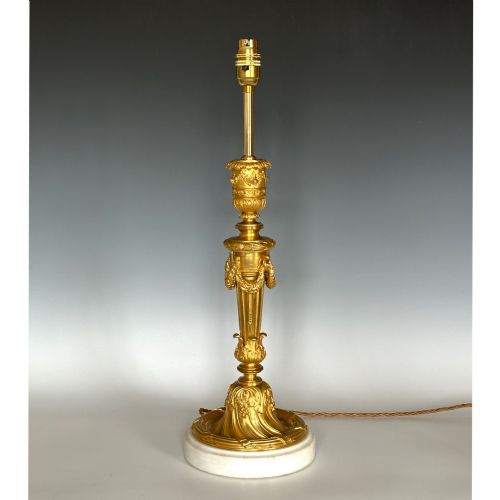
Makers utilised cast, spun, and turned brass components, often combining heavy metal bases with marble plinths, opaline glass fonts, or crystal drops. Surface treatments vary from polished finishes and gilt bronze to dark patination and silver plating.
Construction methods involved threaded fittings, weighted iron interiors for stability, and hand-chased surface details on columns and figural mounts. Structural integrity relies on solid metal sections joined securely to support various shade styles.
Vintage Brass Lamp Base Retail Price Guide 2026
Typical asking prices for vintage brass lamp base among the pieces listed under this phrase on Sellingantiques today, from the lower quarter to the upper quarter. They describe what is for sale here now, not the wider market.
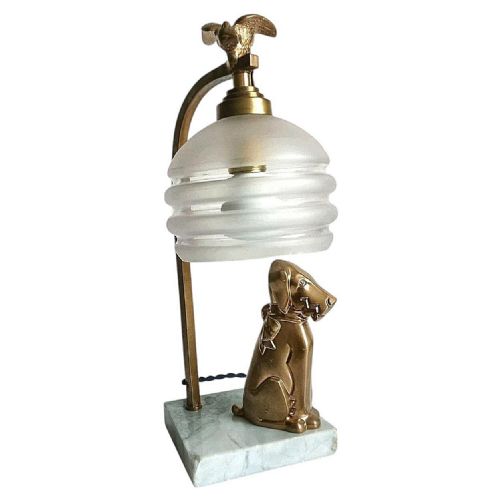
German porcelain spitz dogs and French novelty parrots peek out from the metalwork, proving Victorians loved their pets in brass.
What varies in quality
Quality rests in the heaviness of the casting, the crispness of classical detailing such as acanthus leaves on a Corinthian capital, and the integrity of original surface finishes. Superior examples display precise turning, substantial metal thickness, and harmonious integration of secondary materials like marble or cut glass.
Lesser items rely on pressed thin sheet metal with softer definition and simpler construction methods. The presence of maker stamps or patents also elevates a piece, showing careful workshop production over mass manufacture.
The Vintage Brass Lamp Base Glossary
- Corinthian column
- A classical architectural column form featuring ornate acanthus leaf capitals, frequently adapted for tall table and standard lamp bases.
- Opaline glass
- A pale, translucent art glass often used for bodies and fonts on nineteenth-century lighting, diffusing light softly.
- Ormolu
- Gilt bronze ornamentation applied to furniture and lighting mounts, popular in French revival pieces from the nineteenth century.
- Standard lamp
- A tall floor-standing lamp base designed to illuminate a room from standing height, sometimes featuring adjustable height mechanisms.
- Bouillotte lamp
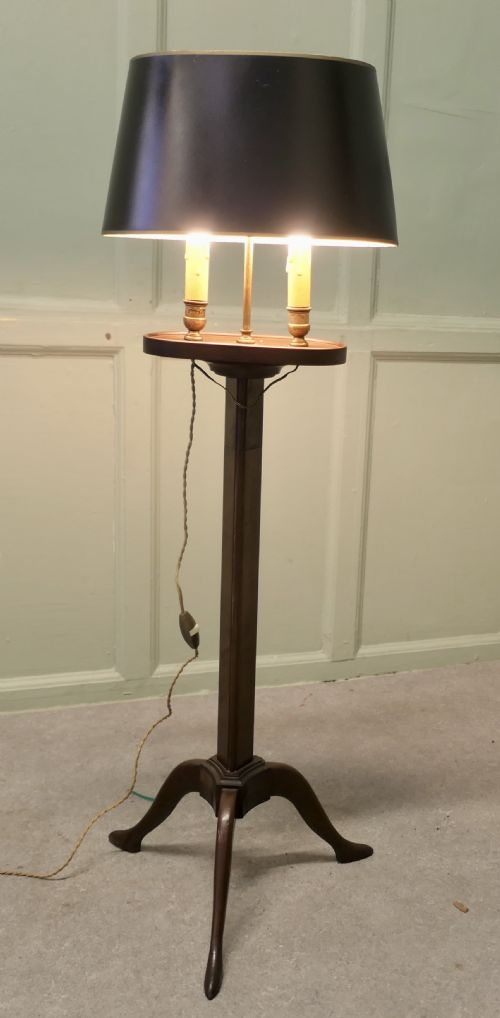
- An adjustable multi-light lamp traditionally used for card games, featuring a central stem and a metal shade.
Vintage Brass Lamp Base: Frequently Asked Questions
How do I safely rewire an old metal lamp base?
Older metal bases require modern wiring threaded through the central stem, ensuring an earth connection to the brass body for safety. Many antique examples arrive with wiring updated, but inspection by a qualified electrician remains sensible.
Retaining original switches or holders adds character, provided the internal electrical components meet current safety standards and insulation requirements.
What shade fits a heavy Corinthian column base?
These tall architectural columns suit empire or tapered fabric shades that balance the substantial weight and height of the metal stem. Proportion matters greatly, so the base diameter should dictate a shade width that prevents top-heaviness.
Neutral silks or pleated linens complement the metallic finish without competing with the classical fluting and capitals.
How do I date a Victorian brass standard lamp?
Dating relies on construction clues such as threaded joins, weighted cast-iron bases, and stylistic markers like reeded columns or ionic capitals. Victorian examples often show heavier brass gauge and specific patent stamps on switches or burners.
Later twentieth-century reproductions generally lack the wear patination and fine casting crispness found on genuine nineteenth-century pieces.