




Vintage Railway Lamp
These vintage railway lamp examples bring robust industrial character and functional lighting from carriage and station into the modern home.
Vintage Railway Lamp
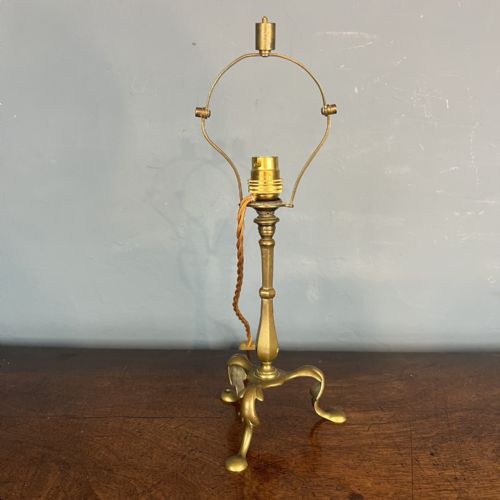
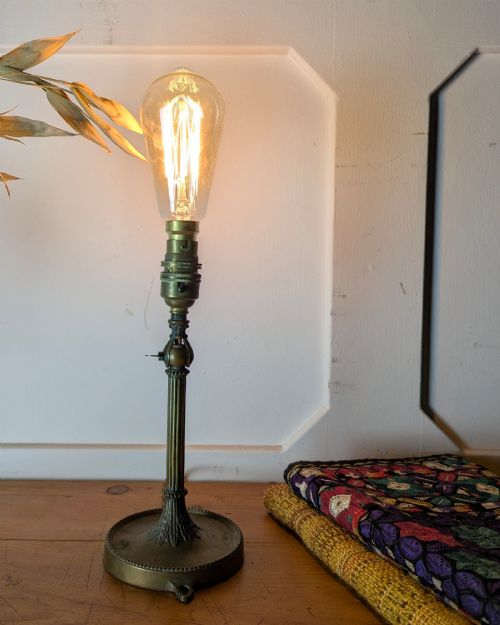
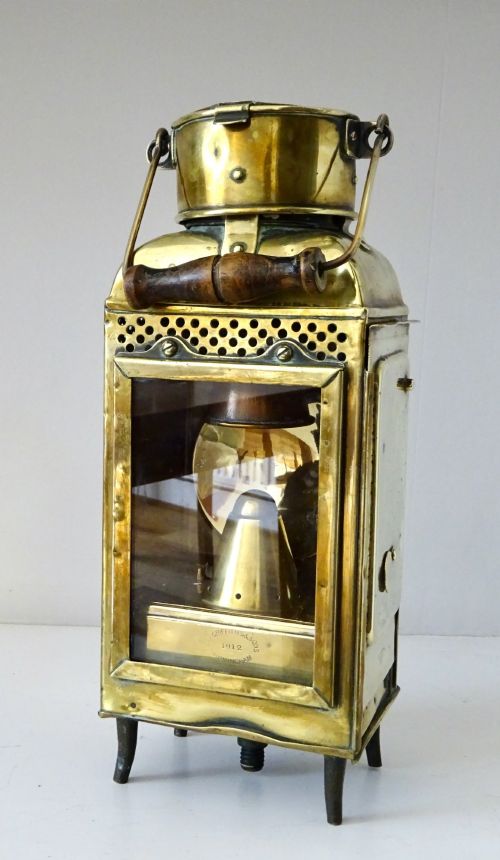
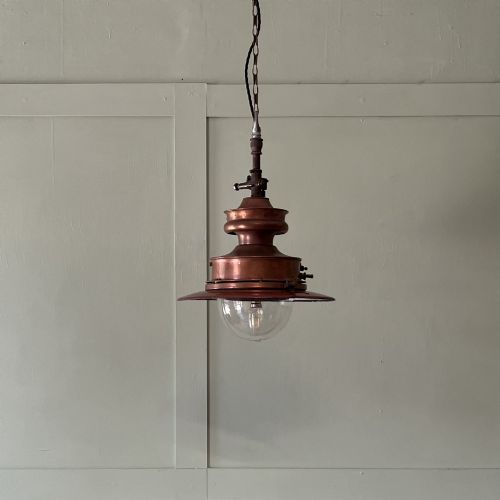
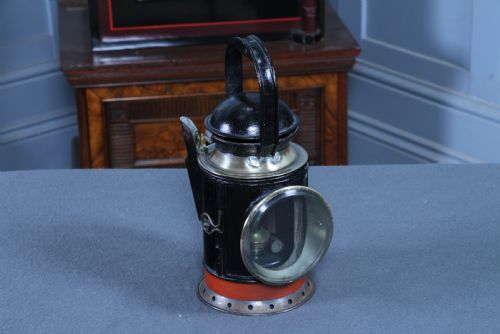
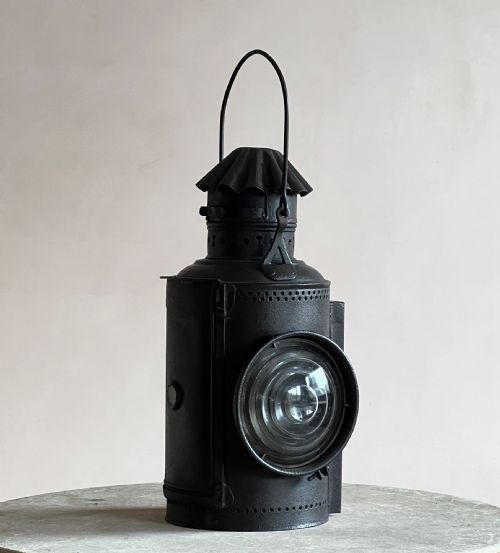
When you search for a vintage railway lamp, you encounter utilitarian lighting built for demanding transport networks spanning the Victorian era through the mid twentieth century. The selection ranges from copper hanging lanterns and brass Pullman table fixtures to painted steel signal oil lamps and heavy iron station carriers.
You are most likely to meet brass Pullman reading lamps and heavy steel or copper lanterns originating from major networks like the Great Western Railway or London and North Eastern Railway. These pieces reflect specific nineteenth and twentieth century design movements, encompassing Edwardian, Industrial, Art Deco, and Arts and Crafts styles.
Beyond standard illumination, the category includes specialised items such as inspector hand lamps with tri-colour lenses, gimbal lights designed for moving carriages, and even novelty silver pin cushions modeled on transport lanterns. Each object carries the robust construction required for relentless daily service on the tracks.
How they were made
Makers utilised durable metals like brass, copper, iron, and painted steel to withstand the vibration, weather, and heavy handling inherent in railway operations. Riveted joints, heavy brackets, and reinforced frames ensured structural integrity in moving carriages and exposed station platforms.
Coloured glass lenses, opaline shades, and clear protective panes were integrated into lanterns and carriage lights to direct beams and signal status. Oil burners and early electrical fittings were housed within sealed chambers designed to resist soot and wind.
You might even find a silver pin cushion shaped like a tiny railway lamp, proving Victorians loved transport miniatures.
What varies in quality
The distinction between standard utility items and superior examples lies in the integrity of the original metalwork, the presence of maker stamps or railway company markings, and the retention of original components like tinted lenses and burners. Heavy gauge brass and copper castings indicate higher grade carriage and Pullman fixtures intended for first-class environments.
Patina and surface wear tell the history of use, but quality is elevated when original mechanisms, such as gimbal mounts or oil reservoirs, remain intact and operable. Pieces retaining distinct company initials or manufacturer plates hold greater historical weight than unmarked utility hardware.
Eli Griffiths And Sons·Dressel
The Vintage Railway Lamp Glossary
- Pullman Lamp
- A specialised lighting fixture designed for luxury railway carriages, often featuring high-quality brass construction and opaline glass shades.
- Gimbal Lamp
- A pivoting lighting mount suspended on rings to remain level despite the swaying motion of a train or ship.
- Signal Oil Lamp
- A heavy-duty lantern utilising oil combustion and coloured lenses to transmit operational signals along the tracks.
- Railwayana
- Artefacts and memorabilia collected from railway operations, including lamps, pocket watches, signage, and hardware.
- Opaline
- A milky, translucent white glass frequently utilised for diffusing light softly in Edwardian and Art Deco fixtures.
Vintage Railway Lamp: Frequently Asked Questions
How were these lamps used on trains?
Railway lamps served multiple functions across the network, from illuminating passenger compartments and dining carriages to signaling along the tracks. Inspectors and station masters carried hand lanterns with multi-colour lenses to communicate operational status in all weather.
Heavier oil lamps were mounted to locomotives and rolling stock to ensure visibility at night and during poor weather conditions. Each design was engineered to resist vibration and wind while operating on oil or early electrical systems.
How do I clean a brass railway lamp?
Preserving the historical patina is generally preferred over aggressive polishing, as excessive cleaning removes decades of character and alters the appearance. Light dusting and occasional gentle wiping with a soft cloth will keep the metal and glass clear without stripping the surface.
Avoid harsh chemical metal cleaners unless the piece has active corrosion that threatens the structure. Many collectors appreciate the dark, untouched oxidation accumulated through decades of transport service.
How can I tell a Victorian lamp from a later one?
Victorian examples often feature heavier copper construction, riveted joints, and simpler utilitarian forms suited for early railway infrastructure. Later Edwardian and 1920s pieces frequently introduce refined brass casting, opaline glass, and decorative styling influenced by Arts and Crafts or Art Deco movements.
Company markings and patent dates stamped into the metal provide the most reliable guide to a piece's chronological origin. Examining the transition from early oil reservoirs to later electrical conversions also helps narrow down the manufacturing decade.
Can these old oil lamps be wired for electricity?
Many carriage and Pullman lamps adapt well to modern electrical wiring for domestic use, provided the internal cavity can safely house a discreet cable and bulb holder. Professional conversion allows you to display historical lighting in living spaces without relying on traditional oil burners.
It is advisable to retain the original internal components where possible to preserve the artifact's historical integrity. Reversible wiring methods ensure the piece can be returned to its original state.