

Vintage Brass Handle Desk
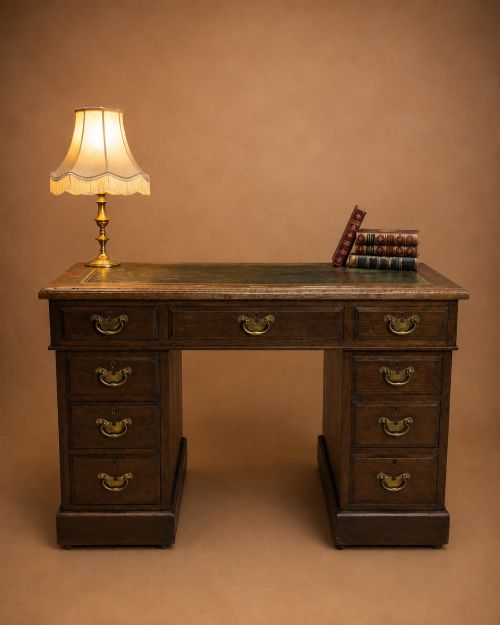
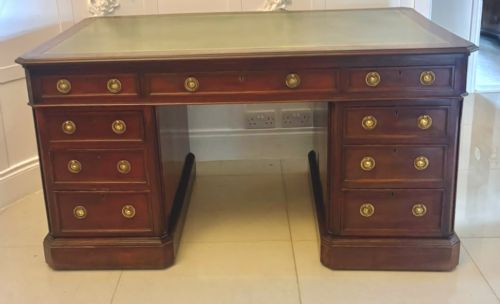
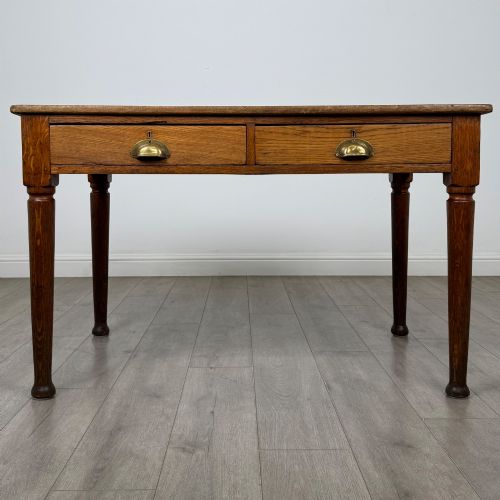
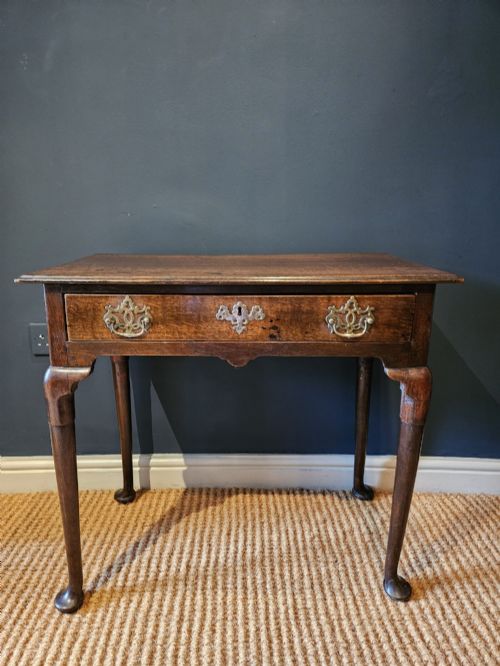
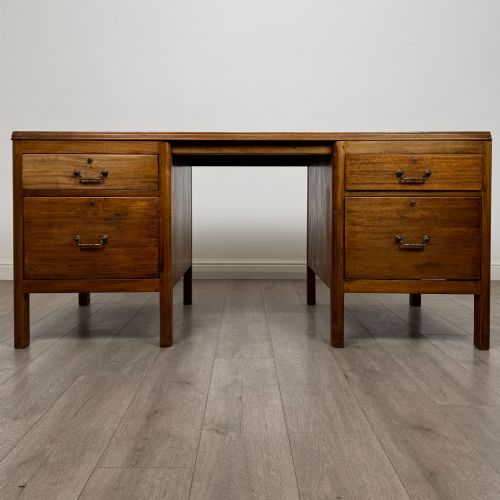
A vintage brass handle desk brings substantial timber and solid hardware together for daily writing work.
Vintage Brass Handle Desk
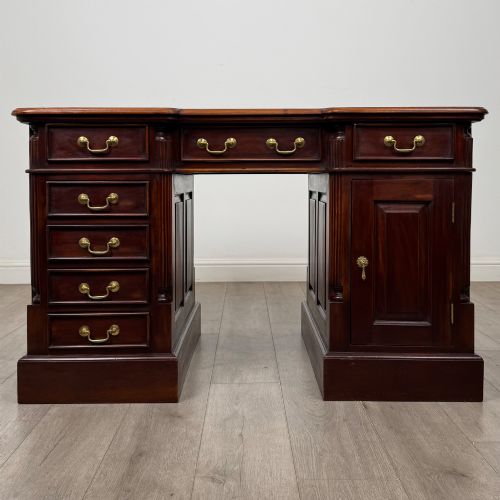
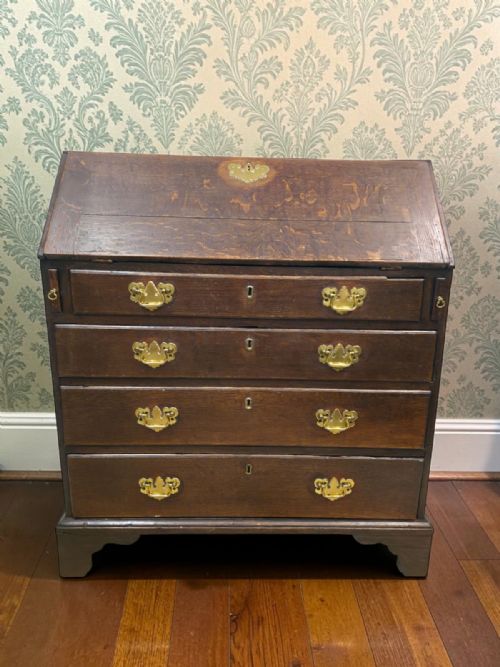
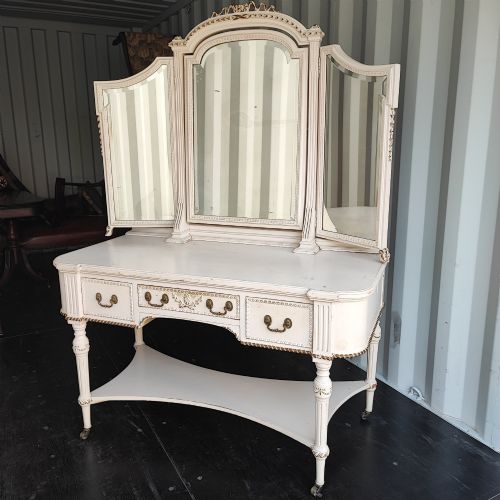
A vintage brass handle desk covers pedestal desks, writing tables, and fall front bureaux spanning Georgian, Victorian, and Edwardian periods. Most items encountered on this page belong to the Edwardian era and the nineteenth century, constructed primarily in mahogany, oak, and walnut.
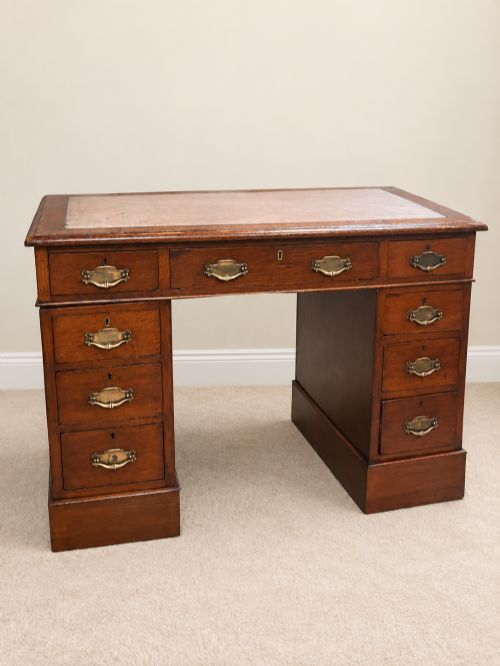
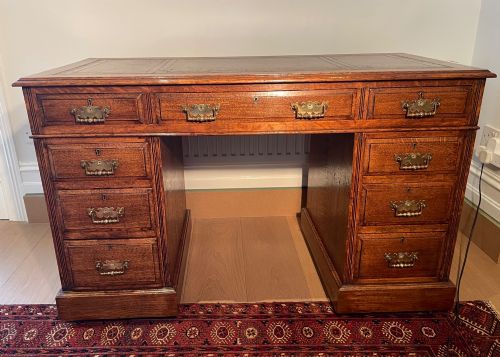
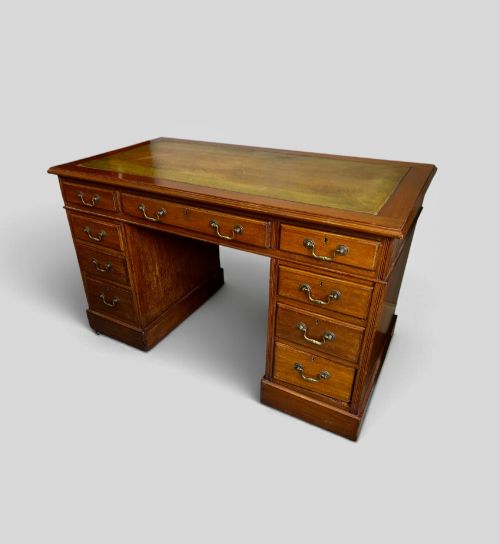
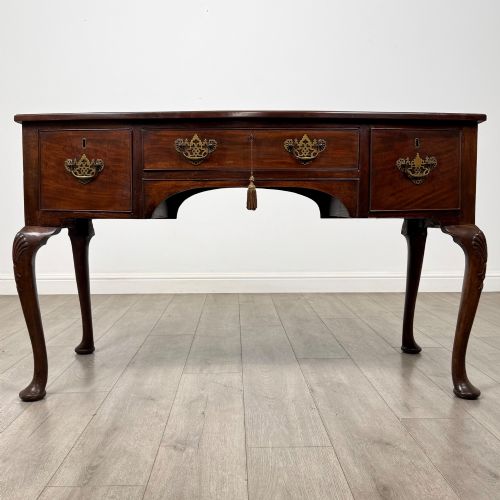
Pedestal forms and writing tables dominate the selection, often fitted with leather inserts, pull-out writing slides, and multiple drawers. Pieces range from large partners desks down to compact kidney shaped writing tables and single drawer side tables.
Revival styles appear alongside authentic period pieces, reflecting Chippendale, Queen Anne, and Georgian influences. Cabinetmakers utilised figured timbers, burr walnut, and solid brass hardware to finish each piece.
Materials and construction
Carpenters constructed these desks from dense hardwoods including mahogany, oak, and walnut, frequently applying burr walnut or figured veneers to primary surfaces. Solid brass handles, drop pulls, and escutcheons secure the drawer fronts.
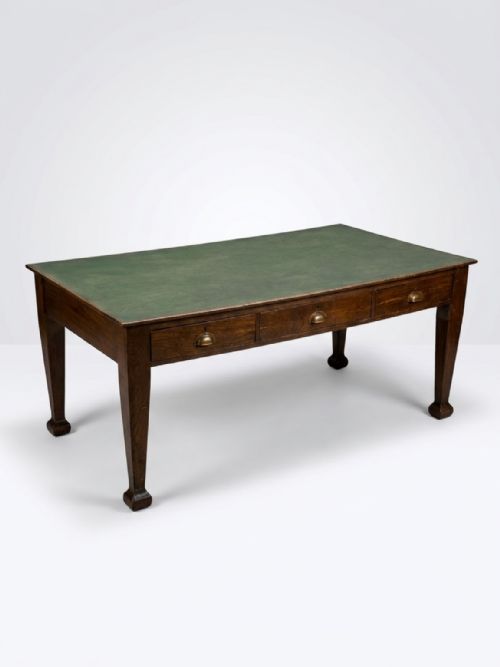
Writing surfaces frequently incorporate inset tooled leather panels framed by timber mouldings. Internal stationary drawers, fitted pigeonholes, and sliding writing surfaces demonstrate traditional dovetail joinery.
Vintage Brass Handle Desk Retail Price Guide 2026
Typical asking prices for vintage brass handle desk among the pieces listed under this phrase on Sellingantiques today, from the lower quarter to the upper quarter. They describe what is for sale here now, not the wider market.
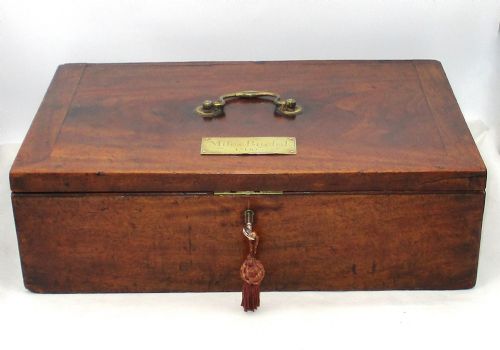
Edwardian and Victorian pedestal desks appear alongside Georgian bureaux, document boxes, and campaign writing tables.
Distinctions in execution
The standard of timber selection and veneer matching defines the upper tier of writing furniture. Heavier gauge brass hardware and finely cut dovetail joints indicate superior workshop production.
The presence of original fitted interiors, functioning locks with working keys, and undisturbed leather writing surfaces separate standard examples from finer commissions.
Trollope and Sons·Maples of London·Mappin and Webb·Pickford of London
The Vintage Brass Handle Desk Glossary
- Pedestal desk
- A heavy writing desk supported by two banks of drawers flanking a central kneehole. This form provides substantial storage capacity on both sides.
- Partners desk
- A large double-sided pedestal desk designed for two people to sit opposite one another. Drawers and cupboards duplicate on both faces.
- Kneehole desk
- A compact writing desk featuring a central recessed space for the legs beneath a single row of drawers. Georgian examples often conceal a small cupboard behind the kneehole.
- Tambour top
- A flexible desktop formed from narrow strips of timber glued to a canvas backing. This mechanism slides in curved grooves to enclose the writing surface.
- Campaign desk
- Portable military furniture designed to dismantle or fold for transport. Brass corner brackets and recessed flush handles protect the timber edges during travel.
Vintage Brass Handle Desk: Frequently Asked Questions
How do I care for a leather desk top?
Apply a neutral leather cream sparingly with a soft cloth to maintain suppleness and prevent the hide from drying out. Avoid placing hot cups or moisture directly onto the leather surface.
Keep wooden surrounds polished with traditional beeswax rather than modern silicone sprays. This preserves the depth of the grain and protects the timber from environmental changes.
Are campaign desks intended for travel?
Nineteenth-century campaign desks were built for military officers on active service overseas. Their modular construction allowed them to pack down into smaller crates.
Today these pieces suit domestic interiors due to their compact proportions and robust brass corner reinforcements.
How do I identify an Edwardian desk?
Edwardian desks often display lighter mahogany or satinwood timbers, frequently incorporating Sheraton or Chippendale revival motifs. They date from the period between nineteen hundred and the First World War.
Drawer construction on these pieces typically utilises machine-cut or fine hand-cut dovetails alongside stamped brass handles characteristic of early twentieth-century hardware.