



Vintage Brass Fire Dogs
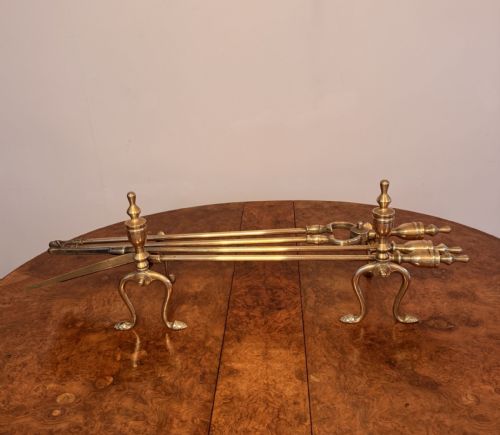
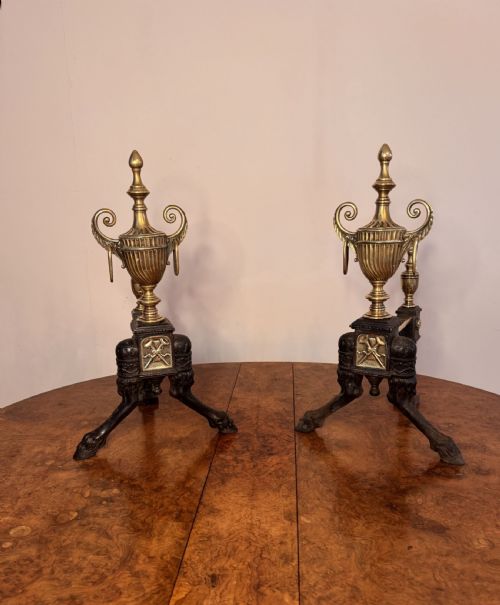
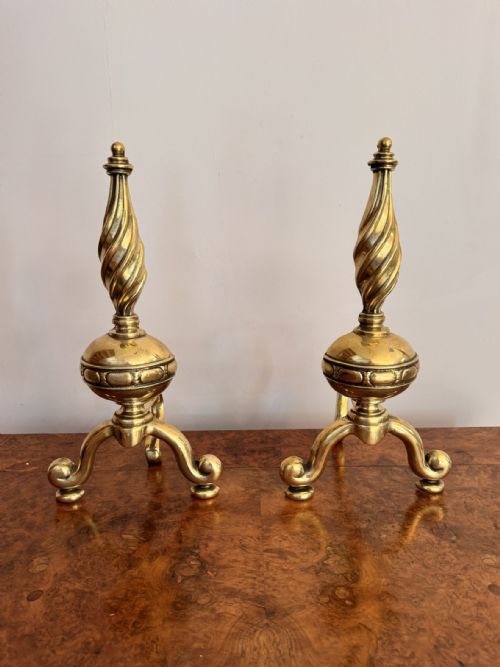
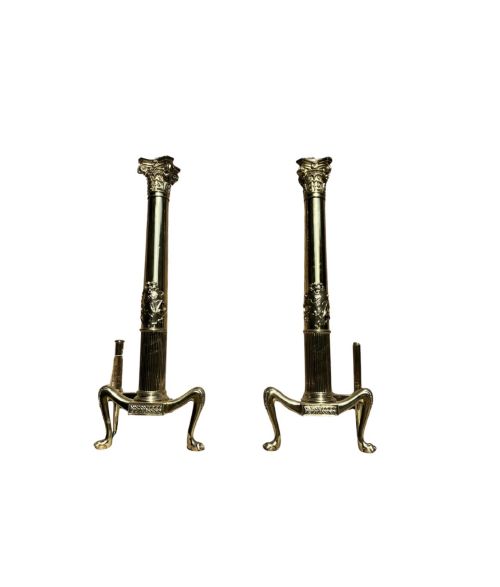
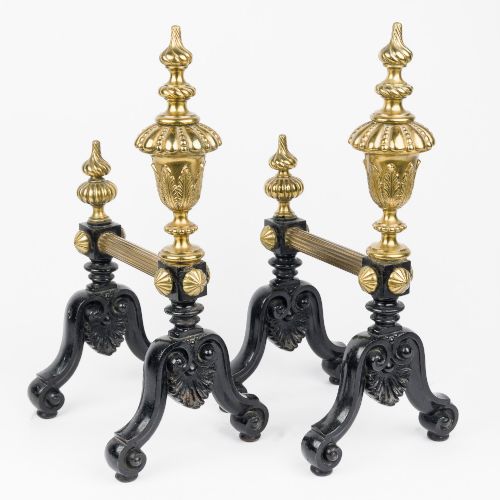
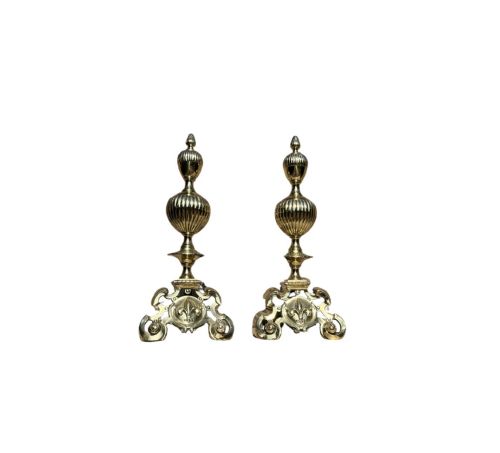
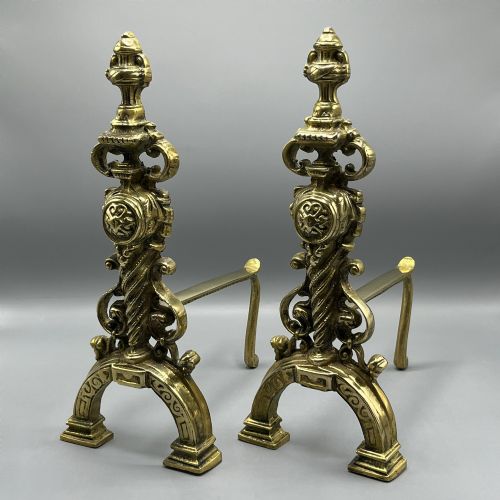
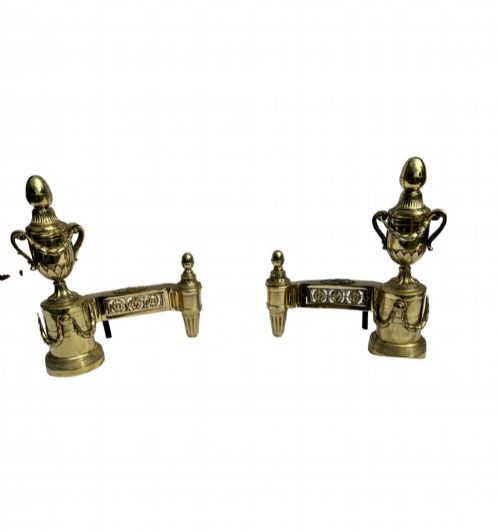
Vintage brass fire dogs anchor an open hearth with structural weight and bright metal.

Vintage Brass Fire Dogs
Vintage brass fire dogs, also known as andirons or chenets, support logs within an open fireplace while adding decorative presence to the hearth. These sturdy metal supports lift fuel to allow proper airflow beneath the fire, preventing wood from smothering on the hearth floor.
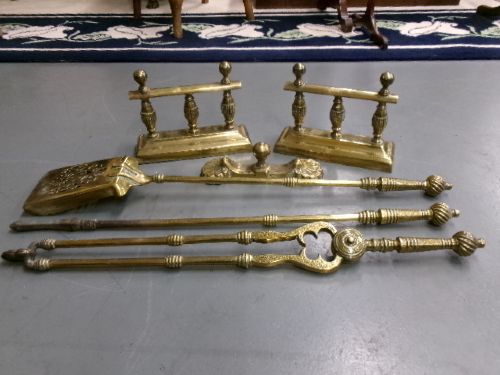
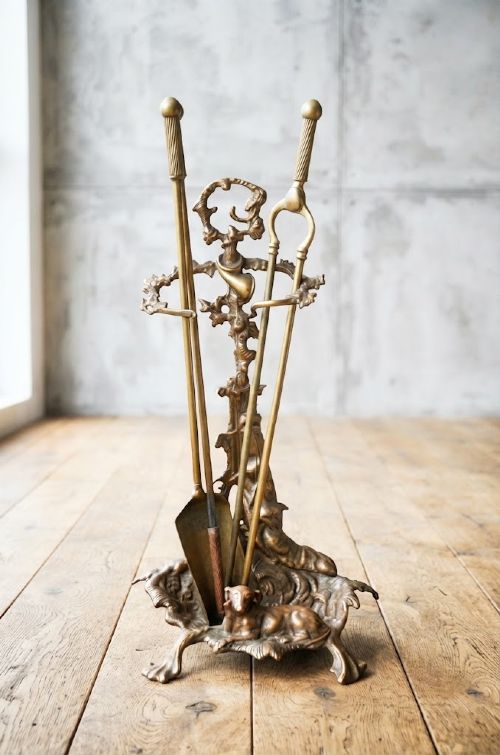
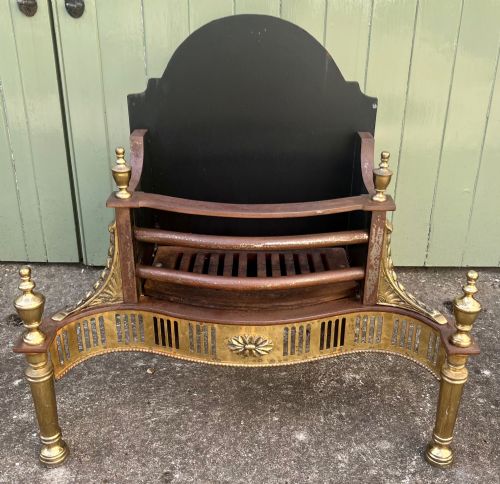
Buyers browsing this selection will most frequently encounter pairs dating from the Victorian era through the early twentieth century. These pieces often arrive alongside companion items such as fire irons, grates, and tool rests to complete the fireplace arrangement.
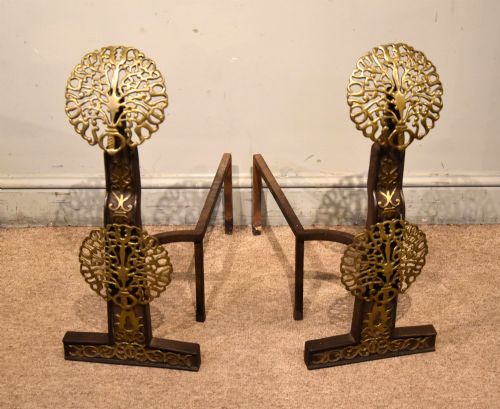
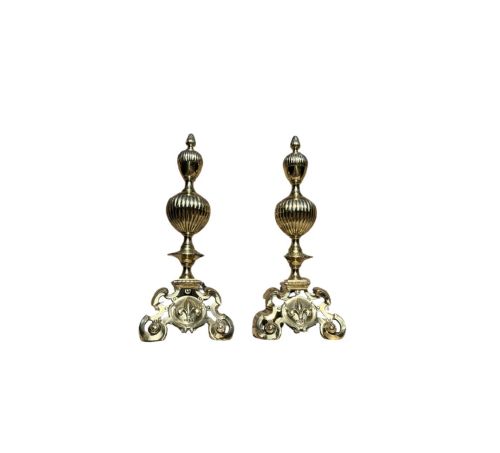
Origin points span English workshops and French foundries, each bringing distinct regional styling to the brass castings. The forms range from plain functional pedestals to ornate sculptural shapes influenced by rococo, baroque, and neoclassical movements.
Materials and Construction
Foundries manufactured these supports using brass, solid brass, cast brass, and bronze, frequently combining these copper alloys with structural iron or steel for the horizontal billets. Iron provides the necessary heat resistance and load-bearing strength inside the hearth fire, while brass supplies the decorative visible surface.
Craftsmen shaped the decorative elements through casting techniques, producing intricate surface patterns that caught the firelight. Detail work on French rococo and Victorian ornate pairs often involved chasing or ormolu mounting to elevate the finish.
Vintage Brass Fire Dogs Retail Price Guide 2026
Typical asking prices for vintage brass fire dogs among the pieces listed under this phrase on Sellingantiques today, from the lower quarter to the upper quarter. They describe what is for sale here now, not the wider market.
The inventory records diverse stylistic influences, incorporating French rococo, Adam style, Gothic Revival, and the Aesthetic Movement.
Assessing Quality and Build
Substantial weight separates sturdier pairs from lighter decorative versions, indicating a generous gauge of metal used in the casting process. Finely cast examples display crisp detail in foliage, scrolls, and figural mounts without softness in the edges.
The integrity of the joinery between the vertical front standard and the horizontal iron dog bar determines structural durability under burning logs. Superior pieces maintain rigid alignment and balanced proportions, ensuring they stand level on the hearth floor.
James Cartland & Son
The Vintage Brass Fire Dogs Glossary
- Andiron
- A horizontal metal support raised on legs, used in pairs to hold logs in an open fireplace. These items often feature decorative vertical fronts.
- Chenet
- The French term for a fire dog or andiron, frequently applied to ornate ormolu or cast brass hearth furniture. They often match companion fire tools.
- Billet bar
- The horizontal iron or steel bar extending backward from the front standard to support the fuel wood. This component absorbs the direct heat of the fire.
- Ormolu
- Finely ground high-carat gold mercury-gilded to a bronze or brass object. This decorative surface treatment appears on mid-nineteenth-century French hearth pieces.
- Fire grate
- A metal basket or framework designed to hold coal or wood above the hearth floor. Certain models incorporate integrated supports for fire irons.
Vintage Brass Fire Dogs: Frequently Asked Questions
How do I use vintage fire dogs?
Place a matching pair of andirons on the hearth floor with the vertical decorative standards facing outward into the room. The horizontal bars extend backward into the fireplace cavity to hold the logs off the masonry.
Position logs across the two iron bars rather than laying wood directly on the base of the fireplace. This configuration creates space underneath for air circulation and ash collection.
Can I burn real wood with them?
Solid brass and iron fire dogs are built for actual hearth use with burning wood. The iron rear bars withstand high temperatures while the brass fronts remain outside the direct flame.
Inspect the metal thickness before lighting open fires in antique pieces. Lighter decorative pairs function better as hearth ornaments rather than heavy log supports.
How do I clean antique brass?
Remove surface soot and dust using a soft dry cloth or a brush with natural bristles. Avoid harsh chemical polishes that strip away the aged patina built up over generations.
Apply mild soapy water for stubborn grime and dry the metal thoroughly to prevent tarnishing. Preserving the dark accents in recessed areas maintains the character of the casting.
How do I identify Victorian styles?
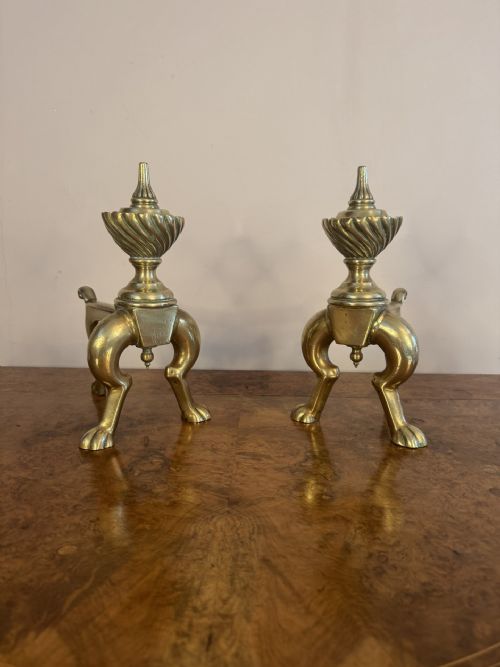
Victorian fire dogs often display heavy ornamentation drawing from Gothic Revival, Aesthetic Movement, or French rococo design vocabulary. Look for robust scrollwork, cast foliage, and claw and ball feet.
Examine the construction of the metal components for nineteenth-century casting methods. English Victorian pieces frequently appear alongside matching companion sets and tool rests.