
Vintage Brass Coal Bucket
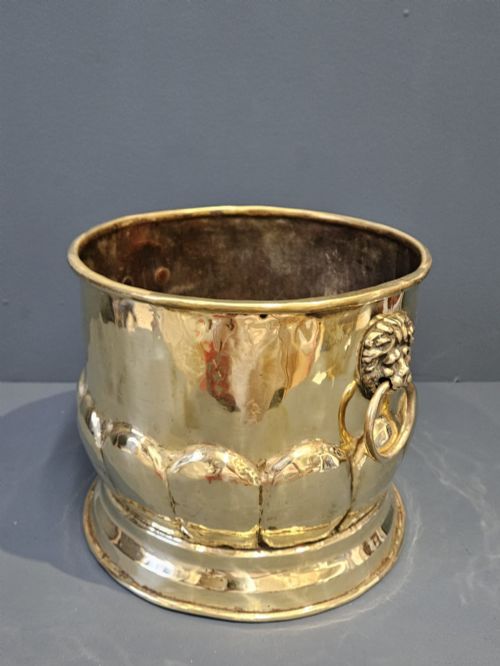
A vintage brass coal bucket brings hearthside utility to life, combining burnished metal with period character for the fireside.
Vintage Brass Coal Bucket
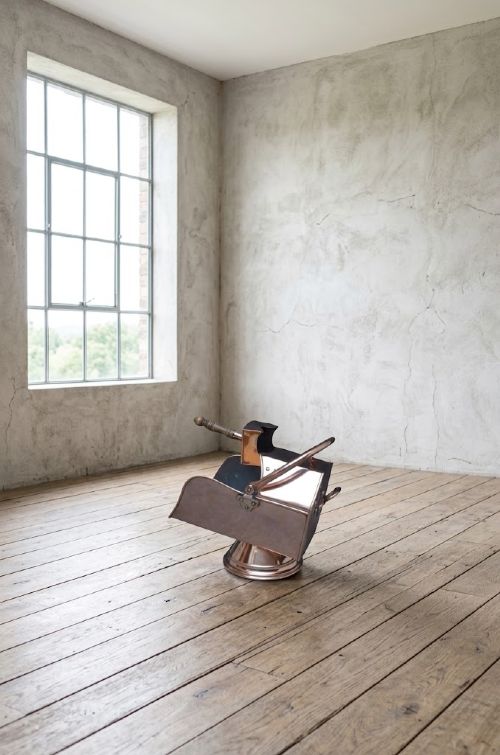
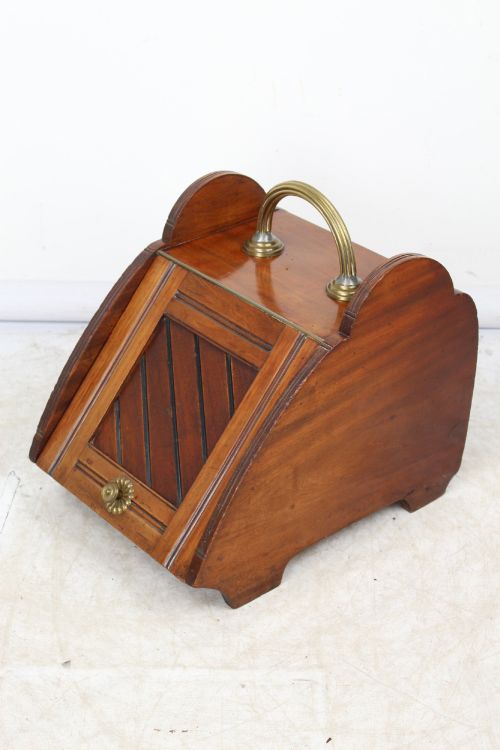
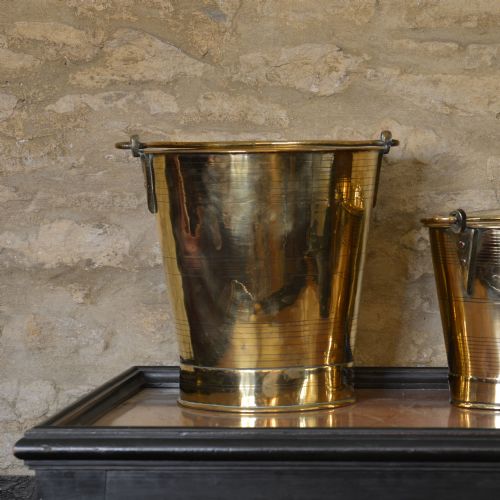
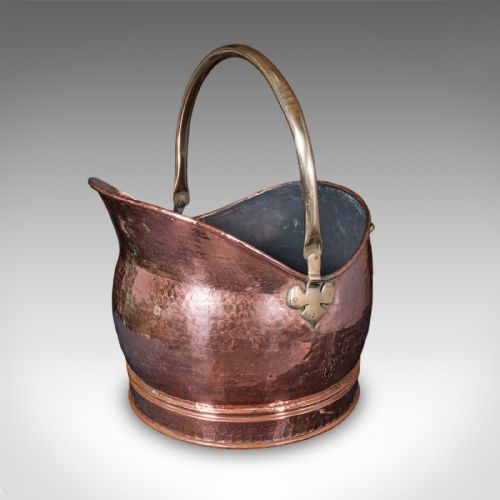
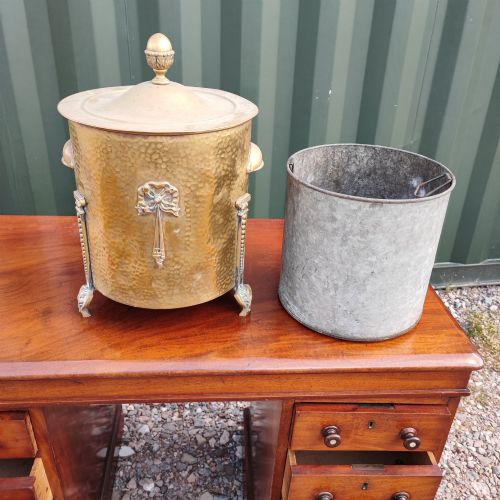
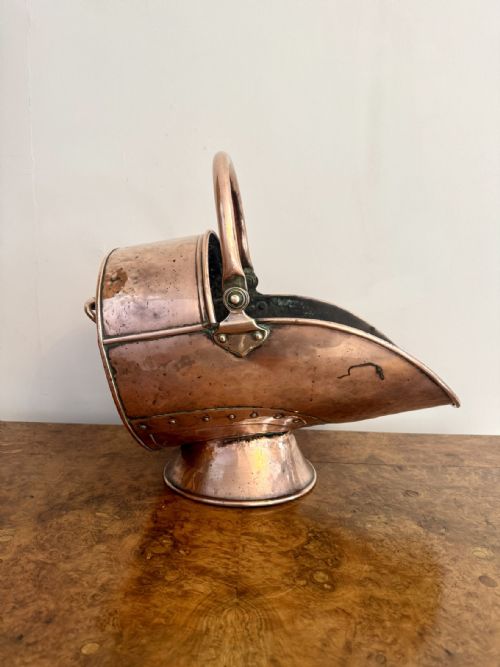
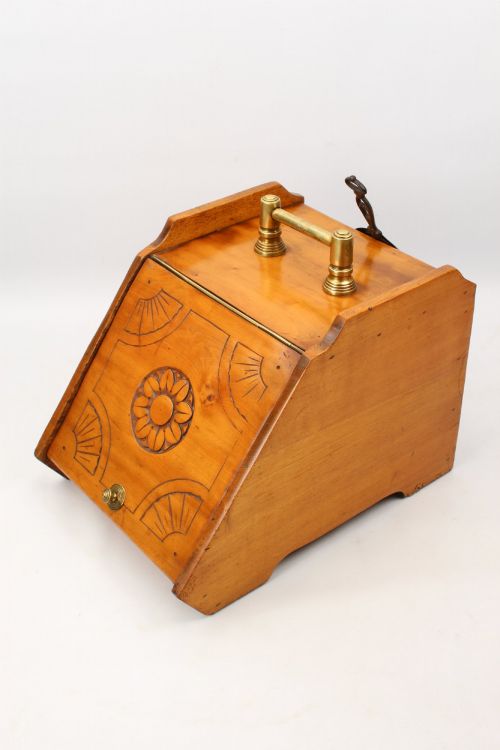
A vintage brass coal bucket serves as a hearthside vessel designed to store fuel for open fires, appearing in forms ranging from traditional scuttles and helmets to cylindrical log bins. These pieces emerge predominantly from the Victorian and Edwardian eras, alongside examples from the Georgian period up to the nineteen-thirties.
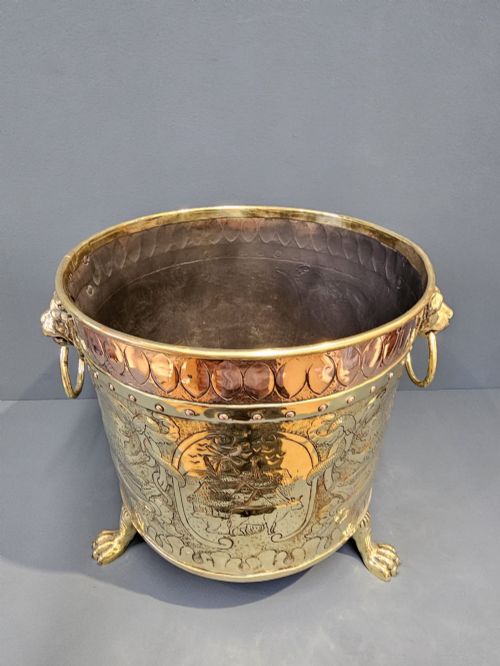
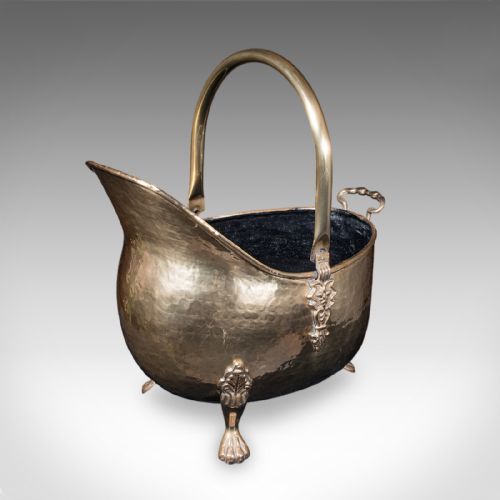
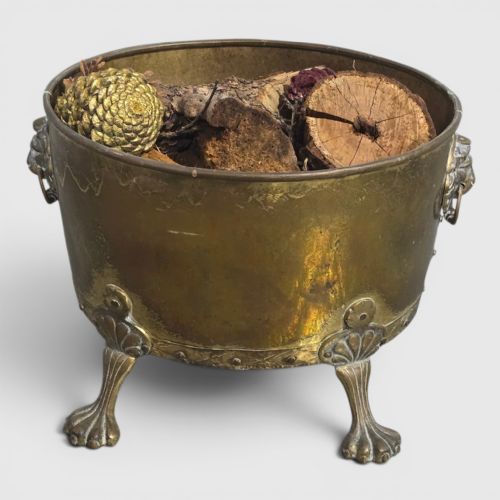
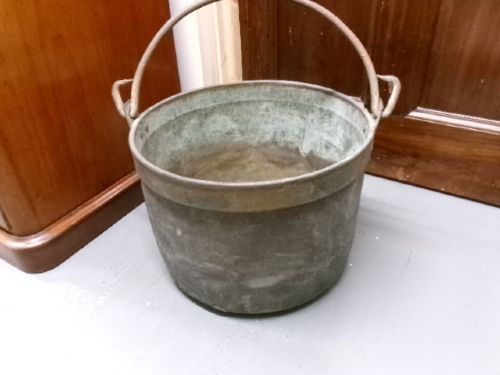
Buyers encounter variations that double as planters, jardiniere vessels, or cast-metal cauldrons with swing handles. Many selections incorporate contrasting copper bands, iron fittings, or timber elements such as oak and mahogany.
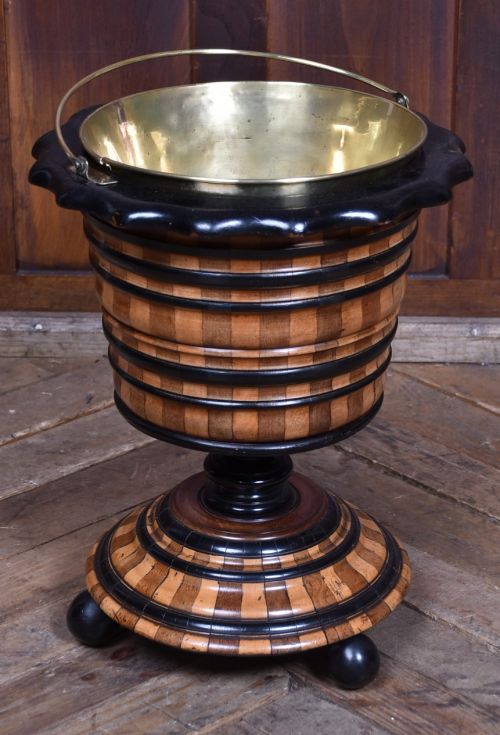
Origins stretch across English workshops and Scottish coopered examples, with occasional Anglo-Indian campaign pieces and Dutch teestoofs appearing in the selection. The fundamental purpose remains domestic fuel storage, adapted over decades into decorative fireside furniture.
Materials and construction
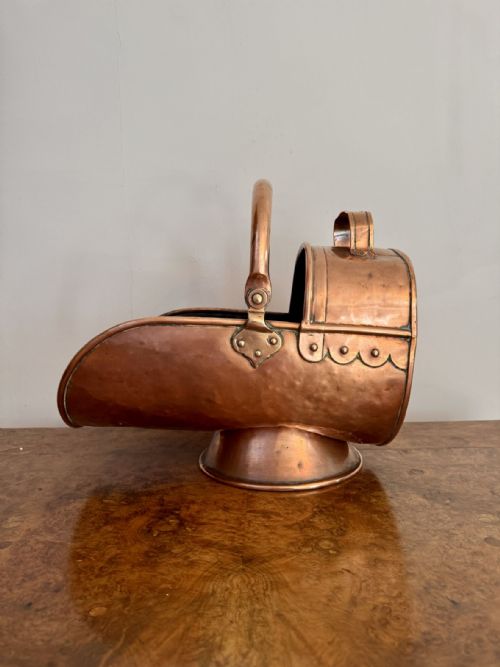
Makers utilised sheet brass and copper as the primary metallic elements, often combining both metals on a single body with riveted seams and solid brass banding. Certain vessels utilise coopered timber construction in oak or ebonised wood, bound with metal hoops.
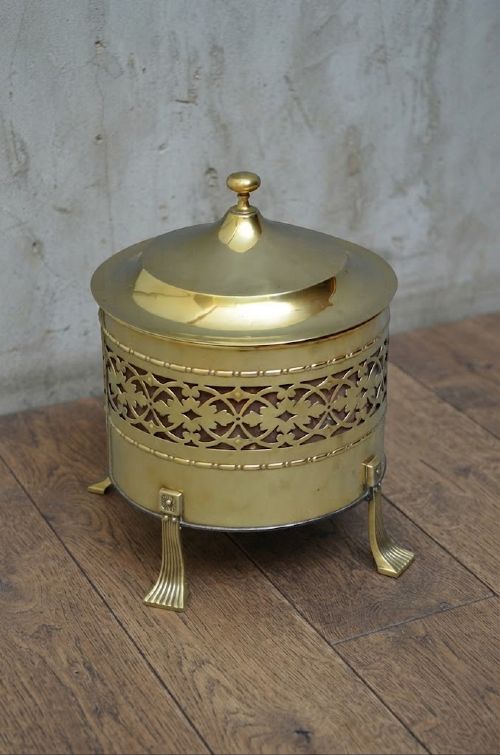
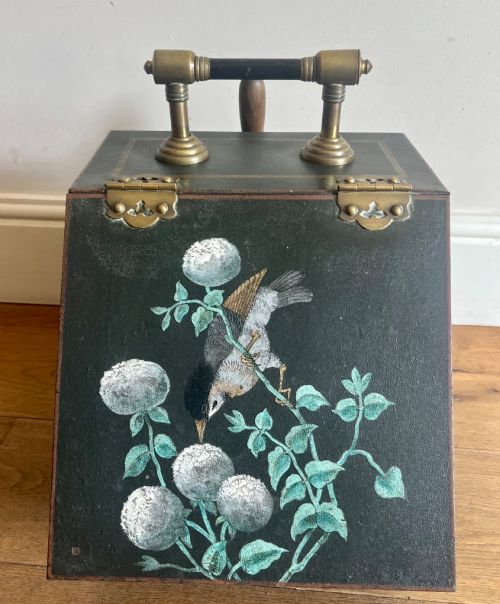
Surface decoration relies on hand finishing, embossing, hammering, and fretwork designs, particularly evident in pieces associated with the Arts and Crafts and Art Nouveau movements. Swing handles, drop handles, and original shovels complete the hardware, anchored by internal liners in specific Dutch and English vessels.
Some vessels moonlighted as plant pots before returning to hearth duty.
Distinguishing quality
The distinction between tiers rests upon the gauge of the metal and the integrity of the construction, such as heavy hand-beating versus light stamped sheet work. Pieces featuring substantial cast brass mounts, tight coopered joints in oak, and crisp embossed detailing command greater regard.
Presence of original components, including matching shovels, liners, and secure swing handles, elevates an example above altered or reconstituted items. The crispness of period stylistic markers, from Arts and Crafts hammered surfaces to Georgian banding, dictates the standing of each vessel.
Benham and Froud
The Vintage Brass Coal Bucket Glossary
- Coal helmet
- A traditional coal scuttle shaped with a high back and a sloping front lip resembling a classic helmet, designed for pouring fuel cleanly.
- Coopered
- A method of construction where narrow staves of wood are fitted together and bound with metal hoops, typical of cylindrical buckets and bins.
- Teestoof
- A traditional Dutch warming vessel, frequently equipped with a metal liner to hold hot embers or fuel safely.
- Jardiniere
- An ornamental pot or receptacle intended to hold plants or flowers, a form shared by many metal coal buckets repurposed for foliage.
- Fretwork
- Openwork ornamentation cut out of sheet metal or wood, seen on decorative Edwardian and Arts and Crafts panels.
Vintage Brass Coal Bucket: Frequently Asked Questions
What is a coal helmet?
A coal helmet is a specific scuttle form featuring a flared lip and raised back, engineered to guide fuel into a grate without spilling.
This shape developed during the nineteenth century to combine practical fireside utility with decorative presence.
How do I clean a brass bucket?
Cleaning requires a soft cloth and a gentle metal cleaner suited to brass, avoiding abrasive pads that scratch the historic surface.
Many collectors prefer to retain a mellow patina rather than polish the metal to a bright shine.
Can these buckets hold logs?
Larger cylindrical vessels and coopered wooden bins serve equally well for storing firewood logs beside the hearth.
Width and depth determine capacity, distinguishing smaller coal scuttles from substantial log bins.
How do I date a brass bucket?
Dating relies on stylistic clues such as Art Nouveau whiplash lines, Arts and Crafts hand-hammering, or Georgian brass banding.
Construction techniques like hand-cut rivets and timber ageing also help place an object within Victorian or Edwardian periods.