




Edwardian Coal Hod
Edwardian coal hod designs bring functional fireside containers into domestic spaces with polished metal surfaces and traditional timber frames.
Edwardian Coal Hod
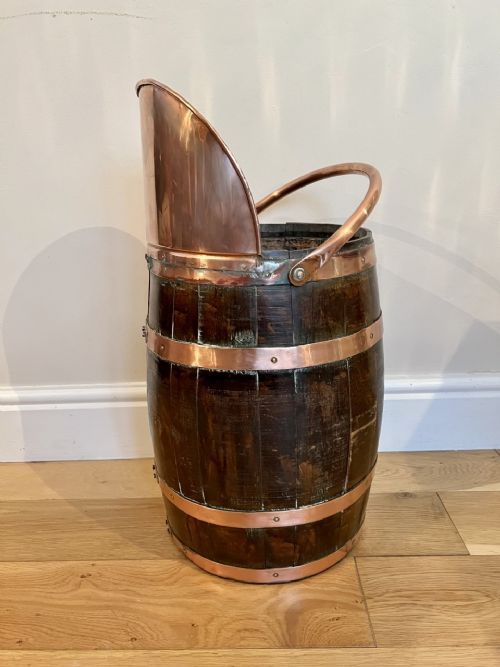
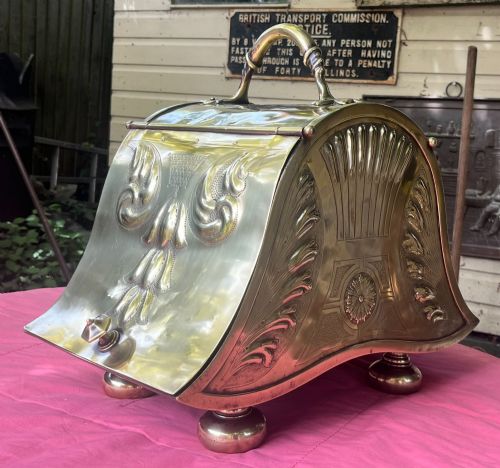
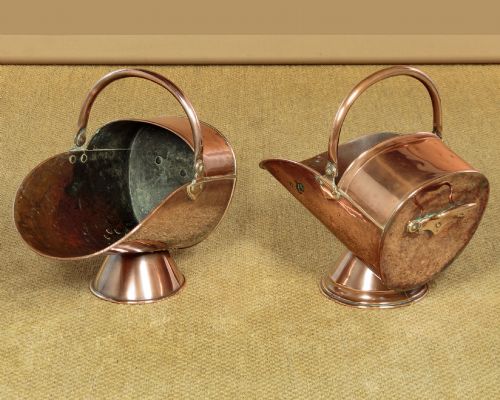
Buyers browsing this selection will frequently encounter bucket and helmet shapes fashioned from sheet metal alongside timber boxes fitted with metal linings. The prevailing styles draw upon Edwardian tastes, Art Nouveau motifs, and Arts and Crafts traditions.
Originating across periods from the Victorian era through the Edwardian decade, these fireplace accessories reflect the domestic metalworking and carpentry standards of their time. Pieces range from simple utilitarian iron receivers to hammered copper designs influenced by the Arts and Crafts movement.
Materials and construction methods
Makers utilised durable metals such as brass, copper, iron, and wrought iron to form the bodies of these coal hods, often employing hand-beaten techniques to create textured surfaces on copper buckets and helmets. Riveted joints and folded seams provide structural integrity for holding heavy loads of coal.
Timber varieties including oak and other woods appear in box constructions and structural frames, occasionally paired with metal bindings or removable internal liners. These mixed-media pieces combine the warmth of wood with the resilience of metal components for everyday hearth use.
Edwardian Coal Hod Retail Price Guide 2026
Typical asking prices for edwardian coal hod among the pieces listed under this phrase on Sellingantiques today, from the lower quarter to the upper quarter. They describe what is for sale here now, not the wider market.
Design styles present in the collection include Edwardian, Art Nouveau, and Arts and Crafts movements.
Distinguishing quality across examples
The standard of craftsmanship shows in the weight of the metal, the precision of the hammered surface work, and the integration of handles and mountings. Superior examples exhibit deliberate shaping and sturdy structural joints rather than basic stamped assembly.
Material selection and decorative detailing dictate the standing of a piece, with fine Arts and Crafts hammered finishes and quality oak timber cabinetry representing the more accomplished end of the production spectrum.
Benham and Froud
The Edwardian Coal Hod Glossary
- Coal hod
- A container or bucket designed specifically for storing and carrying coal to a fireplace. These vessels often feature a slanted opening or a hinged lid.
- Coal scuttle
- A domestic metal container for holding coal, typically featuring a hinged handle at the top and a smaller handle at the back for tipping. Many examples take a distinctive helmet shape.
- Art Nouveau
- A decorative style prevalent around 1900 characterised by flowing organic lines, stylised plant motifs, and dynamic asymmetrical patterns. This aesthetic heavily influenced fireside metalwork.
- Arts and Crafts
- A design movement promoting traditional craftsmanship, visible construction methods, and simple forms using natural materials like copper and oak. Hand-beaten metalwork is a common hallmark of this style.
Edwardian Coal Hod: Frequently Asked Questions
What is a coal hod?
A coal hod is a domestic container built to hold and transport fuel for an open fireplace.
These pieces combine utilitarian metal or wooden construction with decorative styling suited to period interiors.
How do I date an Edwardian coal hod?
Dating relies on stylistic markers such as Art Nouveau curves or Arts and Crafts hammered metal textures combined with period materials.
Construction details like riveted joints and timber selection also point toward late nineteenth and early twentieth-century manufacturing practices.
What materials were used?
Makers constructed these items from metals including brass, copper, iron, and wrought iron alongside woods such as oak.
Many examples feature mixed materials, pairing a wooden box body with metal bindings or internal metal liners.
How do I care for a metal coal hod?
Maintenance involves dusting the surfaces and occasionally cleaning exposed brass or copper with appropriate metal polish if desired.
Preserving the original patina depends on avoiding abrasive cleaners that might remove historical surface character.