
Vintage Brass Bowl
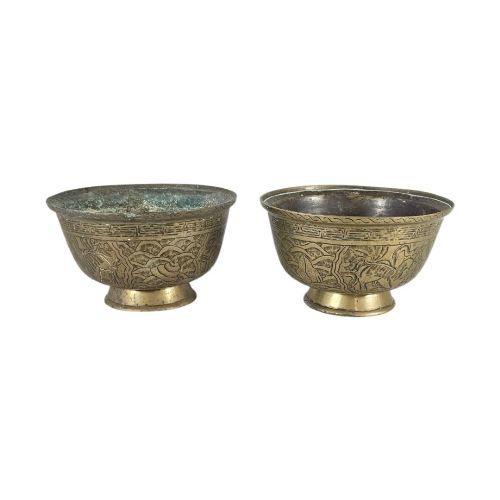
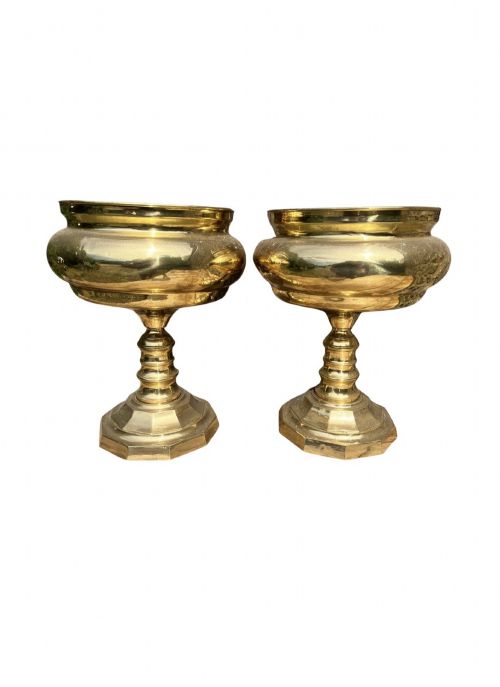
A vintage brass bowl brings warmth and metal texture into a room, spanning decorative vessels and utilitarian forms.
Vintage Brass Bowl
The objects appearing in this category range from heavy utilitarian cookware and mortars to refined revival pieces featuring pierced metalwork and silver inlay. Pieces originating from English, French, Middle Eastern, and East Asian workshops demonstrate how domestic and ceremonial metalware travelled and evolved over centuries.
Materials and construction methods
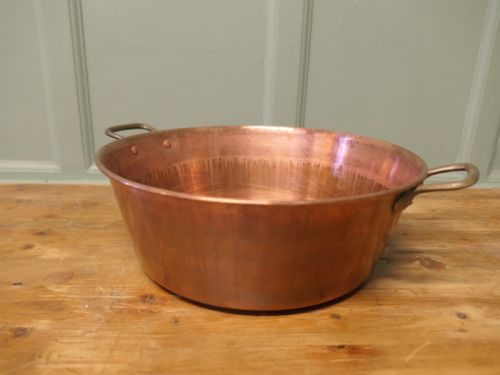
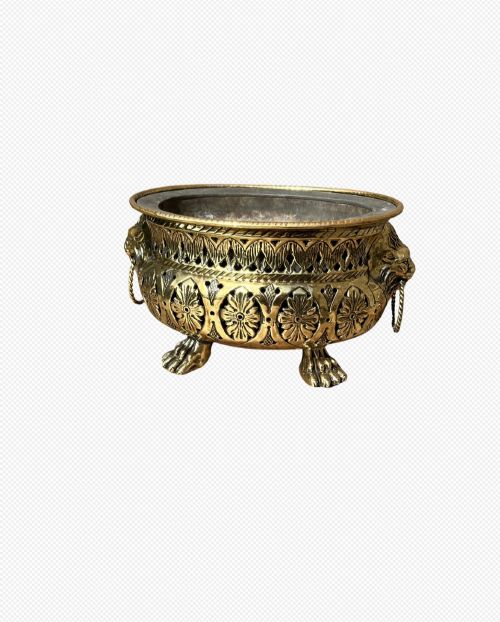
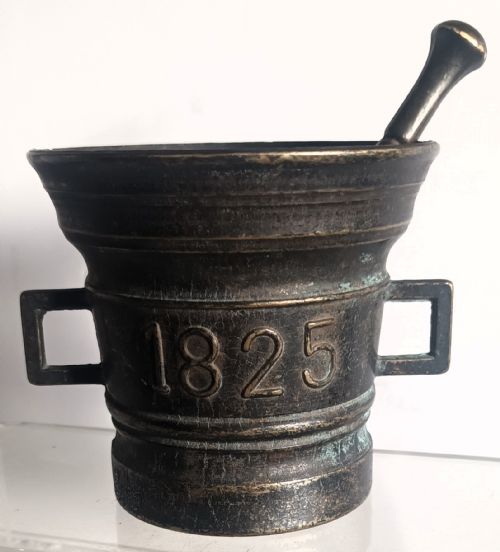
Makers shaped these vessels through foundational metalworking techniques such as casting, hammering, and spinning brass, copper, and bronze. Heavier forms like mortars and pans rely on thick cast bronze or beaten sheet copper, whereas lighter decorative jardinieres utilise sheet brass shaped with pierced or repoussé ornament.
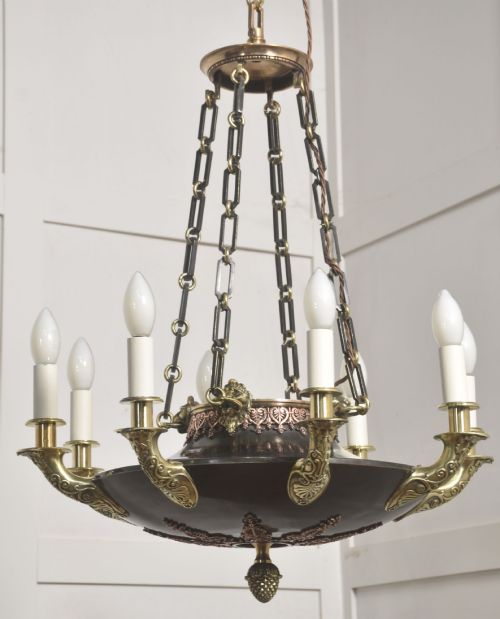
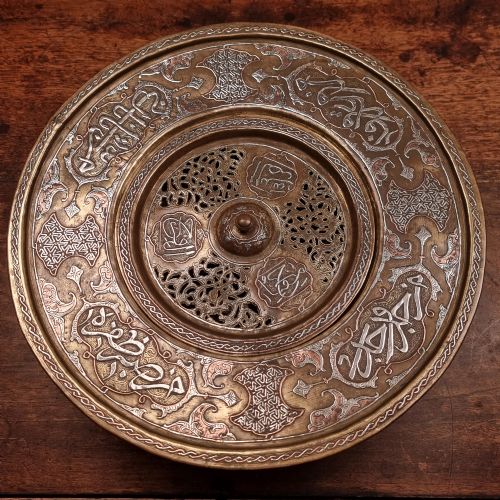
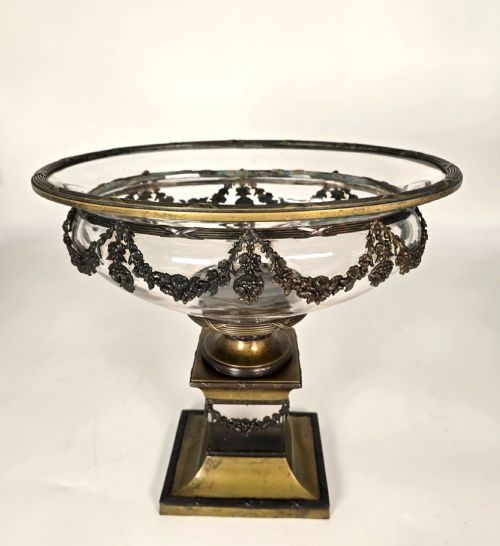
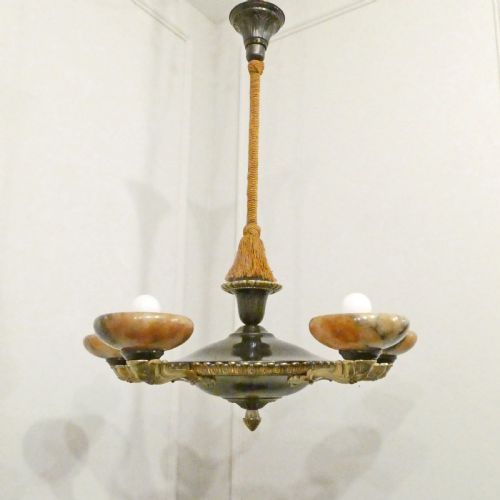
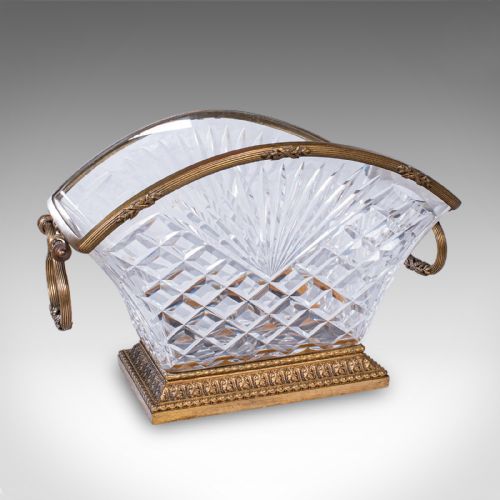
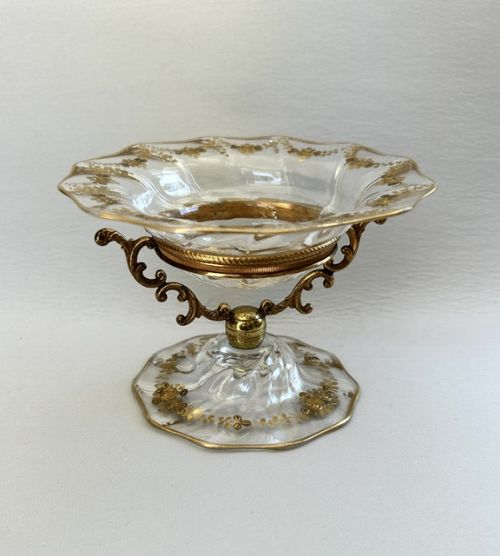
Surface decoration frequently involves patination, silver inlay, and mixed metal application, particularly seen in Middle Eastern cairoware and European revival styles. Ormolu mounts and cut glass inserts additionally combine cast bronze with transparent elements in nineteenth-century centrepieces and lighting components.
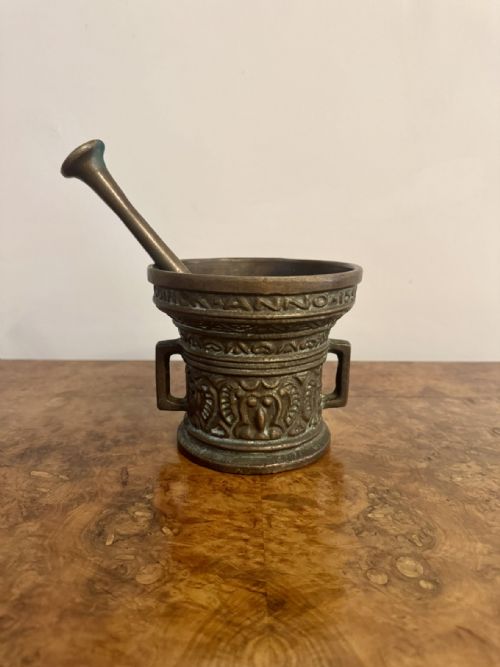
An eighteenth-century apothecary mortar shares shelf space with Japanese cloisonne shrimp chargers.
Distinctions in craftsmanship and material substance
Quality rests primarily in the weight of the metal and the crispness of the hand-finishing, distinguishing substantial cast or heavy gauge vessels from thin pressed items. Superior examples display precise chasing, secure riveted or cast handles, and intentional surface patination rather than flat, uniform machine plating.
The integration of decorative elements like silver inlay or pierced brass work separates standard production items from masterworks. In mixed media vessels, the clarity of glass inserts and the precision of bronze mounts define the upper tier of the range.
WMF·Hodges and Sons
The Vintage Brass Bowl Glossary
- Jardiniere
- An ornamental pot or stand designed to hold a plant or floral arrangement. These vessels often feature pierced brass or patinated surfaces intended for interior display.
- Cairoware
- Metalware originating from or inspired by Islamic traditions in Cairo, typically constructed from brass and inlaid with silver or copper wire. This work became highly fashionable during the nineteenth century.
- Ormolu
- Gilded bronze used for furniture mounts, decorative stands, and vessel hardware. The technique involves applying a mercury and gold amalgam to cast bronze.
- Mortar and pestle
- A heavy bowl paired with a club-shaped tool used for grinding and crushing substances. Examples range from utilitarian kitchen hardware to thick bronze apothecary vessels.
- Plafonnier
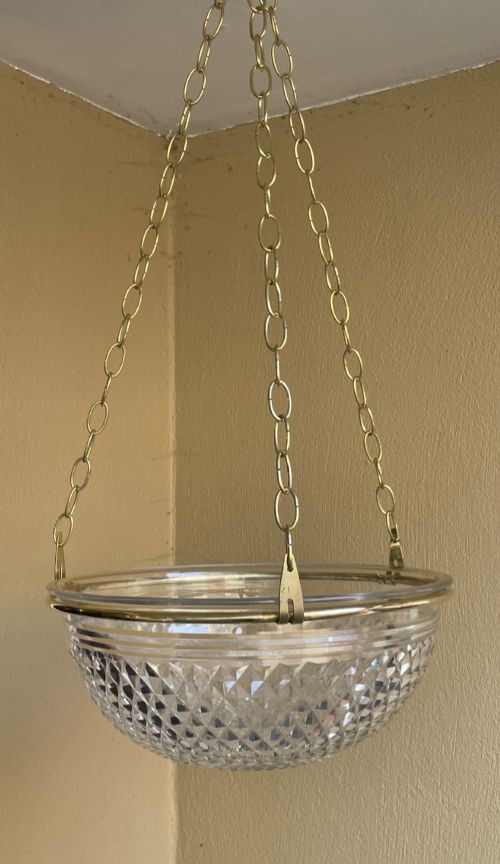
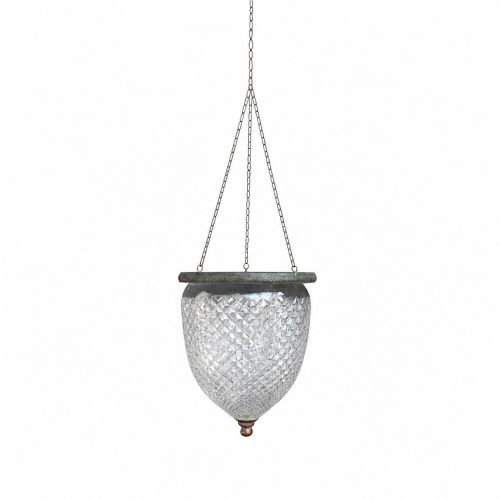
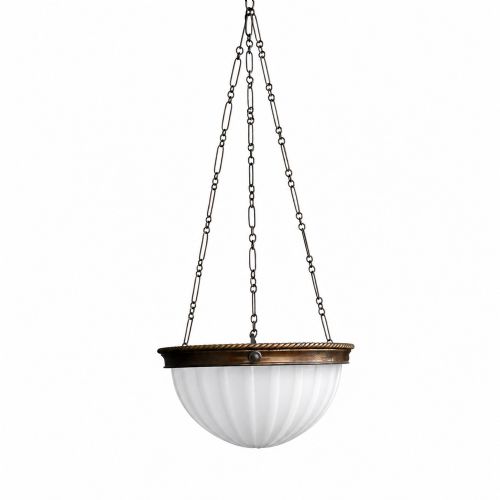
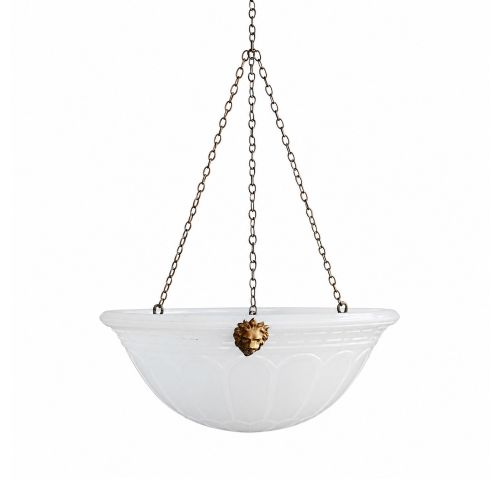
- A ceiling-mounted bowl light fixture, frequently composed of cut, frosted, or opalescent glass held within bronze or brass mounts.
Vintage Brass Bowl: Frequently Asked Questions
How do I clean an old brass bowl?
Maintenance depends entirely on preserving the historic surface and any intentional patination developed over decades. Gentle dusting with a dry cloth is usually sufficient for pieces showing age.
Avoid harsh chemical polishes that strip away the dark oxidation valued by collectors. Professional conservation advice should be sought if structural cleaning becomes necessary.
Can these vessels hold water for plants?
Many heavy metal vessels functioned originally as planters or jardinieres and handle moisture adequately. However, older soldered seams or thin spots require careful checking before direct planting.
Using a discrete inner liner protects the historic interior from mineral deposits and moisture corrosion. This preserves the metal integrity while allowing functional use in modern rooms.
What is the difference between brass and bronze?
Brass is primarily an alloy of copper and zinc, yielding a bright golden colour when polished. Bronze consists mainly of copper combined with tin, resulting in a heavier, darker material.
Antiquarian pieces often blur these definitions due to historical smelting variations and mixed alloy compositions. Examination of weight and natural colour tone usually reveals the predominant metal.
How can I tell the period of a bowl?
Dating relies on observing manufacturing marks, tool traces, style influences, and material composition. Hand-hammered seams and early casting methods point toward eighteenth and early nineteenth-century production.
Later Victorian and Edwardian items often incorporate machine assistance or specific revival aesthetics like Art Nouveau and Arts and Crafts. Comparing construction details against verified examples provides the firmest chronology.