




Vintage Box Mirror
These vintage box mirror examples combine functional glass with hidden storage, offering a traditional tabletop addition to dressing rooms.
Vintage Box Mirror
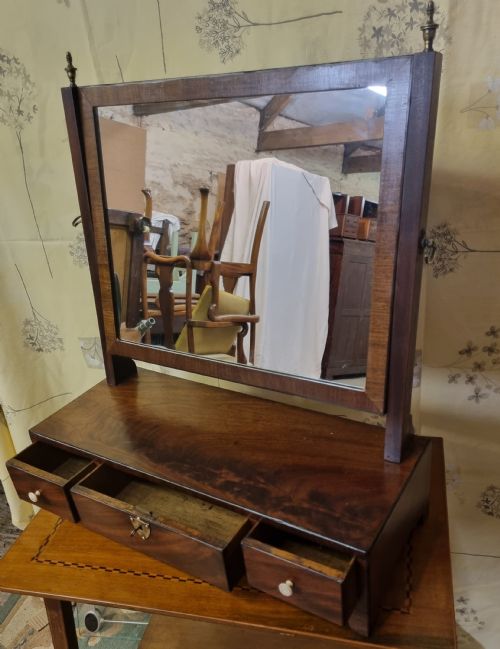
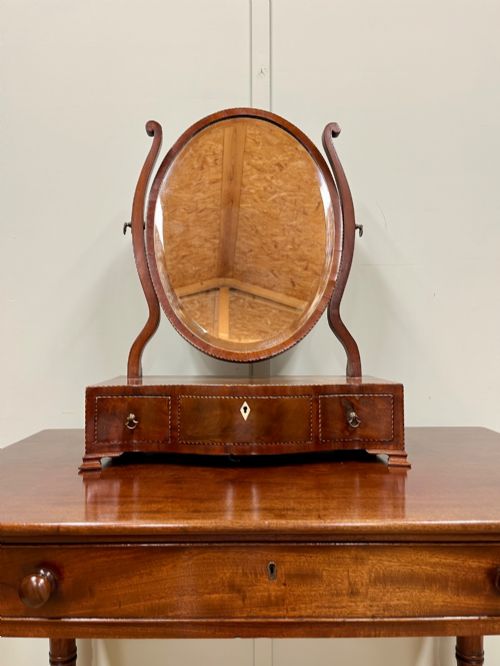
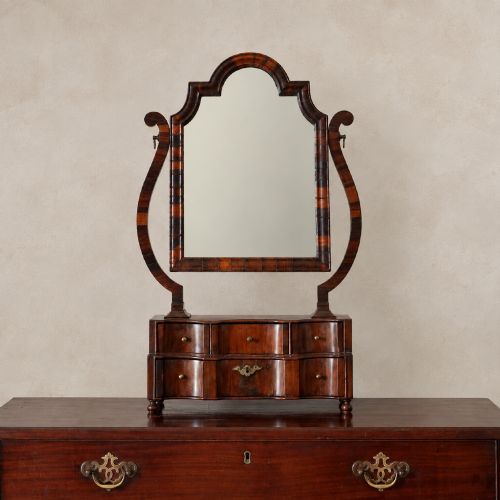
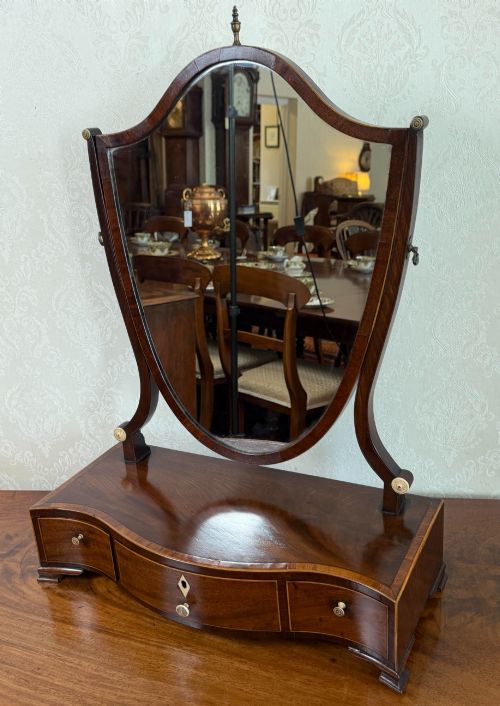
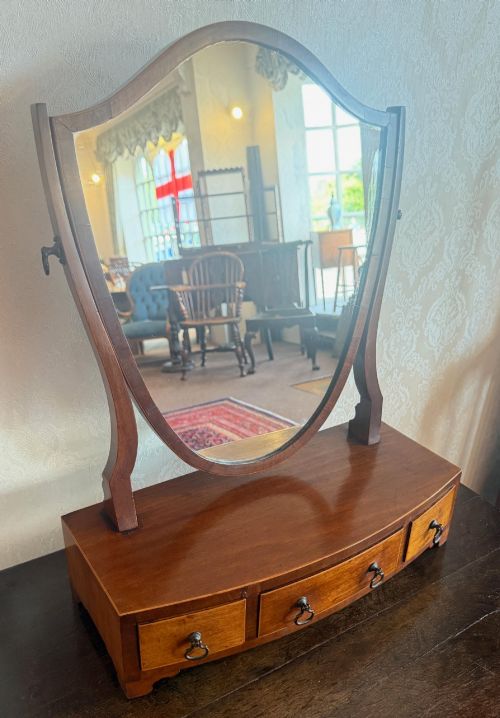
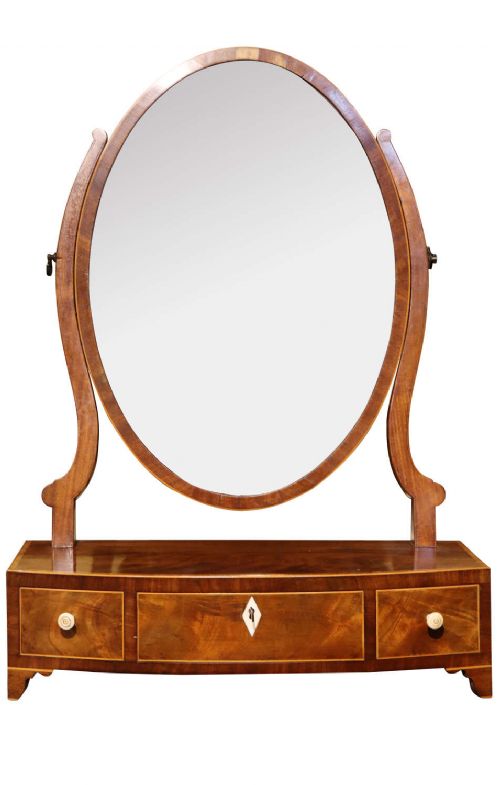
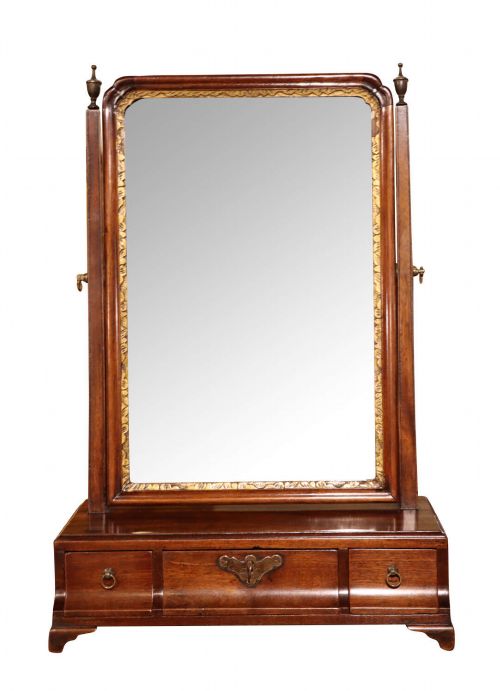
A vintage box mirror sits upon a table or chest, combining an adjustable glass plate with a small storage base containing drawers. When collectors search for a vintage box mirror, they encounter forms that evolved from eighteenth-century toilet mirrors into nineteenth-century dressing designs.
The prevailing versions on this page originate in the Georgian and Victorian periods, constructed primarily as mahogany or walnut table mirrors. These items served a daily routine in bedchambers, holding small valuables inside their fitted box plinths while reflecting the user.
Materials and construction methods
Cabinetmakers utilised dense hardwoods such as mahogany, walnut, and oak to build the structural frames and box plinths. Crossbanding, stringing, and parcel-gilt details frequently decorate the surfaces, showing the joinery skills of the period.
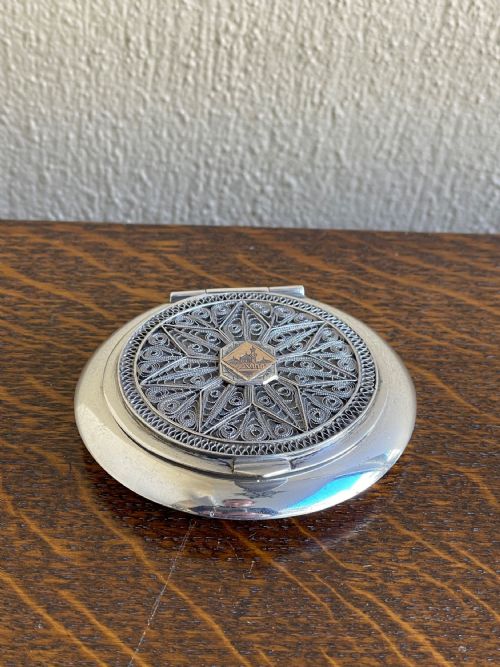
The mirror plates utilise historical glass set into pivoting frames connected by brass screw caps and arms. Enamel, bone, and silver appear occasionally as decorative accents on smaller related items within the broader category.
Some hidden compartments require specific drawer sequences to open, guarding secrets meant for the dressing room.
Judging quality in construction
Quality rests upon the selection of timber veneers and the crispness of inlaid crossbanding. Finer examples display harmonious proportions between the height of the glass plate and the depth of the drawer base.
The execution of the joinery in the box structure distinguishes superior pieces from standard workshop output. Original brass hardware and undisturbed backboards retain the integrity valued by experienced collectors.
The Vintage Box Mirror Glossary
- Toilet mirror
- A smaller tabletop mirror designed for personal grooming, typically mounted on a box base containing one or more small drawers.
- Crossbanding
- A decorative border of veneer laid across the grain of the primary wood to frame the drawer fronts or top surfaces.
- Parcel-gilt
- Partially gilded with gold leaf, highlighting specific carved wooden details or mouldings on the frame.
- Guilloche
- A mechanical engraving technique producing intricate, repeating geometric patterns beneath a translucent enamel coating.
- Marquetry
- An elaborate veneer technique forming pictorial designs using various coloured woods and natural materials.
Vintage Box Mirror: Frequently Asked Questions
What is a box mirror?
A box mirror is a dressing table accessory consisting of a swiveling glass plate mounted on a small wooden chest containing drawers.
These compartments held personal items and cosmetics in historical bedchambers while keeping the dressing table tidy.
How old are these mirrors?
The listings span from the eighteenth century through the Victorian era and into the early twentieth century.
Georgian and Victorian examples form the majority of the available tabletop designs on this page.
Which woods were used?
Cabinetmakers primarily constructed these pieces using mahogany and walnut, occasionally incorporating oak or laburnum.
Selected surfaces often display fine veneers and decorative crossbanding to enhance the appearance.
Where do they go?
They suit placement on dressing tables, chests of drawers, or sideboards in bedrooms and hallways.
The integrated drawers provide convenient storage for small everyday objects.