



Vintage Blue White Plate
A vintage blue white plate carries centuries of cobalt decoration, ranging from English transferware to Japanese porcelain and Dutch delft chargers.
Vintage Blue White Plate
When searching for a vintage blue white plate, buyers encounter a diverse selection spanning earthenware, porcelain, and tin-glazed ceramics. These items appear in forms such as large chargers, serving platters, soup dishes, and biscuit barrels.
The periods represented stretch from the seventeenth century through the Victorian and Edwardian eras up to the early twentieth century. English transferware, Japanese Arita and Imari, and European delft wares dominate the selection available on this page.
How They Were Made
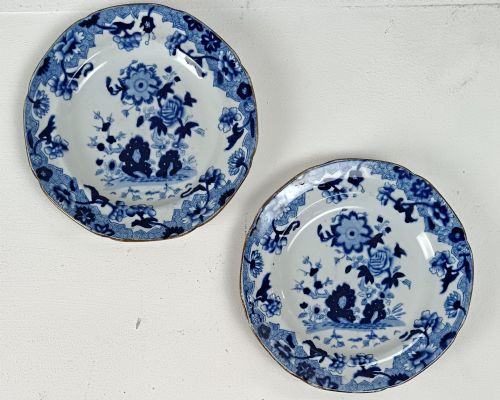
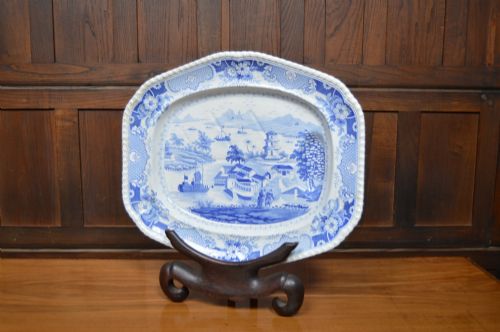
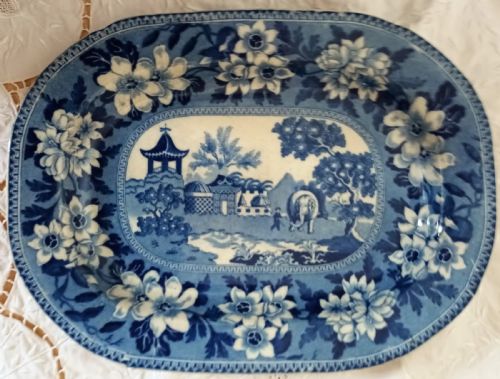
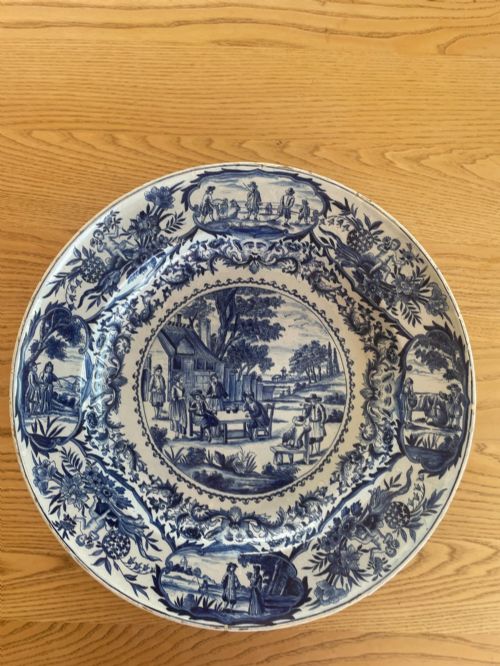
Potters utilised earthenware, ironstone, and porcelain bodies, applying cobalt underglaze decoration or tin glaze before firing. Transfer printing allowed intricate patterns like 'India Temple' and 'London Bridge' to be transferred mechanically onto earthenware surfaces.
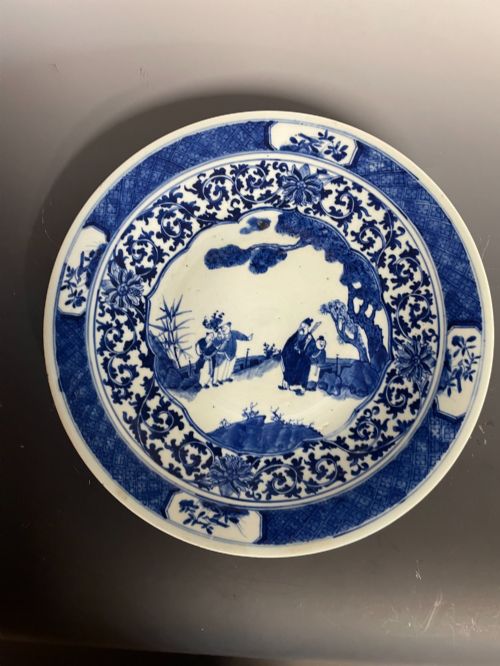
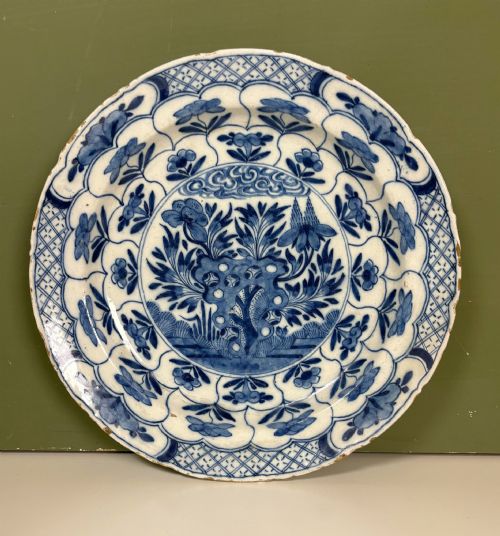
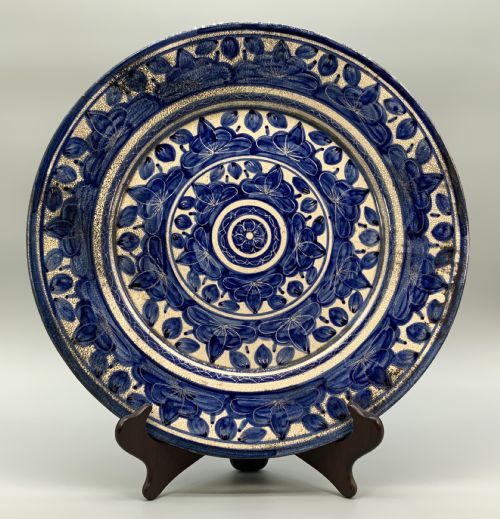
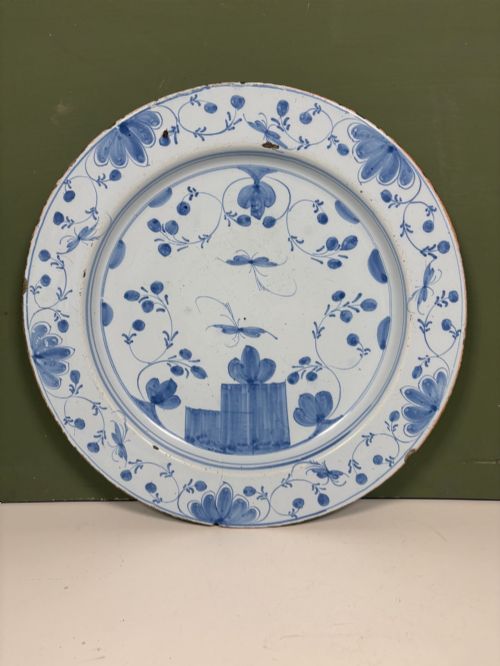
Japanese pieces often feature hand-painted cobalt designs on Arita porcelain or Imari palettes incorporating enamel. Tin-glazed earthenware delft chargers received opaque white glazes that absorbed hand-painted blue pigments during the kiln process.
Several plates bear the silent witness of old wire hangers rusted firmly into their foot rims by Victorian decorators.
What Varies in Quality
Quality rests upon the crispness of the cobalt transfer or the skill of the hand-painted brushwork. Finer ceramic bodies display smoother glazes, fewer kiln scars, and sharper pictorial depth in scenes such as landscapes or botanical motifs.
The reputation of the pottery works or maker influences desirability, alongside the preservation of the glaze and the structural integrity of large chargers or meat platters.
Spode·John Rogers And Son·Royal Worcester·Desvres·Carlton Ware·Mason·Bassano Pottery Works
The Vintage Blue White Plate Glossary
- Transferware
- Earthenware decorated by applying a printed design from a copper plate onto paper, then transferring it to the ceramic body before glazing. This method enabled mass production of detailed pictorial patterns during the nineteenth century.
- Delft
- Tin-glazed earthenware originating in the Netherlands and England, imitating Chinese porcelain with blue decoration on an opaque white background. These pieces often take the form of large wall chargers and shallow bowls.
- Imari
- Japanese porcelain decorated in underglaze blue, iron red, and gilt, exported widely to Europe from the port of Imari. The style balances dense floral and pictorial layouts.
- Charger
- A large decorative plate or platter traditionally used for ceremonial display or serving meals at grand tables. Many antique examples survive with wall hanging holes in their foot rings.
- Ironstone
- A durable type of heavy earthenware patented in the nineteenth century to imitate porcelain. It provides a robust surface for transfer-printed patterns on platters and soup dishes.
Vintage Blue White Plate: Frequently Asked Questions
How do I display a large charger plate?
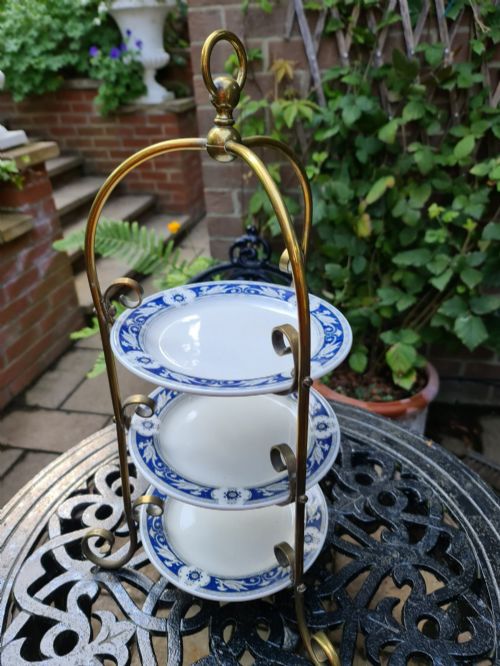
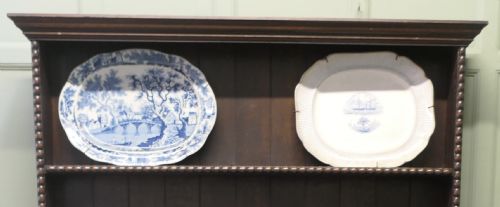
Large chargers and platters often feature original foot rings with drilled holes for wire suspension, allowing safe wall mounting. Alternatively, sturdy plate stands support heavier pieces on furniture surfaces.
Ensure wall fixtures take the substantial weight of seventeenth or eighteenth-century earthenware before hanging them in living spaces.
Can I use these antique plates for dining?
While transferware and ironstone platters were originally utilitarian tableware, antique ceramic glazes can wear or contain historical materials. Gentle hand washing preserves the delicate cobalt surfaces and prevents crazing.
Many collectors prefer to use these items for display or dry service rather than daily meals.
How do I tell Japanese Imari from European copies?
Japanese Imari porcelain typically shows a greyish undertone in the paste and specific iron red and cobalt hues applied beneath and over the glaze. European factories produced rival versions using earthen bodies and distinct potting techniques.
Examining the foot rim often reveals the characteristic sandy texture of Japanese kilns.
What is the difference between delft and ironstone?
Delft is a softer tin-glazed earthenware developed in the seventeenth and eighteenth centuries with an opaque white surface. Ironstone is a dense, durable nineteenth-century ceramic designed to resist chipping.
Ironstone usually carries transfer-printed patterns, whereas delft decoration is typically brush-painted.