


19th Century Meat Plate
These 19th century meat plate selections offer sturdy earthenware and gleaming silver plate designed to present joint roasts at family tables.
19th Century Meat Plate
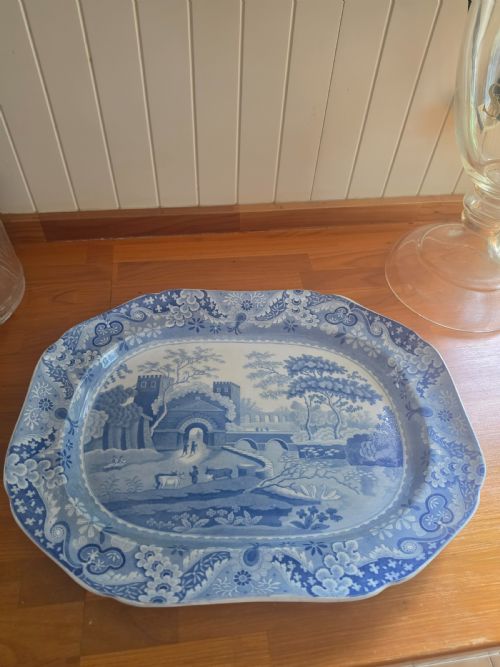
A 19th century meat plate typically takes the form of a large serving platter, charger, or dish cover intended for substantial dining room service. Buyers frequently encounter blue and white transferware pottery alongside heavy ironstone and silver plated warming dishes.
The periods span the Georgian, Regency, and Victorian eras, originating from English potteries and silversmiths. Alongside flat platters, related items include draining trays, mazarines, and domed covers designed to keep meat warm.
The style ranges from traditional Chinese Garden and Tower patterns to Italianate landscapes and heraldic crests. These heavy-duty vessels served practical functions in large households before transitioning to display pieces.
Materials and Technique
Potters utilised earthenware, ceramic, and dense ironstone, applying blue and white transfer printing under a clear glaze to create intricate pictorial scenes. Ironstone provided a durable, vitrified body capable of withstanding heavy daily use in busy Victorian kitchens.
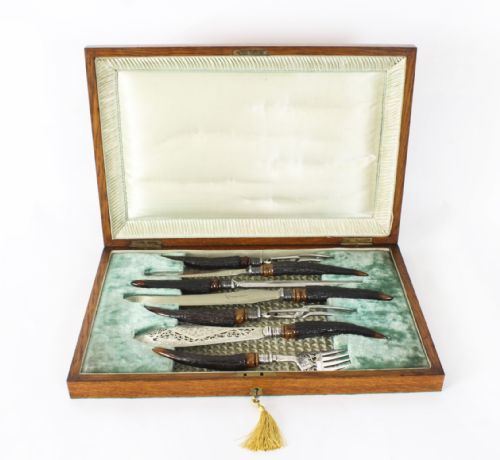
Metal pieces combine copper and silver plate, often utilising Old Sheffield plating techniques or silver plating over base metals. Silversmiths formed matching domes, warming dishes, and meat skewers with applied crests and cast handles.
Some nineteenth-century meat plates include integrated drainage trenches so dramatic they resemble miniature Roman amphitheatres designed entirely for mutton juice.
Distinctions in Standard
Quality separates standard utilitarian wares from factory pieces produced by notable makers with crisp transfer printing and deep glazes. Maker marks, heraldic coats of arms, and complete matching drainers elevate the status of an individual platter.
Silver plated items vary according to the weight of the underlying copper and the crispness of applied cast borders or engraved details. Graduated sets and pieces retaining original warming components or mazarines demonstrate higher original expense.
Spode·Henry Wilkinson·Copeland and Garrett·Minton·Don Pottery·Dan Holy·Mason·Durand·Elkington
The 19th Century Meat Plate Glossary
- Ironstone
- A dense, heavy ceramic developed in the early nineteenth century to provide a durable alternative to porcelain. It resists chipping and staining while accepting complex printed decoration.
- Transferware
- Pottery decorated by applying a printed paper design from an engraved copper plate onto the unglazed or bisque ceramic body. This technique allowed factories to produce intricate pictorial patterns in quantity.
- Mazarine
- A pierced ceramic or metal insert placed inside a platter to drain juices away from the meat. It sits slightly above the base of the dish.
- Old Sheffield Plate
- A composite material formed by fusing a thin sheet of silver to a thicker copper base under heat and pressure. It displays a warm metallic lustre as the underlying copper occasionally shows through high points.
- Charger
- A large decorative or serving plate used for presentation at the table rather than for individual dining. In nineteenth-century service, these held the main roast.
19th Century Meat Plate: Frequently Asked Questions
What is a meat plate?
A 19th century meat plate is an oversized ceramic platter or metal tray designed to hold large joints of meat at the dining table. These pieces often feature wells and channels to collect juices.
Many examples include companion drainage inserts or domed covers to keep food hot during long Victorian meals. They functioned as the centrepiece of formal dining before modern service styles were adopted.
How do I date an ironstone platter?
Dating ironstone involves examining factory stamps, registry marks, and the style of the blue and white transfer printed border. Early pieces from the Georgian era often feature hand-painted details alongside the transfer print.
Victorian pieces frequently bear specific maker marks or impressed registry numbers on the underside. Comparing the pattern name against historical factory records provides a precise decade of manufacture.
Can I use silver plated warming dishes?
Silver plated warming dishes can be utilised for modern presentation and serving during dinner parties. The hollow compartments were historically filled with hot water to keep carved meat warm.
Care should be taken to clean silver plated items with non-abrasive polishes to preserve the finish. Avoid using harsh modern dishwashers on antique metal or earthenware.
How do I display a heavy platter?
Heavy ceramic platters and ironstone dishes require sturdy wall brackets or deep plate stands designed to support substantial weight. Ensure the hanging wire or display groove accommodates the thickness of the rim.
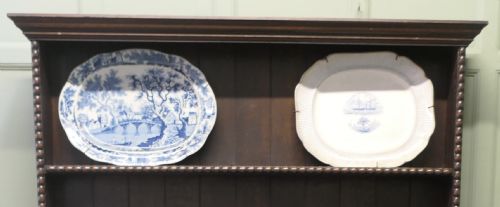
Displaying these pieces on a dresser or sideboard keeps them secure while showcasing the transfer-printed landscapes and heraldic crests.