


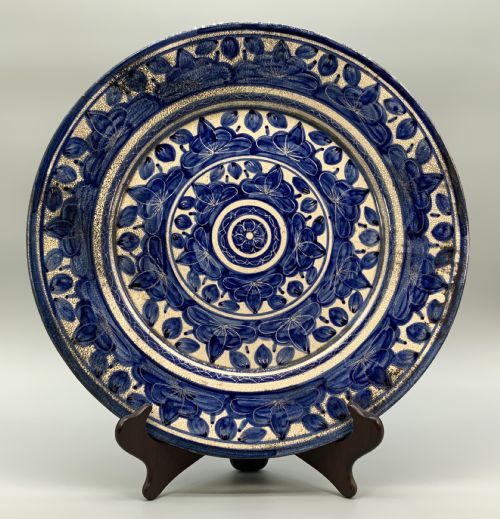
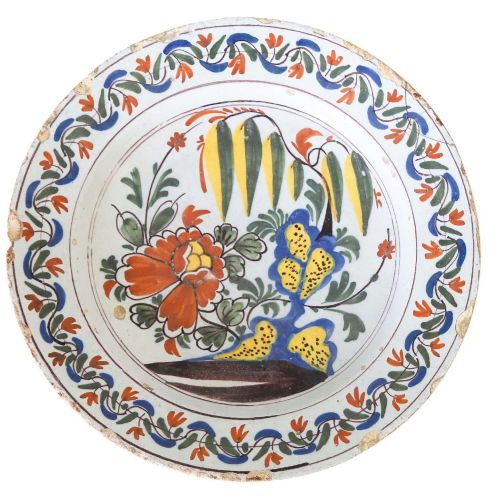
Vintage Blue Wall Plate
These vintage blue wall plate examples bring decorative porcelain, earthenware and enamel to a room, offering rich patterns from Japanese, English and Dutch makers.
Vintage Blue Wall Plate
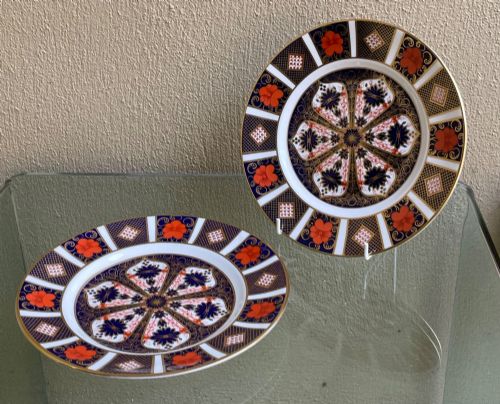
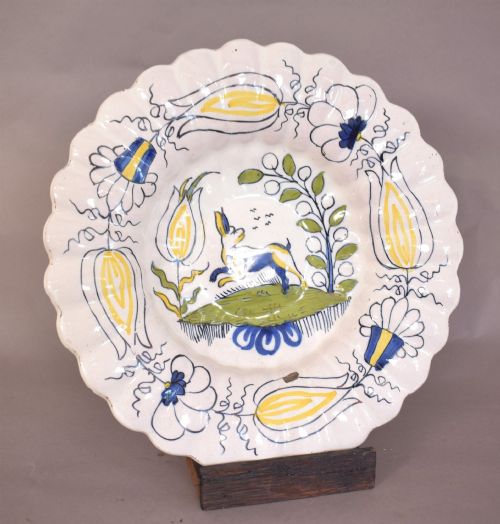
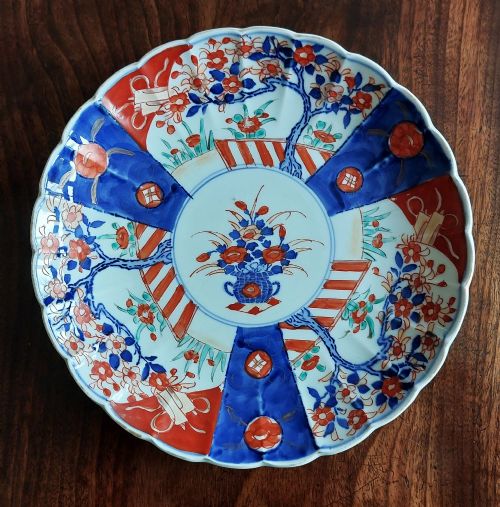
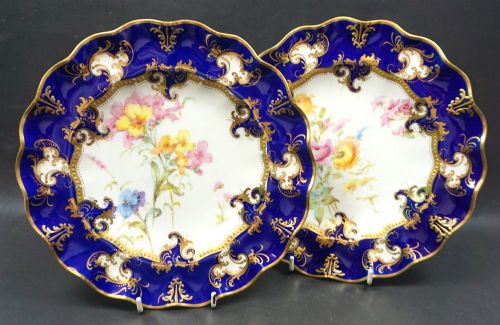
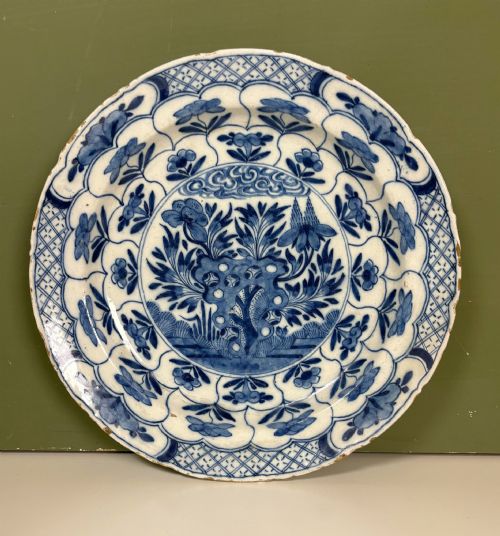
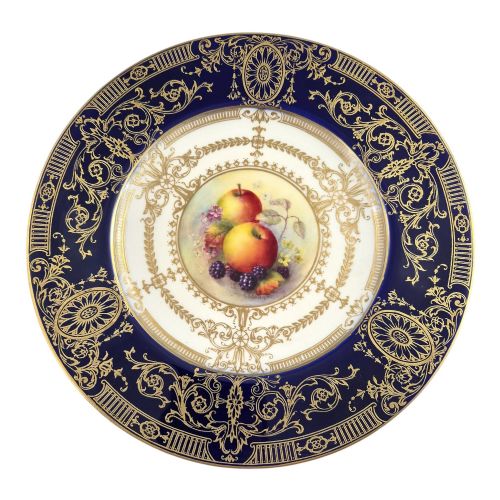
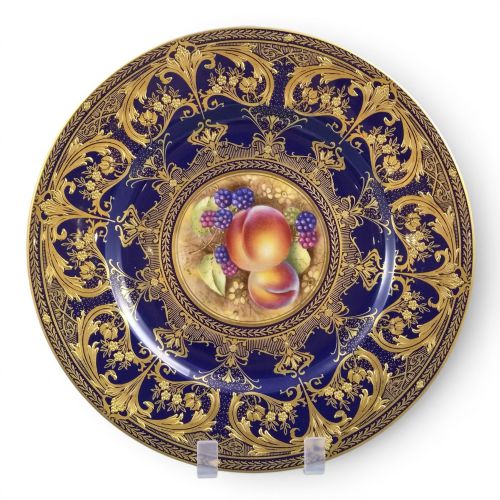
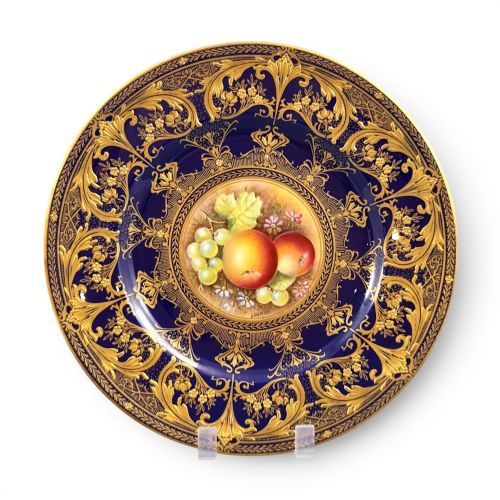
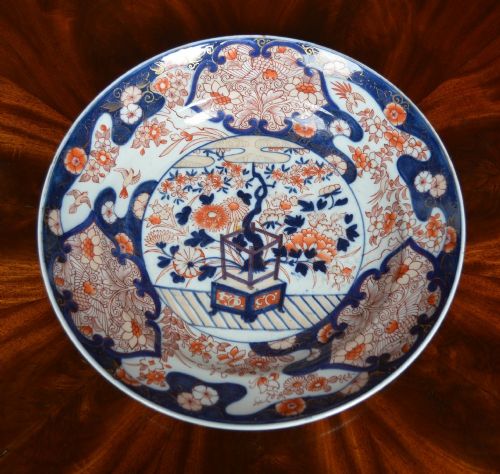
A vintage blue wall plate encompasses decorative plates, chargers, cabinet plates and shallow dishes spanning from the eighteenth century through to the mid-twentieth century. The selection leans heavily towards Japanese Imari pieces from the Meiji period, alongside English bone china, ironstone and Delftware chargers.
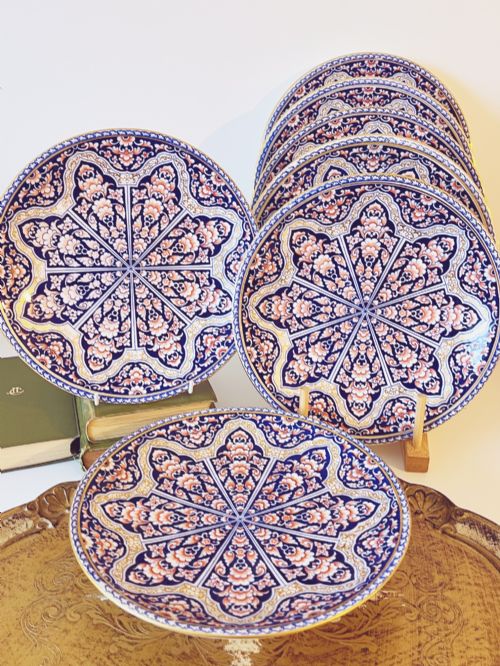
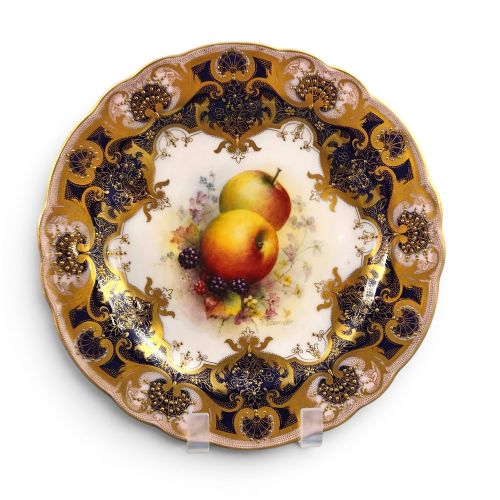
Buyers encounter everything from square-shaped Japanese dishes to large Dutch and Moorish style faience chargers. Traditional English patterns and hand-painted fruit cabinet plates also appear among the offerings.
Materials and construction methods
The pieces rely on porcelain, earthenware, bone china and ironstone, shaped into plates, dishes and large chargers. Artisans applied rich glaze and enamel colours, occasionally incorporating gold leaf and gilt highlights.
Many items display hand-painted floral decoration or intricate narrative scenes executed by skilled hands in workshops across Japan, England and continental Europe.
Several plates depict the Seven Lucky Gods sharing space with traditional floral sprays, proving that even deities appreciate a good botanical backdrop.
Distinctions in craftsmanship
Quality rests upon the precision of the hand-painted brushwork and the depth of the glaze. Pieces bearing signature work from known artists or specific studio commissions stand apart from standard output.
The complexity of the form, such as scalloped edges or unusual square shapes, alongside the preservation of gold leaf and enamel, determines the standing of an individual charger or plate.
Royal Crown Derby·Royal Worcester
The Vintage Blue Wall Plate Glossary
- Charger
- A large decorative plate traditionally used for presentation rather than dining. These substantial pieces frequently hang on walls or sit centrally on furniture.
- Imari
- A style of Japanese export porcelain originating from the town of Arita, recognised by deep blue and iron red decoration, often supplemented with gold.
- Delftware
- Tin-glazed earthenware produced in the Netherlands and England, typically finished with blue and white designs inspired by imported Chinese porcelain.
- Cabinet plate
- A high-status decorative plate intended for display in a cabinet or on a wall rather than everyday table use.
- Ironstone
- A type of durable heavy earthenware patented in the nineteenth century that mimics porcelain while offering greater strength.
Vintage Blue Wall Plate: Frequently Asked Questions
How do I date a Delft charger?
Dating tin-glazed earthenware relies on examining the thickness of the body, the characteristics of the glaze pooling on the reverse, and the composition of the blue pigments. Eighteenth-century examples often exhibit slight warping from the kiln and characteristic glaze stilt marks on the base.
Brushwork style and floral motifs also shift between the Dutch baroque period and later English interpretations.
What is the difference between Imari and ordinary blue and white?
While standard blue and white ceramics utilise a single cobalt pigment under the glaze, traditional Japanese Imari incorporates a distinct palette combining underglaze blue with iron red, green, and supplementary gold leaf or gilt details.
This multi-step firing process creates a richer, more complex surface texture favored for decorative display.
Can these plates be used for food?
Antique decorative plates, particularly nineteenth-century cabinet plates and older hand-painted chargers, are intended for display rather than serving food. Enamels, gold leaf and historic glazes can wear down or react poorly to modern detergents and cutlery.
Displaying them on walls or in cabinets preserves the painted surfaces from accidental damage.