
Vintage Blue China Dish
When you handle a vintage blue china dish, you hold centuries of refined ceramic tradition spanning English earthenware and Japanese porcelain.
Vintage Blue China Dish
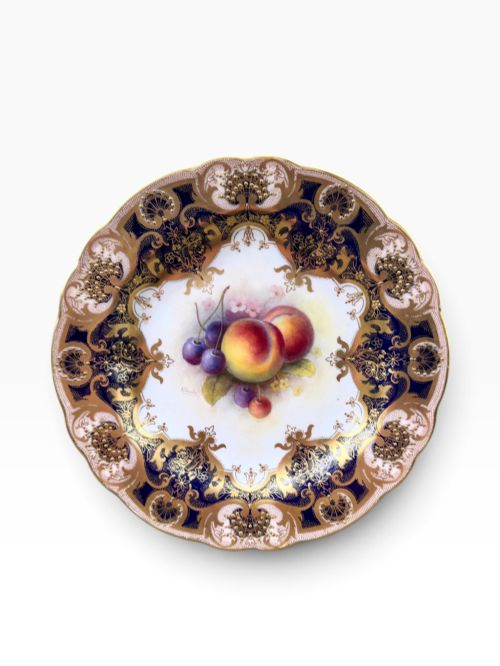
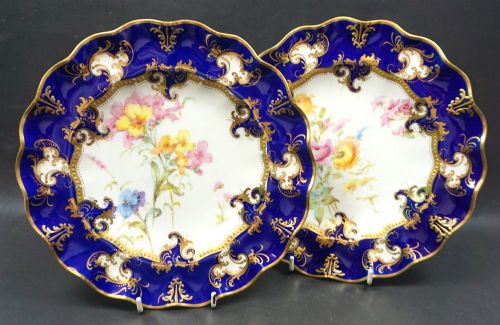
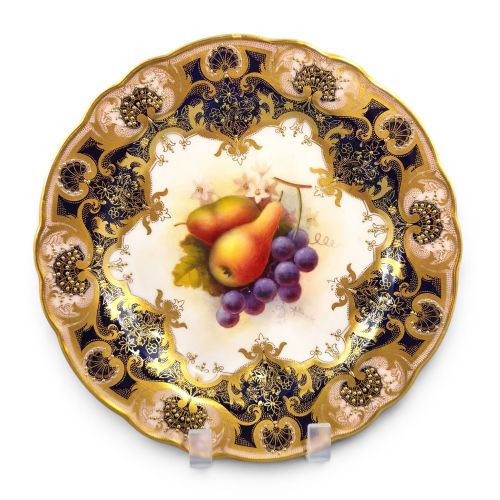
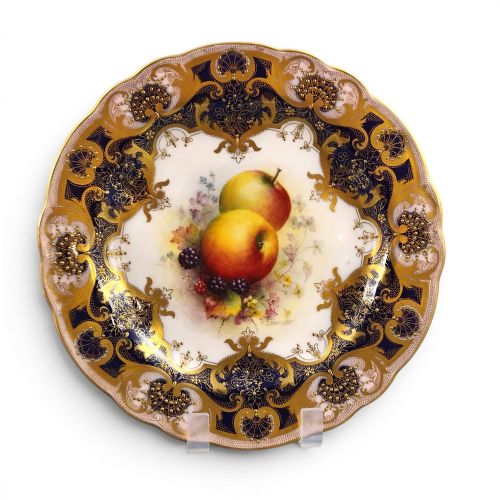
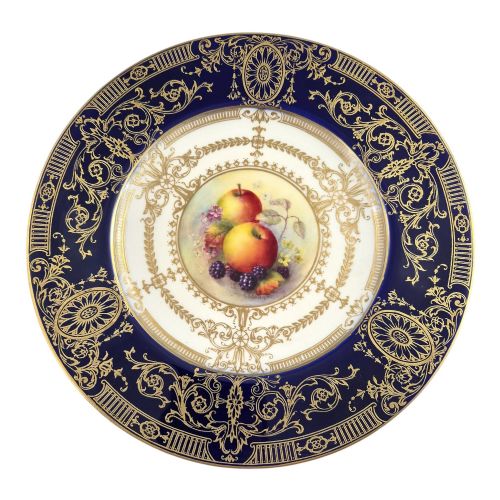
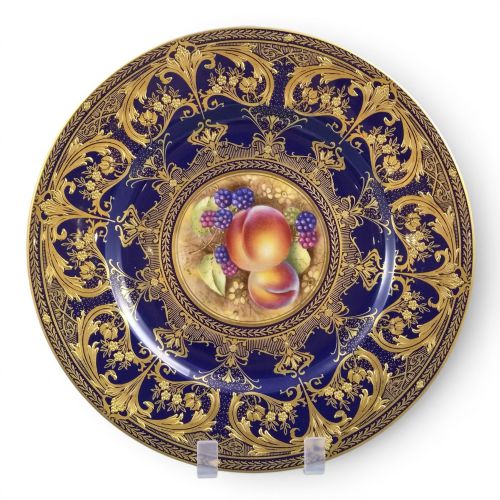
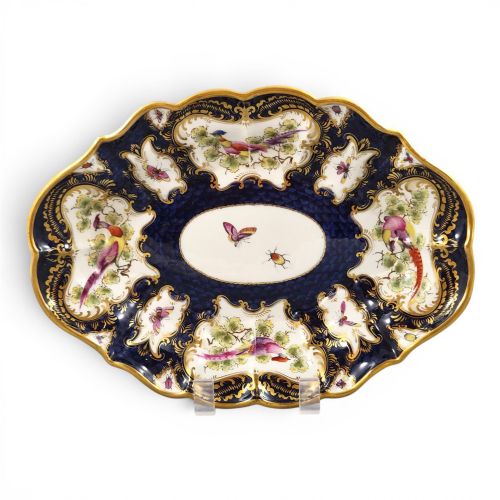
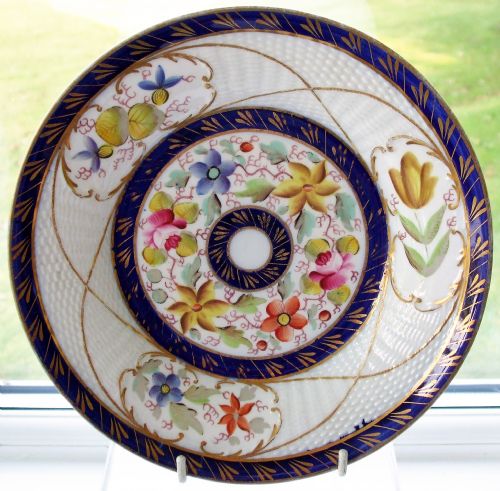
A vintage blue china dish encompasses a broad range of domestic and decorative tableware, including cabinet plates, serving platters, tureens, and bowls. The selection on this page stretches from nineteenth-century earthenware meat platters to twentieth-century bone china and porcelain.
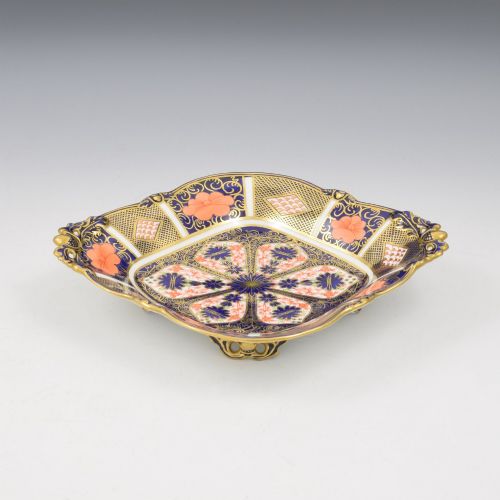
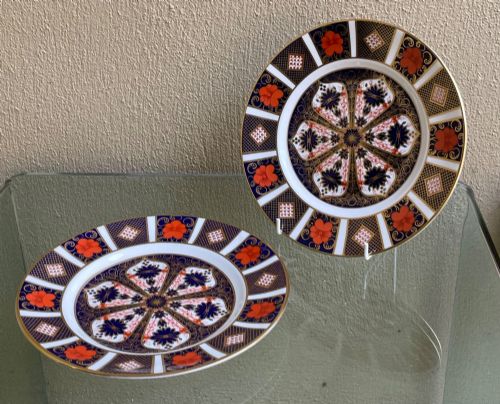
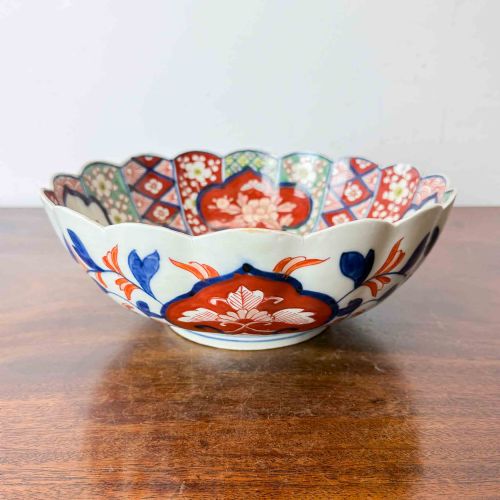
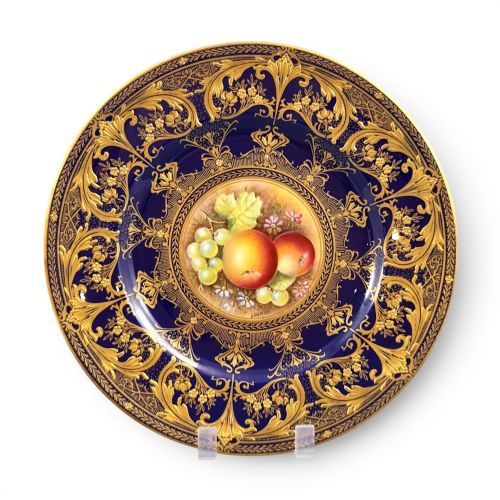
Buyers will encounter various forms originating from diverse traditions, notably English factories such as Royal Worcester, Masons, and Wedgwood alongside Japanese Imari and Arita wares. These pieces function equally well as wall display items or formal serving vessels.
How They Were Made
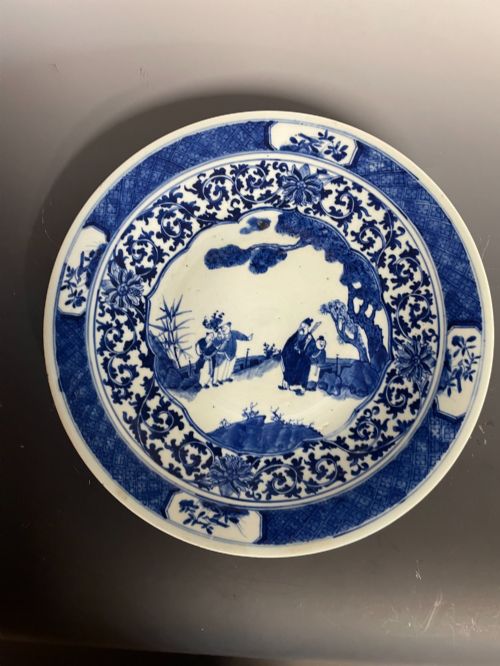
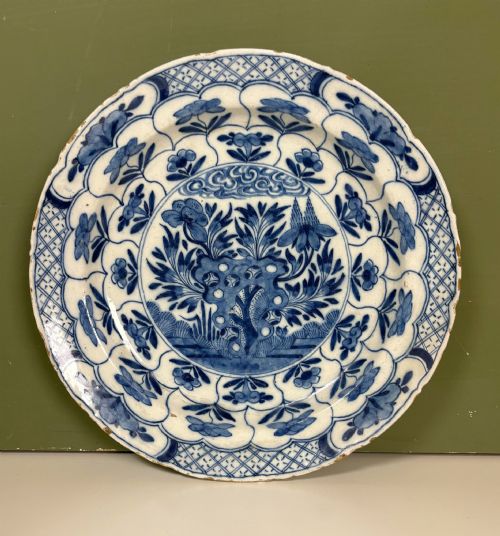
Makers utilised ceramic body types including bone china, porcelain, earthenware, and ironstone, shaping them into plates, bowls, and platters. Glazing and underglaze blue painting formed the primary method for surface decoration, frequently enhanced with enamel colours and gilding.
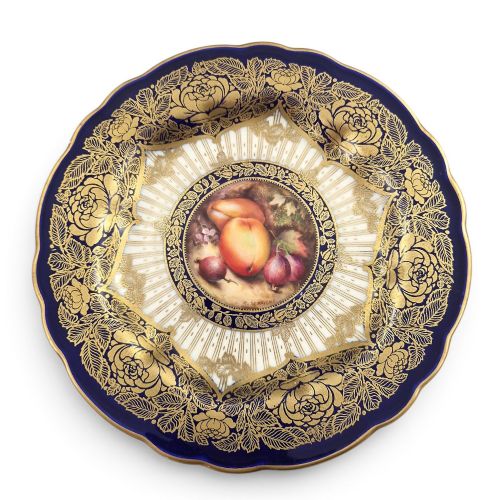
Specialised techniques involved hand-painting botanical or figurative scenes by named artists, alongside transfer printing for complex blue and white patterns. Firing in kilns fixed the mineral glazes and gold leaf applications to the ceramic bodies.
Origin locations span English potteries and Japanese kiln centres.
What Varies in Quality
Quality rests upon the crispness of the underglaze blue transfer or the fidelity of hand-painted details such as fruit and floral studies by established artists. The presence of intricate gilding, gold leaf, and enamel work elevates the standing of an individual piece.
The sophistication of the ceramic body, from robust ironstone to translucent porcelain and bone china, dictates the fineness of the finished form. Condition of the glaze and preservation of painted decoration remain central to the integrity of each item.
Royal Crown Derby·Royal Worcester·Masons·Wedgwood·Grainger and Co·New Hall
The Vintage Blue China Dish Glossary
- Imari
- A style of Japanese porcelain decorated in underglaze blue, iron red, and gold. It was extensively exported and later copied by European factories.
- Tureen
- A deep covered vessel used for serving soups or stews. Examples appear in earthenware and ironstone across the nineteenth century.
- Ironstone
- A heavy durable type of earthenware patented in the nineteenth century. It combined strength with a smooth surface suitable for blue and white printing.
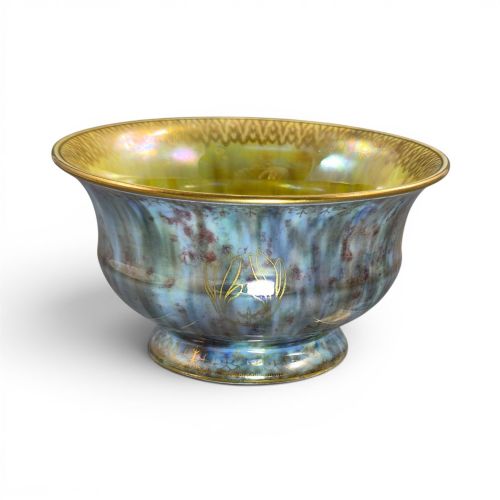
- Lustre
- A ceramic glaze containing metallic elements that produce an iridescent sheen. Wedgwood made notable use of this technique in the early twentieth century.
- Cabinet Plate
- A decorative plate intended for display in a cabinet rather than for dining use. These often feature hand-painted artistic scenes.
Vintage Blue China Dish: Frequently Asked Questions
How do I display a cabinet plate?
Cabinet plates are designed primarily for visual appreciation rather than functional dining use. Secure them in proper wall brackets or sturdy display stands to protect the glaze and rim.
Keep them away from direct sunlight to preserve the vibrancy of hand-painted enamels and gold leaf details over time.
Are these dishes safe for food?
Most antique and vintage ceramics feature glazes that predate modern food safety regulations. Older pieces may also show microscopic crazing that absorbs liquids.
It is best to treat decorative plates and platters as ornamental items rather than practical tableware for daily meals.
How do I clean antique porcelain?
Wash pieces gently by hand in lukewarm water using a mild detergent. Avoid harsh scrubbers, ultrasonic cleaners, and automatic dishwashers entirely.
Dry each item thoroughly with a soft cloth to prevent water spots from forming on the delicate glazed surfaces.
How do I date an antique dish?
Examine the base of the vessel for factory marks, pattern numbers, and impressed ciphers. Stylistic indicators like transfer-printed transferware designs or hand-painted artist signatures also provide clear chronological clues.