

Vintage Bedroom Vanity Table
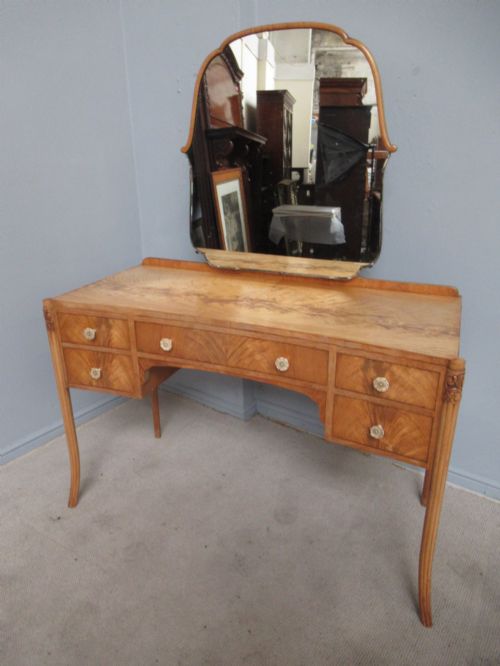
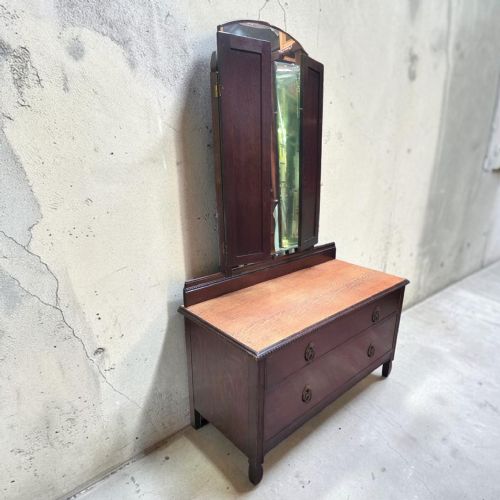
A vintage bedroom vanity table provides a dedicated morning surface, typically appearing here in mahogany, walnut, or oak from the Victorian, Edwardian, and Art Deco periods.
Vintage Bedroom Vanity Table
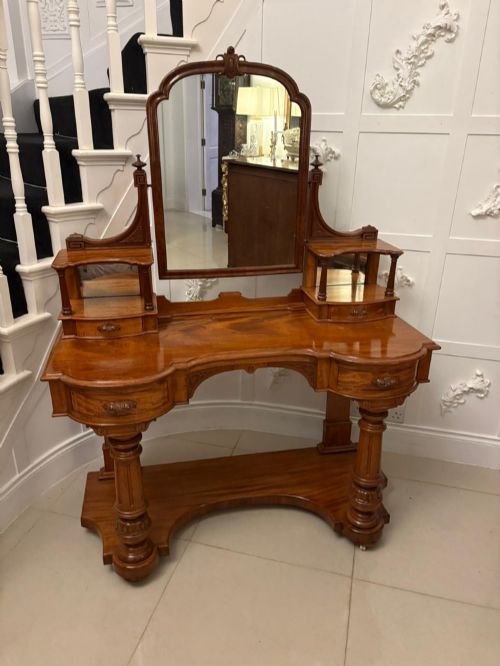
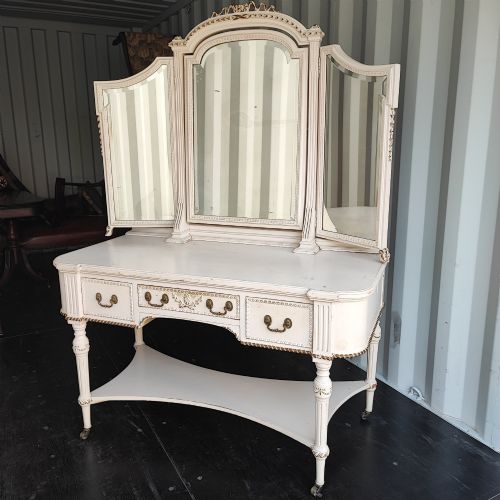
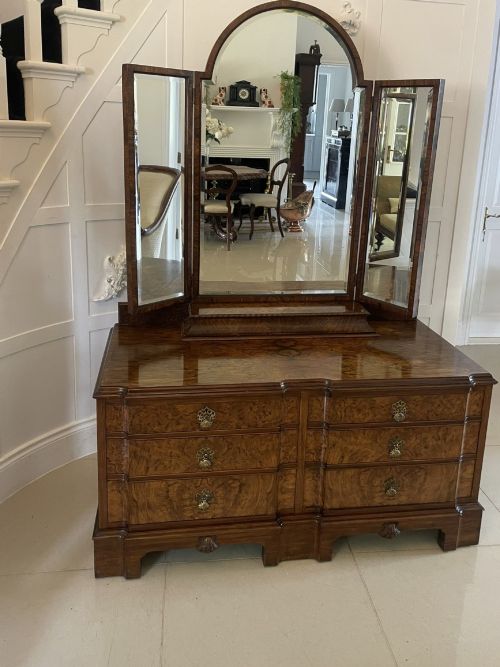
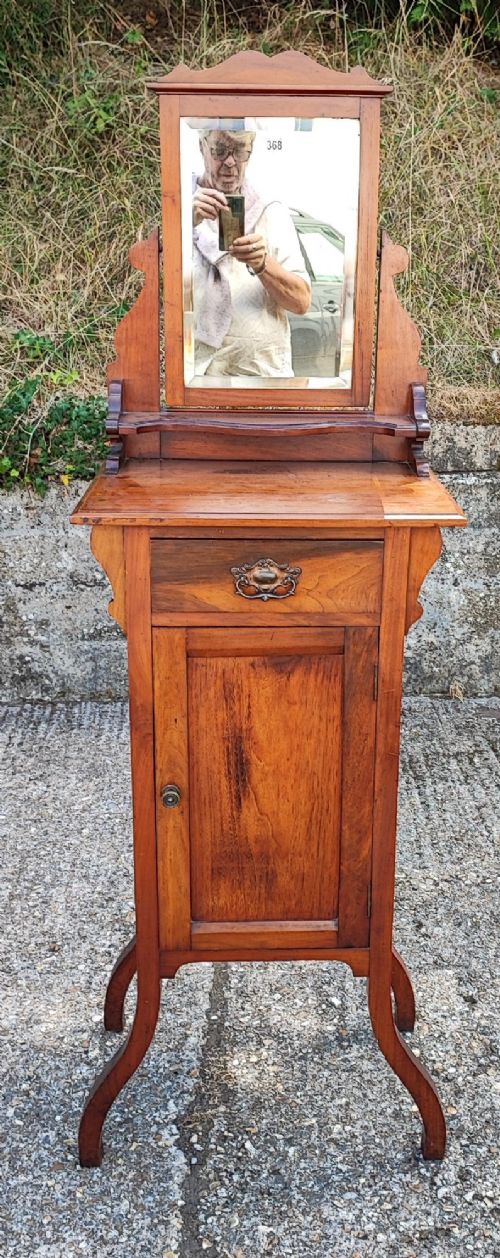
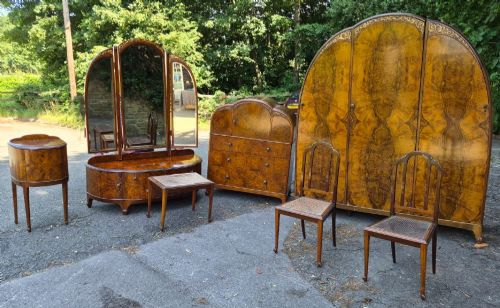
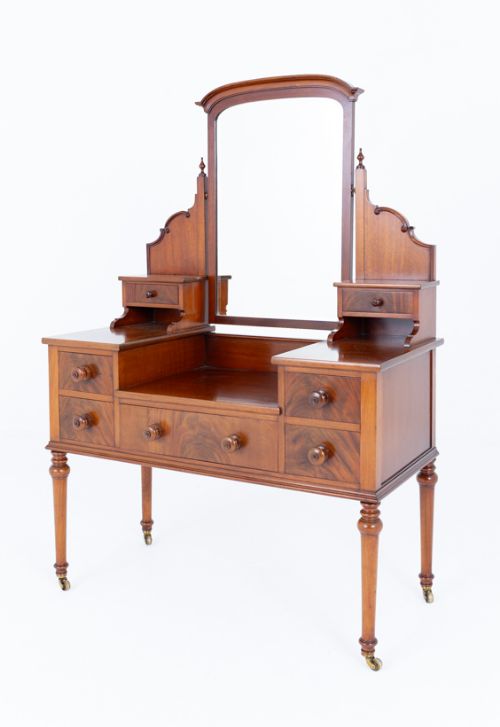
When you search for a vintage bedroom vanity table, you encounter dressing tables, dressing chests, and washstands spanning the Victorian, Edwardian, and Art Deco eras. These pieces range from simple Georgian and Victorian mahogany designs to elaborate burr walnut pedestal forms.
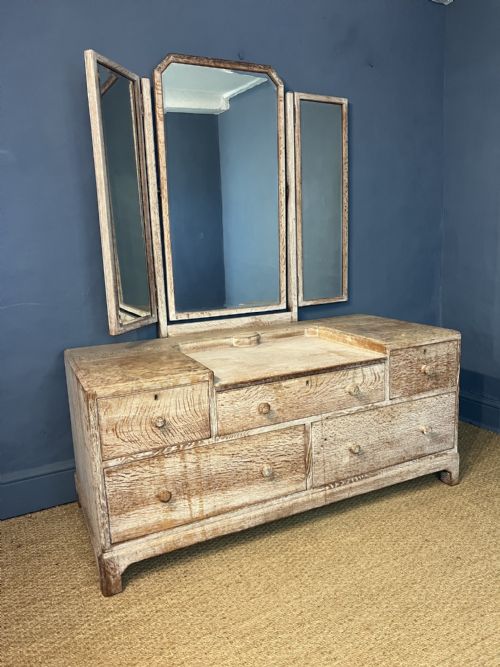
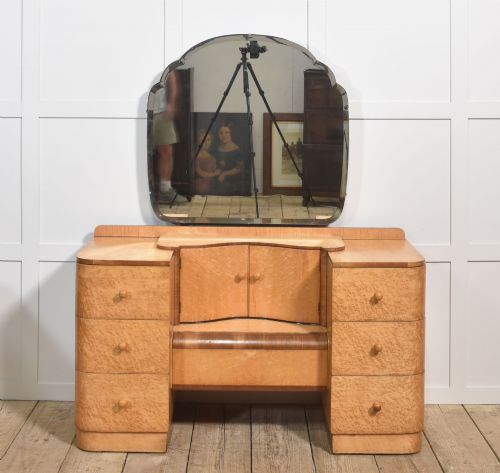
The most common versions on this page date from the 1920s and 1930s, often rendered in figured walnut, maple, or limed oak with matching mirrors. Alongside standalone tables, you frequently find associated items such as dressing stools and washstands.
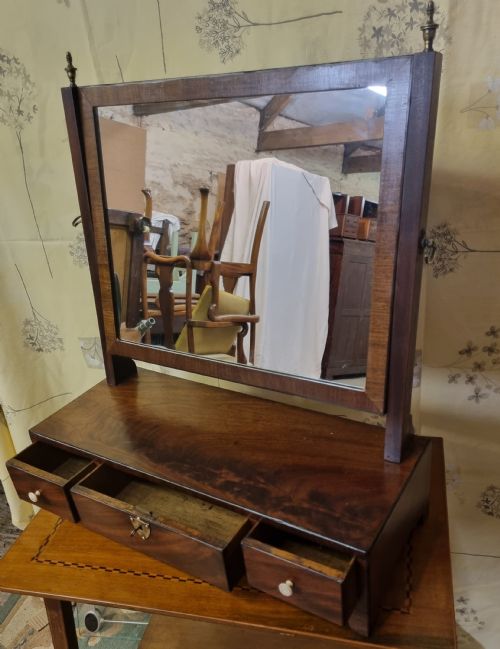
Earlier nineteenth-century examples display traditional timber grains like mahogany and pine, sometimes featuring painted surfaces or adjustable shield mirrors. Later twentieth-century items embrace geometric Art Deco lines and light sycamore or oak constructions.
Distinctions in construction and finish
The degree of refinement in timber selection separates standard pieces from exceptional ones, particularly where book-matched burr walnut or figured mahogany veneers are employed. Finer examples retain original painted surfaces, labelled maker details, or integrated triple mirror glass.
Quality reveals itself in the execution of carved details, such as Victorian mahogany mouldings or Art Deco geometric symmetry. The integrity of the underlying framing timbers and the retention of original matching stools or fittings elevate certain pieces above standard utility items.
Listings feature vanity tables and dressing chests spanning the Georgian, Victorian, Edwardian, and 1930s periods in walnut, mahogany, oak, and maple.
Frank Taylor & Co·Lamb of Manchester·Heal and Sons
The Vintage Bedroom Vanity Table Glossary
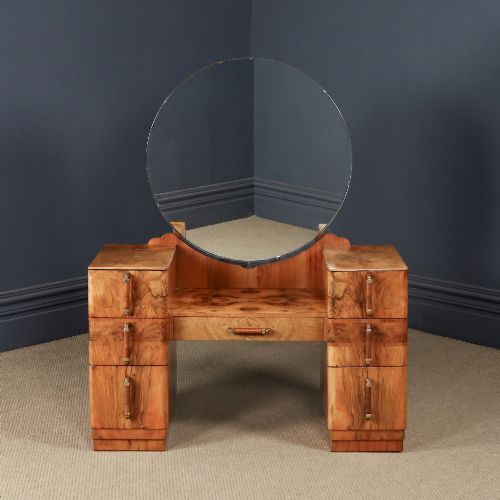
- Pedestal dressing table
- A vanity table featuring banks of drawers on either side of a central kneehole space. This form became particularly popular during the Art Deco period.
- Dressing chest
- A combination of a chest of drawers and a dressing table, usually fitted with a fixed or adjustable mirror on top. These items offer substantial storage alongside a surface mirror.
- Triplate mirror
- A three-piece mirror assembly with hinged side panels flanking a larger centre glass. This arrangement allowed users to view angles from multiple directions.
- Limed oak
- A timber finish created by rubbing a white pigment into open-grain oak to produce a pale, matte surface. Heals popularised this treatment during the 1920s and 1930s.
- Washstand
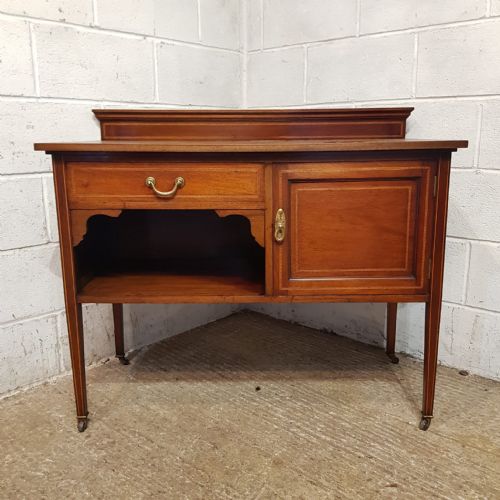
- A wooden bedroom or dressing piece originally designed to hold a basin and pitcher before plumbed bathrooms. They frequently share proportions and materials with period vanity tables.
Vintage Bedroom Vanity Table: Frequently Asked Questions
What is a vintage bedroom vanity table?
A vintage bedroom vanity table is a functional dressing piece designed for personal grooming, incorporating flat surfaces, drawers, and mirrors. They evolved from earlier washstands and dressing chests into dedicated tables with integrated or matching mirrors.
Survivors from the Victorian, Edwardian, and Art Deco eras reflect changing domestic habits and interior tastes. They utilise timbers such as mahogany, walnut, and oak to suit diverse bedroom layouts.
How do I identify Art Deco vanity tables?
Art Deco vanity tables, dating largely from the 1920s and 1930s, display characteristic geometric symmetry and streamlined silhouettes. They frequently feature figured and burr walnut or pale sycamore veneers.
Makers such as Heals utilised limed oak finishes during this period, pairing tables with matching low stools. Triplate mirrors and pedestal drawer configurations are common hallmarks of this design phase.
Did vanity tables come with matching stools?
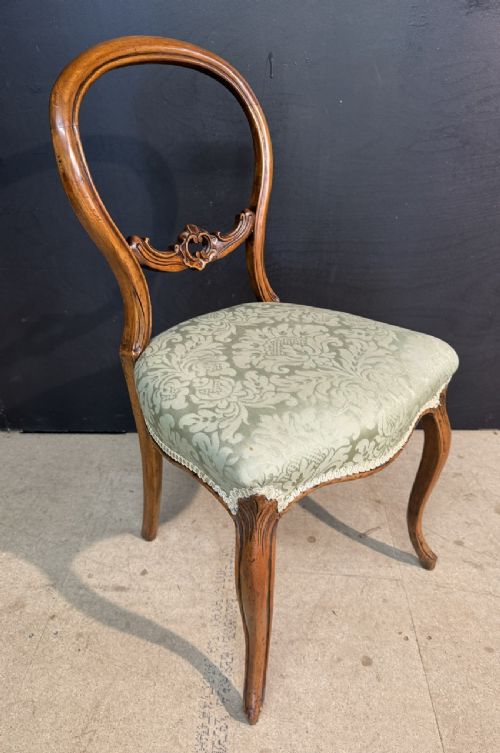
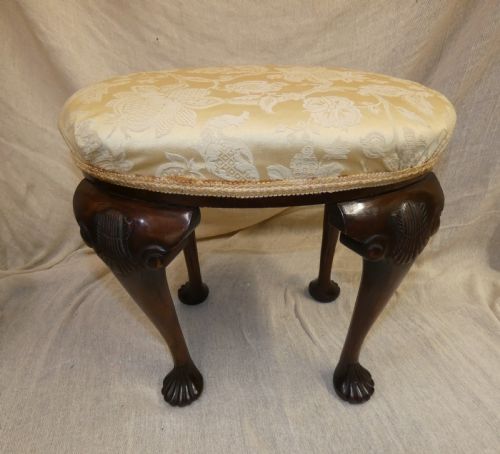
Many period vanity tables were accompanied by dedicated seating, ranging from simple side chairs to larger stools with cross stretchers or twisted rope legs. Upholstery materials varied from original needlepoint to modern fabric covers.
Finding a table paired with its contemporary stool offers a complete bedroom suite appearance. Stools often mirrored the timber and leg style of the main dressing table.
How do I care for a walnut vanity table?
Caring for a walnut vanity table involves protecting the wood and veneer from direct sunlight and excess moisture. Regular dusting with a soft, dry cloth preserves the polished or waxed finish.
Avoid placing damp items or unsealed cosmetics directly on the timber surface. Gentle wax application occasionally helps maintain the lustre of figured and burr walnut grains.