
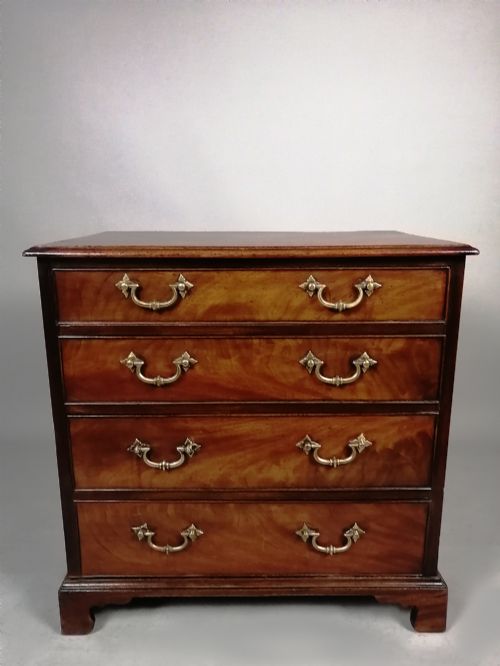
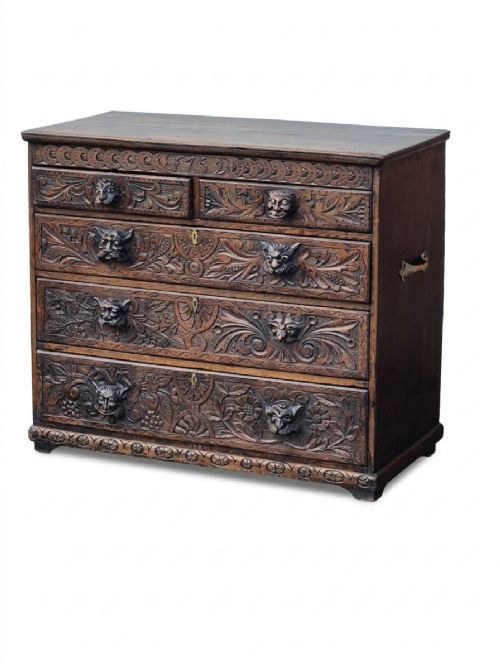
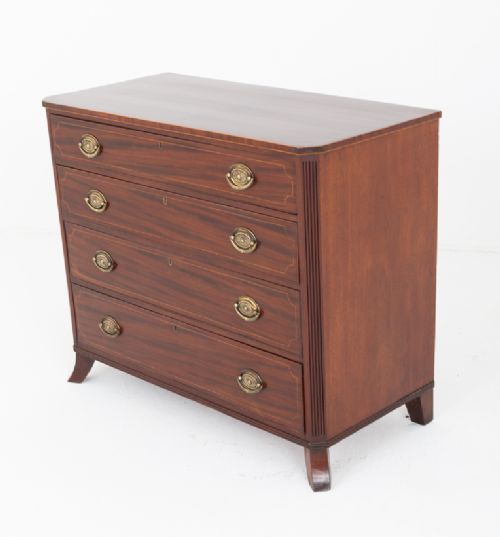
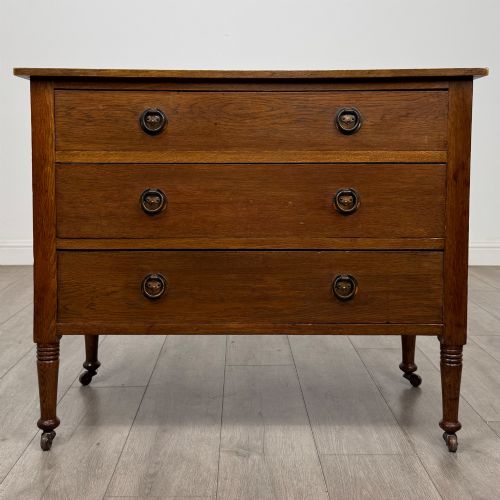


Vintage Bedroom Dresser
A vintage bedroom dresser brings genuine period character and essential storage to a room, ranging from robust pine to polished mahogany.
Vintage Bedroom Dresser
When you search for a vintage bedroom dresser, you are looking at chests of drawers and cabinets primarily functioning as bedroom storage. The selection spans distinct eras from the Georgian and Regency periods through the Victorian and Edwardian decades up to Art Deco 1930 pieces.
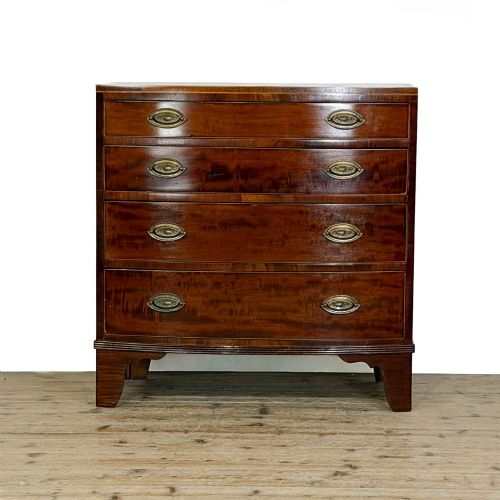
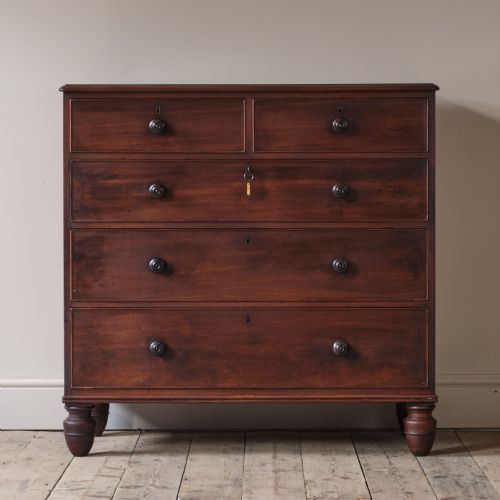
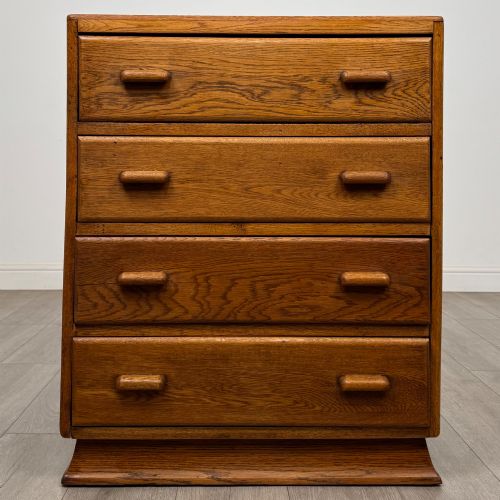
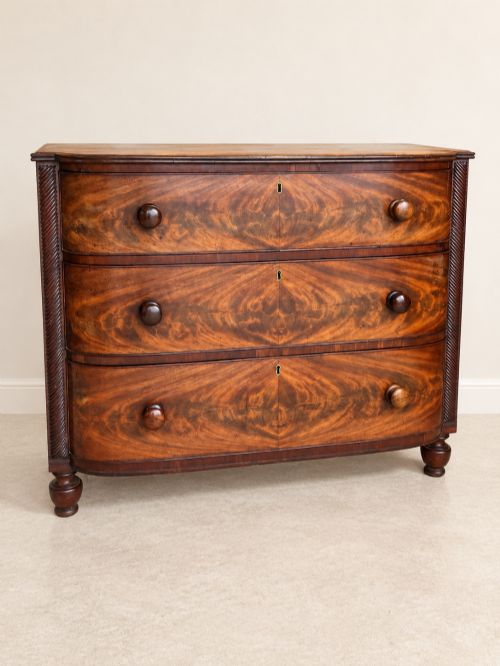
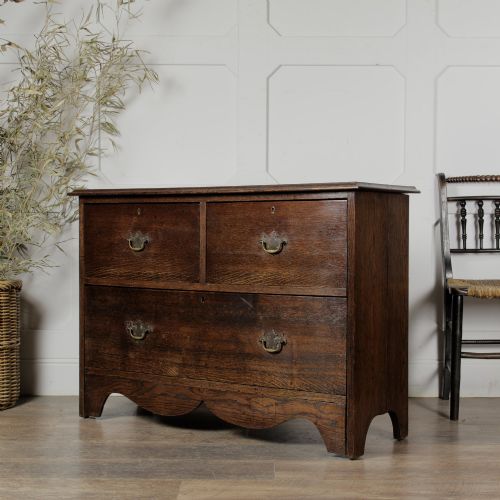
You are most likely to meet mahogany and oak chests of drawers on this page, alongside pine versions and walnut examples. Forms vary from simple four-drawer arrangements to bow-fronted designs, serpentine shapes, and pieces fitted with brushing slides.
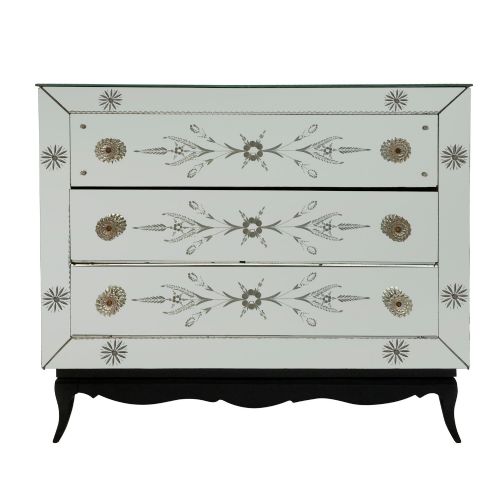
Origins stretch across English country workshops, French cabinet makers, and metropolitan design houses. Pieces range from utilitarian softwood bedroom furniture to high-status formal case furniture in figured veneers.
Materials and construction
Makers utilised solid timbers like oak, pine, and mahogany for structural integrity, often pairing them with decorative veneers such as flame mahogany and burr walnut on primary surfaces. Drawer construction typically relies on traditional hand-cut dovetails.
Hardware details such as cast brass handles and escutcheons complement the timber surfaces. French pieces and English workshops alike employed tongue-and-groove boarding for internal linings and backs.
Finishes range from plain waxed pine and painted surfaces to polished french polish on mahogany and walnut cases. Timber selection dictates whether a piece displays a straight grain or dramatic figuring.
Materials recorded across the inventory include brass, metal, oak, pine, walnut, mahogany, and flame mahogany veneer.
Judging the range
Quality separates simple utility furniture from master cabinet work through timber selection and surface figuring. A piece faced in matched flame mahogany veneer or burr walnut sits higher in the range than a standard painted pine box.
Design sophistication distinguishes the tier of a dresser, moving from straightforward proportions to complex serpentine fronts, bow fronts, and integrated brushing slides. The handling of mouldings and edge details reflects the maker's hand.
T & G Seddon·Sir Clough Williams-Ellis
The Vintage Bedroom Dresser Glossary
- Bow front
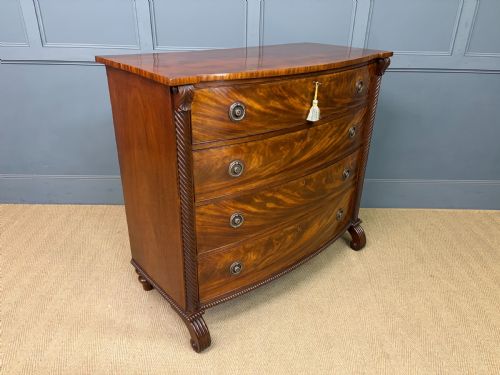
- A convex curved chest front that projects outward in the centre, popular during the Regency and Victorian periods. This shape softens the profile of a heavy timber case.
- Brushing slide
- A pull-out shelf inset beneath the top of a chest, historically used for folding clothes or brushing garments. It sits flush with the frame when pushed in.
- Serpentine front
- A cabinet front featuring a concave centre flanked by two convex ends, creating an S-curve across the facade. It demands high skill from the cabinet maker.
- Flame mahogany
- A veneer cut from the fork of a mahogany tree where branches meet the trunk, producing a distinctive flame-like grain pattern. Cabinet makers reserved it for primary visual surfaces.
- Tallboy
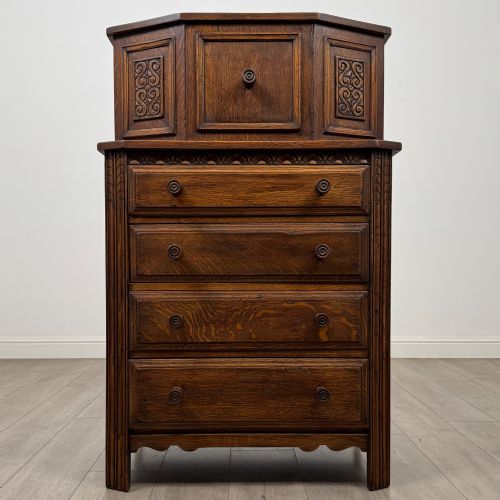
- A tall chest of drawers formed by stacking one chest atop another, often combining a lower chest with a smaller upper section. This form emerged in the 18th century to maximise vertical storage.
Vintage Bedroom Dresser: Frequently Asked Questions
What is a vintage bedroom dresser?
A vintage bedroom dresser is a chest of drawers or storage cabinet originating from past centuries, designed to hold clothing and personal items.
These pieces function primarily as bedroom storage while adding period aesthetic value through traditional timber construction.
How do I date an antique chest of drawers?
Dating relies on identifying the primary timber, decorative style, handle hardware, and construction methods like dovetailing. Georgian and Regency pieces show different proportions and veneer treatments compared to later Victorian and Edwardian examples.
Examining secondary woods inside the drawers and the style of the feet helps narrow the period of origin.
How do I live with a wooden chest of drawers?
Living with these pieces involves keeping them away from direct heat sources and dramatic humidity changes to protect the timber and veneers. Regular dusting and occasional waxing help maintain the finish.
Drawers should be loaded evenly and operated with care to preserve the original runners and joints.
What is the difference between a Georgian and Victorian chest?
Georgian chests tend to feature restrained classical proportions, premium mahogany solids and veneers, and subtle bracket or ogee feet. Victorian pieces often display heavier proportions, pine carcasses, or darker polished finishes.
Victorian examples also encompass country pine storage alongside elaborate serpentine or burr walnut designs.