

Vintage Barrister Cabinet
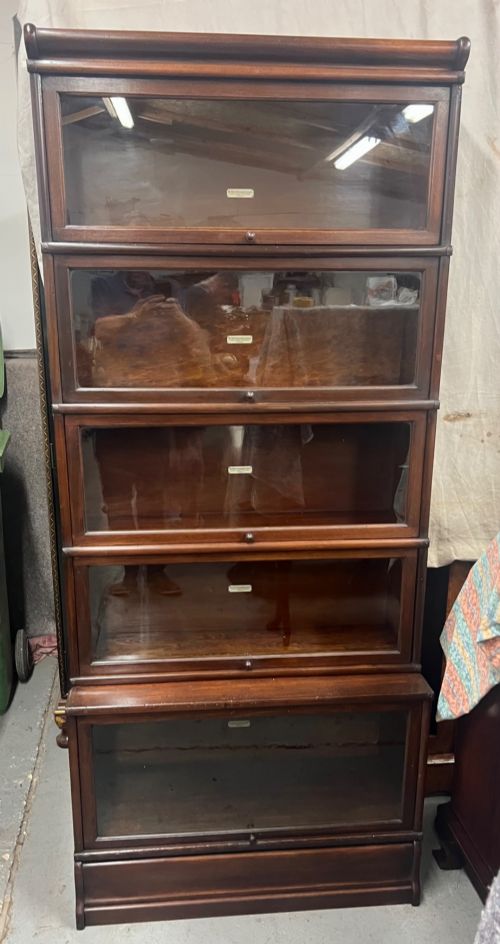
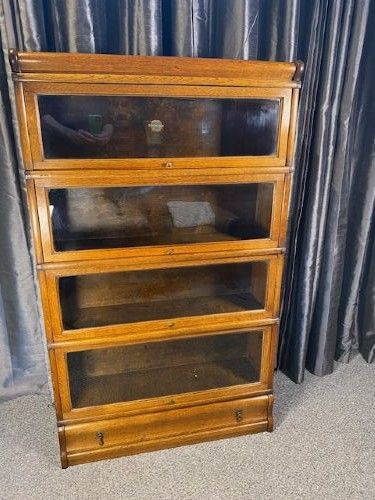
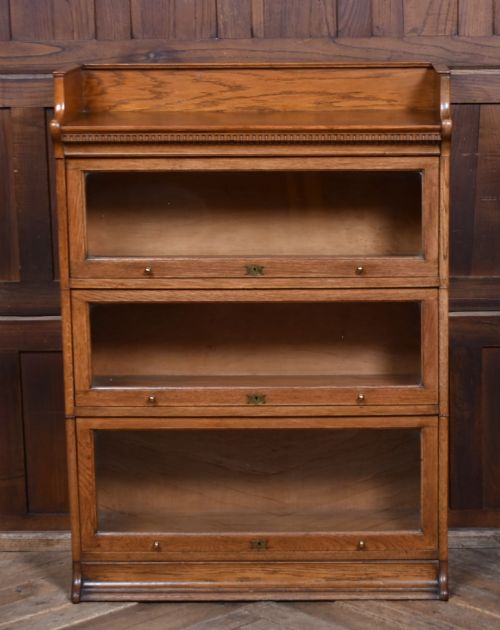
A vintage barrister cabinet offers modular storage with glazed lifting doors, keeping working libraries organised across stacking sections.
Vintage Barrister Cabinet
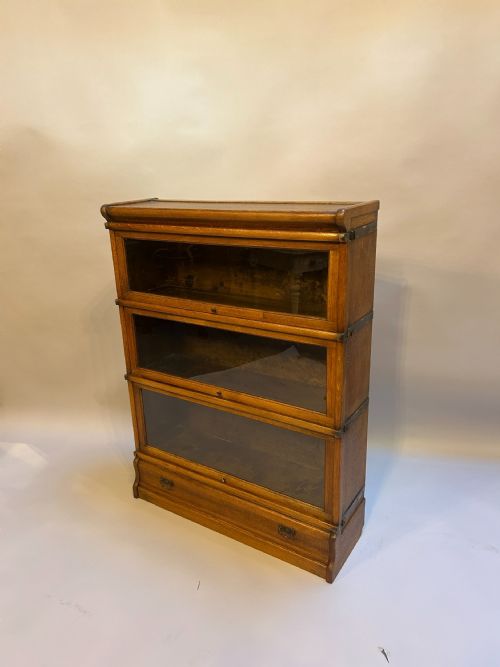
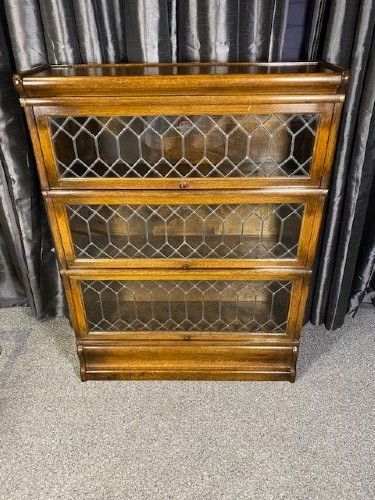
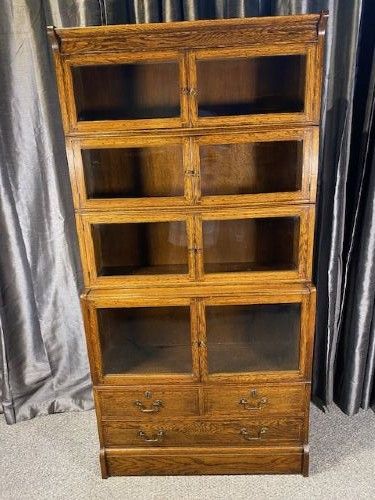
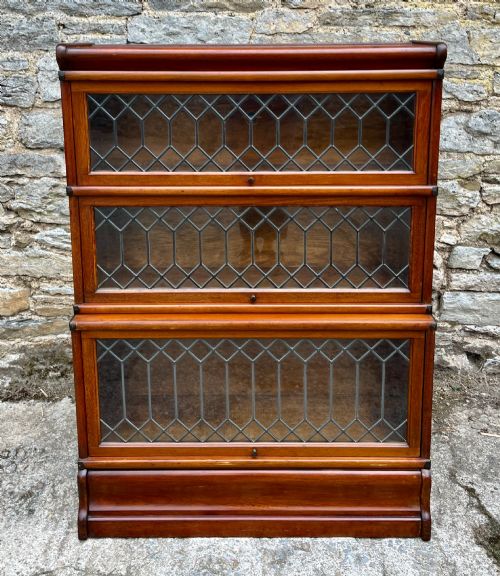
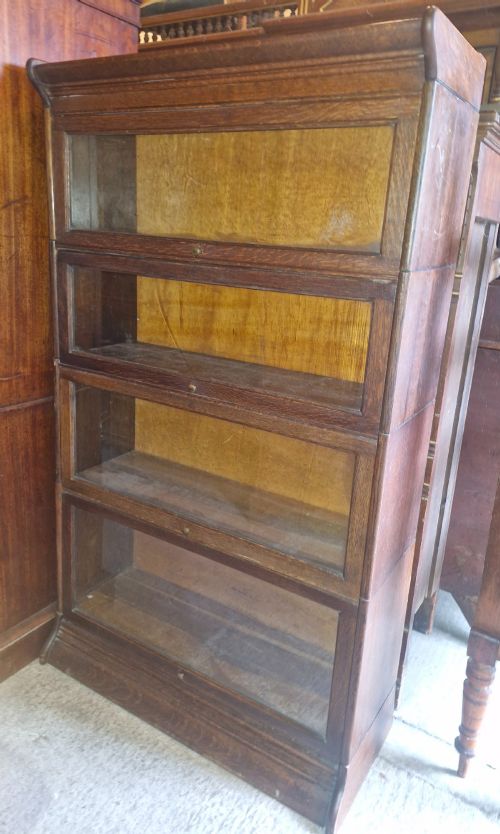
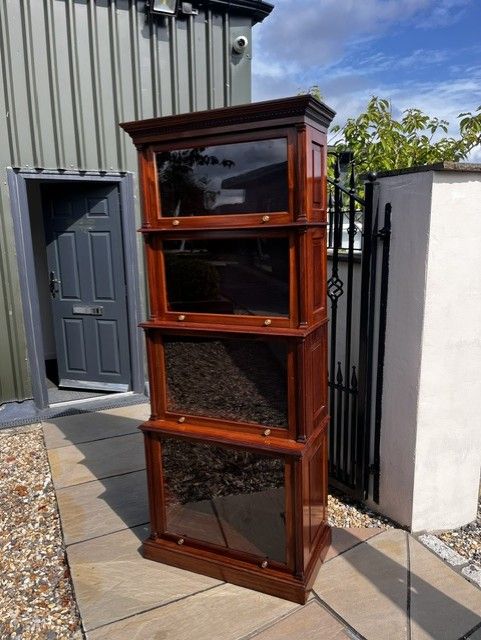
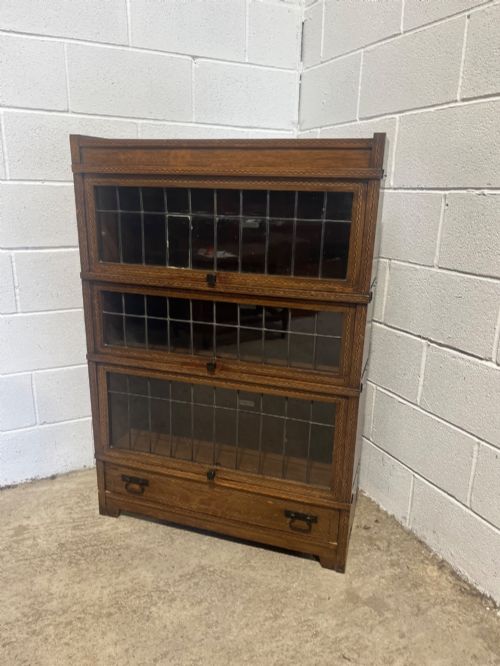
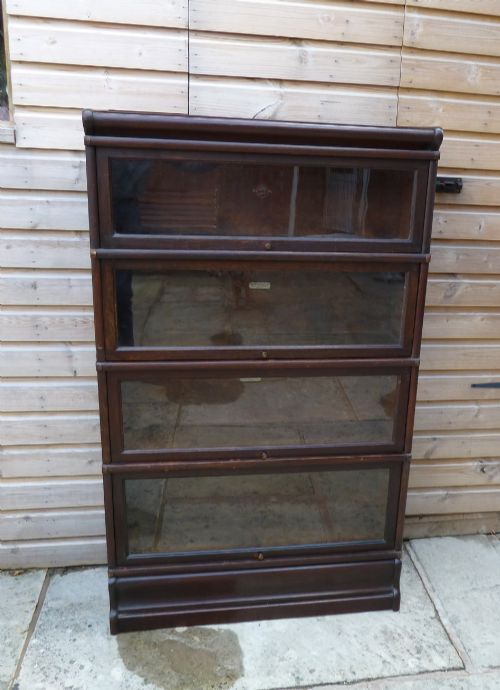
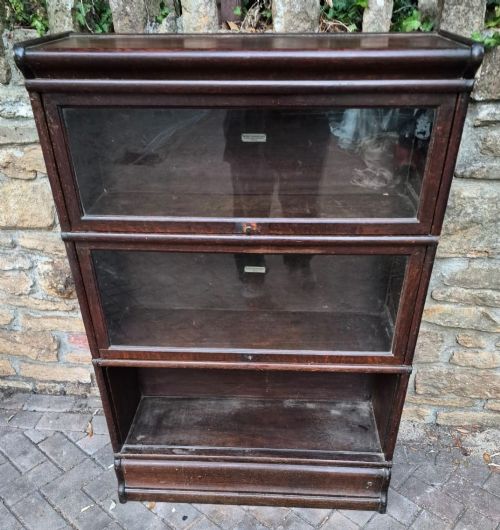
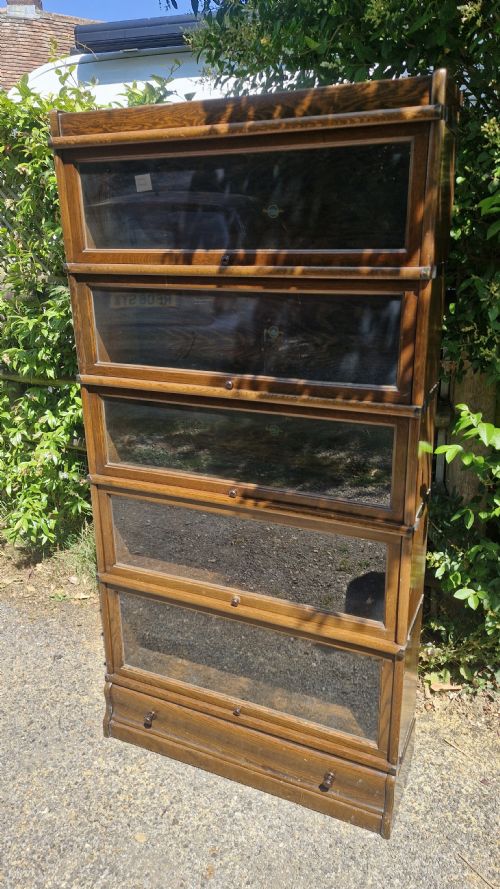
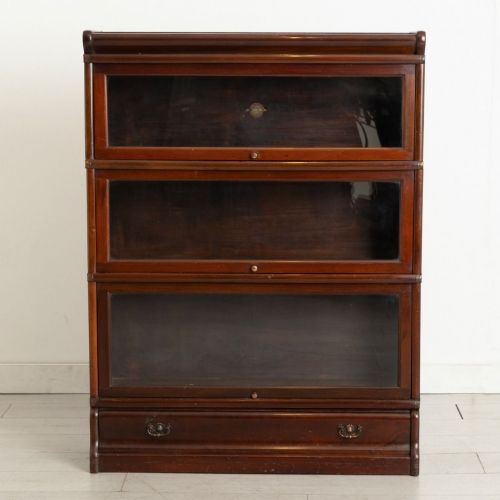
A vintage barrister cabinet is a sectional bookcase designed to protect volumes behind individual glazed glass doors that lift and slide into the cabinet. These modular units stack together, allowing libraries to grow vertically one tier at a time.
The pieces appearing on this page date from the Edwardian era through the 1930s, spanning the 1900s, 1910s, 1920s, and 1930s. Oak and mahogany form the primary wood structures, often built in three, four, or five tiers.
Most examples originate from prominent makers such as Globe Wernicke, Lebus, Minty, Gunn, and Warwick. Buyers most frequently encounter oak stacking bookcases with glass doors and brass hardware.
How they were made
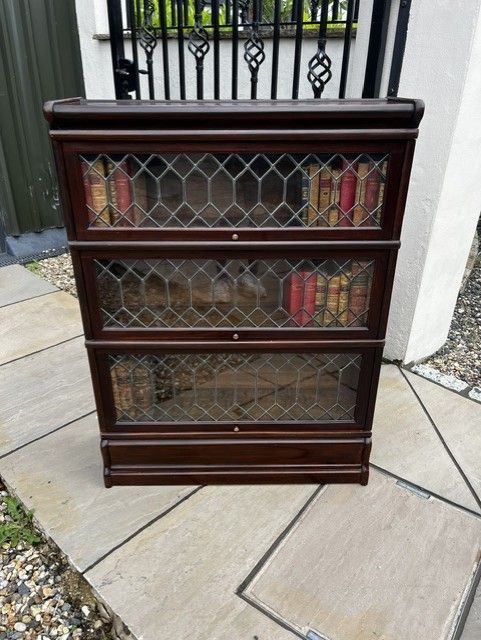
Makers constructed these cabinets using solid oak or mahogany, frequently pairing timber frames with clear glass or leaded glass panels. Metal mechanisms and brass fittings controlled the smooth lifting motion of each tier.
Modular production allowed individual sections, bases, and cornices to interlock cleanly without permanent fixings. This clever engineering ensured the heavy glass doors operated reliably while bearing the weight of stacked tiers.
Some barristers supposedly kept their lunch behind the bottom tier glass door alongside heavy legal digests.
What varies in quality
Quality rests in the precision of the modular joints and the clarity of the timber selection, such as figured mahogany or golden oak. Well-made examples retain smooth mechanical action in the glass door pivots.
Makers like Globe Wernicke employed superior internal linkages and robust brass hardware compared to standard generic productions. The presence of original maker stamps and matching timber grain across all stacked sections elevates the standing of a piece.
Globe Wernicke·Lebus·Minty·Gunn·Warwick
The Vintage Barrister Cabinet Glossary
- Sectional bookcase
- A modular bookcase built from independent stacking tiers that fit together vertically. This design allows the cabinet to expand as a collection grows.
- Lifting door
- A glazed door featuring a mechanical scissor arm or pivot track that lifts upward and slides into the recess above the books. It protects volumes while remaining open during reading.
- Cornice
- The decorative moulding fitted to the very top section of a stacking bookcase. It caps the modular assembly with a finished architectural profile.
- Golden oak
- A bright, warm oak finish popular during the early twentieth century. It highlights the natural medullary rays in quarter-sawn timber.
- Leaded glass
- Small panes of glass held together by narrow leads within a window or door frame. This technique adds decorative geometric patterns to cabinet doors.
Vintage Barrister Cabinet: Frequently Asked Questions
What is a barrister cabinet?
A barrister cabinet is a sectional stacking bookcase fitted with glass doors that lift upwards. It was originally designed for travelling lawyers to transport their libraries securely.
Today, these modular cabinets provide functional storage for modern homes while keeping books visible and protected from dust.
How do stacking sections work?
Each tier operates as an independent wooden box with its own glass door, sitting unattached upon the tier beneath it. A separate base and top cornice complete the modular stack.
This clever construction allows owners to dismantle the bookcase easily for moving or to add extra sections over time.
How do I date an oak barrister cabinet?
Dating relies on stylistic clues, construction methods, and maker marks stamped inside the wooden sections. Pieces from the Edwardian period and the 1910s frequently display rich golden oak and traditional brass hardware.
Later examples from the 1930s incorporate simpler lines or different proportions, reflecting shifting design preferences of the interwar period.
Are mahogany barrister cabinets authentic?
Mahogany barrister cabinets are genuine period pieces produced alongside the more common oak versions. Makers offered solid mahogany and inlaid mahogany variants for formal libraries and studies.
These pieces utilise the same sectional stacking mechanism and glazed lifting doors as their oak counterparts.