

Glazed Sectional Cabinet
These glazed sectional cabinet designs bring modular practicality into domestic spaces through distinct stacking tiers.
Glazed Sectional Cabinet
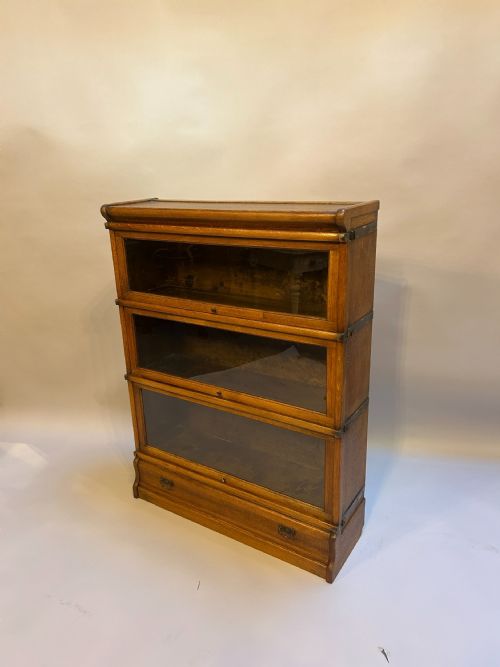
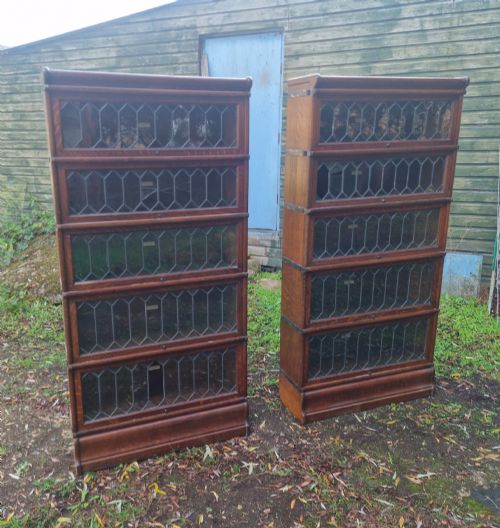
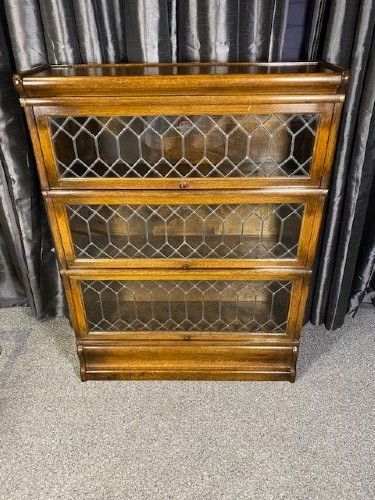
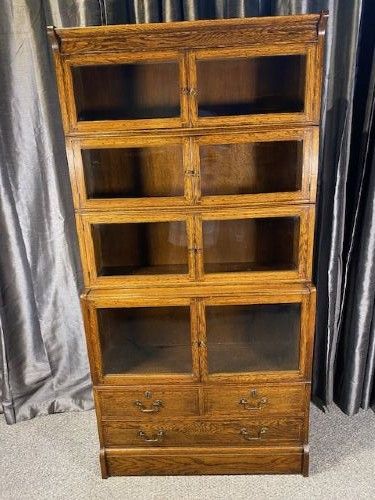
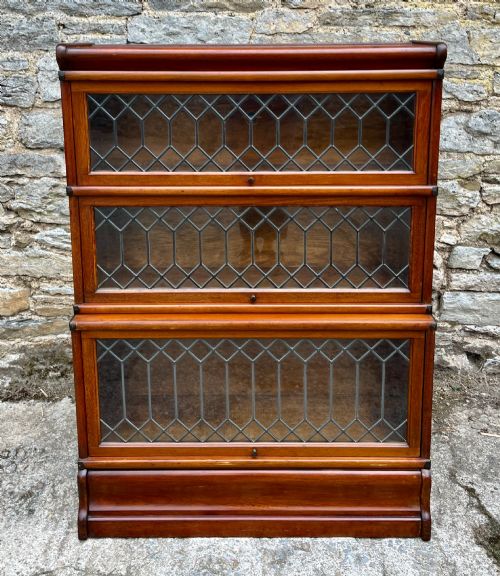
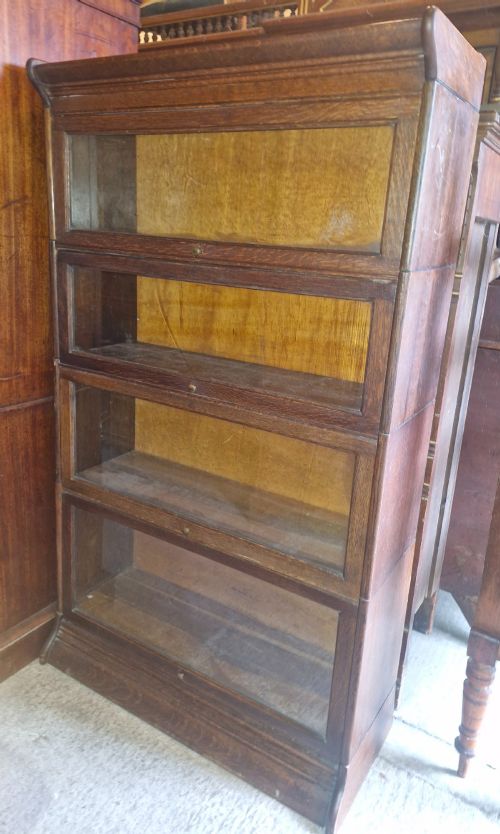
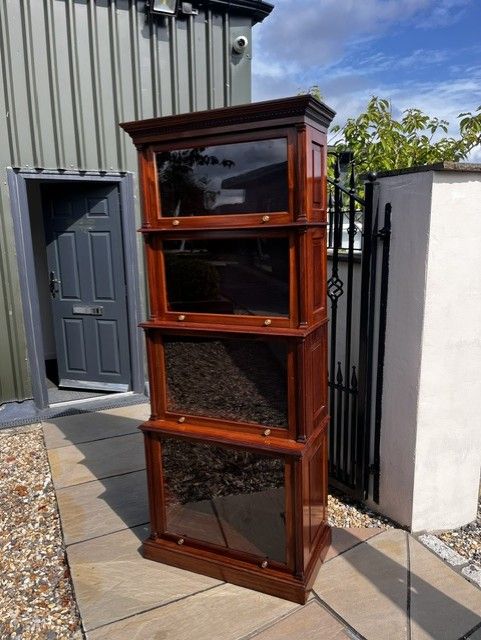
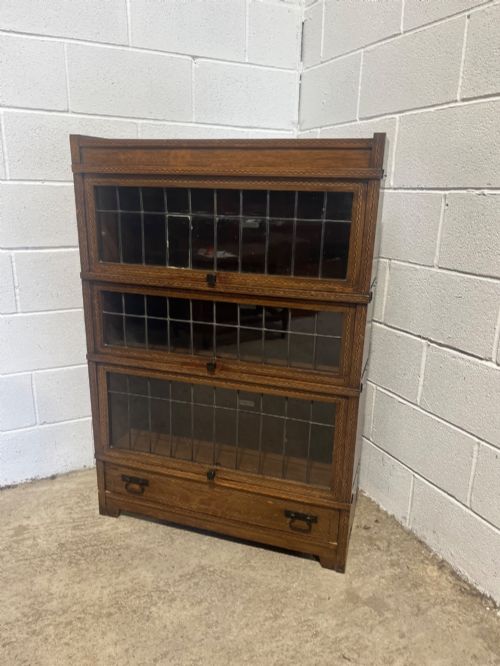
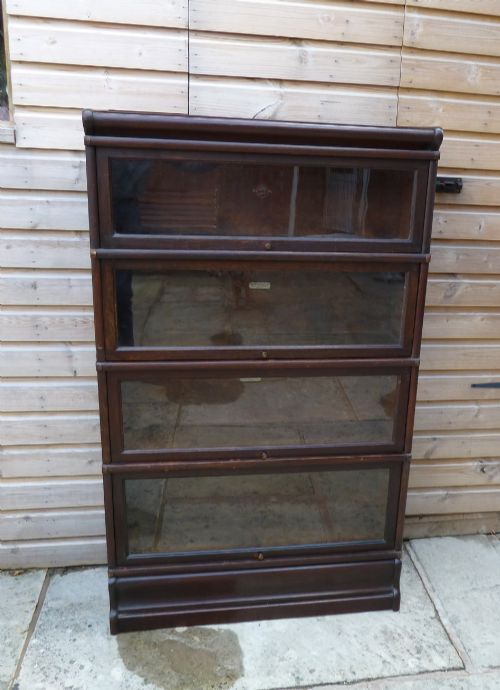
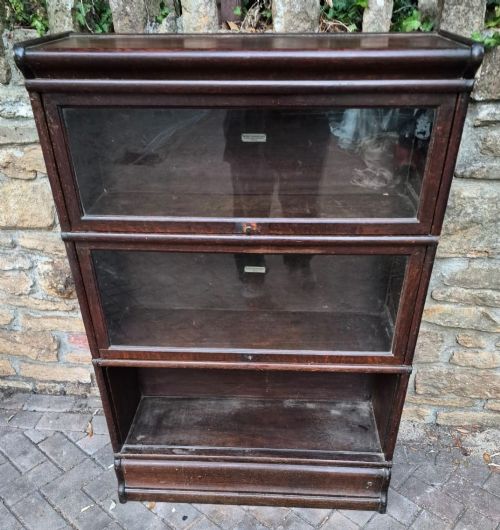
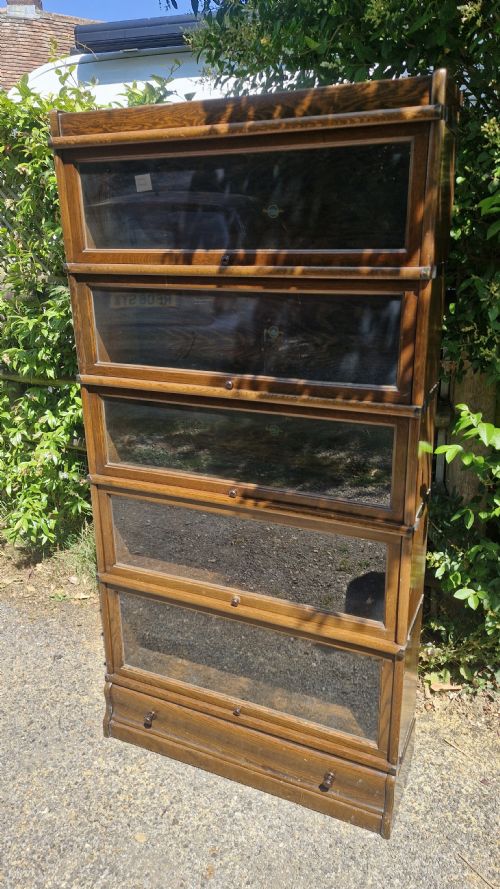
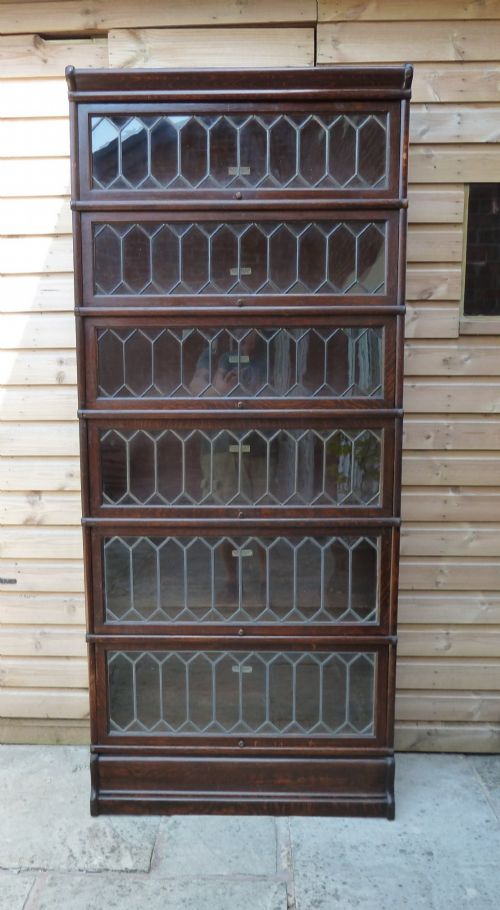
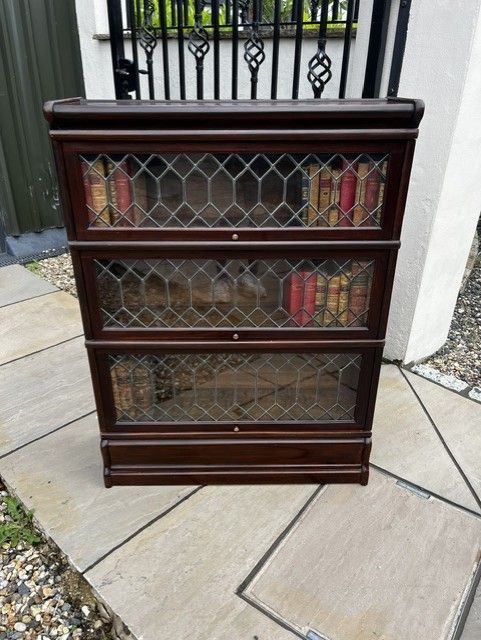
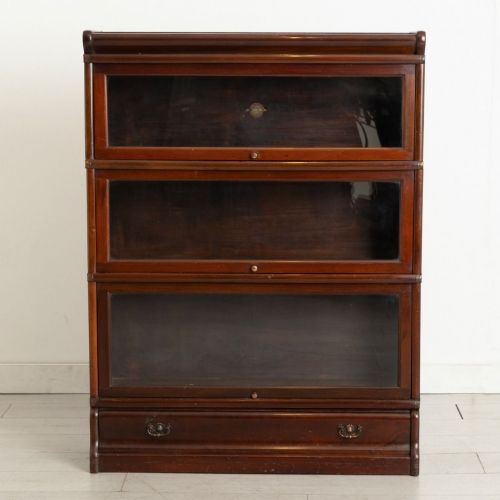
A glazed sectional cabinet, often known as a barrister or stacking bookcase, consists of individual modular tiers that sit one upon another beneath a cornice and above a base plinth. When you search for a glazed sectional cabinet, you are looking at utilitarian furniture designed to protect volumes behind glass drop-down doors while allowing the whole assembly to grow as a library expands.
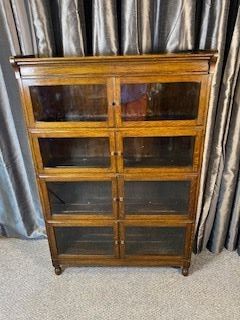
Makers such as Globe Wernicke, Minty, Lebus, Gunn, Heal's, and Amyl dominate the output, offering variations from golden oak to limed oak and walnut. Buyers meet tall four-tier or five-tier configurations most frequently, alongside paired units and occasional Arts and Crafts or Art Deco interpretations.
Materials and Technique
Makers constructed these cabinets using solid timbers and veneers, predominantly selecting oak and mahogany for their durability and grain. Selected pieces incorporate inlaid details or limed finishes, while metal mechanisms govern the lifting and sliding action of the glazed doors.
The glazing involves clear or leaded glass fitted into wooden frames that pivot on scissor hinges or roller guides. Each tier operates as a separate box with tongue-and-groove or dowel alignment pins, ensuring the stacked sections remain stable without permanent fixing.
Listings feature oak and mahogany predominantly, spanning Edwardian, Arts and Crafts, and Art Deco styles across the early twentieth century.
Standards of Manufacture
Quality rests in the precision of the modular joinery and the integrity of the door-lifting mechanism. Superior examples exhibit tightly fitted stacking joints where each tier aligns flush with its neighbour without binding the glass doors.
The choice of timber and the complexity of the glazing further separate standard office variants from domestic showpieces. Solid mahogany constructions, decorative leaded glass panels, and signed maker hardware elevate a standard modular unit into a refined piece of cabinet-making.
Globe Wernicke·Minty·Lebus·Heal's·Gunn·Amyl
The Glazed Sectional Cabinet Glossary
- Barrister bookcase
- An alternative name for a stacking bookcase, historically utilised by legal professionals to transport and house working libraries. The modular design allowed easy relocation of books.
- Leaded glass
- Glass panes joined together by narrow strips of lead into decorative geometric or botanical patterns. This technique appears frequently on Edwardian Arts and Crafts iterations.
- Cornice
- The moulded horizontal projection that crowns the top of the cabinet. It sits above the uppermost tier to finish the silhouette.
- Plinth base
- The heavy foundational tier upon which the stacking sections rest. It raises the lowest shelf clear of the floor.
Glazed Sectional Cabinet: Frequently Asked Questions
How do the stacking sections stay together?
The individual tiers rely on gravity, rebated joints, and alignment pins to remain stable when stacked. Each box sits securely upon the one beneath it without requiring screws or permanent fixings.
This modular construction allows the entire cabinet to be taken apart easily for transport or relocation within a room.
How do the glass doors operate?
The glazed doors typically feature a scissor-arm metal mechanism or roller guides mounted inside the tier. Lifting the handle pushes the door upward and inward into the recess above the books.
This clever action protects the volumes from dust while allowing full visibility and straightforward access to the shelves.
Can I add more tiers later?
Adding extra tiers depends entirely on finding matching sections from the same maker and era. Dimensions, timber shades, and door mechanisms varied significantly between manufacturers like Minty and Globe Wernicke.
Mixing different makers or wood tones prevents the stacking units from aligning correctly in height and depth.
Where were these cabinets originally used?
These modular units served primarily in professional offices, legal chambers, and home studies during the early twentieth century. Their enclosed glass shelving kept heavy reference books clean and organised in busy working environments.
Over time, their practical format transitioned into domestic living spaces as a stylish way to display home libraries.