
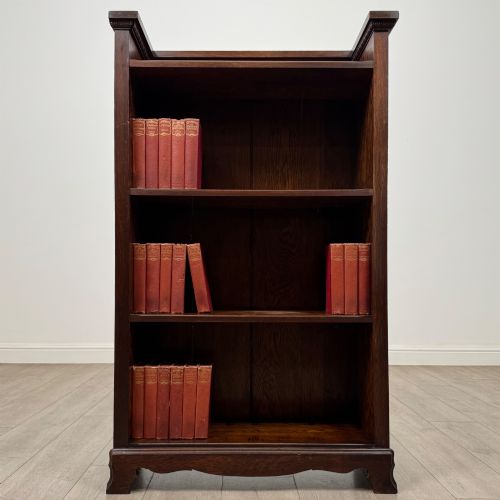
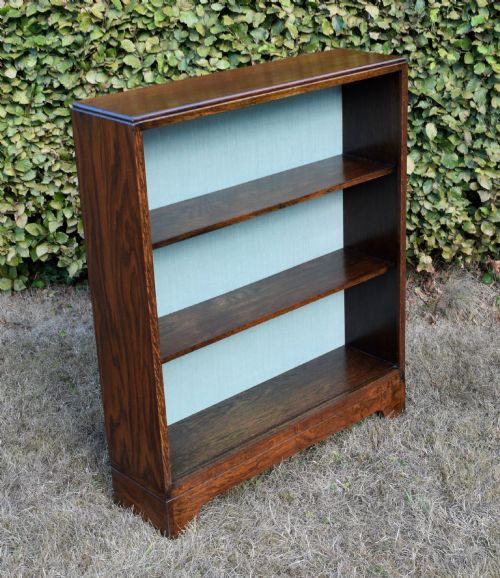
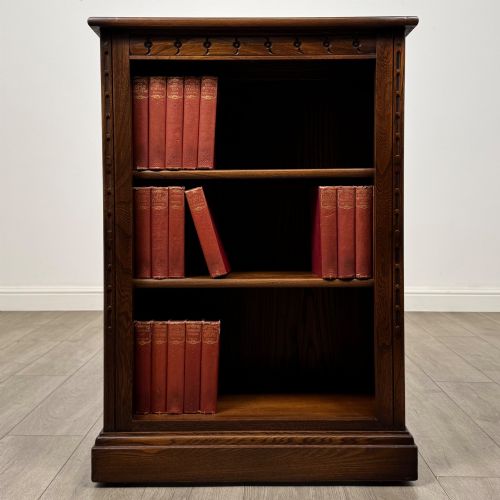
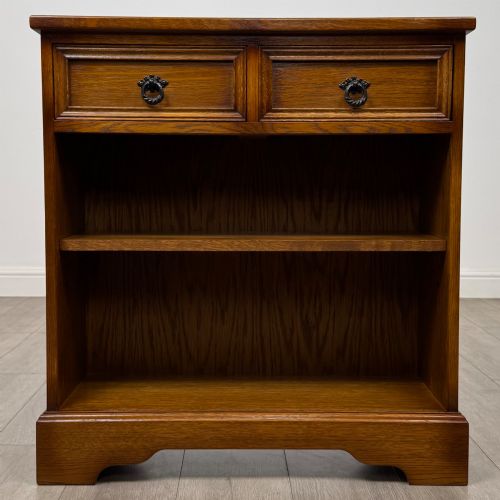
Oak Book Cabinet
An oak book cabinet brings architectural timber and structured storage together, offering a practical home for collections of volumes.
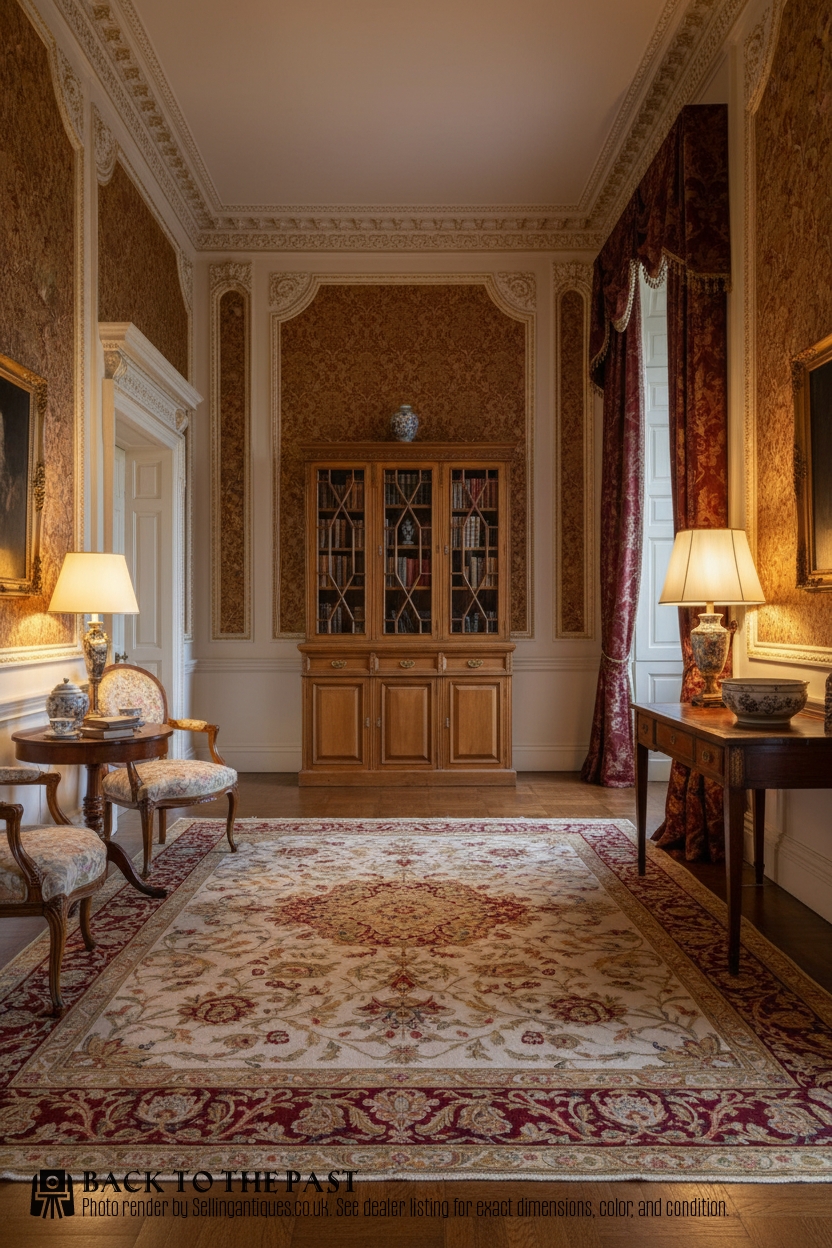
What an oak book cabinet is
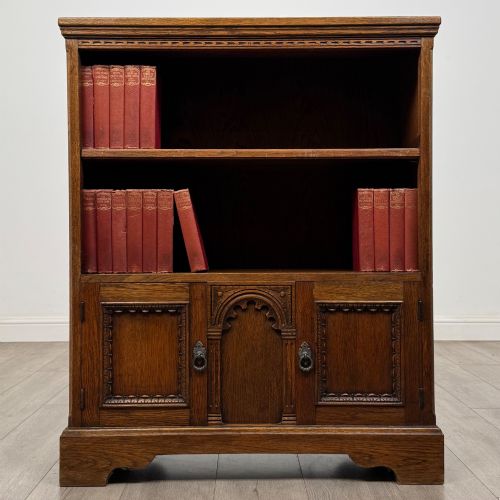
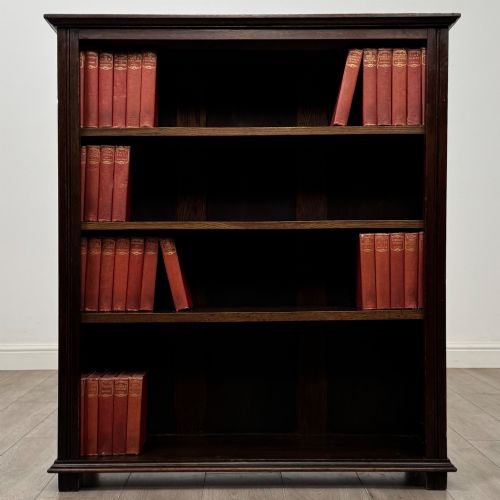
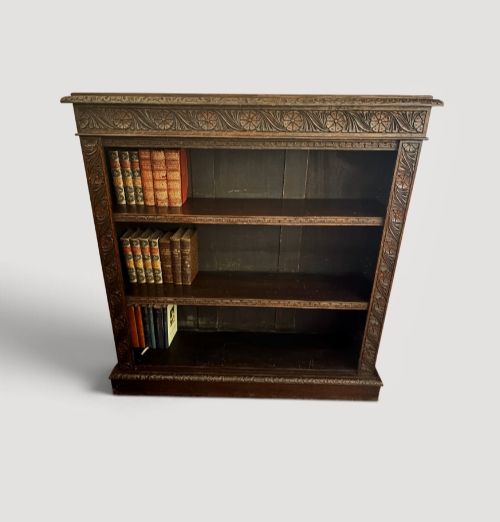
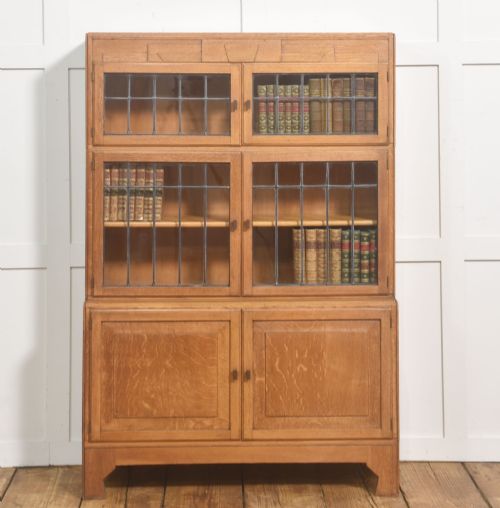
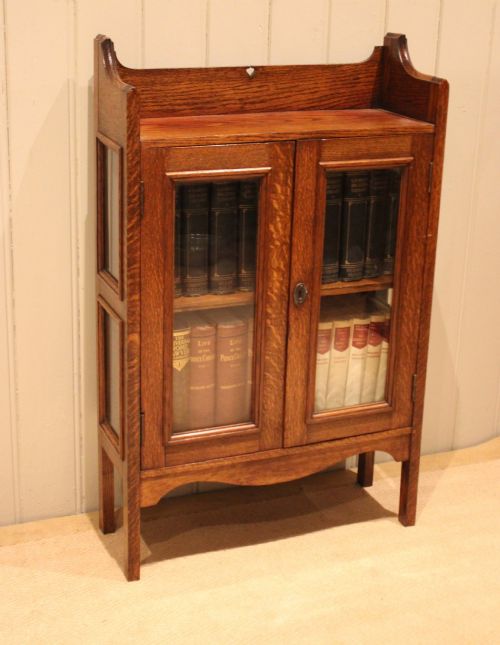
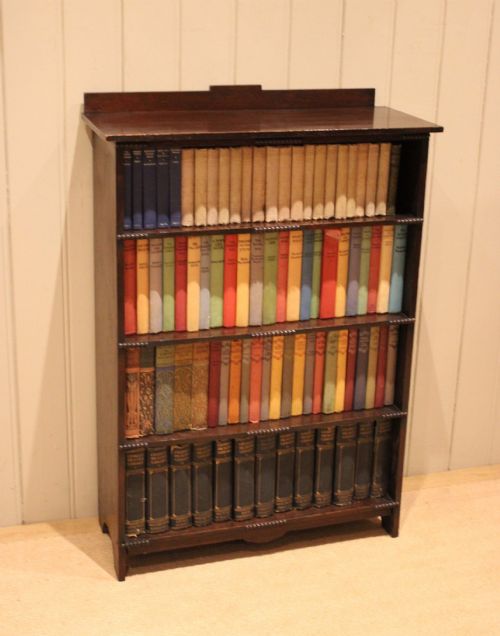
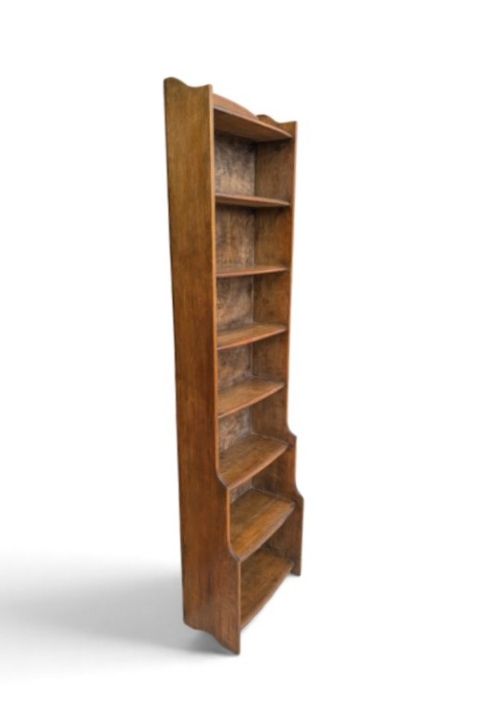
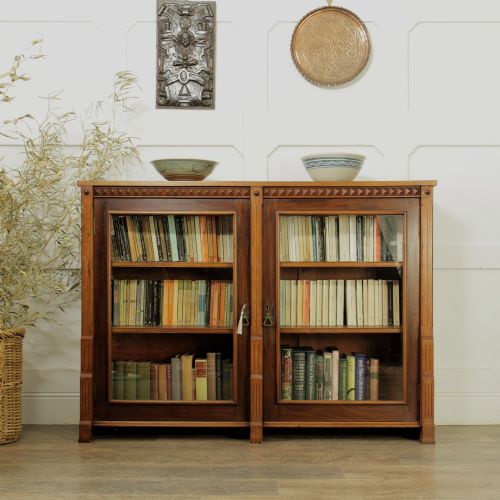
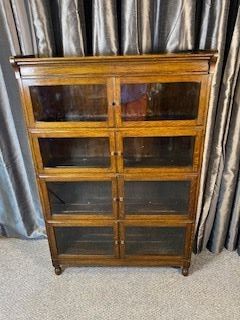
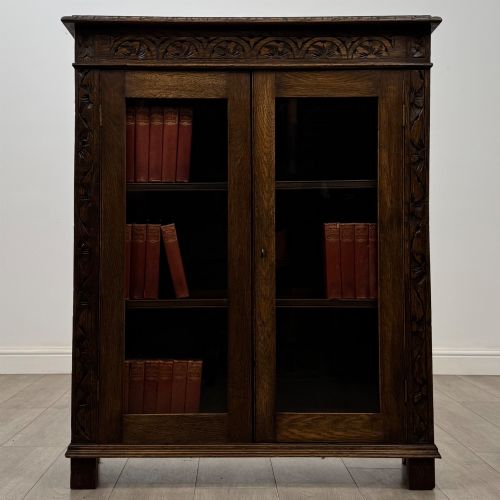
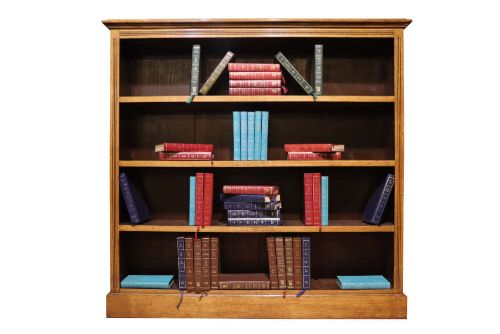
When you search for an oak book cabinet, you encounter versatile storage forms spanning open shelving, glazed display doors, sectional barrister designs, and bureau combinations. The pieces seen across these periods utilise sturdy timber constructions designed to house libraries efficiently within domestic interiors.
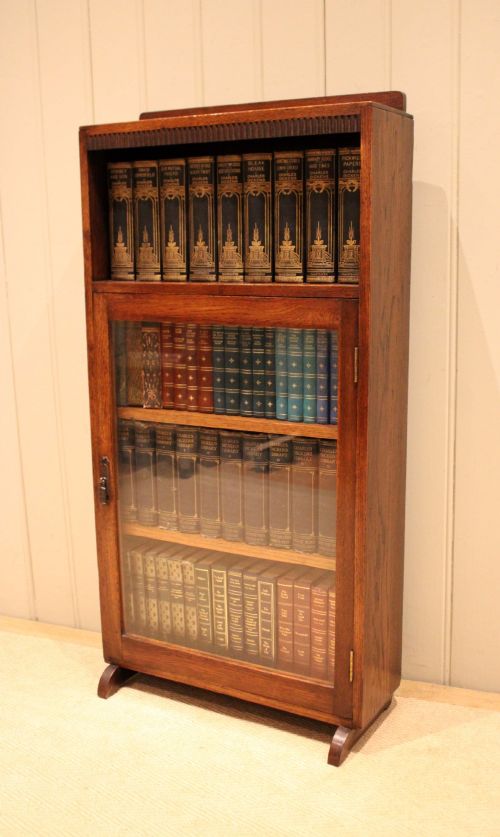
The Edwardian and early twentieth century examples frequently present glazed fronts or open bays, while sectional stacking formats allow modular configurations. Traditional English workshops and Arts and Crafts makers heavily influenced the vernacular forms encountered most often in this category.
How they were made
Joiners built these cabinets using solid or veneered oak, often mounting doors with brass hardware and fitting interiors with adjustable shelving. Glazed sections frequently incorporated leaded glass panels or simple timber frames to protect contents.
Some variants introduced specialised details such as leather tops or modular stacking mechanisms, requiring precise carpentry to ensure smooth operation of individual tiers.
Retail Price Guide 2026
Typical UK retail prices for oak book cabinet, calculated from the Sellingantiques database of over a million retail prices indexed since 2003. This retail price guide relies exclusively on Sellingantiques data; no external sources or auction records are used, so the figures do not describe the wider market.
Some stacking cabinets let you reconfigure your library verticality like architectural building blocks.
What varies in quality
The distinction between standard utility items and finer examples lies in the selection of timber grain, the precision of the joinery, and the integrity of any mechanical stacking systems. Superior pieces demonstrate thoughtful proportion and careful finishing.
Secondary materials, the weight of the brass fittings, and the clarity of the glass further distinguish cabinet construction across different production decades.
Heals of London·The Bath Cabinet Makers
The Oak Book Cabinet Glossary
- Sectional bookcase
- A modular storage unit composed of individual stacked tiers with glazed lifting doors, often referred to as a barrister or Globe Wernicke style. This design allows sections to be added or separated easily.
- Leaded glass
- Small panes of glass held together by strips of lead cames within a cabinet door. This technique creates geometric patterns typical of Arts and Crafts and early twentieth-century design.
- Bureau bookcase
- A hybrid furniture form featuring a sloping desk flap above lower shelving or cabinet doors. It combines writing space with enclosed book storage.
- Open bookcase
- A shelving unit without doors designed for immediate access to volumes. These range from small freestanding pieces to taller library formats.
Frequently Asked Questions
How do sectional oak book cabinets work?
Sectional cabinets utilise individual modular tiers that stack independently, usually featuring glazed lifting doors that slide into the unit.
This design allows the bookcase to grow or separate as a collection changes over time.
Are shelves adjustable in antique oak bookcases?
Many Edwardian and later examples incorporate adjustable shelving supported by rack systems or traditional wooden pegs.
This adaptability accommodates varying book heights within the cabinet.
What is the difference between open and glazed cabinets?
Open versions provide immediate access to volumes without barriers, making them suited to daily reading spaces.
Glazed cabinets enclose the books behind glass panels to protect bindings from dust and environmental wear.
How do I identify an Arts and Crafts oak cabinet?
Arts and Crafts pieces typically emphasise honest construction, exposed tenons, and simple geometric lines in solid timber.
They may also feature leaded glass and distinctive copper or brass hardware.