
Antique Bookcase Cupboard
An antique bookcase cupboard combines display space with enclosed storage, offering a practical solution for organising books and household items.
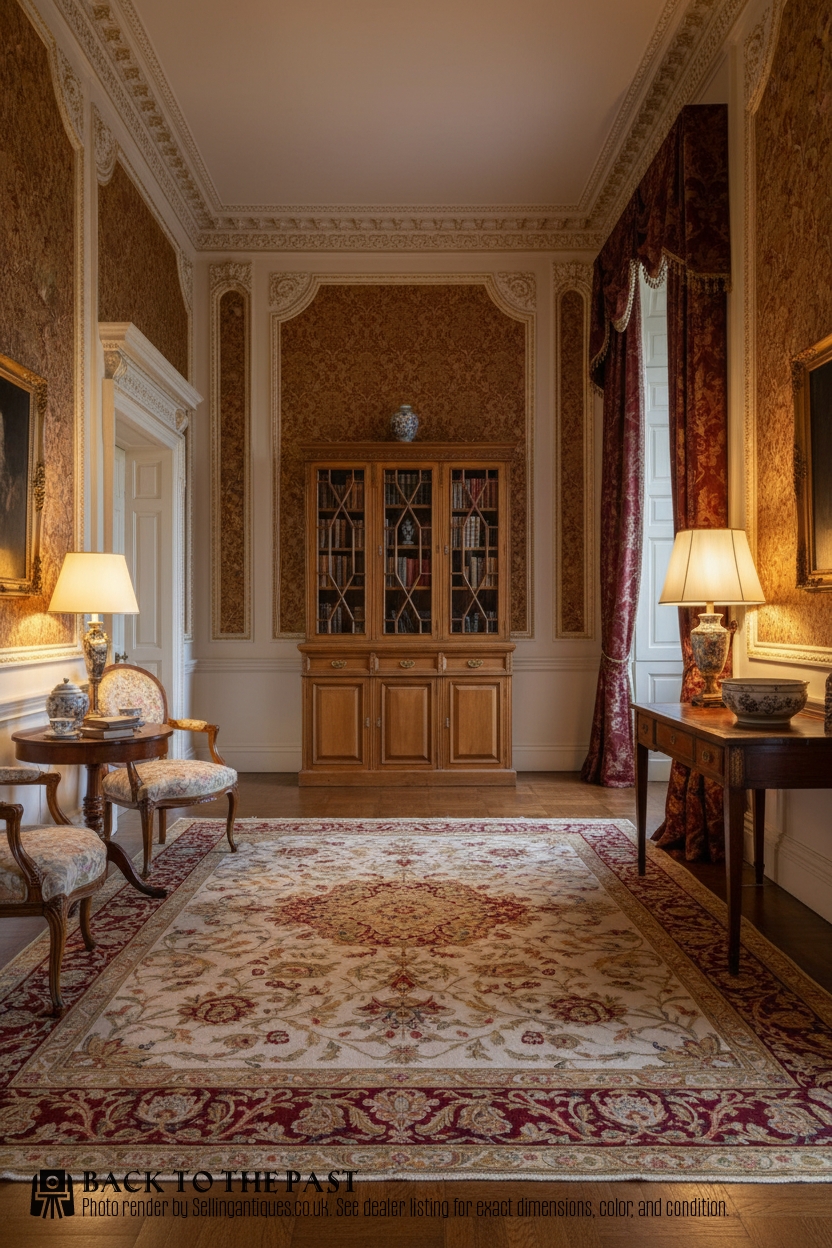
What an antique bookcase cupboard is
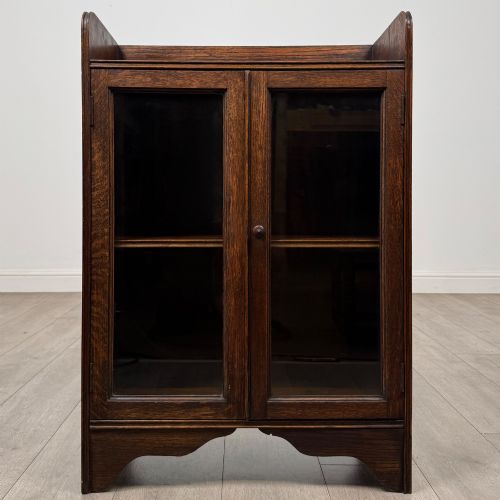
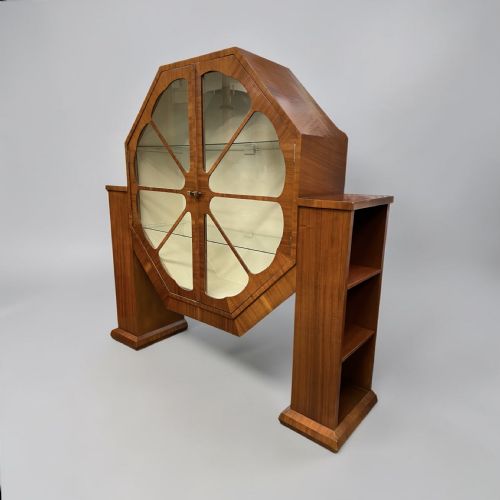
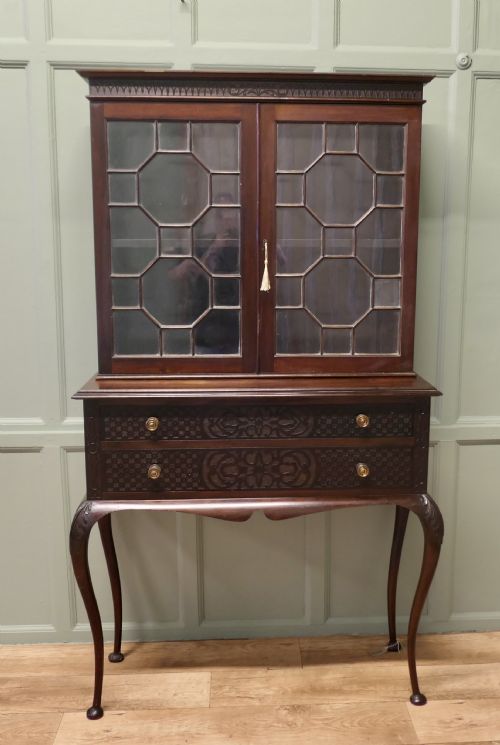
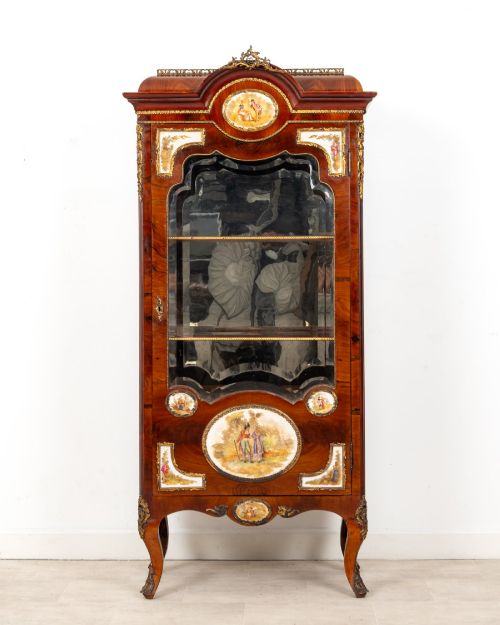
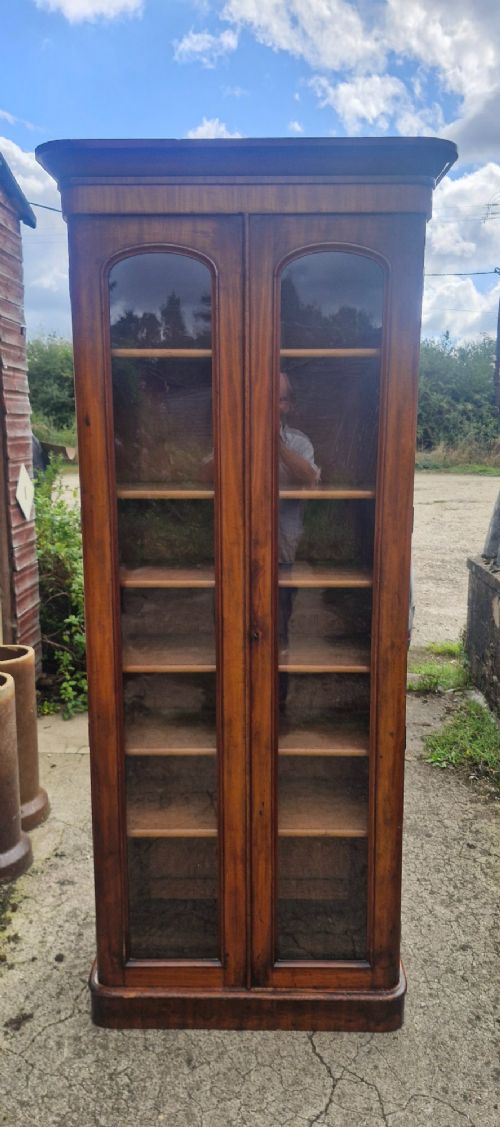
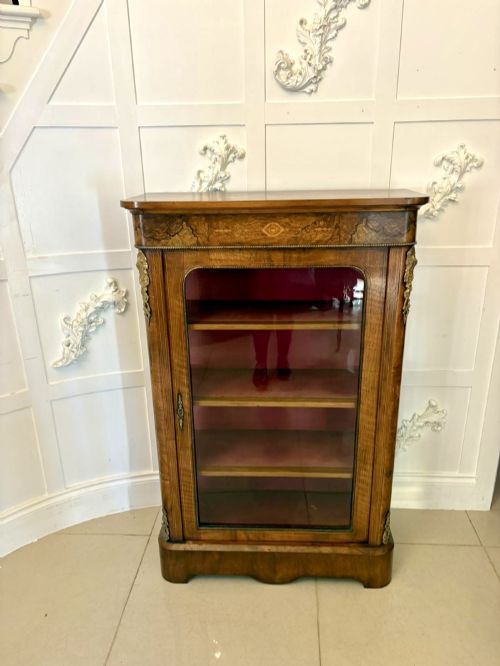
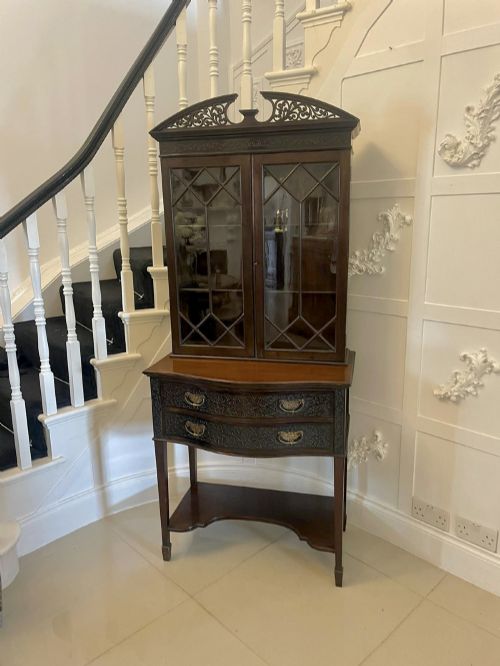
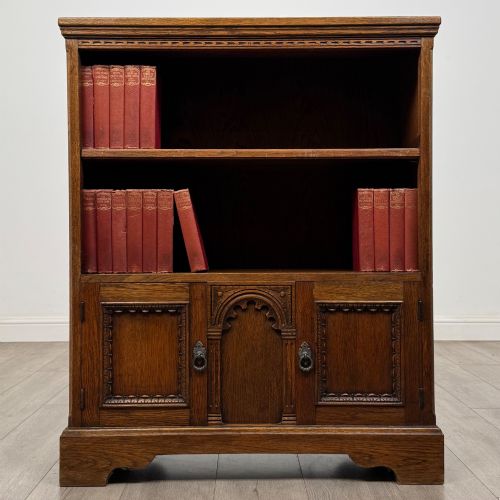
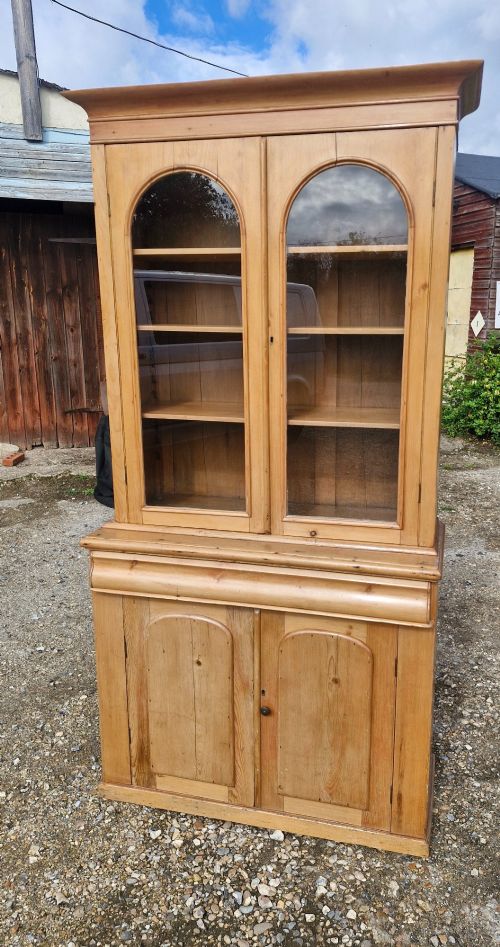
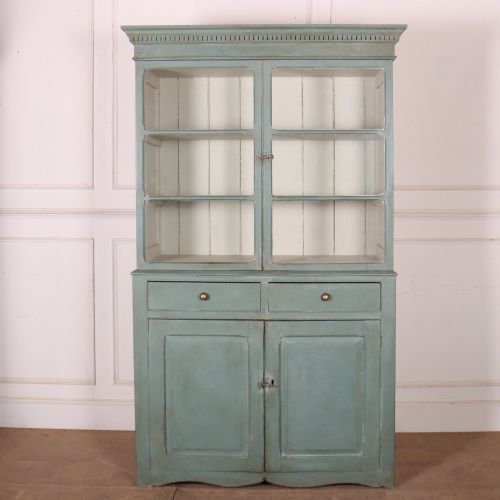
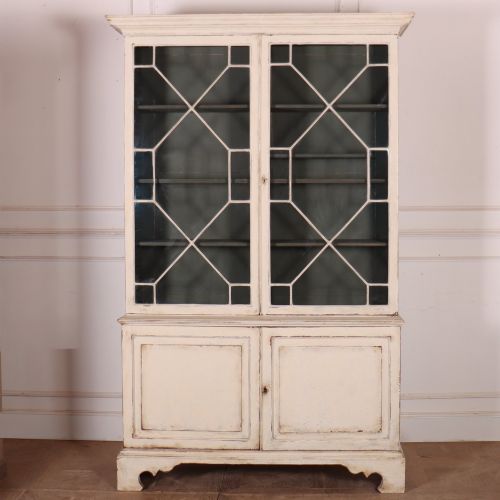
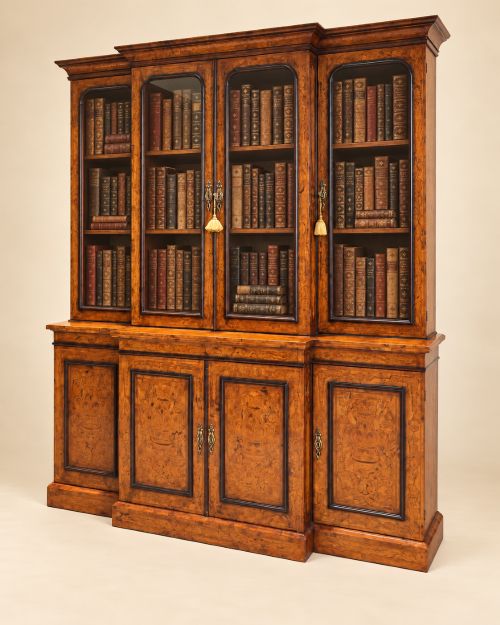
An antique bookcase cupboard unites upper shelving for books with lower enclosed storage, forming a substantial dual-purpose furniture piece. Buyers searching for an antique bookcase cupboard will find examples ranging from compact two-door units to grand triple library cabinets.
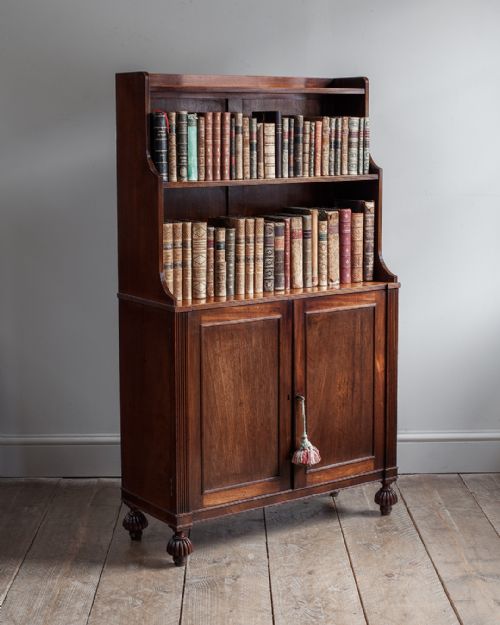
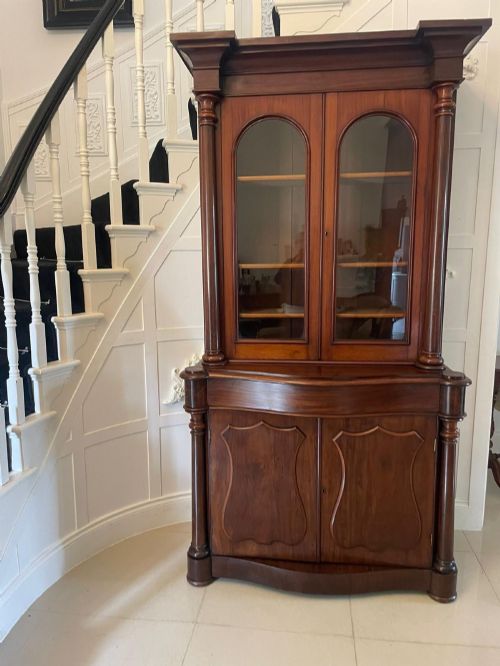
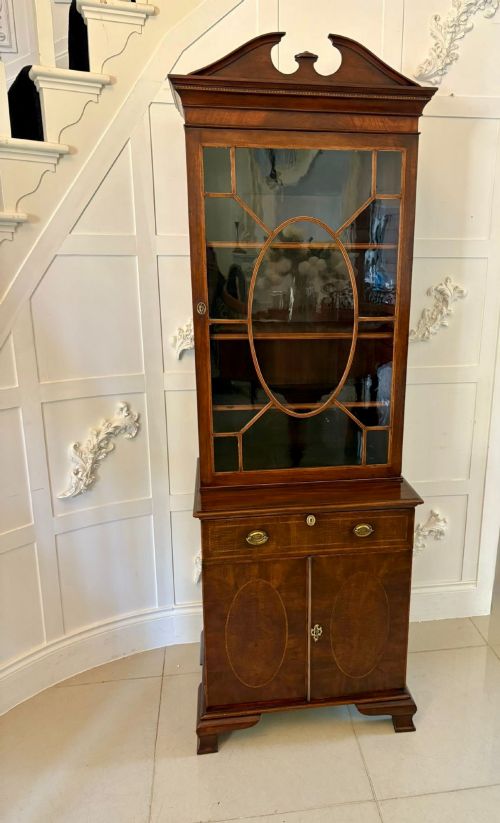
The selections span the eighteenth, nineteenth, and early twentieth centuries, with Victorian mahogany pieces appearing frequently alongside earlier Georgian and Regency formats. Many examples incorporate glazed upper doors to protect volumes while maintaining visibility, while others provide open shelving above panelled cupboard doors.
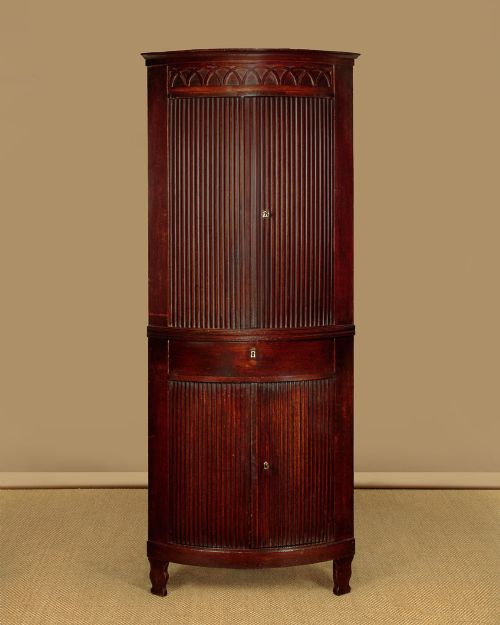
Woods such as mahogany, oak, and walnut predominate across these forms, often enhanced by flame veneers or subtle inlay work. Pieces originating from continental workshops, including Biedermeier designs, occasionally supplement the traditional English furniture styles.
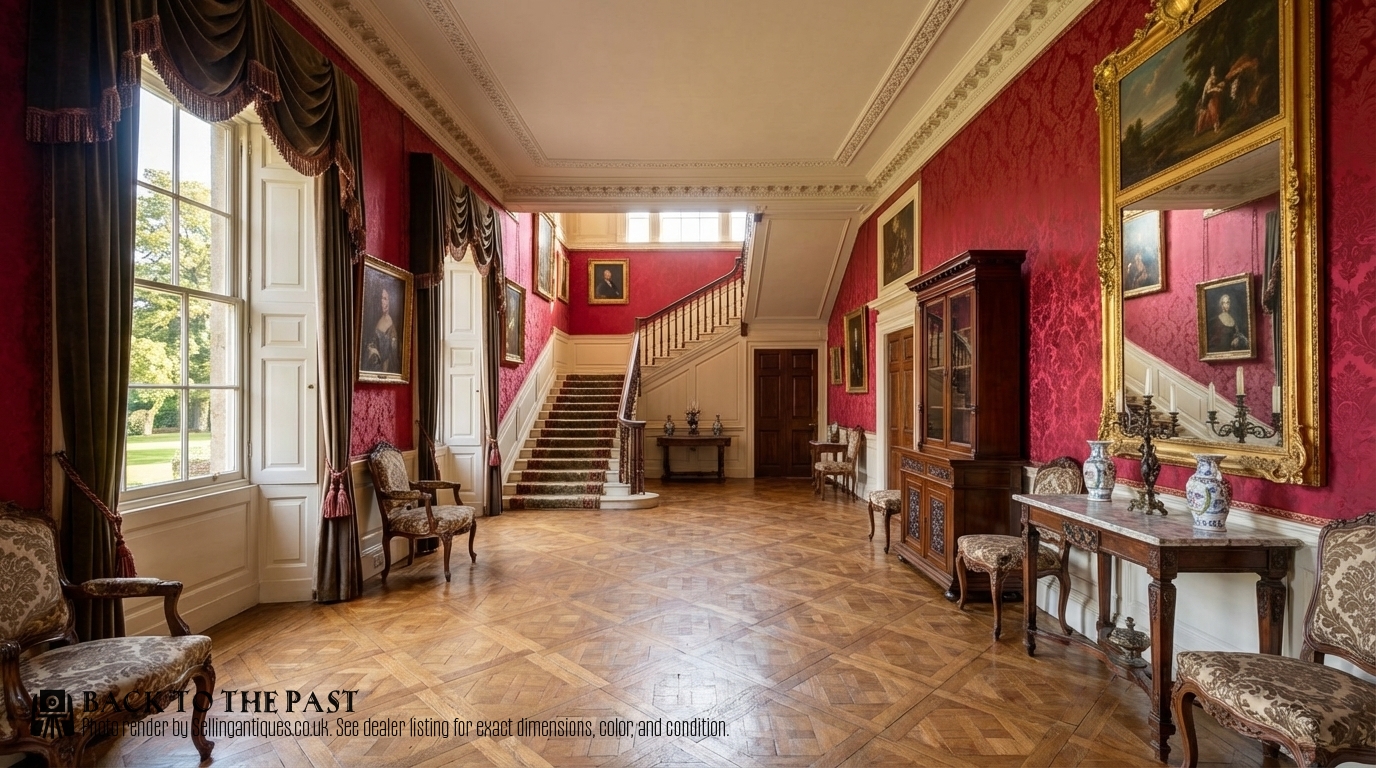
How they were made
Cabinet makers constructed these storage pieces using solid timbers like oak and mahogany, frequently applying figured mahogany veneers to door panels and drawer fronts for enhanced visual depth. Brass hardware, including hinges, locks, and handles, secured the compartments and added functional detail to the joinery.
Glass panes within upper doors were hand-set into wooden framing bars, reflecting the prevailing glazing techniques of the Victorian, Regency, and Georgian periods. Carved wooden ornamentation, inlaid stringing, and polished finishes completed the construction of these large library and parlour cabinets.
Retail Price Guide 2026
Typical UK retail prices for bookcase cupboard, calculated from the Sellingantiques database of over a million retail prices indexed since 2003. This retail price guide relies exclusively on Sellingantiques data; no external sources or auction records are used, so the figures do not describe the wider market.
Several examples include hidden secretaire drawers designed to keep private correspondence safely tucked away from wandering eyes.
What varies in quality
The caliber of an antique bookcase cupboard depends largely on the choice of timber, with highly figured mahogany veneers and dense, mature oak representing superior material selection. Refinement in proportion and subtlety of carving distinguish workshop output, as seen in pieces bearing maker attributions.
Construction integrity, including the seamless alignment of heavy doors and the precise fitting of internal shelving, separates standard utility furniture from exceptional cabinet work. Original glass panels, intact brass fittings, and well-preserved polished finishes further elevate the standing of individual examples.
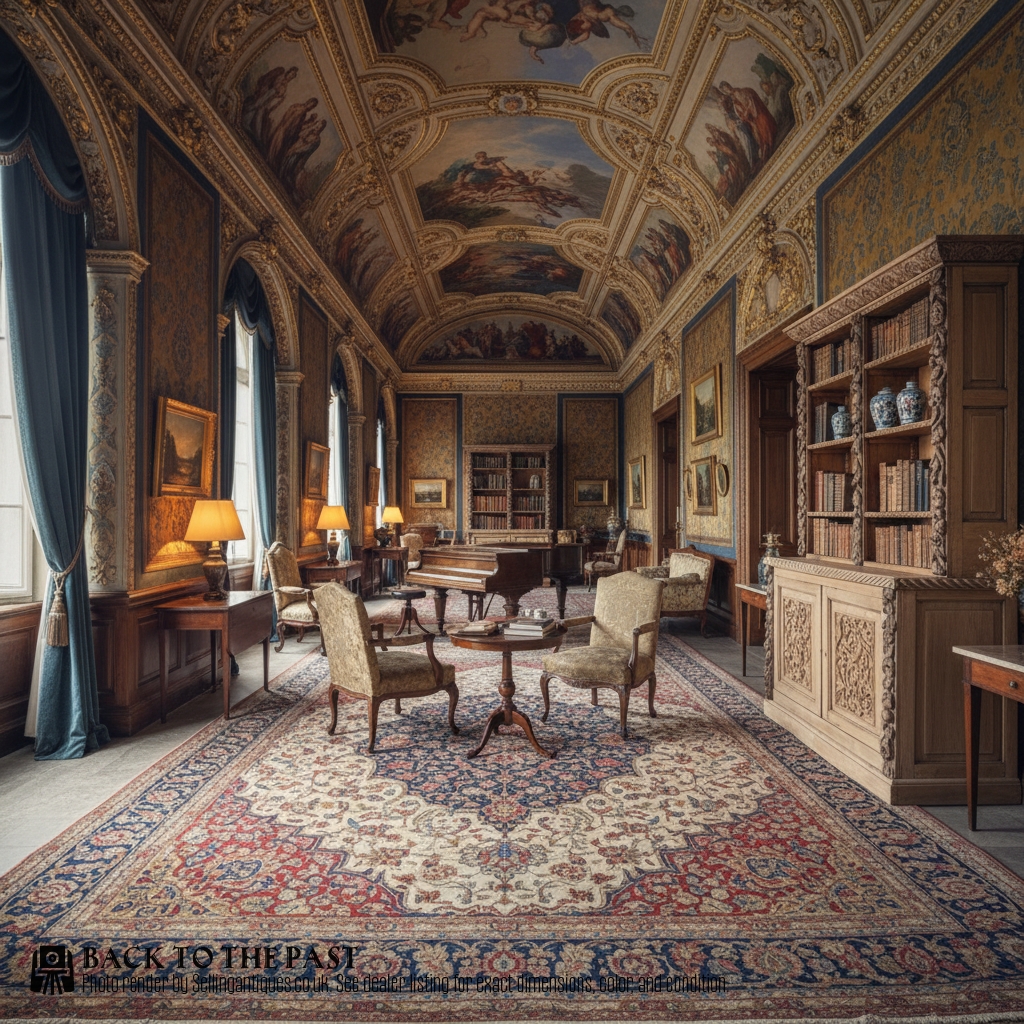
Howard & Sons
The Antique Bookcase Cupboard Glossary
- Mahogany
- A durable tropical hardwood widely utilised for high-status furniture during the eighteenth and nineteenth centuries. Its reddish-brown tone deepens gracefully with age.
- Flame mahogany veneer
- A thin slice of timber cut from the fork of a mahogany tree to produce a distinctive flickering flame pattern. Cabinet makers applied it to prominent surfaces like cupboard doors.
- Glazed cabinet
- A storage piece featuring glass-panelled doors that allow books or collections to be viewed while protected from dust. These doors often utilise individual wooden glazing bars.
- Secretaire
- A desk component integrated into furniture, featuring a drop-front writing surface that conceals small drawers and pigeonholes. It adds a functional workspace to the bookcase form.
- Biedermeier
- A Central European style dating from the nineteenth century characterised by clean lines, restrained ornamentation, and rich wood grains. Pieces from this tradition favour comfort and utility.
Frequently Asked Questions
What is an antique bookcase cupboard?
An antique bookcase cupboard is a dual-function furniture piece that combines upper open or glazed shelving with lower enclosed doors. This design allows owners to display volumes while keeping other household items neatly hidden away.
Such cabinets served as central fixtures in libraries, studies, and parlours, evolving through various styles from the Georgian era into the twentieth century. Their robust construction made them essential for organising growing collections of literature and documents.
How do I identify a Victorian bookcase?
Victorian examples frequently utilise dark mahogany or oak timber, often featuring figured veneer panels and glazed upper doors. Cabinet makers during this era built substantial structures that combined generous proportions with traditional joinery methods.
Examining the interior woodwork, backboards, and hardware can help confirm the period of manufacture. Many Victorian pieces also incorporate adjustable shelving supported by wooden ratchets or metal pins.
Where were these cupboards used?
These storage units were primarily placed in libraries, studies, and formal reception rooms to house bound volumes and professional papers. Their lower cupboards provided secure space for ledgers, documents, and personal items.
In domestic settings, they acted as focal points for rooms dedicated to reading and correspondence. Today, they perform a similar function in modern homes, bridging the gap between display and concealed storage.
How do I care for mahogany furniture?
Maintaining mahogany furniture involves keeping pieces away from direct sunlight and sudden temperature shifts to prevent wood warping and veneer cracking. Regular dusting with a soft, dry cloth preserves the polished finish.
Occasional application of appropriate furniture wax helps nourish the timber and maintain its natural lustre without building up residue. Avoiding excessive moisture ensures the structural integrity of the joints and hardware remains sound.