
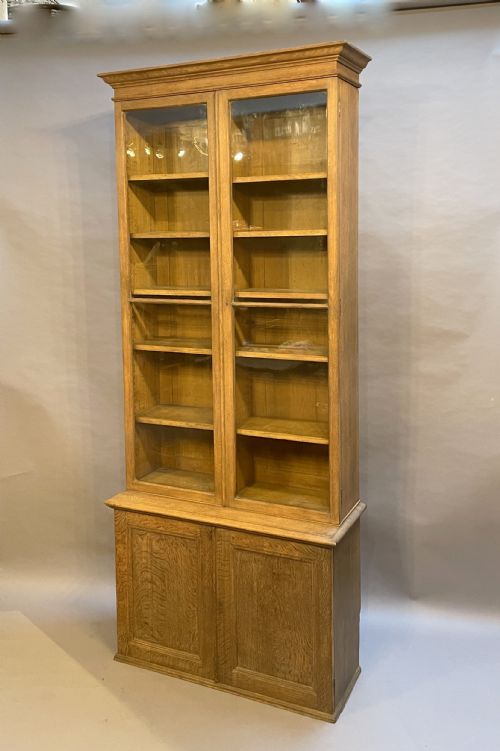


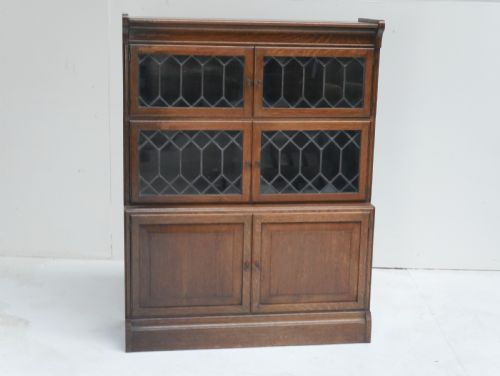


Light Oak Bookcase
A light oak bookcase brings practical warmth to a room, offering sturdy shelving packaged in pale, honest timber.
Understanding the Light Oak Bookcase
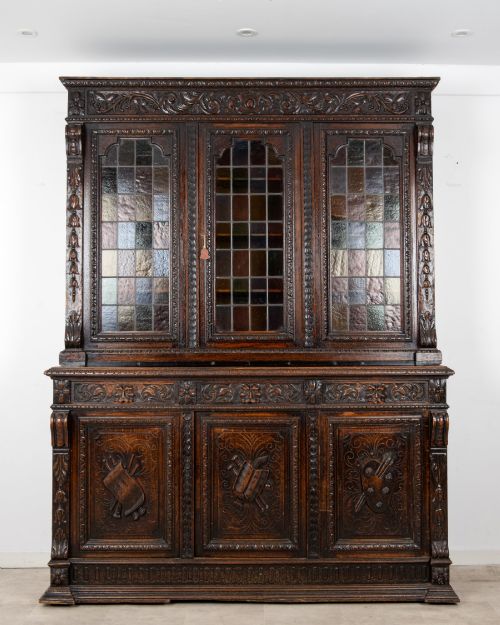
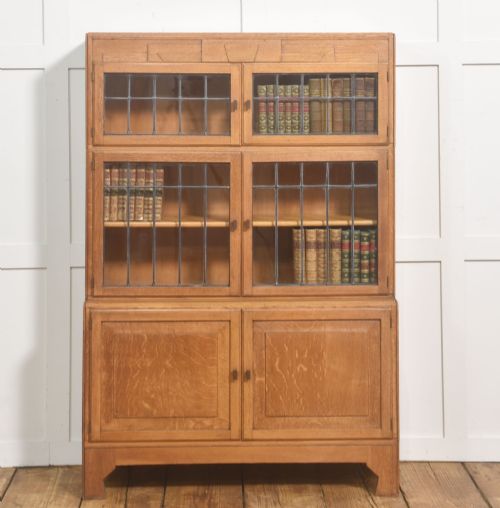
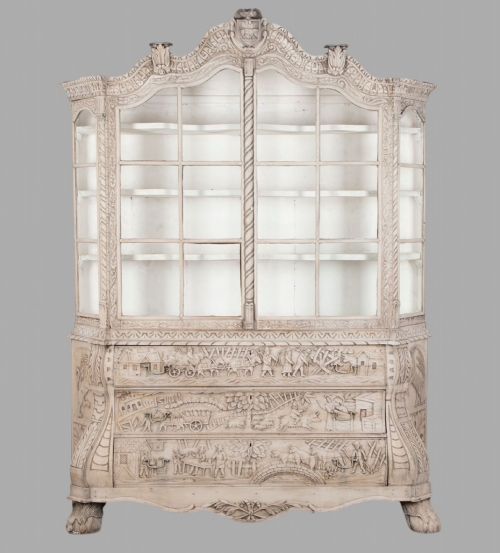
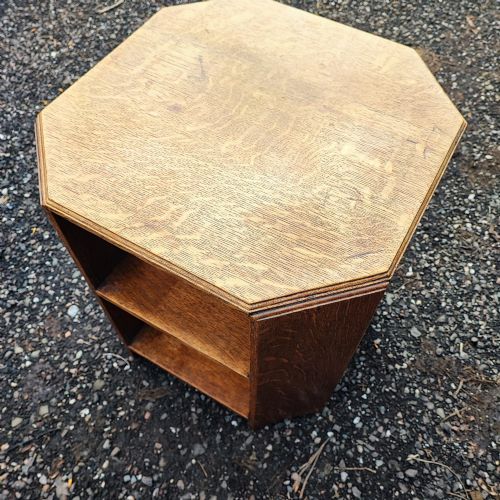
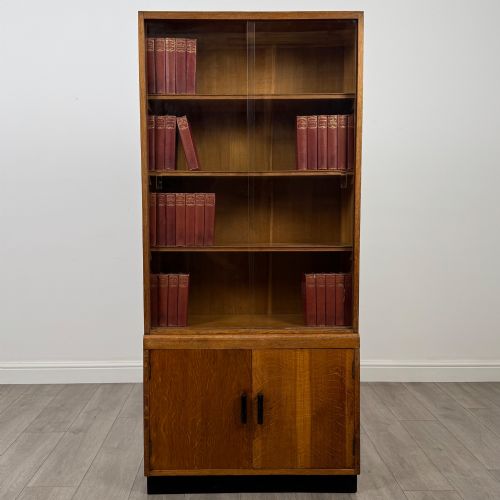
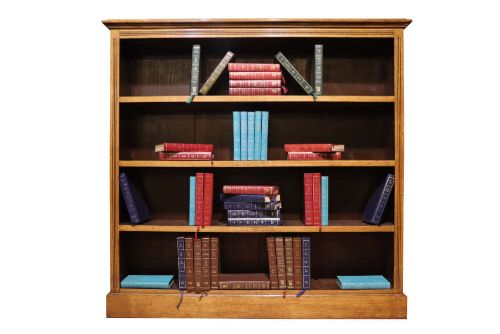
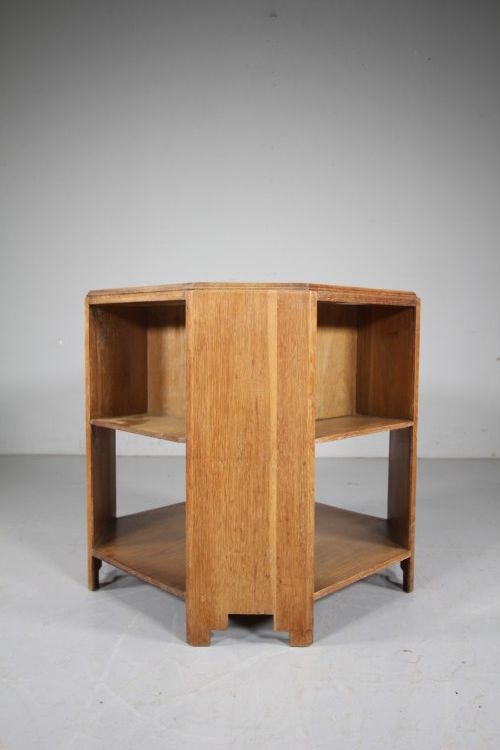
A light oak bookcase is a functional storage piece defined by its pale timber, appearing across styles from the Victorian era through the Arts and Crafts movement to Mid-Century Modern designs. Pieces range from simple open shelving formats to large glazed cabinets, bureau combinations, and modular stacking barrister units.
Open formats predominate among smaller items, while larger library editions often feature glazed doors, panelled lower cupboards, or sliding glass. These items span production dates from the mid-nineteenth century up to the nineteen-thirties, reflecting diverse domestic storage needs over several decades.
Assessing Quality and Character
Quality rests in the selection of the timber, the crispness of any carved detailing, and the integrity of the structural joinery. Finer examples display thoughtful proportions, well-fitted doors, and hardware that complements the grain of the oak.
The sophistication of the mechanism in stacking or revolving formats and the clarity of the glass panels further separate standard utility pieces from more ambitious cabinet work.
Retail Price Guide 2026
Typical UK retail prices for light oak bookcase, calculated from the Sellingantiques database of over a million retail prices indexed since 2003. This retail price guide relies exclusively on Sellingantiques data; no external sources or auction records are used, so the figures do not describe the wider market.
Some solicitors' stacking cases kept the law reports safely behind glass while letting busy lawyers grab a volume in a hurry.
Howard And Sons·Good Furniture Units·Heals
The Light Oak Bookcase Glossary
- Globe Wernicke
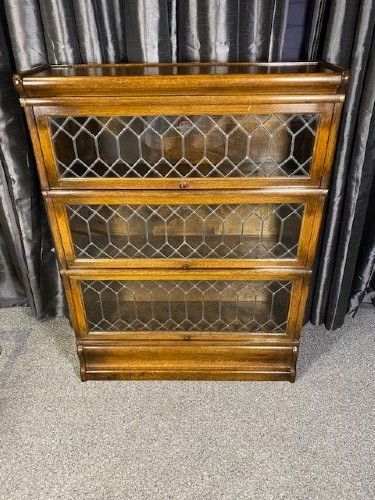
- A sectional barrister bookcase composed of stacking glazed units that operate independently. These modular systems allowed libraries to expand vertically as collections grew.
- Open Bookcase
- A shelving unit without doors, designed for easy access to frequently read volumes. This form relies on the visual texture of the book spines for its decorative effect.
- Bureau Bookcase
- A dual-purpose form combining a sloping writing desk surface with upper bookcase storage. It often incorporates internal small drawers and pigeonholes.
- Breakfront
- A cabinet design where the central section projects forward from the flanking wings. This architectural arrangement creates depth and shadow on larger library pieces.
- Veneer
- A thin layer of superior timber applied over a secondary wood base. This technique allowed makers to display attractive grain patterns while maintaining structural stability.
Frequently Asked Questions
How do I date a light oak bookcase?
Dating relies on observing stylistic markers such as Victorian Gothic revival motifs, Arts and Crafts simplicity, or Mid-Century Modern clean lines. Construction methods and recorded period evidence also help establish the decade of origin.
Hardware, such as brass pulls or lead work, provides further clues regarding the era in which the piece was constructed.
Are these bookcases suitable for heavy books?
Oak is a dense and durable hardwood, making these bookcases inherently strong and capable of supporting substantial volumes. Many antique editions also feature adjustable shelving to accommodate varying book heights.
Checking the stability of the uprights and the support system for individual shelves ensures the piece handles heavy loads safely.
What is a stacking barrister bookcase?
A stacking barrister bookcase consists of modular sections with up-and-over glass doors designed for legal offices and studies. Each tier functions independently, allowing units to be stacked safely without permanent fixing.
This format protected valuable texts from dust while offering flexibility in office or library layout.
How should I maintain the oak finish?
Maintaining light oak involves keeping the timber away from direct heat sources and strong sunlight to prevent drying or fading. Regular dusting with a dry cloth preserves the natural grain and surface sheen.
Occasional applications of appropriate wax or polish help nourish the wood without building up excessive residue.