


Vintage Balance Scales
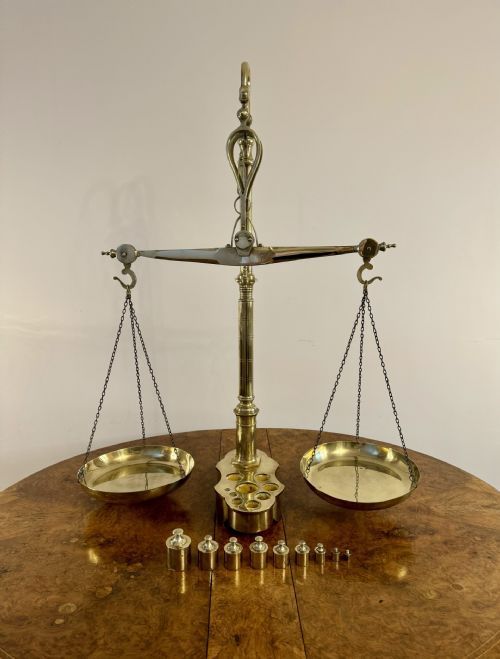
Vintage balance scales are working instruments of brass, iron and mahogany that bring precise mechanical form and utility to a room.
Vintage Balance Scales
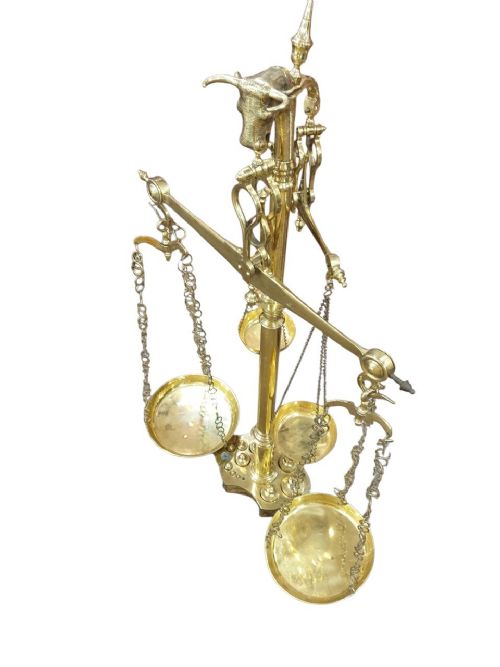
When you search for vintage balance scales, you encounter domestic postal devices, large butcher's beams and apothecary balances originating from the nineteenth and early twentieth centuries.
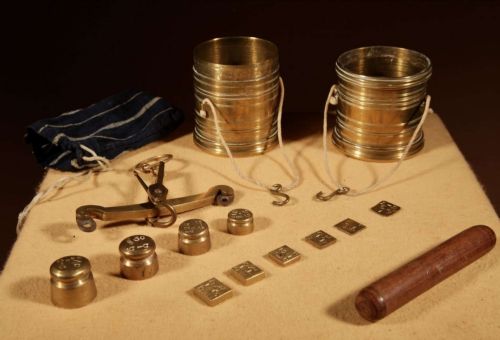
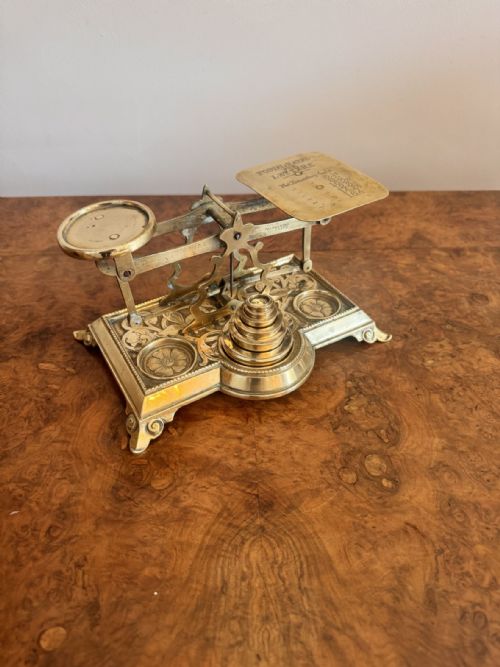
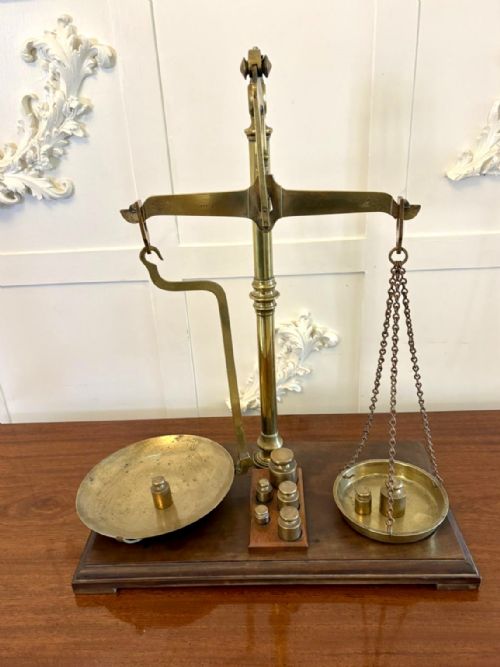
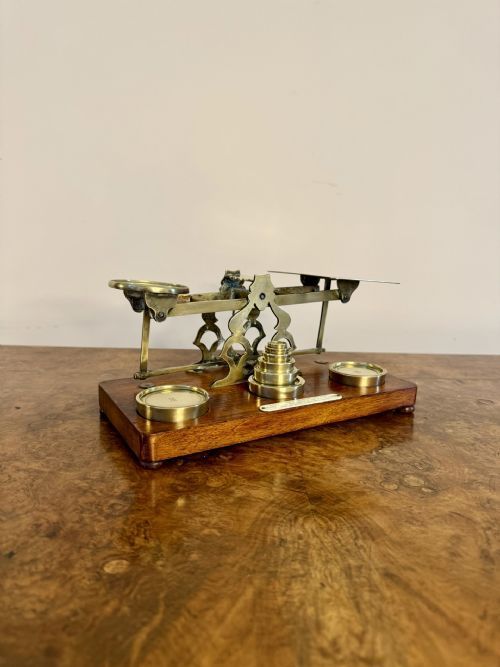
The version you are most likely to meet on this page is the polished brass postal scale mounted on a mahogany or walnut base, often complete with its matching stack of weights.
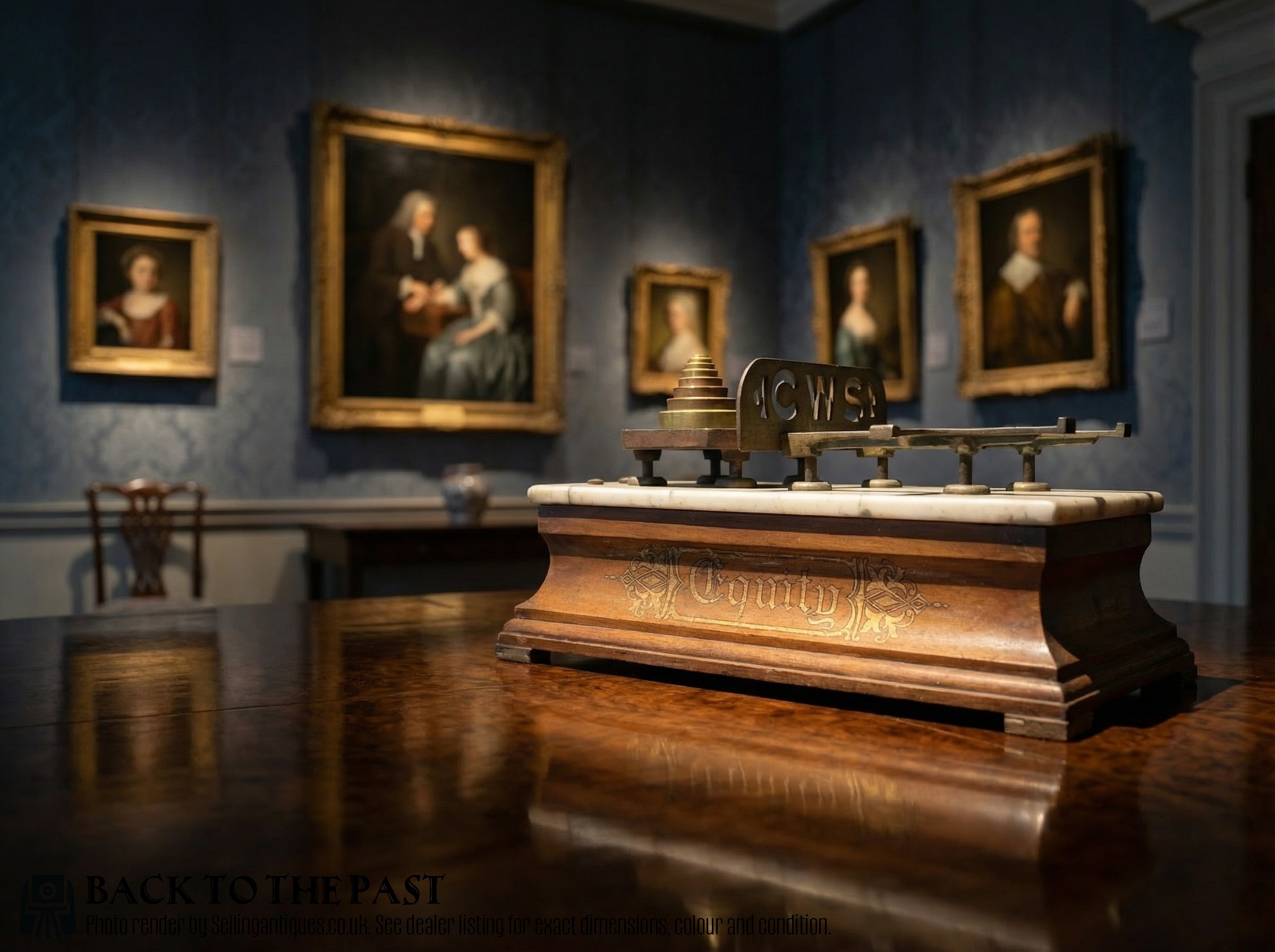
Commercial grocer's scales and heavy iron shopkeeper's beams also appear frequently, alongside regional British postal instruments and specialist scientific balances.
How they were made
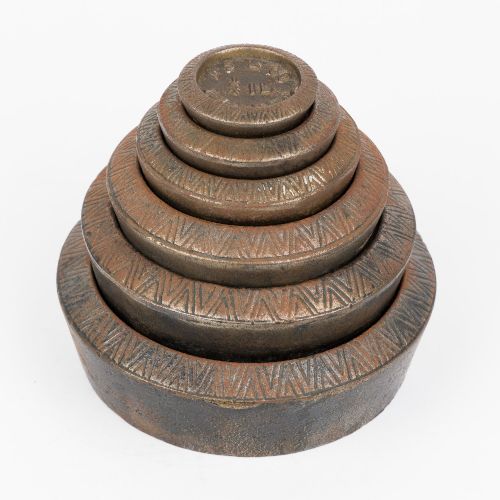
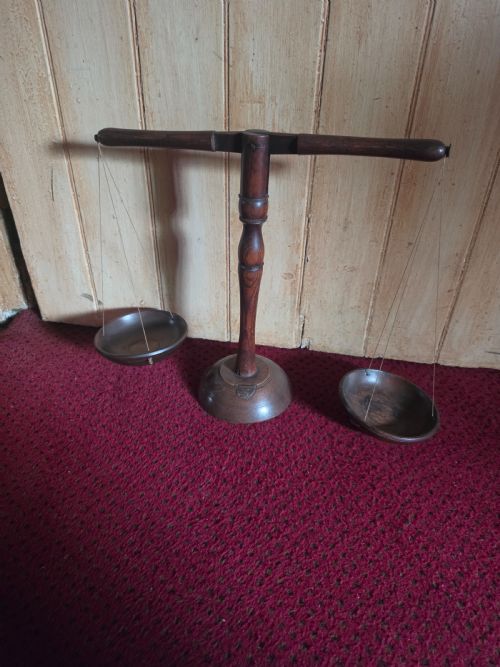
Maker's workshops combined cast iron and heavy copper with turned hardwoods like mahogany and oak to build frames capable of withstanding daily trade use.
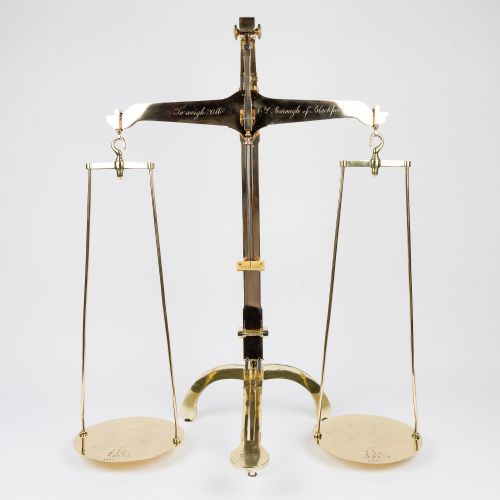
Beams and pans utilised polished brass and bronze, cast and hand-finished to ensure accurate movement across the fulcrum.
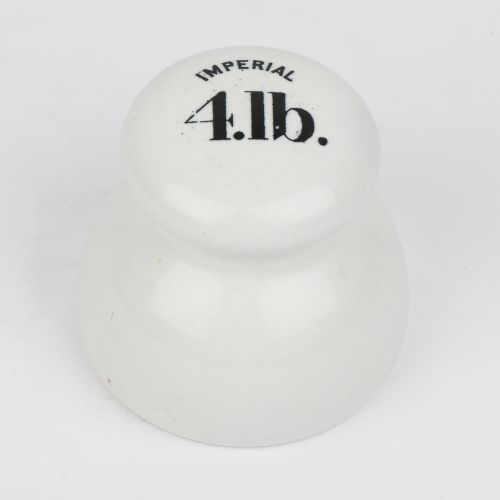
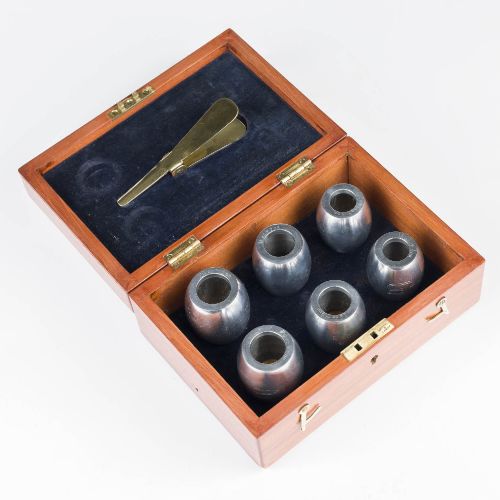
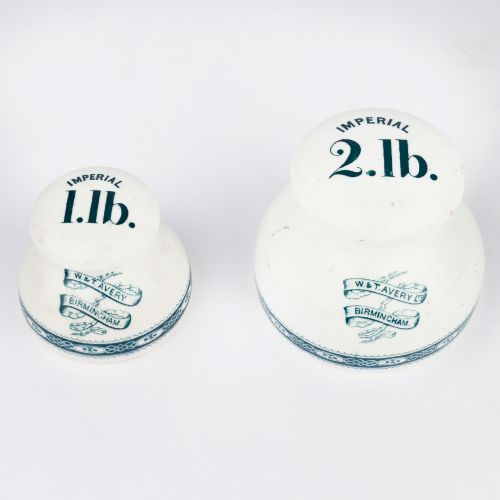
Bases frequently incorporated fitted wooden drawers to house brass weight sets, whilst dials and ceramic pans displayed painted or transfer-printed inscriptions.
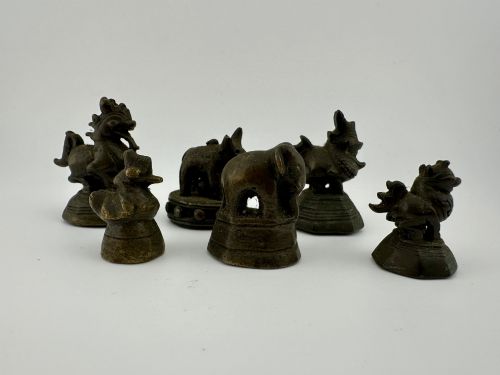
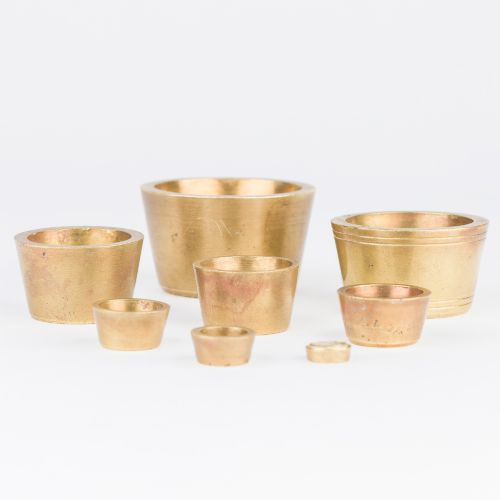
Certain nineteenth-century offerings include weights shaped like graduated brass animals from Southeast Asia.
What varies in quality
The standard of a balance rests upon the crispness of the maker's stamp and the retention of the original matching weight set housed within the base.
Fine domestic pieces display carefully figured mahogany woodwork and finely turned brass pillars, whereas utility trade scales prioritise heavy cast iron and robust iron beams over ornamentation.
Completeness dictates worth, separating instruments that retain every original brass weight and glass pan from those assembled from mismatched parts over time.
De Grave Short and Co·W and T Avery·S Mordan and Co·Parnall and Sons·Day and Millward·Ratcliff Birmingham
The Vintage Balance Scales Glossary
- Beam
- The central horizontal bar of a balance scale that pivots on a central fulcrum to weigh objects placed in opposing pans.
- Apothecary balance
- A sensitive precision instrument designed for measuring small quantities of medicine or chemicals.
- Postal scale
- A compact domestic balance fitted with a flat platform or small pan specifically calibrated for weighing letters and parcels.
- Treen
- Small domestic wooden items and utensils hand-turned or carved from native hardwoods.
- Fulcrum
- The pivot point upon which the balance beam rests and swings during the weighing process.
- Troy ounce
- A system of units of mass traditionally used for precious metals and apothecary items.
Vintage Balance Scales: Frequently Asked Questions
How do I use vintage balance scales?
Place the item requiring measurement upon one pan and add corresponding brass weights to the opposing side until the moving pointer aligns centrally with the index mark.
Ensure the instrument rests upon a flat, level surface before use, as any slope alters the equilibrium of the beam and distorts the resulting weight.
Are these scales still accurate?
Many surviving balances retain their mechanical precision and can still measure objects accurately if the fulcrum knife-edge remains sharp and undamaged.
Commercial and postal instruments intended for official trade required periodic government verification, which is often recorded via stamps punched directly into the metal.
How should I clean brass scales?
Dust surfaces gently with a dry, soft cloth to remove everyday particles without disturbing the aged surface patination built up over decades.
Avoid abrasive metal polishes that strip away the authentic mellow finish and wear down engraved maker's marks on the brass beams.
How do I date a set of scales?
Examine the timber base, construction style and any stamped maker's details, comparing them against known operational dates of firms like Avery or Mordan.
Victorian postal scales typically feature elaborate cast brass foliate decoration on walnut or mahogany bases, whilst Edwardian examples favour simpler geometric lines.