

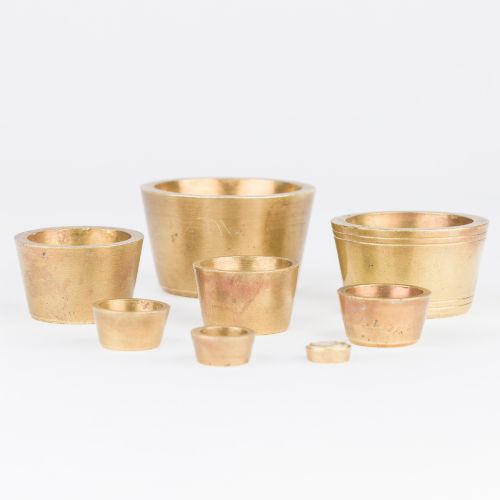


Antique Trade Scales
Antique trade scales are working implements of commerce and science that bring heavy brass, iron and polished timber into a modern room.
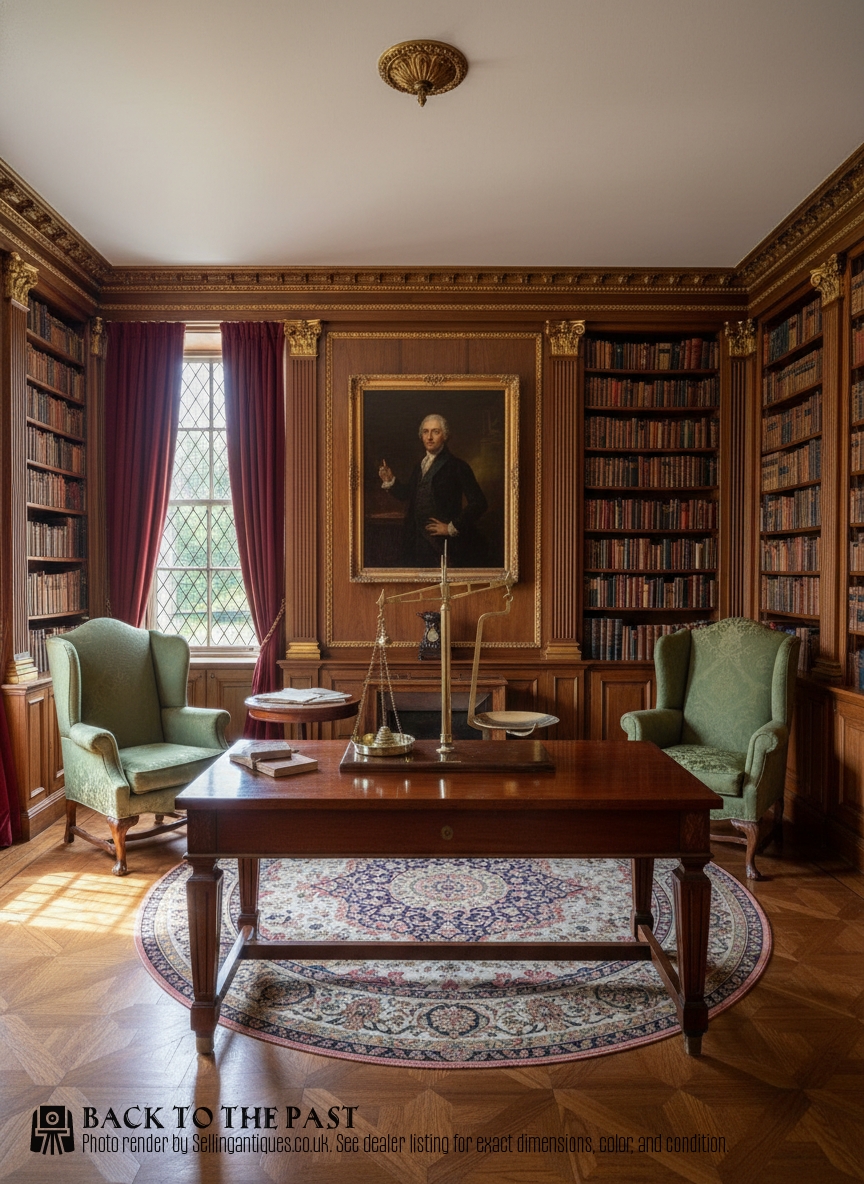
Antique Trade Scales
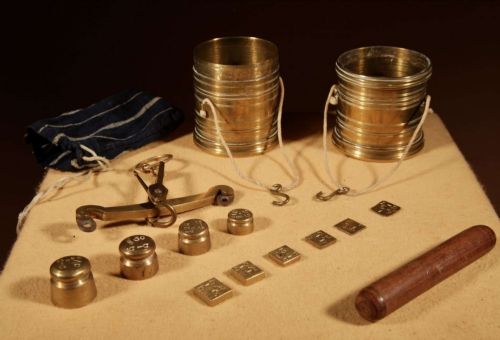
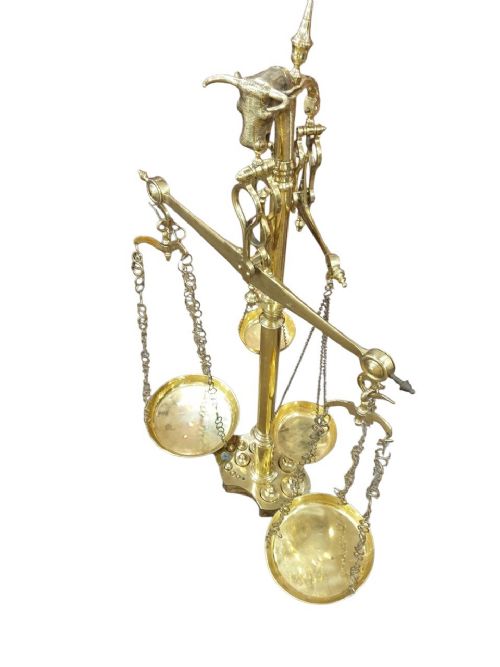
When you search for antique trade scales, you encounter heavy commercial beam balances, precision verification instruments, and associated systems of weights spanning the nineteenth and early twentieth centuries. These objects range from massive floor-standing butcher scales and grocers' beam balances to delicate chemist sets and specialised regional standards.
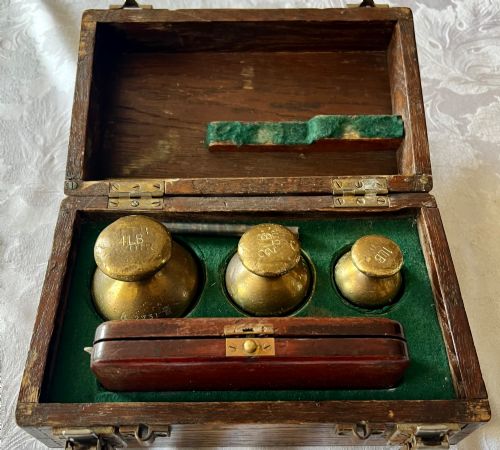
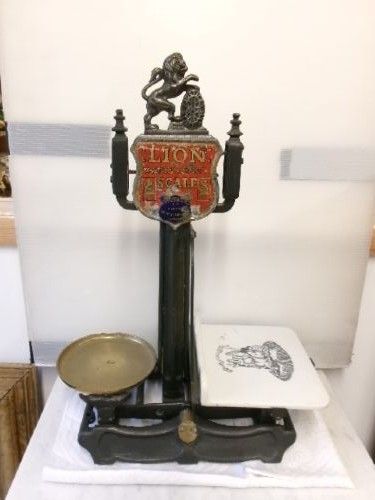
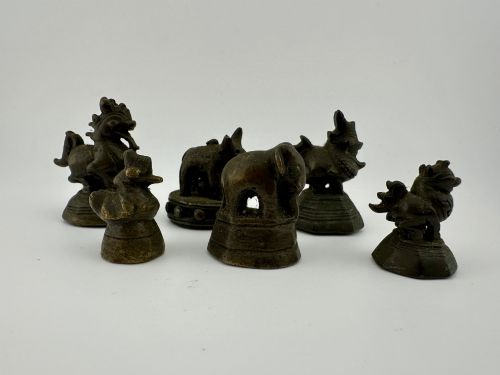
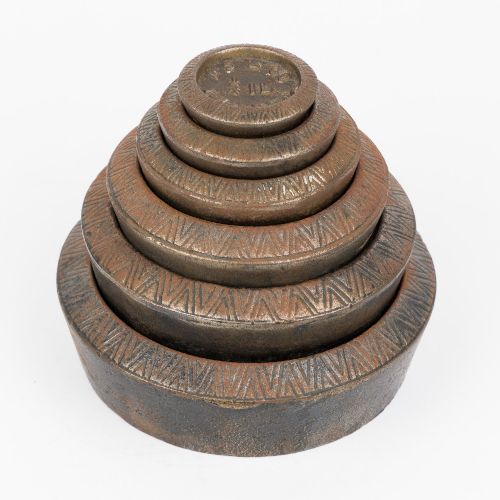
The most common examples on this page are domestic and commercial brass and iron scales accompanied by fitted timber boxes or cast metal weights. You will also find ceramic scale pans and advertising plates, alongside exotic variants such as Burmese bronze animal opium weights and Dutch bushel balances.
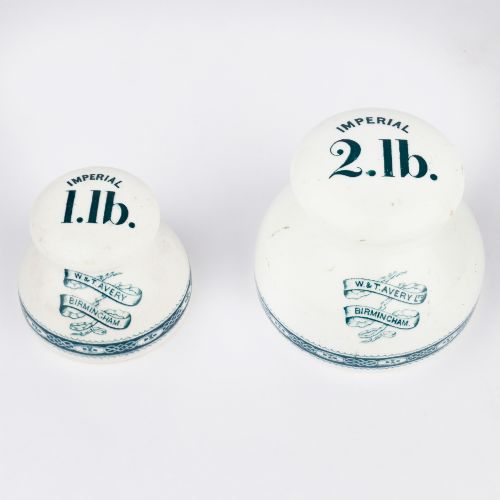
Originating largely from British workshops, municipal offices, and overseas trade routes, these pieces reflect the strict regulatory standards of their respective eras. Makers such as W & T Avery and De Grave provided local authorities with verification balances, while traders utilised robust cast iron and mahogany assemblies for daily commerce.
Materials and Construction
The construction of these instruments relies on the pairing of high-tensile metals with dense hardwoods such as mahogany and camphor-wood. Brass and bronze components provide corrosion resistance and precise balance, while cast iron and wrought iron form the heavy structural frames and floor-standing bases necessary for load-bearing stability.
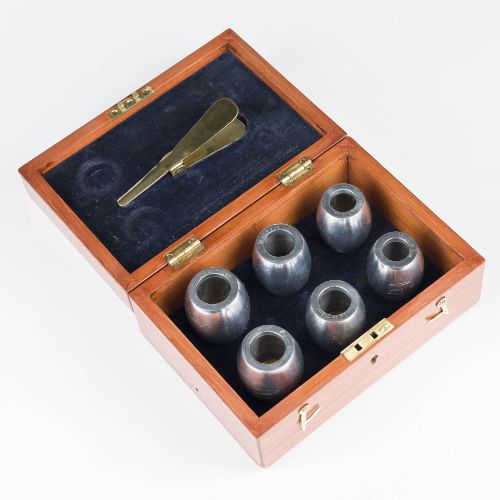
Specialist components incorporate ceramic scale pans and earthenware advertising plates, often fixed with hand-painted or transferred lettering. Wooden elements feature dovetailed joints, leather bindings, and fitted blocks designed to secure delicate weights during transport.
Antique Trade Scales Retail Price Guide 2026
Typical asking prices for trade scales among the pieces listed under this phrase on Sellingantiques today, from the lower quarter to the upper quarter. They describe what is for sale here now, not the wider market.
Weighing your groceries with a monumental floor-standing butcher scale transforms a routine kitchen task into an imperial Victorian performance.
Standards of Manufacture
Quality in these instruments is determined by the precision of the mechanical engineering and the integrity of the original signage and verification stamps. Fine examples retain their matching sets of standard weights, crisp maker inscriptions, and uncompromised pivot points that ensure smooth oscillation.
Industrial provenance also influences standing, as pieces commissioned for official municipal use by cities and boroughs often display superior finishing compared to standard commercial iterations. The presence of original fitted wooden block stands and intact painted decoration elevates the execution of the surviving apparatus.
De Grave Short And Co·W And T Avery·Bartlett And Sons·Day And Millward·Fairbanks Scales
The Antique Trade Scales Glossary
- Avoirdupois
- The system of weights based on a pound of sixteen ounces, commonly used for everyday goods and general trade. Many standard sets on this page are stamped according to these units.
- Troy weight
- A system of units of mass used for precious metals, gemstones, and apothecary goods. You will encounter specialised brass Troy ounce weights in fitted blocks.
- Verification balance
- A high-precision instrument utilised by local government inspectors to check commercial weights and measures for accuracy. These bear regional municipal inscriptions.
- Beam scale
- A weighing device consisting of a horizontal lever with arms of equal length, suspended from a central fulcrum. This design forms the primary mechanism for the large trade balances listed here.
Antique Trade Scales: Frequently Asked Questions
How do I date an antique scale?
Dating relies on mechanical styles, stamped municipal verification marks, and maker signatures recorded on the brass beams or ceramic pans. Many pieces carry specific nineteenth or early twentieth-century dates or royal cyphers that indicate their period of active service.
Comparing the form of the cast iron base and the presence of original wooden storage boxes also helps narrow the decade of production. Official standards often display the name of the borough or county they served, providing a clear historical anchor.
Were these scales used in shops?
The larger beam balances and floor-standing models were standard fixtures in grocers' shops, butcher counters, and municipal inspection offices. They were designed for continuous daily commercial transactions and official verification duties.
Smaller balances served specialist trades, including apothecary dispensaries and general merchants. Their robust iron and brass construction ensured they withstood decades of heavy use in busy retail environments.
How should I clean brass beams?
Antique brass surfaces benefit from gentle dusting and minimal intervention to preserve the natural oxidation and historical patina accumulated over generations. Avoid harsh metal polishes that strip away the aged surface character.
Wooden components and camphor-wood trunks require only a soft cloth and occasional wax treatment to maintain the timber condition. Keeping the metal pivots free from grit ensures the balance mechanism remains stable.
Can I use them for weighing?
While many historical beam scales retain their mechanical precision, original trade instruments are primarily appreciated as decorative antiques and collector pieces. Weights and balances from the nineteenth century may no longer conform to modern legal metrology standards.
If you choose to operate a balance, handle the delicate knife-edge pivots and stacking weights with care to prevent wear. Most owners prefer to display them as sculptural examples of industrial heritage.