





Vintage Brass Scales
Vintage brass scales measure out the past with heavy metal beams and mahogany bases, bringing utility and weight to a room.
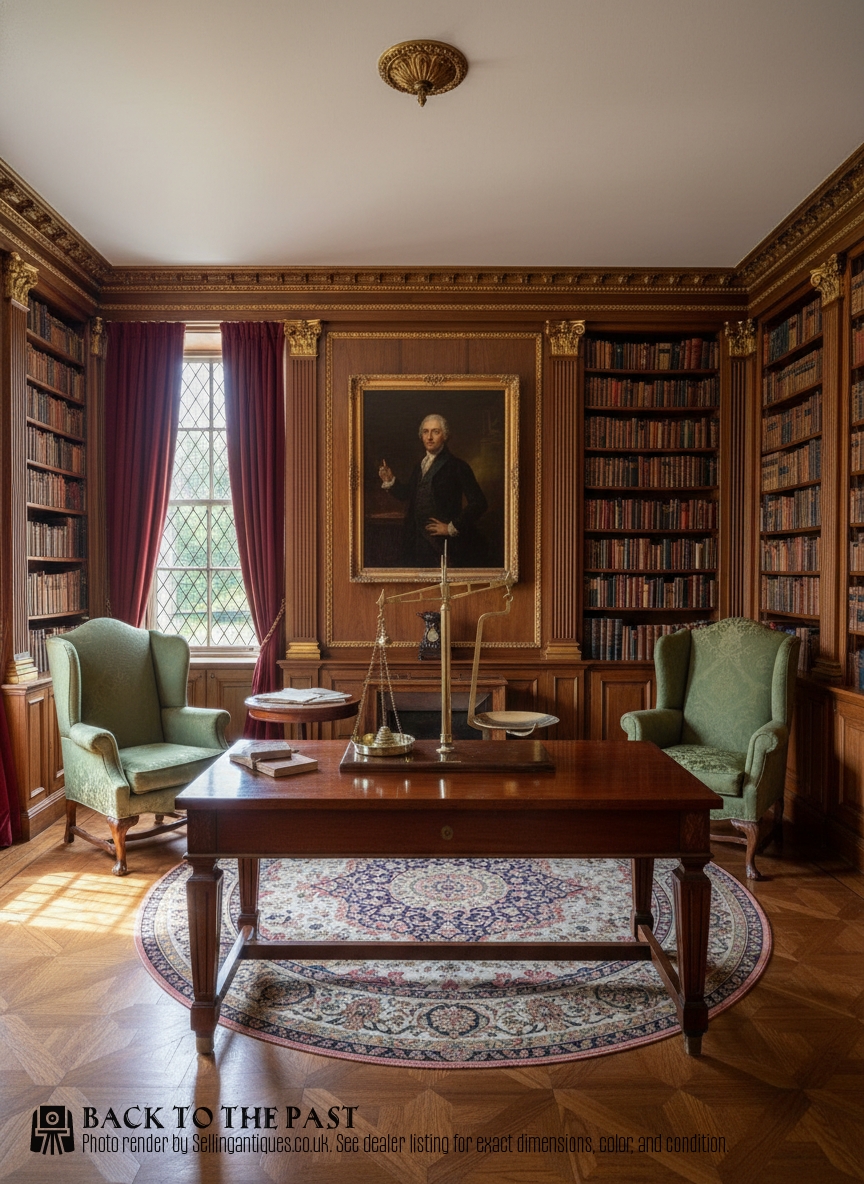
Vintage Brass Scales
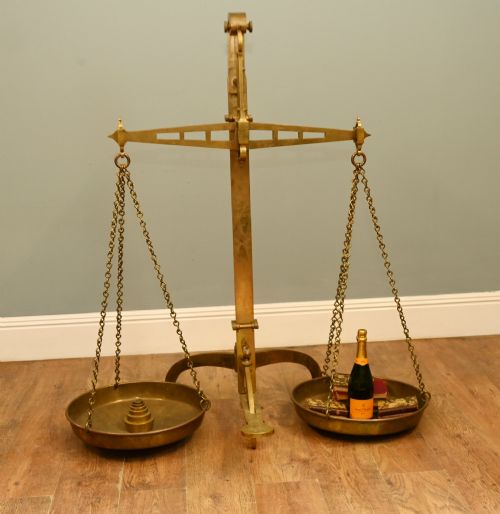
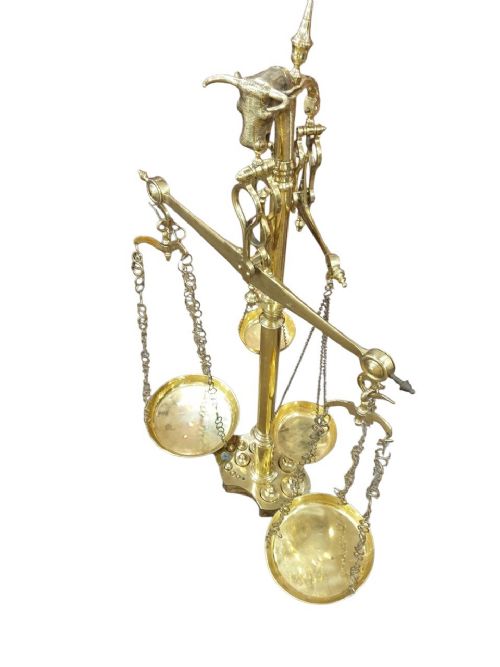
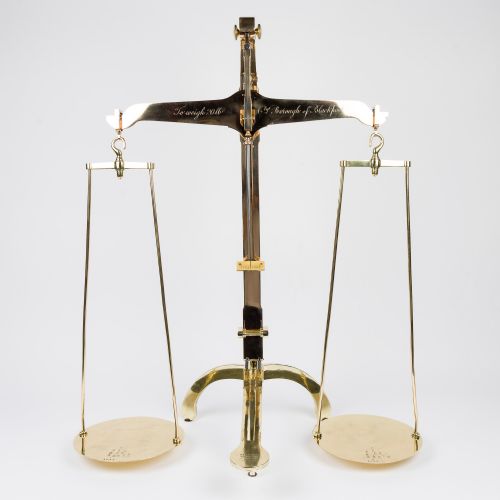
When you search for vintage brass scales, you encounter measuring instruments designed for domestic, commercial and postal use across the Victorian and Edwardian periods. These pieces range from delicate letter balances mounted on wooden plinths to massive floor-standing butcher balances intended for heavy trade.
The most common versions on this page are postal and balance scales produced during the nineteenth and early twentieth centuries. Makers created these devices for specific tasks, from weighing daily post in country houses to managing goods in grocers shops and co-operatives.
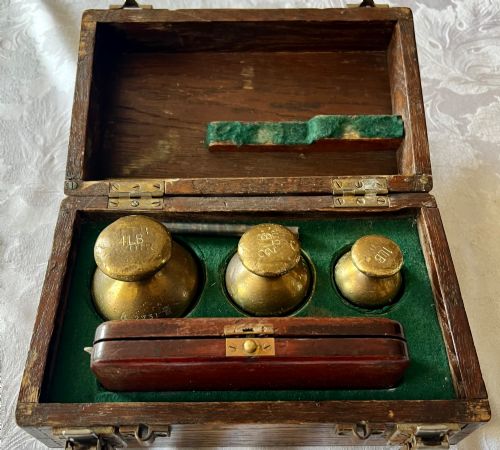
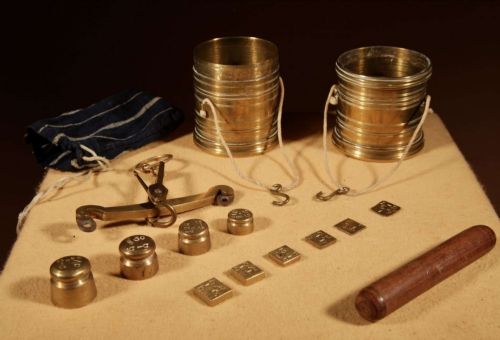
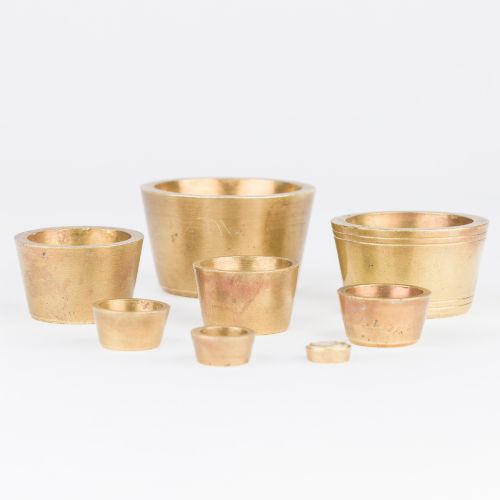
The materials reflect practical utility, combining heavy cast or spun brass with wooden bases in mahogany or oak. Many surviving sets retain their original weights, fitted neatly into stepped wooden blocks or arranged alongside the main beam.

Materials and construction
The construction relies on the contrast between warm yellow brass for beams, pans and weights, and dense timber for the supporting bases. Mahogany and other hardwoods provide stability and a solid foundation for the metal mechanisms.
Makers shaped brass through casting, turning and hammering, ensuring that fulcrums and pivots moved with precision. Wooden plinths often feature dovetailed joints, moulded edges and recessed compartments designed to hold specific denominations of weights.
Vintage Brass Scales Retail Price Guide 2026
Typical asking prices for vintage brass scales among the pieces listed under this phrase on Sellingantiques today, from the lower quarter to the upper quarter. They describe what is for sale here now, not the wider market.
Listings feature brass scales paired with mahogany bases, iron framing, and glass components spanning the nineteenth and early twentieth centuries.
Assessing quality and finish
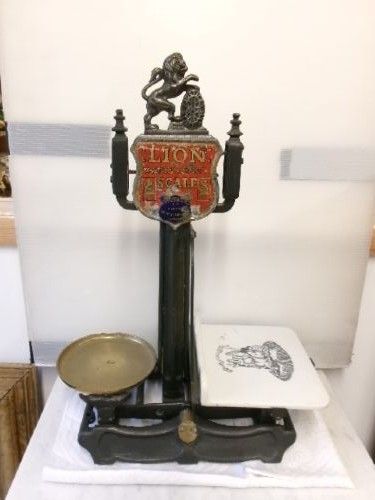
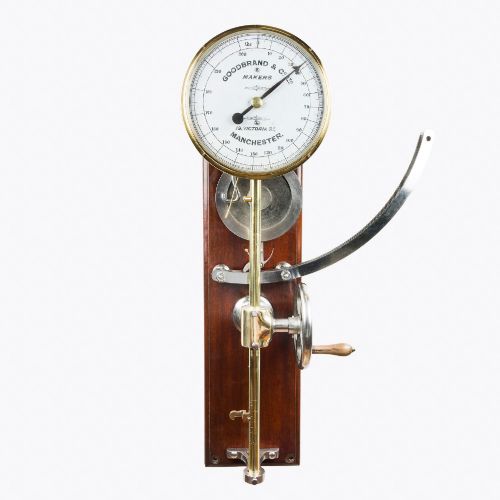
Quality in these instruments rests on the crispness of the brass casting and the integrity of the maker's markings stamped into the metal or printed on porcelain panels. Finer examples retain their original matching weights and possess finely adjusted beams that balance truly without excess friction.
The refinement of the wooden base also distinguishes standard commercial output from superior pieces. Well-executed specimens feature polished mahogany with precise joinery, while simpler utility models utilise basic boards and minimal decoration.
De Grave Short and Co·W and T Avery·Day and Millward·S Mordan London·Parnall and Sons of Bristol
The Vintage Brass Scales Glossary
- Postal scales
- Devices specifically calibrated for weighing letters and parcels to determine postage rates. They frequently incorporate stepped platforms or brass clips to hold envelopes.
- Beam scale
- A weighing instrument featuring a central horizontal lever with a pan suspended from each end. The arms must remain equal in length for accurate measurement.
- Avoirdupois
- The system of weights based on a pound of sixteen ounces, commonly used for general goods and trade scales. Sets of these standard weights accompany many commercial balances.
- Troy weights
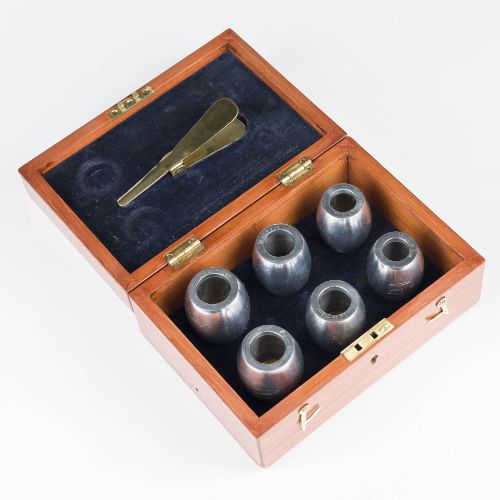
- A system of units used for weighing precious metals and apothecary items. These specialised weights often appear in dedicated fitted wooden boxes.
- Bushel balance
- A heavy-duty trade instrument designed to measure dry goods by volume and weight. Dutch and domestic examples survive from the nineteenth century.
Vintage Brass Scales: Frequently Asked Questions
How do I clean vintage brass scales?
Use a soft dry cloth to remove dust from the brass and wood surfaces without disturbing the accumulated surface character. Avoid abrasive metal polishes that strip away the aged tone built up over decades.
Treat the wooden base with a neutral furniture wax if the timber appears dry. Keep moisture away from paper labels or painted indices found on trade scales.
Are original weights usually included?
Many surviving sets retain their matching brass weights, fitted into dedicated slots within the wooden base. Complete sets enhance the historical integrity of the piece.
When weights are missing, finding exact period replacements of the same manufacturer and standard requires careful matching of denominations and stamp marks.
How do I date these scales?
Maker marks, patent stamps and the style of the wooden base provide the clearest indicators of age. Victorian examples often feature robust mahogany plinths and cast brass maker plaques.
Postal rates and government inspection stamps marked on the brass plates also help narrow down the decade of production.
Where were these scales used?
Smaller postal and letter scales stood in domestic libraries, writing rooms and estate offices for daily correspondence. Larger beam and butcher balances served in bustling retail shops, post offices and municipal weighing stations.
Commercial co-operatives and grocers relied on these sturdy instruments to measure out provisions for the public before decimalization.