


Antique Grocers Scale
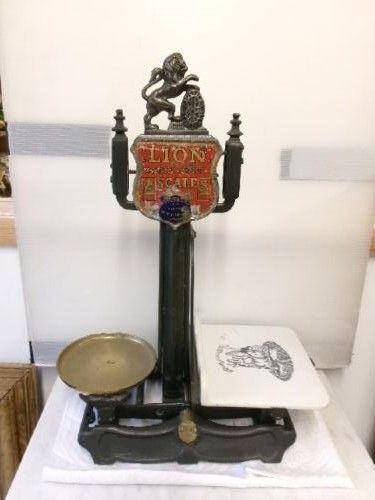
An antique grocers scale brings industrial counter utility into domestic spaces through heavy cast iron, polished brass and ceramic pans.
Antique Grocers Scale
An antique grocers scale represents utilitarian shop equipment from the Victorian and Edwardian eras, designed for heavy daily trade in provisions. These pieces typically comprise a robust cast iron or brass base fitted with balance beams, holding either brass pans or glazed ceramic dishes for weighing produce.
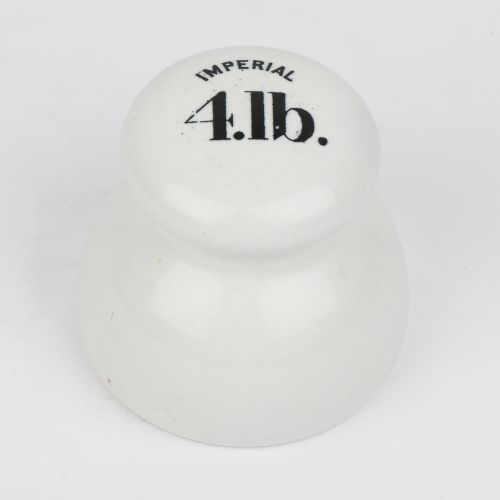
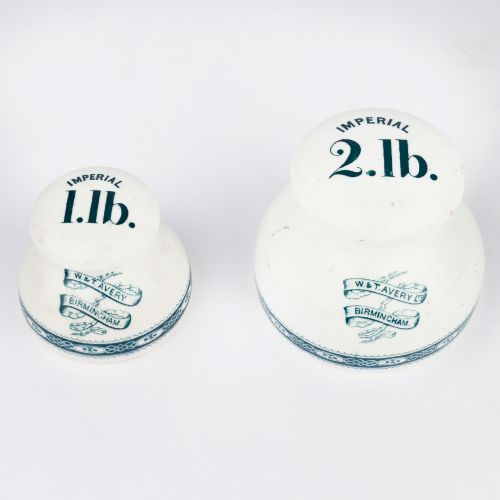
The versions most commonly met on this page range from large shop counter balances by makers such as Herbert & Sons or Parnall & Sons to smaller domestic kitchen scales. Buyers encounter everything from complete sets with original iron and brass weights to individual ceramic scale pans and auxiliary balance weights.
How they were made
Makers constructed the primary frames of an antique grocers scale from heavy cast iron, often painted or japanned to resist corrosion in busy store environments. Working mechanisms relied upon turned brass beams, pivots and counterweights to ensure precise mechanical measurement.
Pans and supplementary elements incorporated glazed ceramic, earthenware, copper and mahogany woods, combining industrial durability with functional hygiene for food merchants.
Current listings span Victorian and Edwardian periods, featuring materials such as cast iron, brass, copper, mahogany and glazed ceramic.
What varies in quality
The distinction between standard commercial apparatus and finer shop scales lies in the crispness of maker signatures, cast iron detailing such as lion embellishments, and the retention of matching components. Finer examples retain original painted finishes, complete sets of stamped weights, and well-balanced brass beams that demonstrate superior metallurgical work.
Lesser or assembled sets show mismatched elements or replacement pans where components from different makers or eras have been paired together for utility rather than historical preservation.
Herbert & Sons London·W & T Avery·Parnall & Sons of Bristol·Bartlett & Sons
The Antique Grocers Scale Glossary
- Cast iron
- A heavy, strong iron-carbon alloy poured into moulds to create rigid structural frames and decorative bases. This material forms the primary load-bearing foundation for heavy counter scales.
- Balance scale
- A weighing device operating on the principle of equal arms suspended from a central pivot. Goods are placed on one side and calibrated weights on the other.
- Scale pan
- The shallow dish or platform designed to hold the items being weighed during a transaction. These components are frequently formed from glazed ceramic or spun brass.
- Kitchenalia
- Domestic culinary and food preparation implements of a bygone era, often collected for display. Grocers scales frequently cross into this category when used in modern kitchens.
Antique Grocers Scale: Frequently Asked Questions
What periods do these scales date from?
The pieces span the Victorian and Edwardian eras, alongside late nineteenth-century French and English designs. Most surviving examples belong to the period between eighteen-seventy and nineteen-hundred.
Industrial expansion during these decades led to standardised commercial weights and measures across retail shops and co-operative societies.
How were grocers scales used originally?
Shopkeepers positioned these balances on wooden counters to weigh bulk dry goods, sugar, tea and butter for customers. Merchants placed cast iron or brass weights on one side to match the mass of the provisions.
Quick action mechanisms allowed counter staff to execute rapid, repetitive measurements during busy trading hours.
Are original weights usually included?
Some listings preserve their original matching iron or brass weights, while others offer scales and weights separately. Ceramic weights and stamped metallic pieces frequently survive as individual items.
Collectors often search specifically to reunite incomplete balances with authentic period weights from the same maker.
How do I care for brass and iron?
Maintenance involves dusting with a dry cloth and occasionally treating iron surfaces with light protective oils to prevent oxidation. Polishing brass components depends on personal preference for bright metal versus an aged patina.
Glazed ceramic pans require simple washing with warm water and mild soap to maintain their finish.