


Vintage Architectural Illustration
Vintage architectural illustration captures built form through hand-drawn and printed works across the eighteenth, nineteenth, and twentieth centuries.
Vintage Architectural Illustration
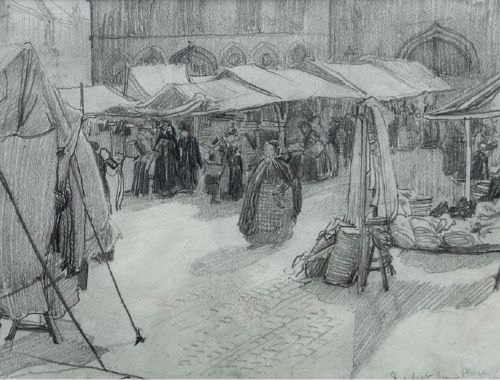
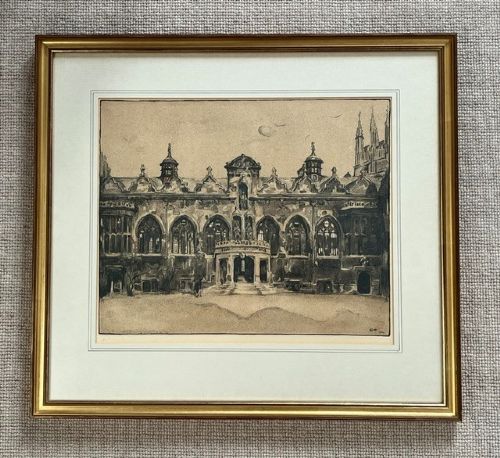
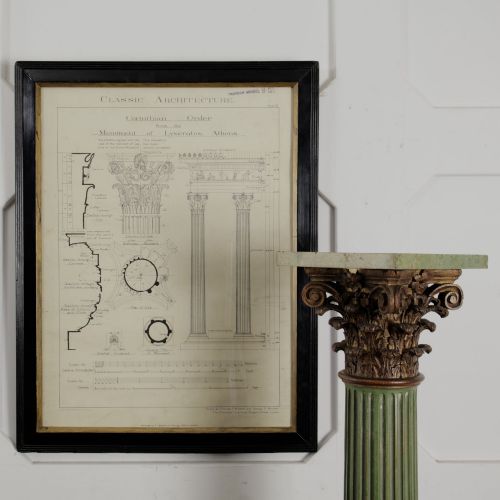
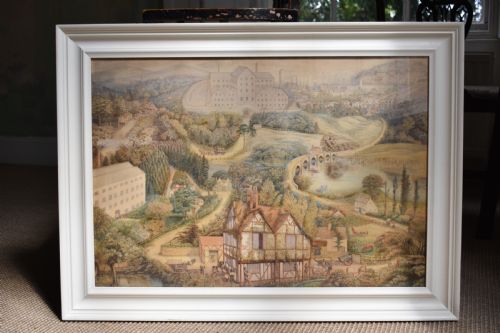
Vintage architectural illustration encompasses framed prints, detailed pen and ink drawings, watercolours, and copper engravings depicting buildings, monuments, and classical orders. These works span from the eighteenth century through the Victorian era and into the early twentieth century, recording everything from grand European cathedrals to specific cabinet designs.
Buyers seeking this phrase most frequently encounter nineteenth-century works alongside early twentieth-century pieces, often presented in wood frames under glass. The selection ranges from detailed technical plans and architectural plates to atmospheric watercolours of historic structures and archaeological sites.
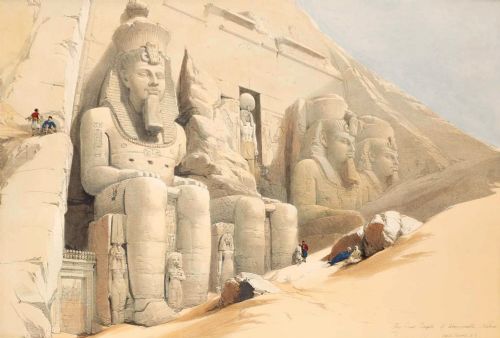
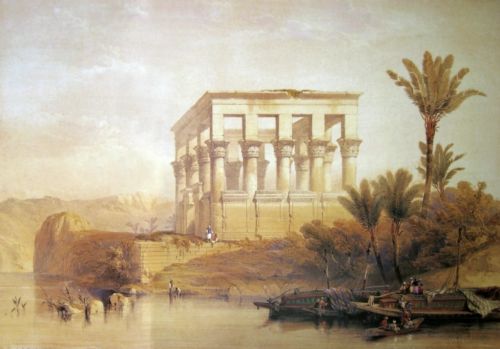
The subjects are anchored in historical styles such as Neoclassical, Gothic Revival, and Victorian Orientalism. Creators include named artists, students, and printmakers documenting structural forms, civic buildings, and ancient antiquities.
How they were made
These works rely primarily on paper supports combined with ink, pencil, graphite, and watercolour applications. Many pieces utilise monochrome ink washes or delicate watercolour highlights over pencil or graphite outlines to define structural stone, facades, and surrounding landscapes.
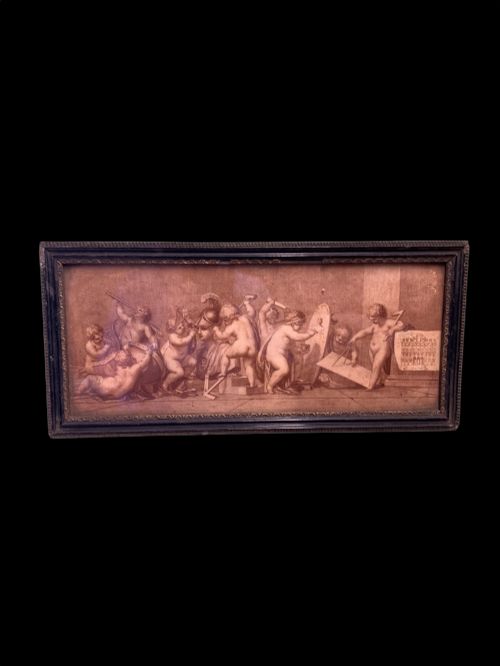
Printed examples employ copper engraving and industrial lithography techniques to reproduce fine structural lines and detailed plate designs with precision. Gold leaf accents occasionally appear on select pieces, while completed works are typically housed in wooden frames behind protective glass.
The works span Neoclassical, Gothic Revival, and Victorian styles through framed artwork and drawings.
What varies in quality
Quality rests upon the precision of the draughtsmanship and the confidence of the hand behind the ink or watercolour wash. Works executed by trained artists or documented draftsmen display a superior grasp of perspective, proportion, and structural detail compared to standard decorative prints.
The richness of the medium and the preservation of the paper support dictate the visual impact of the piece. Crisp copper engravings, detailed lithographic plates, and skilfully applied wash techniques stand well apart from simpler mass-produced outputs.
Henry Percy Huggill·Sir William Nicholson·David Roberts·Fred Lawson·James Basire
The Vintage Architectural Illustration Glossary
- Lithograph
- A print produced by printing from a flat stone or metal plate treated so as to repel the ink except where required for the image. This technique allowed for the accurate mass reproduction of detailed architectural drawings and plates.
- Copper engraving
- An intaglio printmaking process where an image is incised into a copper plate with a burin. Ink is held within the grooves to transfer fine, precise lines onto paper.
- Wash
- A technique where a watercolour or ink pigment is heavily diluted with water to create a smooth, semi-transparent layer of tone. It is frequently used in architectural drawings to suggest shadow and depth.
- Corinthian Order
- A classical architectural style characterised by slender fluted columns and elaborate capitals decorated with acanthus leaves. Plates depicting this order served as educational references for builders and designers.
- Neoclassical
- A style revivifying classical Roman and Greek architectural motifs, symmetry, and proportions. Works in this vein often record ancient temples, columns, and monumental arches.
Vintage Architectural Illustration: Frequently Asked Questions
What periods do these illustrations cover?
The available selection spans from the eighteenth century through the Victorian era and into the twentieth century. Pieces range from eighteenth-century copper engravings of ancient antiquities to early twentieth-century townscape drawings and lithographs.
Specific decades represented include the 1860s, 1910s, 1920s, 1930s, and 1940s. This broad timeline reflects changing architectural documentation methods across successive centuries.
How were these architectural works originally used?
Many of these pieces served as working design documents, educational plates for architectural students, or travel records for artists visiting historic sites. Detailed drawings of cathedrals, royal palaces, and civic buildings recorded existing structures or proposed decorative schemes.
Other examples functioned as published book illustrations or folio plates detailing classical orders and archaeological ruins for study.
How should I frame and display these pieces?
These works are commonly preserved in wood frames behind glass to protect the delicate paper, ink, and watercolour mediums from atmospheric damage and fading. When hanging them at home, keep them away from direct sunlight and areas prone to high humidity.
Matching the period of the frame to the era of the drawing can enhance the visual presentation, though simple mounts allow the technical details of the illustration to remain the primary focus.
How do I distinguish between an original drawing and a print?
Original drawings feature hand-applied media such as graphite, ink, or watercolour where individual brushstrokes and pencil pressures remain visible under close inspection. Prints, including copper engravings and lithographs, show the uniform ink application and plate marks characteristic of mechanical reproduction.
Examining the paper surface under magnification will reveal whether lines are built from drawn strokes or composed of printed ink dots and continuous engraved grooves.